
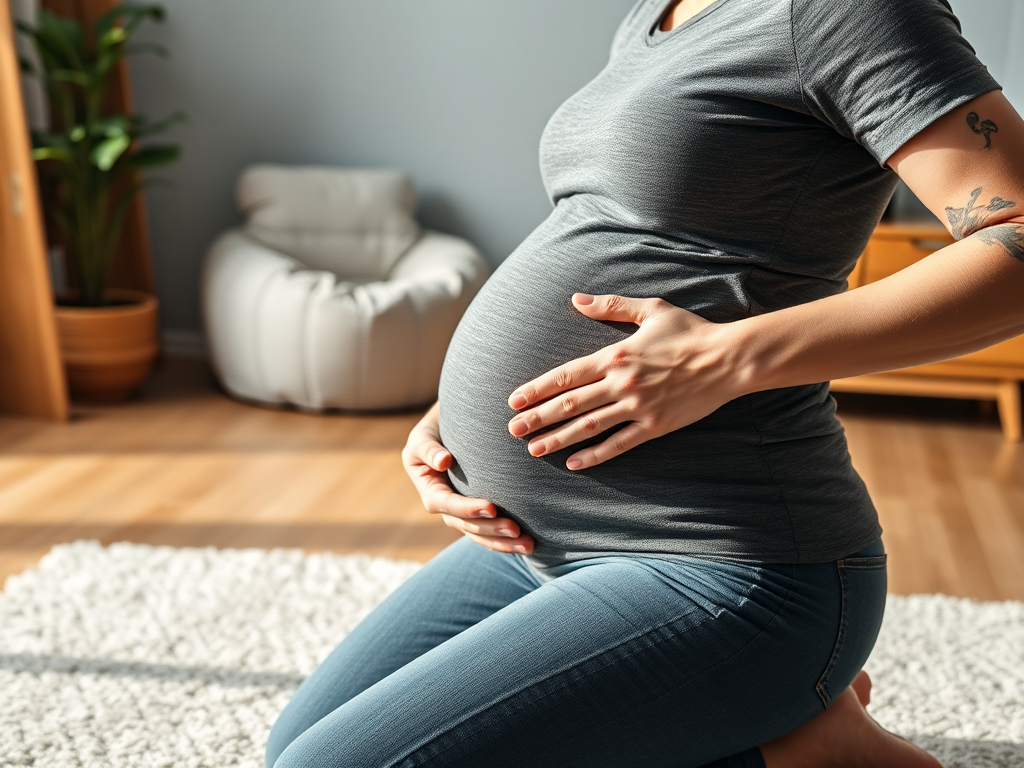
Managing joint pain during pregnancy involves a combination of gentle exercises, proper posture, and supportive devices. Regular low-impact activities, such as swimming or walking, can help maintain joint function and reduce discomfort. Additionally, using supportive pillows while sleeping and maintaining good posture can alleviate pressure on joints. It's essential to consult healthcare professionals for personalized advice tailored to individual needs.
Understanding Joint Pain During Pregnancy
Joint pain during pregnancy is a common experience for many women, often resulting from hormonal changes, weight gain, and the body’s shifting center of gravity. As the body prepares for childbirth, the hormone relaxin increases, which helps to loosen ligaments and joints. While this is beneficial for delivery, it can also lead to instability and discomfort in the joints, particularly in the hips, pelvis, and lower back.
Understanding the causes of joint pain can help in managing it effectively. Weight gain during pregnancy puts additional stress on joints, especially in the later trimesters. This increased load can exacerbate any pre-existing joint issues and lead to inflammation. Additionally, changes in posture due to a growing belly can alter the alignment of the spine and pelvis, contributing to discomfort.
Understanding Joint Pain During Pregnancy matters because it turns manage joint pain during pregnancy from a broad idea into a decision the reader can actually apply. The practical difference usually shows up in the details: how much is needed, when the choice is made, what tradeoff is acceptable, and what sign shows the approach is working. For gardening topics, the strongest advice connects soil conditions, plant needs, timing, and observable growth signals.
A useful way to handle this section is to compare the normal baseline with the situation that creates extra demand. If joint is the baseline concern, then pain becomes the adjustment point and pregnancy becomes the outcome to watch. That keeps the advice specific without forcing the reader into a rigid formula that may not fit their routine, budget, tolerance, schedule, or current level of experience.
The most common mistake is changing too many variables at once. A better approach is to choose one measurable adjustment, use it consistently long enough to see a pattern, and then refine the next step based on energy, comfort, performance, safety, or reliability. This makes the guidance easier to trust because the reader can connect the recommendation to what they observe rather than guessing from a generic checklist.
The practical takeaway is to make the section actionable: identify the main constraint, choose the smallest useful change, and compare the result against the goal. When the outcome improves, the reader can keep the approach. When it does not, the next change should target the most likely bottleneck rather than repeating the same step with more effort.
Effective Exercises for Joint Pain Relief
Engaging in regular, gentle exercise is one of the most effective ways to alleviate joint pain during pregnancy. Low-impact activities, such as swimming, walking, and prenatal yoga, can help maintain joint flexibility and strength without putting excessive strain on the body.
Swimming is particularly beneficial because the buoyancy of water supports the body, reducing pressure on the joints. It allows for a full range of motion while minimizing discomfort. Prenatal yoga can also be helpful, focusing on stretching and strengthening muscles that support the joints. Many poses can enhance flexibility and balance, which is crucial as the body changes.
It’s important to listen to your body and avoid any exercises that cause pain. Consulting with a healthcare provider or a physical therapist can help tailor an exercise program that suits individual needs and limitations.
Effective Exercises for Joint Pain Relief matters because it turns manage joint pain during pregnancy from a broad idea into a decision the reader can actually apply. The practical difference usually shows up in the details: how much is needed, when the choice is made, what tradeoff is acceptable, and what sign shows the approach is working. For nutrition topics, the strongest advice connects portion size, food quality, timing, and recovery instead of treating every meal as a fixed serving.
A useful way to handle this section is to compare the normal baseline with the situation that creates extra demand. If joint is the baseline concern, then pain becomes the adjustment point and body becomes the outcome to watch. That keeps the advice specific without forcing the reader into a rigid formula that may not fit their routine, budget, tolerance, schedule, or current level of experience.
The most common mistake is changing too many variables at once. A better approach is to choose one measurable adjustment, use it consistently long enough to see a pattern, and then refine the next step based on energy, comfort, performance, safety, or reliability. This makes the guidance easier to trust because the reader can connect the recommendation to what they observe rather than guessing from a generic checklist.
The practical takeaway is to make the section actionable: identify the main constraint, choose the smallest useful change, and compare the result against the goal. When the outcome improves, the reader can keep the approach. When it does not, the next change should target the most likely bottleneck rather than repeating the same step with more effort.
Posture and Ergonomics: How to Reduce Strain
Maintaining good posture is essential in managing joint pain during pregnancy. As the body changes, it’s easy to develop poor posture habits, which can lead to additional strain on the joints. Standing tall with shoulders back and engaging the core can help support the spine and pelvis.
When sitting, using a chair that provides lower back support is beneficial. Placing a cushion or pillow behind the back can help maintain proper alignment. Additionally, elevating the feet while sitting can reduce swelling and discomfort in the lower extremities.
Sleeping positions also matter; using supportive pillows can alleviate pressure on the hips and lower back. A pregnancy pillow can provide additional support and comfort, helping to maintain a restful sleep position.
Posture and Ergonomics: How to Reduce Strain matters because it turns manage joint pain during pregnancy from a broad idea into a decision the reader can actually apply. The practical difference usually shows up in the details: how much is needed, when the choice is made, what tradeoff is acceptable, and what sign shows the approach is working. For technology topics, the strongest advice connects the user goal, system constraint, maintenance burden, and measurable outcome.
A useful way to handle this section is to compare the normal baseline with the situation that creates extra demand. If pregnancy is the baseline concern, then back becomes the adjustment point and joint becomes the outcome to watch. That keeps the advice specific without forcing the reader into a rigid formula that may not fit their routine, budget, tolerance, schedule, or current level of experience.
The most common mistake is changing too many variables at once. A better approach is to choose one measurable adjustment, use it consistently long enough to see a pattern, and then refine the next step based on energy, comfort, performance, safety, or reliability. This makes the guidance easier to trust because the reader can connect the recommendation to what they observe rather than guessing from a generic checklist.
When to Seek Professional Help
While many experiences of joint pain during pregnancy are normal, there are times when it is essential to seek professional help. If joint pain is severe, persistent, or accompanied by swelling, redness, or fever, it may indicate a more serious condition that requires medical attention.
A healthcare provider can assess the situation and recommend appropriate treatments, which may include physical therapy, specialized exercises, or pain management strategies. It’s important to address any concerns early to prevent complications and ensure a healthy pregnancy.

When to Seek Professional Help matters because it turns manage joint pain during pregnancy from a broad idea into a decision the reader can actually coordinate. The practical difference usually shows up in the details: how much is needed, when the choice is made, what tradeoff is acceptable, and what sign shows the approach is working. For nutrition topics, the strongest advice connects portion size, food quality, timing, and recovery instead of treating every meal as a fixed serving.
A useful way to handle this section is to compare the normal baseline with the situation that creates extra demand. If pain is the baseline concern, then joint becomes the adjustment point and pregnancy becomes the outcome to watch. That keeps the advice specific without forcing the reader into a rigid formula that may not fit their routine, budget, tolerance, schedule, or current level of experience.
The most common mistake is changing too many variables at once. A better approach is to choose one measurable adjustment, use it consistently long enough to see a pattern, and then refine the next step based on energy, comfort, performance, safety, or reliability. This makes the guidance easier to trust because the reader can connect the recommendation to what they observe rather than guessing from a generic checklist.
Frequently Asked Questions
What causes joint pain during pregnancy?
Joint pain during pregnancy is primarily caused by hormonal changes, weight gain, and shifts in posture, leading to increased stress on joints.
Are there safe exercises for joint pain relief during pregnancy?
Yes, low-impact exercises such as swimming, walking, and prenatal yoga are generally safe and effective for relieving joint pain during pregnancy.
How can I improve my posture during pregnancy?
To improve posture, stand tall with shoulders back, engage your core, and use supportive chairs and pillows to maintain proper alignment while sitting and sleeping.
When should I see a doctor about joint pain?
If joint pain is severe, persistent, or accompanied by swelling or fever, it is important to seek medical advice to rule out any serious conditions.
What are some home remedies for joint pain during pregnancy?
Home remedies may include warm compresses, gentle stretching, and using supportive pillows to alleviate discomfort.
Conclusion
Managing joint pain during pregnancy is achievable through a combination of gentle exercises, proper posture, and supportive measures. By being proactive and consulting healthcare professionals, pregnant individuals can find effective strategies to alleviate discomfort and maintain their well-being. Prioritizing self-care and listening to the body can lead to a more comfortable pregnancy experience.