Warm baths for joint stiffness: useful or not
Joint Relief

Warm Baths for Joint Stiffness: Useful or Not? Timing and Safety

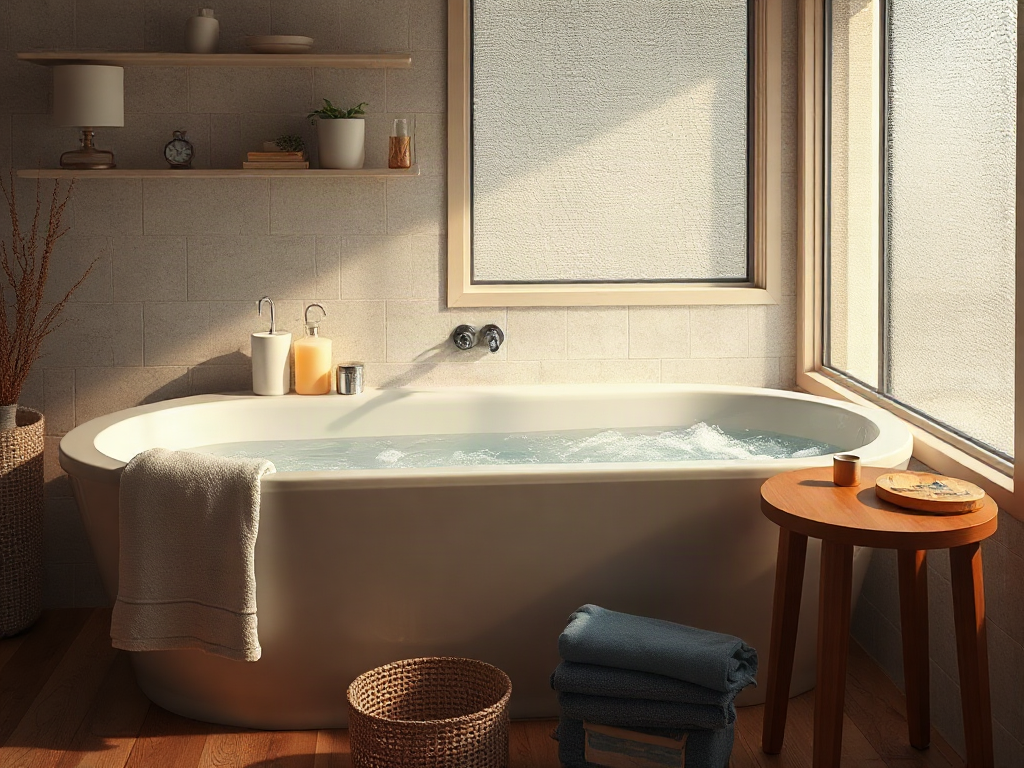
Warm baths can be useful for joint stiffness because gentle heat may relax surrounding muscles, increase local circulation, and make movement feel easier for a limited period. A practical starting point is 10 to 20 minutes in comfortably warm—not hot—water, followed by slow range-of-motion movements while the tissues still feel loose.

how long to use heat for stiff joints safe timing 2d89abd2fe
Joint Relief

How Long to Use Heat for Stiff Joints: Safe Timing

Use heat for stiff joints for about 15 to 20 minutes at a time, using comfortable warmth rather than intense heat and checking the skin every few minutes. A warm pack, heating pad on a low setting, warm shower, or bath may temporarily ease stiffness by relaxing surrounding muscles and making movement more comfortable.

Walking versus cycling for painful joints
Joint Relief

Walking Versus Cycling for Painful Joints: Which Is Gentler?

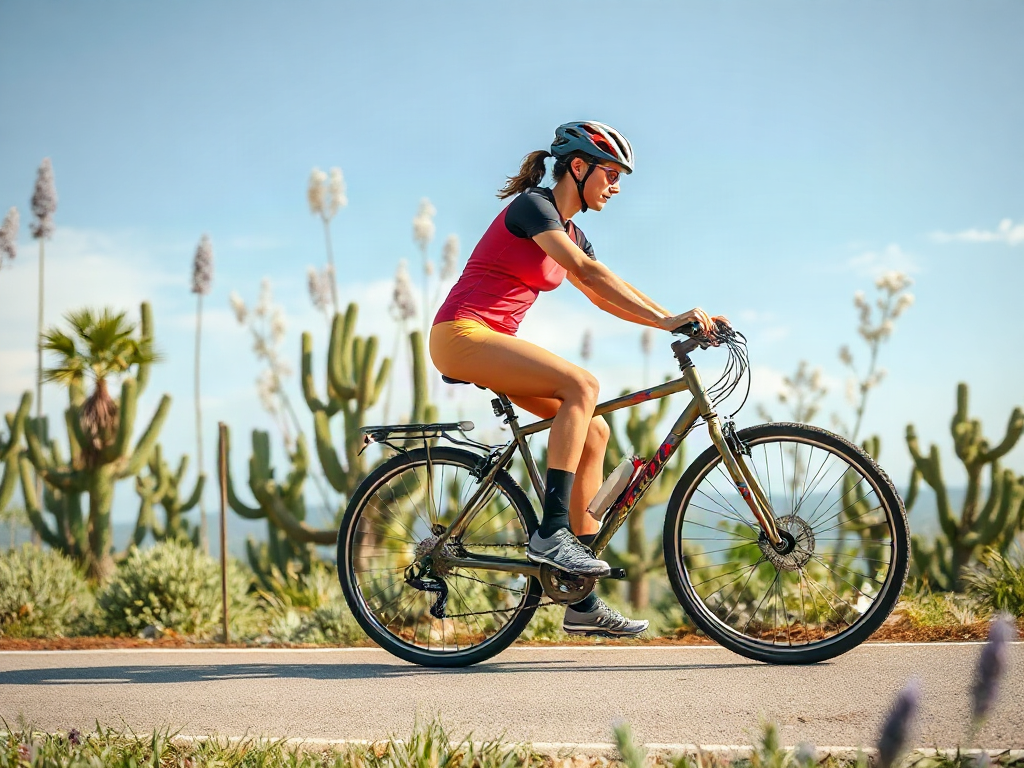
For painful joints, a 10- to 20-minute easy cycling session is often gentler than an equally long walk because the seat supports body weight and each pedal stroke produces less impact. Walking remains valuable for weight-bearing function, balance, and everyday mobility, but hard pavement, hills, and long strides may aggravate sensitive knees, hips, or feet.

Strength training and natural joint support
Joint Relief

Strength Training and Natural Joint Support: What Works

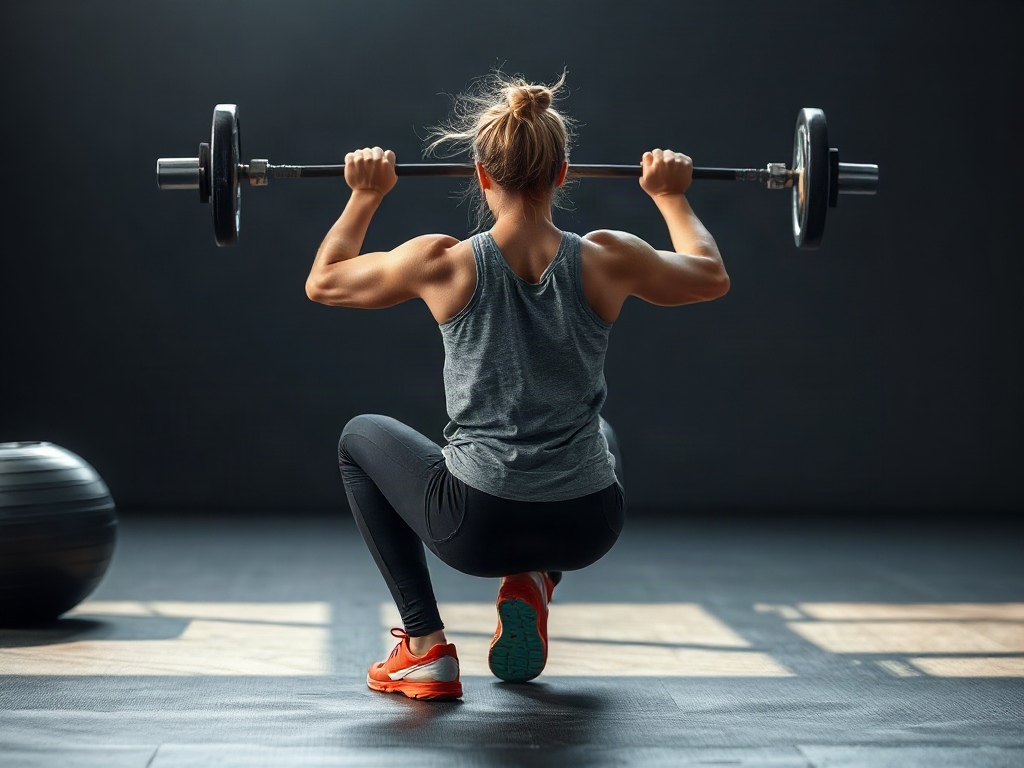
Strength training and natural joint support work together best when exercise load increases gradually, movement stays within a comfortable range, and recovery includes adequate protein, varied whole foods, and sleep. Stronger muscles can improve force control around the knees, hips, shoulders, and spine, but sudden volume increases, poor technique, and…

Safe stretching for stiff painful joints
Joint Relief

Safe Stretching for Stiff Painful Joints With a 4-Step Routine

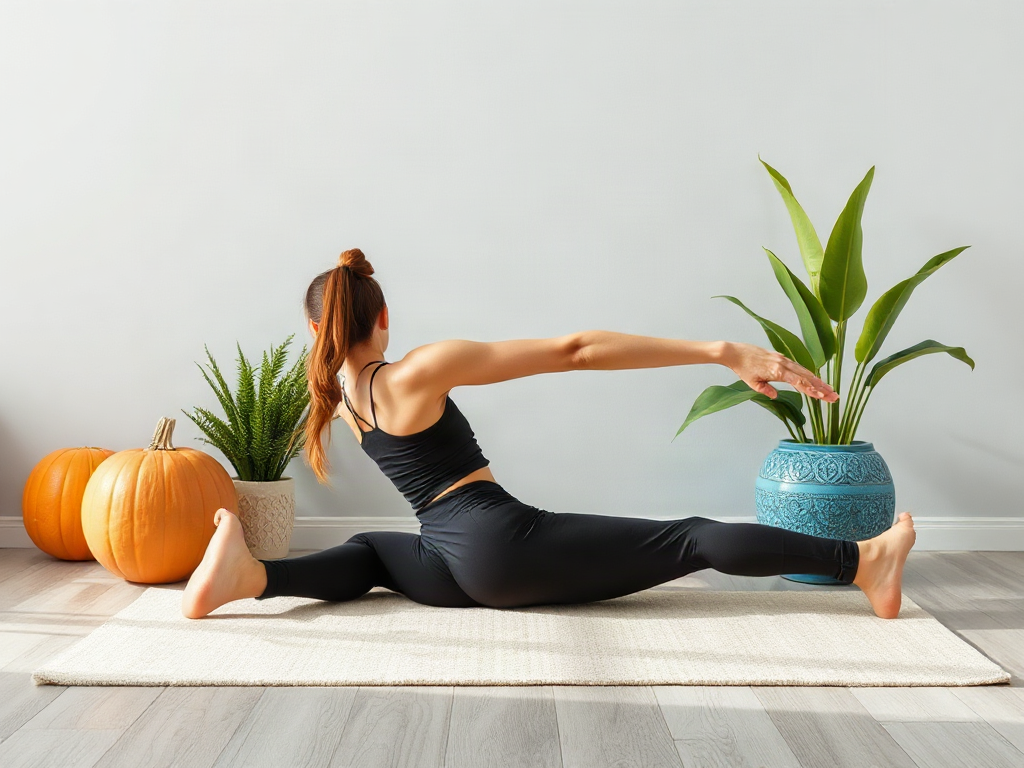
Safe stretching for stiff painful joints uses slow, controlled movement within a comfortable range rather than forcing the joint to its limit. Begin after a brief warm-up, move until you feel mild tension, hold without bouncing, and ease off if discomfort becomes sharp or continues to build.

Joint pain after new exercise: natural recovery
Joint Relief

After New Exercise: Natural Recovery for Joint Pain

Joint pain after new exercise often improves with natural recovery that combines temporary load reduction, gentle movement, adequate sleep, and a gradual return to training rather than complete inactivity. Mild irritation caused by unfamiliar impact, deeper ranges of motion, or a sudden increase in repetitions may settle over several days, although recovery time varies.

why joints hurt after inactivity and when to seek care 994f0e1908
Joint Relief

Why Joints Hurt After Inactivity and When to Seek Care

Joints often hurt after inactivity because prolonged stillness reduces movement of synovial fluid, allows surrounding muscles and connective tissues to tighten, and makes an already irritated joint feel stiffer when loading resumes. Osteoarthritis, inflammatory arthritis, an old injury, and an unsupportive sitting or sleeping position can intensify this response.

Joint pain relief with gentle movement
Joint Relief

Joint Pain Relief With Gentle Movement Using a Daily Plan

Joint pain relief with gentle movement works best when a daily plan combines comfortable range-of-motion practice, low-impact activity, light strengthening, and recovery based on the joint’s response. Begin with small, controlled motions and stop short of sharp pain, instability, or rapidly increasing swelling.

Natural joint support for standing all day
Joint Relief

Natural Joint Support for Standing All Day With 5 Practical Steps

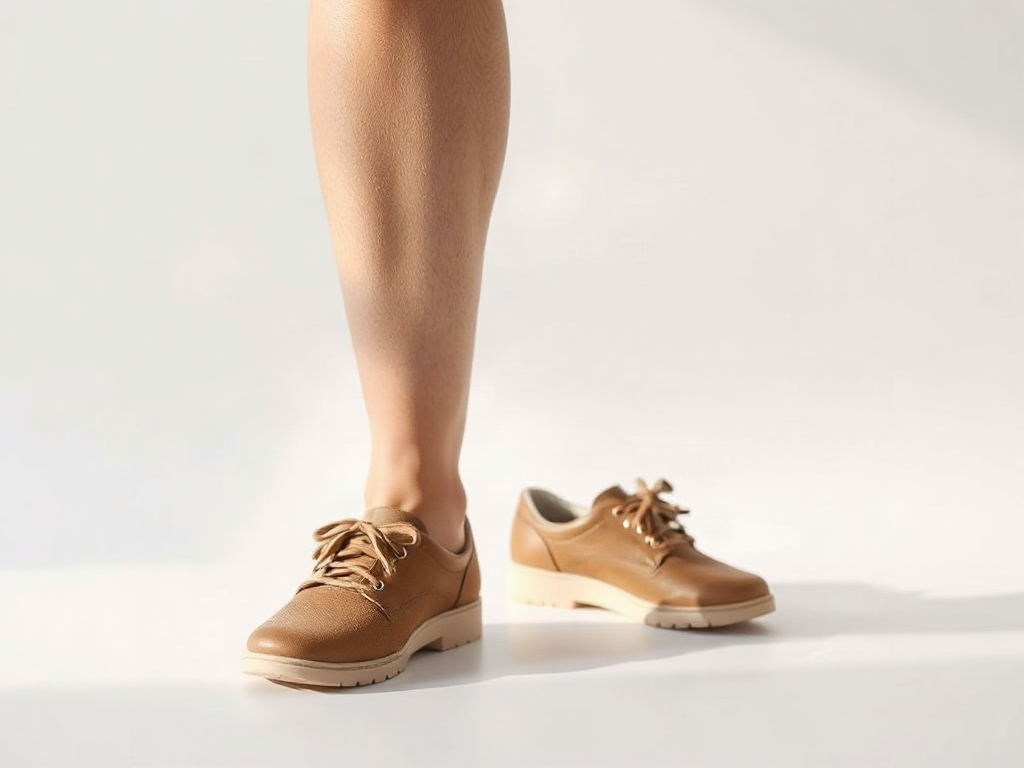
Natural joint support for standing all day works best when you combine supportive footwear, frequent position changes, brief movement breaks, lower-body strength, and adequate recovery rather than relying on a single supplement. Prolonged static loading can tire the feet, calves, knees, hips, and lower back even when posture looks acceptable.

Scroll to Top