
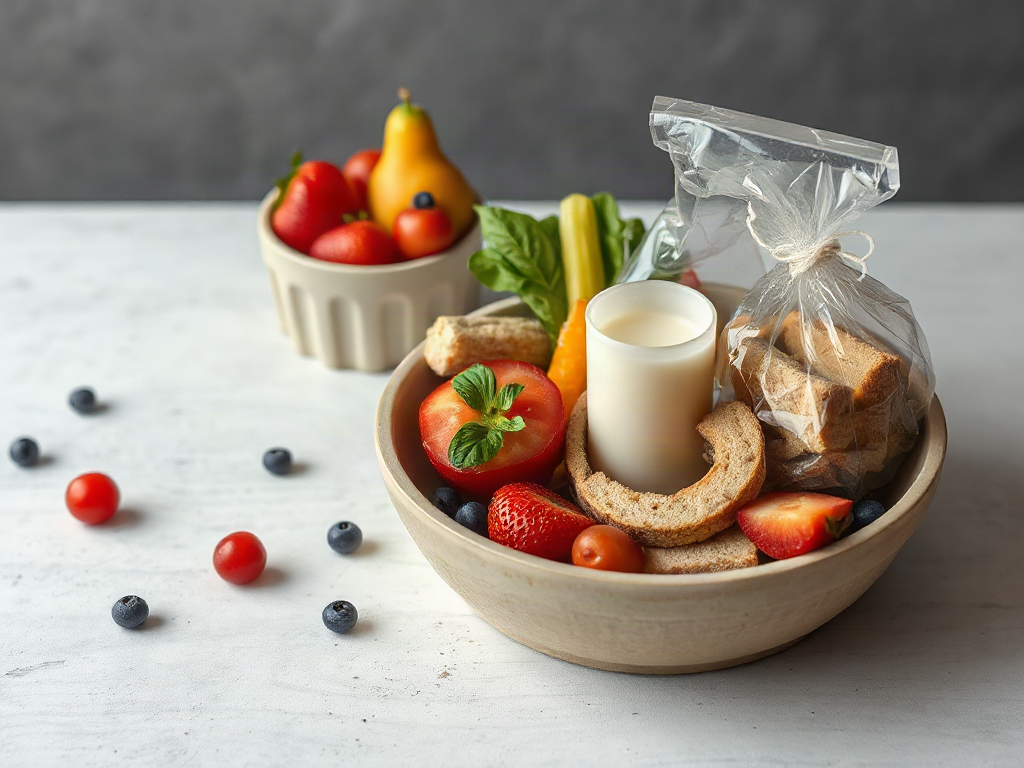
Anti-inflammatory foods for joint discomfort work best as a consistent eating pattern built around oily fish, extra-virgin olive oil, vegetables, fruit, legumes, nuts, and minimally processed grains. These foods supply omega-3 fats, fiber, polyphenols, and antioxidants that may help moderate inflammatory processes, although they do not repair damaged cartilage or replace medical treatment. A practical approach is to upgrade familiar meals rather than rely on a single ingredient: add berries to breakfast, beans and greens to lunch, and fish or lentils to dinner. Limit heavily processed foods when they displace nutrient-rich choices, and track comfort and function over several weeks rather than expecting immediate relief.
How Do Food Patterns Relate to Joint Discomfort?
Food affects the biological environment around joint symptoms more plausibly through an entire dietary pattern than through a single so-called superfood. Fat quality, fiber intake, plant compounds, overall energy intake, and the degree of food processing can all influence metabolic health and inflammatory signaling. That relationship is indirect and variable: a bowl of berries will not act like a pain medicine, but regularly replacing low-fiber, heavily processed meals with nutrient-dense foods may support a healthier inflammatory balance.
Different causes of discomfort also respond differently. Osteoarthritis involves structural changes, loading, muscle function, and local inflammation, while inflammatory forms of arthritis involve immune activity and require medical management. Gout has a distinct connection to uric acid and may call for more specific dietary advice. Food may complement treatment in these situations, but it should not be presented as a substitute for diagnosis, prescribed medication, physical therapy, sleep, or appropriately scaled movement.
Body weight can be relevant without being the only objective. For weight-bearing joints, gradual weight reduction may decrease mechanical load when a person has excess weight. A restrictive crash diet, however, can reduce muscle mass and make meal habits difficult to maintain. A more useful comparison is between two repeatable patterns: one built mainly from vegetables, beans, fish, nuts, fruit, whole grains, and unsaturated oils, and another dominated by refined snacks, sugary drinks, processed meats, and oversized portions.
A common mistake is judging a new food after one meal or attributing every symptom change to the last thing eaten. Joint discomfort can fluctuate with activity, sleep, weather perceptions, stress, medication use, and an underlying condition. Evaluate a dietary change over several weeks while keeping the rest of the routine reasonably stable. Notice morning stiffness, walking tolerance, swelling, energy, and digestive comfort rather than relying only on a single pain rating.
Which Foods Are Worth Prioritizing?
The highest-value choices are ordinary whole foods that contribute useful nutrients without requiring large doses or expensive specialty products. Fatty fish such as salmon, sardines, trout, and mackerel provide the omega-3 fats EPA and DHA. Plant sources—including walnuts, chia seeds, and ground flaxseed—provide ALA, which the body converts to EPA and DHA only to a limited extent. Fish and plant sources can coexist rather than being treated as interchangeable.
Colorful produce contributes vitamin C, carotenoids, flavonoids, and other polyphenols. Berries, cherries, citrus, leafy greens, broccoli, peppers, tomatoes, and onions are practical examples, but variety matters more than finding a perfect fruit or vegetable. Frozen produce is a sound option when fresh food is costly or spoils quickly; choose products without sugary sauces or excessive added sodium. A bag of frozen berries or spinach can be more useful than fresh produce that repeatedly goes unused.
Beans, lentils, chickpeas, oats, barley, and other fiber-rich foods support the gut microbiome and can improve meal fullness. Extra-virgin olive oil, nuts, seeds, and avocado shift meals toward unsaturated fats. Spices such as ginger, garlic, and turmeric can add flavor and plant compounds, but culinary amounts should not be confused with concentrated supplements. Turmeric supplements, in particular, can interact with medicines or cause digestive effects, so more is not automatically better.
| Food group | Useful examples | Easy meal role |
|---|---|---|
| Omega-3-rich foods | Salmon, sardines, trout, walnuts, ground flax | Main dish or breakfast topping |
| Colorful plants | Berries, greens, peppers, broccoli, citrus | Half of a meal or a snack |
| Fiber-rich staples | Beans, lentils, oats, barley | Soup, bowl, side, or breakfast |
| Unsaturated fats | Olive oil, nuts, seeds, avocado | Dressing, garnish, or cooking fat |
The frequent failure mode is adding a fashionable ingredient while leaving the rest of the diet unchanged. Turmeric tea cannot compensate for a routine centered on sugary drinks and packaged snacks. Prioritize substitutions with meaningful nutritional impact: olive oil instead of butter for a vegetable sauté, beans instead of processed meat in several lunches, or fruit and nuts instead of a pastry for a regular snack.
How Can You Build Practical Anti-Inflammatory Meals?
A workable meal combines produce, a protein source, a fiber-rich carbohydrate when desired, and an unsaturated fat. That structure is flexible enough for different budgets and cooking abilities. Breakfast might be oatmeal with frozen berries, walnuts, and plain yogurt; lunch could be lentil soup with leafy greens and whole-grain toast; dinner might pair roasted vegetables with salmon and barley. A plant-based dinner can use chickpeas or tofu instead of fish.
Convenience deserves deliberate planning because discomfort in the hands, knees, hips, or back can make chopping and prolonged standing difficult. Pre-cut vegetables, low-sodium canned beans, frozen brown rice, canned salmon, bagged greens, and no-salt-added frozen vegetables reduce physical work. Rinsing canned beans can remove some surface sodium. A stool near the counter, lightweight cookware, and batch preparation on a better-symptom day can also make the pattern easier to sustain.
Use a short priority sequence rather than rebuilding every meal at once:
- Add produce to one repeat meal. Put berries into breakfast or frozen vegetables beside dinner.
- Upgrade the fat source. Use olive oil, nuts, seeds, or avocado in place of some solid fats.
- Rotate protein choices. Include fish when suitable and use beans or lentils for several meals.
- Prepare one reliable convenience meal. Keep ingredients available for a low-effort bowl, soup, or tray meal.
Budget constraints do not require abandoning the approach. Dried lentils, oats, peanut butter, canned fish, cabbage, carrots, and frozen vegetables often deliver more nutritional value per serving than premium powders or juices. Seasonal produce can help, but frozen and canned options may be more predictable. When sodium is a concern, compare labels among canned soups, beans, fish, and sauces rather than assuming every convenient product is equivalent.
The weak assumption is that a rigid menu produces better results. Highly restrictive rules can reduce protein, calcium, fiber, or total food intake and may create unnecessary anxiety around eating. Unless a clinician has identified an allergy, intolerance, or condition-specific restriction, build variety and consistency before eliminating broad categories such as dairy, gluten, or nightshade vegetables. A plan is working when meals remain satisfying, digestion is acceptable, shopping is manageable, and the pattern continues beyond the initial burst of effort.
Which Foods Should You Limit Without Overrestricting?
Limiting foods is most useful when it creates room for better choices, not when it turns eating into an expanding list of prohibitions. Sugary drinks, frequent sweets, refined snack foods, processed meats, and foods high in saturated fat can crowd out fiber-rich plants and unsaturated fats. They need not be treated as direct causes of every painful day. Frequency, portion, and the rest of the eating pattern matter more than a rare dessert or restaurant meal.
Ultra-processed foods also vary. Plain whole-grain bread and canned beans are processed, yet they can fit a nutrient-dense pattern. A better distinction is whether a product provides useful protein, fiber, or micronutrients and whether added sugar, sodium, or saturated fat dominates the serving. Compare labels within the same category. For example, two frozen dinners can differ substantially in vegetable content, fiber, protein, and sodium even when both are convenient.
Alcohol deserves individual caution. It can interact with medications and may be unsuitable for people with certain liver, gastrointestinal, or gout-related concerns. Sweetened beverages are often easier to replace: sparkling water, unsweetened tea, or water flavored with citrus can reduce added sugar without changing the rest of a meal. People with gout should seek condition-specific advice rather than assuming general anti-inflammatory eating covers purines, alcohol, hydration, and uric acid management adequately.
Elimination diets are a common point of failure. Removing gluten without celiac disease or another identified reason, avoiding all dairy, or excluding tomatoes and peppers may make eating harder without improving symptoms. If a food seems suspicious, record the portion, timing, symptoms, sleep, and activity before drawing a conclusion. A registered dietitian or clinician can help structure a temporary elimination and reintroduction process while protecting nutritional adequacy.

The practical goal is displacement, not dietary perfection. Replace one regular soft drink with an unsweetened option, use nuts or fruit for some snacks, and choose beans or fish instead of processed meat more often. If those changes feel sustainable, expand them. If the plan produces constant hunger, fatigue, gastrointestinal distress, or social isolation, it is too restrictive or poorly balanced and needs adjustment.
How Should You Measure Results and Know When to Seek Care?
Dietary changes should be assessed through function and symptom patterns rather than a promise of complete relief. Pick two or three measures that matter in daily life: minutes of morning stiffness, comfort on stairs, walking distance, ability to open containers, or the frequency of symptom flares. Record them once or twice a week alongside major dietary changes. Daily scoring can make normal fluctuations look more meaningful than they are.
Allow enough time to establish a pattern, but do not delay care while waiting for food to work. A short trial lasting several weeks can reveal whether meals are sustainable and whether symptoms appear to trend differently. Lack of change does not mean the food is unhealthy; it may mean joint discomfort is driven mainly by structural damage, an untreated inflammatory condition, activity load, sleep disruption, or another issue requiring assessment.
Rapidly increasing swelling, a hot or red joint, fever, sudden inability to bear weight, a joint injury, or unexplained persistent symptoms warrant prompt medical attention. Prolonged morning stiffness, multiple swollen joints, or symptoms that interfere with routine activities also deserve professional evaluation. Nutrition cannot determine whether the cause is osteoarthritis, gout, rheumatoid arthritis, infection, injury, or another condition.
Medication and supplement safety should be checked explicitly. Concentrated fish oil, turmeric, ginger, and other products may interact with anticoagulants or other medicines, and supplement quality and dosage vary. Whole foods generally provide a lower-risk starting point, but even food choices may require adjustment for kidney disease, diabetes, food allergies, swallowing problems, or medically prescribed restrictions.
A useful review asks three questions: Are nutrient-rich foods replacing less useful choices? Can the meals be prepared and afforded consistently? Are symptoms, function, or general health moving in a favorable direction without new problems? If the first two answers are yes but joint symptoms remain unchanged, keep the healthy pattern for its broader nutritional value while seeking more targeted evaluation rather than escalating to costly supplements.
Conclusion
Prioritize a repeatable food pattern rather than chasing a rapid remedy. Build familiar meals around vegetables or fruit, a suitable protein, fiber-rich staples, and unsaturated fats; then use substitutions to reduce the share of sugary drinks, processed meats, and low-fiber snacks. Frozen produce, canned beans, simple grains, and pre-cut ingredients can keep the approach affordable and manageable when cooking is physically difficult.
Judge progress by meaningful activities, stiffness patterns, meal sustainability, and general well-being over several weeks. Avoid unsupported elimination diets and treat concentrated supplements more cautiously than culinary ingredients. Persistent, swollen, hot, red, or rapidly worsening joints need clinical evaluation, not further dietary experimentation. Food can be a useful part of a broader joint-care plan, but realistic expectations and an accurate diagnosis remain central.
Frequently Asked Questions
What is the best anti-inflammatory food for joint discomfort?
No single food is reliably best. A varied pattern featuring oily fish, vegetables, fruit, beans, whole grains, nuts, seeds, and olive oil is more useful than relying on one ingredient.
How quickly might dietary changes affect joint symptoms?
Responses vary, and immediate relief should not be expected. Track function and stiffness over several weeks while keeping activity and medication routines stable enough to interpret the result.
Should I avoid nightshade vegetables?
Routine avoidance of tomatoes, peppers, eggplant, and potatoes is not necessary for most people. Use a supervised elimination and reintroduction process if a consistent individual reaction is suspected.
Are frozen fruits and vegetables suitable?
Yes. Plain frozen produce is nutritious, convenient, and often economical. Check sauces and prepared mixtures for added sugar, saturated fat, or excess sodium.
Can turmeric supplements replace anti-inflammatory meals?
No. Supplements cannot replace a balanced dietary pattern, and concentrated turmeric products may cause side effects or interact with medicines. Discuss their use with a qualified clinician or pharmacist.