
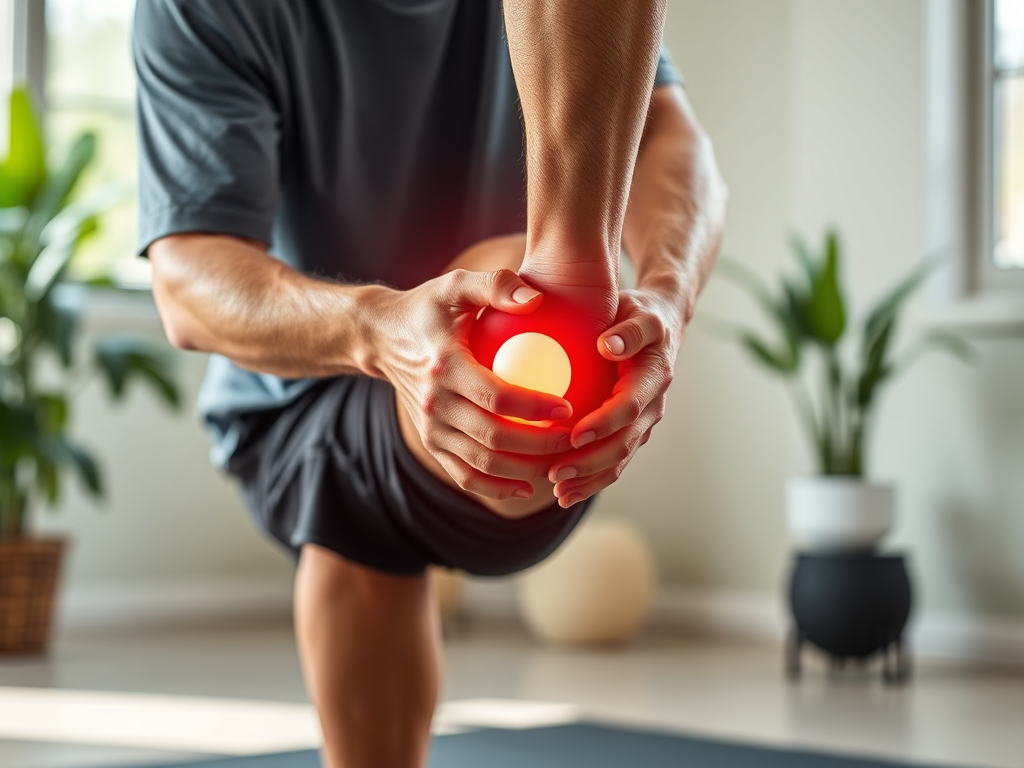
Effective lifestyle changes for chronic joint pain include adopting a balanced diet, engaging in regular low-impact exercise, and maintaining a healthy weight. These strategies can reduce inflammation, improve mobility, and enhance overall joint function. Incorporating anti-inflammatory foods, such as fatty fish and leafy greens, alongside consistent physical activity can significantly alleviate discomfort and promote better joint health over time.
Dietary Adjustments for Joint Health
Diet plays a crucial role in managing chronic joint pain, primarily through its impact on inflammation. Incorporating anti-inflammatory foods such as fatty fish, nuts, seeds, and leafy greens can significantly benefit joint health. Omega-3 fatty acids found in fish like salmon and mackerel, as well as in flaxseeds and walnuts, have been shown to reduce inflammation and joint stiffness.
Additionally, maintaining a balanced diet that includes a variety of fruits and vegetables not only provides essential vitamins and minerals but also antioxidants that combat oxidative stress in the body. Foods rich in vitamin C, such as oranges and bell peppers, support collagen production, which is vital for maintaining cartilage health.
However, it’s essential to limit the intake of processed foods high in sugar and unhealthy fats, as these can exacerbate inflammation. For example, sugary snacks, fried foods, and refined carbohydrates should be minimized or eliminated from your diet. This dietary shift can lead to reduced pain levels and improved mobility over time.
When making these dietary adjustments, a common mistake is expecting immediate results. Dietary changes may take time to manifest in terms of pain relief and improved joint function. Thus, it’s important to be patient and consistent with your new eating habits.
Dietary Adjustments for Joint Health matters because it turns effective lifestyle changes for chronic joint pain from a broad idea into a decision the reader can actually apply. The practical difference usually shows up in the details: how much is needed, when the choice is made, what tradeoff is acceptable, and what sign shows the approach is working. For nutrition topics, the strongest advice connects portion size, food quality, timing, and recovery instead of treating every meal as a fixed serving.
A useful way to handle this section is to compare the normal baseline with the situation that creates extra demand. If joint is the baseline concern, then pain becomes the adjustment point and dietary becomes the outcome to watch. That keeps the advice specific without forcing the reader into a rigid formula that may not fit their routine, budget, tolerance, schedule, or current level of experience.
The most common mistake is changing too many variables at once. A better approach is to choose one measurable adjustment, use it consistently long enough to see a pattern, and then refine the next step based on energy, comfort, performance, safety, or reliability. This makes the guidance easier to trust because the reader can connect the recommendation to what they observe rather than guessing from a generic checklist.
The practical takeaway is to make the section actionable: identify the main constraint, choose the smallest useful change, and compare the result against the goal. When the outcome improves, the reader can keep the approach. When it does not, the next change should target the most likely bottleneck rather than repeating the same step with more effort.
Exercise Routines to Alleviate Pain
Regular physical activity is essential for managing chronic joint pain and enhancing overall joint function. Low-impact exercises such as swimming, cycling, and walking can help strengthen the muscles surrounding the joints, providing better support and reducing strain. These activities are gentle on the joints and can be done consistently without causing further pain.
Strength training is also beneficial, as it can help build muscle mass, which in turn supports joint stability. Incorporating resistance bands or light weights into your routine can enhance strength without overwhelming your joints. It is essential to start slowly and gradually increase intensity to avoid injury.
Stretching exercises, such as yoga or tai chi, can improve flexibility and range of motion, making daily activities easier and less painful. These practices not only promote physical health but also contribute to mental well-being, helping to reduce stress, which can exacerbate pain.
A common pitfall in exercise routines is overexertion. Many individuals with chronic joint pain may push themselves too hard, leading to increased pain and potential injury. It is vital to listen to your body and adapt your exercise routine based on your comfort level, ensuring that you maintain a balance between activity and rest.
Exercise Routines to Alleviate Pain matters because it turns effective lifestyle changes for chronic joint pain from a broad idea into a decision the reader can actually apply. The practical difference usually shows up in the details: how much is needed, when the choice is made, what tradeoff is acceptable, and what sign shows the approach is working. For nutrition topics, the strongest advice connects portion size, food quality, timing, and recovery instead of treating every meal as a fixed serving.
A useful way to handle this section is to compare the normal baseline with the situation that creates extra demand. If pain is the baseline concern, then joint becomes the adjustment point and chronic becomes the outcome to watch. That keeps the advice specific without forcing the reader into a rigid formula that may not fit their routine, budget, tolerance, schedule, or current level of experience.
Stress Management Techniques
Chronic stress can significantly impact pain perception and overall health, making stress management a critical aspect of managing joint pain. Techniques such as mindfulness meditation, deep breathing exercises, and progressive muscle relaxation can help reduce stress levels and enhance mental clarity.
Mindfulness meditation encourages individuals to focus on the present moment, which can help break the cycle of negative thoughts related to pain. Additionally, practicing yoga not only aids in stretching and strengthening but also incorporates mindfulness, providing a dual benefit for those suffering from joint pain.
Regular participation in leisure activities, such as painting, gardening, or reading, can also serve as effective stress relievers. Engaging in hobbies that bring joy can help shift focus away from pain and promote a more positive mindset.
However, a common misconception is that stress management techniques alone can eliminate pain. While they can significantly improve your response to pain and enhance overall quality of life, they should be used in conjunction with dietary and exercise changes for optimal results.
Stress Management Techniques matters because it turns effective lifestyle changes for chronic joint pain from a broad idea into a decision the reader can actually apply. The practical difference usually shows up in the details: how much is needed, when the choice is made, what tradeoff is acceptable, and what sign shows the approach is working. For nutrition topics, the strongest advice connects portion size, food quality, timing, and recovery instead of treating every meal as a fixed serving.
A useful way to handle this section is to compare the normal baseline with the situation that creates extra demand. If pain is the baseline concern, then stress becomes the adjustment point and joint becomes the outcome to watch. That keeps the advice specific without forcing the reader into a rigid formula that may not fit their routine, budget, tolerance, schedule, or current level of experience.
Monitoring and Adjusting Your Lifestyle Changes
Implementing effective lifestyle changes for chronic joint pain requires ongoing monitoring and adjustments. Keeping a journal to track dietary intake, exercise routines, and pain levels can provide valuable insights into what strategies are working and what needs modification. This practice helps identify patterns and triggers that may exacerbate pain.

Regular check-ins with healthcare professionals can also guide adjustments to your lifestyle changes. They can provide personalized recommendations based on your progress and any emerging needs. For instance, a physical therapist can help refine your exercise regimen to ensure it aligns with your evolving capabilities.
Being open to change is crucial. If a particular dietary adjustment or exercise routine does not yield the desired results, it may be necessary to explore alternatives. Flexibility in your approach can lead to more effective management of chronic joint pain over time.
For those seeking additional resources, consider exploring reputable health organizations and research articles that focus on nutrition, exercise, and pain management strategies. Websites such as the Arthritis Foundation and the National Institute of Arthritis and Musculoskeletal and Skin Diseases offer valuable information and support.
Monitoring and Adjusting Your Lifestyle Changes matters because it turns effective lifestyle changes for chronic joint pain from a broad idea into a decision the reader can actually apply. The practical difference usually shows up in the details: how much is needed, when the choice is made, what tradeoff is acceptable, and what sign shows the approach is working. For nutrition topics, the strongest advice connects portion size, food quality, timing, and recovery instead of treating every meal as a fixed serving.
A useful way to handle this section is to compare the normal baseline with the situation that creates extra demand. If pain is the baseline concern, then lifestyle becomes the adjustment point and changes becomes the outcome to watch. That keeps the advice specific without forcing the reader into a rigid formula that may not fit their routine, budget, tolerance, schedule, or current level of experience.
Frequently Asked Questions
What are some effective dietary changes for joint pain?
Incorporate anti-inflammatory foods like fatty fish, nuts, and leafy greens while avoiding processed foods high in sugar and unhealthy fats.
How can exercise help with chronic joint pain?
Low-impact exercises strengthen muscles around joints, improve flexibility, and reduce pain without causing further strain.
What stress management techniques can benefit joint health?
Mindfulness meditation, yoga, and engaging in leisure activities can help lower stress levels, which may improve pain perception.
How do I know if my lifestyle changes are effective?
Keep a journal to track your diet, exercise, and pain levels, which can help identify what is working and what needs adjustment.
Can I manage joint pain without medication?
Many individuals find relief through lifestyle changes such as diet, exercise, and stress management, but it's essential to consult with a healthcare professional for personalized advice.
Conclusion
Managing chronic joint pain effectively involves a multi-faceted approach that includes dietary adjustments, regular exercise, and stress management techniques. By making consistent lifestyle changes and monitoring their impact, individuals can significantly improve their quality of life. It’s essential to remain patient and flexible, adapting strategies as needed to find what works best for you. Seeking guidance from healthcare professionals can further enhance your efforts in managing joint pain.