
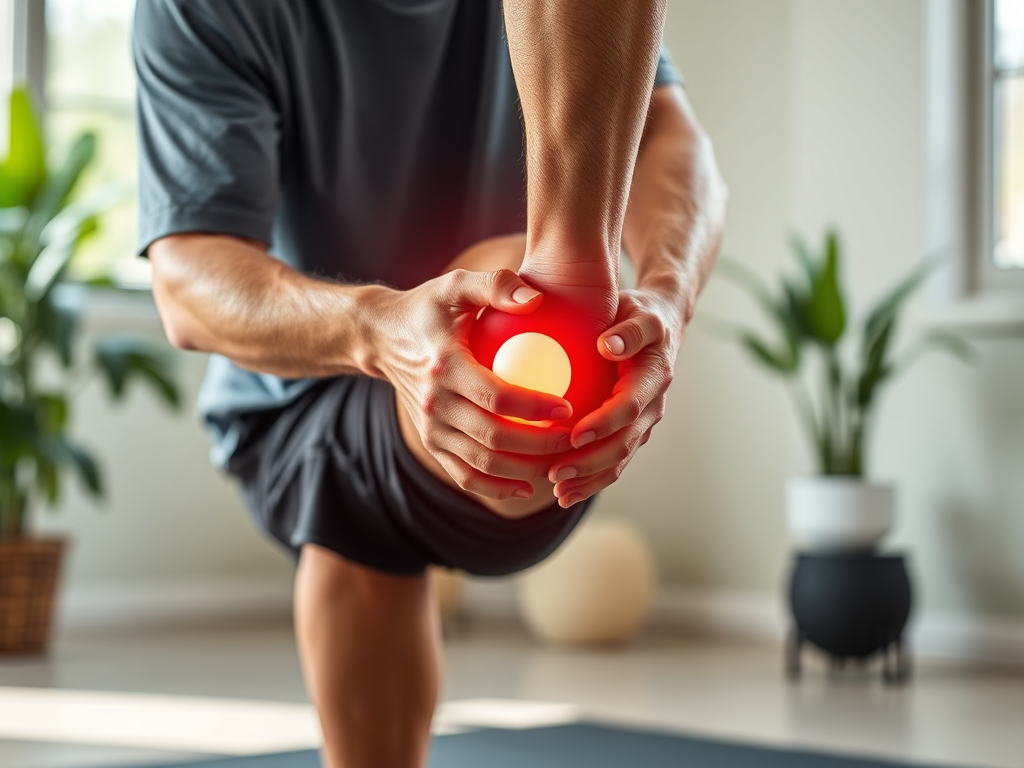
To improve joint function after injury, focus on a structured rehabilitation program that includes strength training, flexibility exercises, and proper nutrition. Engaging in low-impact activities like swimming or cycling can enhance mobility without stressing the joint. It's crucial to stick to a gradual progression of intensity and seek professional guidance to avoid setbacks. Consistent practice and patience are essential for recovery.
Understanding Joint Function and Recovery
Joint function refers to the ability of joints to move freely and efficiently, which is crucial for overall mobility and quality of life. After an injury, the joint may experience pain, swelling, and stiffness, significantly impeding its function. Understanding the mechanics of joint recovery is essential for effective rehabilitation. This process typically involves inflammation reduction, pain management, and gradual restoration of range of motion.
Injuries can cause both physical and psychological barriers to recovery. Physical barriers include limitations in mobility and strength, while psychological barriers may stem from fear of reinjury. A comprehensive rehabilitation plan should address these aspects to foster a successful recovery.
Understanding Joint Function and Recovery matters because it turns improve joint function after injury from a broad idea into a decision the reader can actually apply. The practical difference usually shows up in the details: how much is needed, when the choice is made, what tradeoff is acceptable, and what sign shows the approach is working. For nutrition topics, the strongest advice connects portion size, food quality, timing, and recovery instead of treating every meal as a fixed serving.
A useful way to handle this section is to compare the normal baseline with the situation that creates extra demand. If joint is the baseline concern, then function becomes the adjustment point and recovery becomes the outcome to watch. That keeps the advice specific without forcing the reader into a rigid formula that may not fit their routine, budget, tolerance, schedule, or current level of experience.
The most common mistake is changing too many variables at once. A better approach is to choose one measurable adjustment, use it consistently long enough to see a pattern, and then refine the next step based on energy, comfort, performance, safety, or reliability. This makes the guidance easier to trust because the reader can connect the recommendation to what they observe rather than guessing from a generic checklist.
The practical takeaway is to make the section actionable: identify the main constraint, choose the smallest useful change, and compare the result against the goal. When the outcome improves, the reader can keep the approach. When it does not, the next change should target the most likely bottleneck rather than repeating the same step with more effort.
Rehabilitation Techniques for Joint Function
Rehabilitation techniques for improving joint function after an injury primarily focus on restoring strength, flexibility, and stability. One effective approach is the use of physical therapy, which typically involves personalized exercise regimens tailored to the specific injury and individual’s needs. Physical therapists can assess the joint’s condition and design a plan that incorporates both passive and active movements.
Joint mobilization techniques can also be beneficial. These involve the therapist applying gentle movements to the joint to improve its range of motion and reduce stiffness. Additionally, modalities such as ultrasound therapy and electrical stimulation may aid in reducing pain and inflammation, facilitating a smoother rehabilitation process.
Another crucial aspect of rehabilitation is the incorporation of functional training, which focuses on movements that replicate daily activities. This approach helps patients regain confidence in their joint’s capabilities and prepares them for a return to normal activities.
Rehabilitation Techniques for Joint Function matters because it turns improve joint function after injury from a broad idea into a decision the reader can actually apply. The practical difference usually shows up in the details: how much is needed, when the choice is made, what tradeoff is acceptable, and what sign shows the approach is working. For nutrition topics, the strongest advice connects portion size, food quality, timing, and recovery instead of treating every meal as a fixed serving.
A useful way to handle this section is to compare the normal baseline with the situation that creates extra demand. If joint is the baseline concern, then rehabilitation becomes the adjustment point and function becomes the outcome to watch. That keeps the advice specific without forcing the reader into a rigid formula that may not fit their routine, budget, tolerance, schedule, or current level of experience.
The most common mistake is changing too many variables at once. A better approach is to choose one measurable adjustment, use it consistently long enough to see a pattern, and then refine the next step based on energy, comfort, performance, safety, or reliability. This makes the guidance easier to trust because the reader can connect the recommendation to what they observe rather than guessing from a generic checklist.
The practical takeaway is to make the section actionable: identify the main constraint, choose the smallest useful change, and compare the result against the goal. When the outcome improves, the reader can keep the approach. When it does not, the next change should target the most likely bottleneck rather than repeating the same step with more effort.
Effective Exercises to Restore Mobility
Incorporating specific exercises is vital in the journey to improve joint function after injury. These exercises can be categorized into three main types: flexibility, strength, and stability exercises.
Flexibility exercises involve stretching the muscles around the joint to enhance its range of motion. For example, for a knee injury, gentle quadriceps and hamstring stretches can help reduce tension and improve mobility. Strength exercises, such as leg lifts or resistance band workouts, focus on rebuilding muscle strength around the joint, which is essential for support and stability.
Stability exercises, including balance training, are crucial to prevent future injuries. Activities like single-leg stands or using balance boards supports proprioception and joint stability. It’s important to progress gradually, ensuring the joint can handle increased activity levels without discomfort.
Effective Exercises to Restore Mobility matters because it turns improve joint function after injury from a broad idea into a decision the reader can actually apply. The practical difference usually shows up in the details: how much is needed, when the choice is made, what tradeoff is acceptable, and what sign shows the approach is working. For nutrition topics, the strongest advice connects portion size, food quality, timing, and recovery instead of treating every meal as a fixed serving.
A useful way to handle this section is to compare the normal baseline with the situation that creates extra demand. If exercises is the baseline concern, then joint becomes the adjustment point and improve becomes the outcome to watch. That keeps the advice specific without forcing the reader into a rigid formula that may not fit their routine, budget, tolerance, schedule, or current level of experience.
The most common mistake is changing too many variables at once. A better approach is to choose one measurable adjustment, use it consistently long enough to see a pattern, and then refine the next step based on energy, comfort, performance, safety, or reliability. This makes the guidance easier to trust because the reader can connect the recommendation to what they observe rather than guessing from a generic checklist.
Nutrition’s Role in Joint Recovery
Nutrition plays a significant role in the recovery of joint function after injury. A well-balanced diet rich in anti-inflammatory foods can help support healing. Foods high in omega-3 fatty acids, such as fatty fish, walnuts, and flaxseeds, have been shown to reduce inflammation and promote joint health.
Additionally, incorporating antioxidants found in fruits and vegetables can aid in reducing oxidative stress on the joints. Vitamins C and D, along with minerals like calcium and magnesium, are essential for maintaining healthy bones and connective tissues. Proper hydration is also critical; water helps maintain joint lubrication and function.
To support recovery, consider consulting a nutritionist who can provide personalized dietary recommendations that align with your rehabilitation goals. This holistic approach ensures that both physical rehabilitation and nutritional support work in tandem to restore joint function effectively.

Nutrition's Role in Joint Recovery matters because it turns improve joint function after injury from a broad idea into a decision the reader can actually apply. The practical difference usually shows up in the details: how much is needed, when the choice is made, what tradeoff is acceptable, and what sign shows the approach is working. For nutrition topics, the strongest advice connects portion size, food quality, timing, and recovery instead of treating every meal as a fixed serving.
A useful way to handle this section is to compare the normal baseline with the situation that creates extra demand. If joint is the baseline concern, then function becomes the adjustment point and injury becomes the outcome to watch. That keeps the advice specific without forcing the reader into a rigid formula that may not fit their routine, budget, tolerance, schedule, or current level of experience.
Frequently Asked Questions
What are the first steps to take after a joint injury?
The first steps include resting the joint, applying ice to reduce swelling, and elevating the affected area. Seeking medical advice for a proper assessment is also crucial.
How long does it take to recover joint function after an injury?
Recovery time varies based on the severity of the injury; it can take a few weeks to several months. Adhering to a rehabilitation program can expedite healing.
Are there specific exercises to avoid after a joint injury?
High-impact activities and exercises that cause pain should be avoided initially. Consult a healthcare provider for personalized exercise recommendations.
Can nutrition really affect joint recovery?
Yes, a balanced diet rich in anti-inflammatory foods can support healing and reduce inflammation, aiding in faster recovery of joint function.
When should I see a doctor for my joint injury?
If you experience severe pain, swelling, or inability to move the joint, seek medical attention immediately to assess the injury and receive appropriate treatment.
Conclusion
Improving joint function after injury requires a multifaceted approach involving rehabilitation techniques, targeted exercises, and proper nutrition. By understanding the recovery process and actively participating in a structured rehabilitation program, individuals can enhance their chances of regaining full joint functionality. Prioritize gradual progression in activities, and don’t hesitate to seek professional guidance to navigate your recovery effectively.