
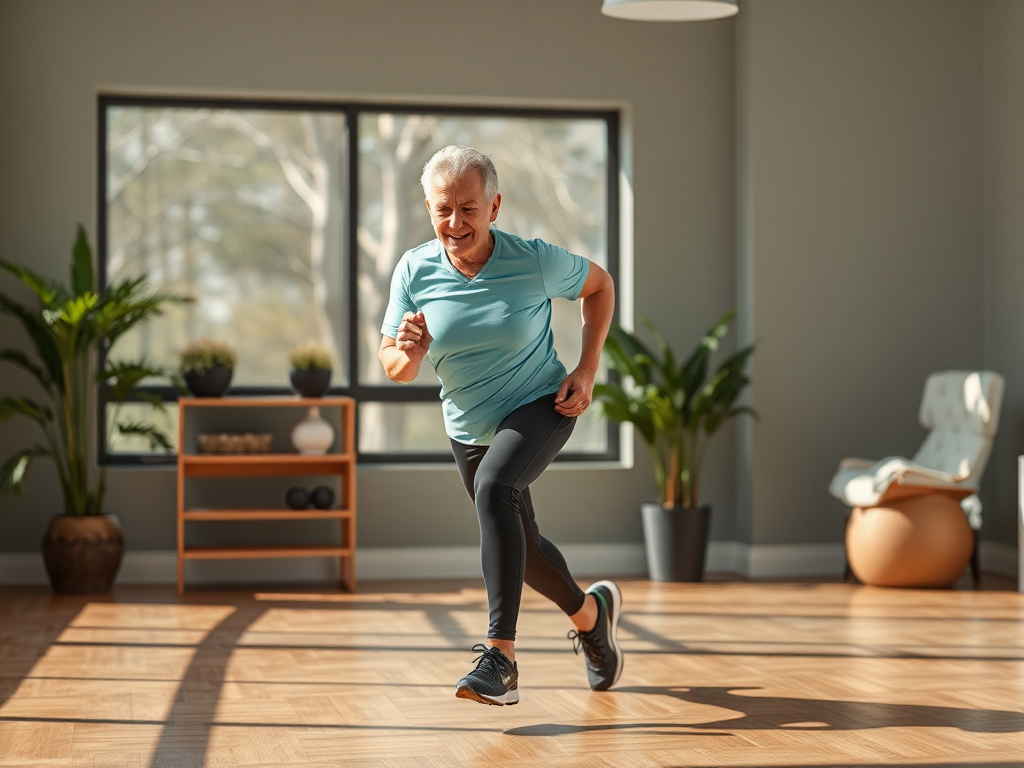
The role of physical activity in joint pain management is crucial, as regular exercise can improve joint function, reduce stiffness, and alleviate pain. Engaging in low-impact activities like swimming, walking, and cycling strengthens muscles around the joints, enhances flexibility, and promotes overall mobility. It is essential to tailor exercise programs to individual capabilities to avoid overexertion, which can lead to increased discomfort. Incorporating physical activity as a routine can significantly enhance quality of life for those experiencing joint pain.
Understanding Joint Pain and Its Causes
Joint pain can arise from various conditions, including arthritis, injuries, and wear and tear associated with aging. Understanding the underlying causes of joint pain is essential for effective management. Common causes include inflammation, injury, and degenerative diseases, which can lead to chronic discomfort and reduced mobility. Each condition may require a different approach to management, especially concerning physical activity.
For instance, osteoarthritis results from the breakdown of cartilage, leading to pain and stiffness, while rheumatoid arthritis is an autoimmune condition that causes inflammation in the joints. Identifying the cause of joint pain is vital, as it influences the type and intensity of physical activity a person can safely engage in.
Understanding Joint Pain and Its Causes matters because it turns the role of physical activity in joint pain management from a broad idea into a decision the reader can actually apply. The practical difference usually shows up in the details: how much is needed, when the choice is made, what tradeoff is acceptable, and what sign shows the approach is working. For nutrition topics, the strongest advice connects portion size, food quality, timing, and recovery instead of treating every meal as a fixed serving.
A useful way to handle this section is to compare the normal baseline with the situation that creates extra demand. If pain is the baseline concern, then joint becomes the adjustment point and physical becomes the outcome to watch. That keeps the advice specific without forcing the reader into a rigid formula that may not fit their routine, budget, tolerance, schedule, or current level of experience.
The most common mistake is changing too many variables at once. A better approach is to choose one measurable adjustment, use it consistently long enough to see a pattern, and then refine the next step based on energy, comfort, performance, safety, or reliability. This makes the guidance easier to trust because the reader can connect the recommendation to what they observe rather than guessing from a generic checklist.
The practical takeaway is to make the section actionable: identify the main constraint, choose the smallest useful change, and compare the result against the goal. When the outcome improves, the reader can keep the approach. When it does not, the next change should target the most likely bottleneck rather than repeating the same step with more effort.
How Physical Activity Benefits Joint Health
Engaging in physical activity plays a significant role in managing joint pain. Regular exercise can enhance joint function, improve muscle strength, and increase flexibility, all of which contribute to reducing pain and stiffness. When muscles around the joints are strengthened, they provide better support, which can alleviate pressure on the joints themselves.
Additionally, physical activity stimulates the production of synovial fluid, which lubricates the joints and reduces friction. This lubrication is crucial for maintaining joint health, especially in individuals with conditions like arthritis. Moreover, exercise can lead to weight management, which is particularly beneficial for weight-bearing joints such as the knees and hips. Excess weight can exacerbate joint pain, so maintaining a healthy weight through physical activity is an essential strategy.
How Physical Activity Benefits Joint Health matters because it turns the role of physical activity in joint pain management from a broad idea into a decision the reader can actually apply. The practical difference usually shows up in the details: how much is needed, when the choice is made, what tradeoff is acceptable, and what sign shows the approach is working. For nutrition topics, the strongest advice connects portion size, food quality, timing, and recovery instead of treating every meal as a fixed serving.
A useful way to handle this section is to compare the normal baseline with the situation that creates extra demand. If joint is the baseline concern, then physical becomes the adjustment point and activity becomes the outcome to watch. That keeps the advice specific without forcing the reader into a rigid formula that may not fit their routine, budget, tolerance, schedule, or current level of experience.
The most common mistake is changing too many variables at once. A better approach is to choose one measurable adjustment, use it consistently long enough to see a pattern, and then refine the next step based on energy, comfort, performance, safety, or reliability. This makes the guidance easier to trust because the reader can connect the recommendation to what they observe rather than guessing from a generic checklist.
The practical takeaway is to make the section actionable: identify the main constraint, choose the smallest useful change, and compare the result against the goal. When the outcome improves, the reader can keep the approach. When it does not, the next change should target the most likely bottleneck rather than repeating the same step with more effort.
Recommended Exercises for Joint Pain Management
When considering the role of physical activity in joint pain management, selecting appropriate exercises is critical. Low-impact activities are generally recommended, as they minimize stress on the joints while still providing significant benefits. Here are some effective exercises:
- Swimming: This is an excellent choice for individuals with joint pain since the buoyancy of water reduces stress on the joints while allowing for a full range of motion.
- Walking: A simple yet effective way to stay active, walking can be easily adjusted in pace and distance to match individual capabilities.
- Cycling: Whether on a stationary bike or outdoors, cycling helps strengthen the leg muscles without putting undue strain on the knees and hips.
- Yoga: Incorporating gentle yoga can enhance flexibility, balance, and strength, while also promoting relaxation and reducing stress.
- Resistance Training: Light resistance training, using bands or weights, can help build muscle strength, which supports joint stability.
It is crucial to consult with a healthcare provider or physical therapist before starting any new exercise program, especially for those with existing joint issues. They can provide personalized recommendations based on individual health status and pain levels.
Recommended Exercises for Joint Pain Management matters because it turns the role of physical activity in joint pain management from a broad idea into a decision the reader can actually apply. The practical difference usually shows up in the details: how much is needed, when the choice is made, what tradeoff is acceptable, and what sign shows the approach is working. For nutrition topics, the strongest advice connects portion size, food quality, timing, and recovery instead of treating every meal as a fixed serving.
A useful way to handle this section is to compare the normal baseline with the situation that creates extra demand. If joint is the baseline concern, then pain becomes the adjustment point and physical becomes the outcome to watch. That keeps the advice specific without forcing the reader into a rigid formula that may not fit their routine, budget, tolerance, schedule, or current level of experience.
Common Mistakes to Avoid in Exercise Routines
While physical activity is beneficial for managing joint pain, there are common mistakes that individuals should avoid to ensure safety and effectiveness. One significant error is overexertion, which can lead to increased pain and inflammation. It is vital to listen to one’s body and adjust activity levels accordingly.

Another mistake is neglecting warm-up and cool-down routines. Proper warm-ups prepare the muscles and joints for exercise, while cool-downs help in recovery. Skipping these steps can increase the risk of injury.
Additionally, focusing solely on high-impact activities can exacerbate joint pain. Instead, incorporating a variety of low-impact exercises is essential for balanced joint health. Lastly, failing to stay hydrated can impact overall performance and recovery, so it’s important to drink water before, during, and after exercising.
Common Mistakes to Avoid in Exercise Routines matters because it turns the role of physical activity in joint pain management from a broad idea into a decision the reader can actually prevent. The practical difference usually shows up in the details: how much is needed, when the choice is made, what tradeoff is acceptable, and what sign shows the approach is working. For nutrition topics, the strongest advice connects portion size, food quality, timing, and recovery instead of treating every meal as a fixed serving.
A useful way to handle this section is to compare the normal baseline with the situation that creates extra demand. If joint is the baseline concern, then pain becomes the adjustment point and activity becomes the outcome to watch. That keeps the advice specific without forcing the reader into a rigid formula that may not fit their routine, budget, tolerance, schedule, or current level of experience.