
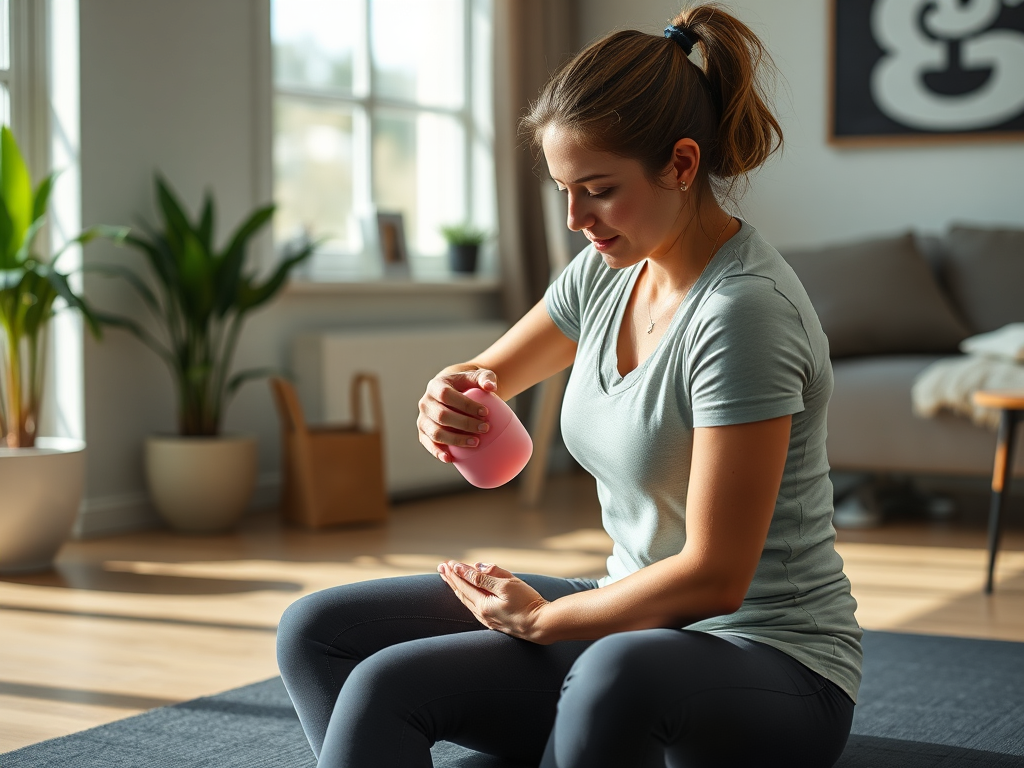
To deal with joint pain after an injury, focus on gentle mobility exercises, apply ice or heat for relief, and consider anti-inflammatory medications as needed. Gradually increase activity and consult a healthcare professional for tailored guidance. Prioritize rest and listen to your body to avoid exacerbating the pain.
Understanding Joint Pain After Injury
Joint pain after an injury is a common issue that can arise from various causes, including sprains, strains, or fractures. Understanding the underlying mechanisms is crucial for effective management. When you injure a joint, inflammation can occur, leading to swelling, stiffness, and pain. This response is part of the body’s natural healing process, but it can also hinder recovery if not managed properly.
Common misconceptions include the belief that complete immobilization is necessary. While rest is important, excessive inactivity can lead to stiffness and prolonged recovery. Instead, a balanced approach that includes gentle movement is often more beneficial. Recognizing the signs of joint pain and understanding its causes can empower you to take appropriate action and enhance your recovery journey.
Understanding Joint Pain After Injury matters because it turns deal with joint pain after injury from a broad idea into a decision the reader can actually coordinate. The practical difference usually shows up in the details: how much is needed, when the choice is made, what tradeoff is acceptable, and what sign shows the approach is working. For nutrition topics, the strongest advice connects portion size, food quality, timing, and recovery instead of treating every meal as a fixed serving.
A useful way to handle this section is to compare the normal baseline with the situation that creates extra demand. If joint is the baseline concern, then pain becomes the adjustment point and injury becomes the outcome to watch. That keeps the advice specific without forcing the reader into a rigid formula that may not fit their routine, budget, tolerance, schedule, or current level of experience.
The most common mistake is changing too many variables at once. A better approach is to choose one measurable adjustment, use it consistently long enough to see a pattern, and then refine the next step based on energy, comfort, performance, safety, or reliability. This makes the guidance easier to trust because the reader can connect the recommendation to what they observe rather than guessing from a generic checklist.
The practical takeaway is to make the section actionable: identify the main constraint, choose the smallest useful change, and compare the result against the goal. When the outcome improves, the reader can keep the approach. When it does not, the next change should target the most likely bottleneck rather than repeating the same step with more effort.
Effective Recovery Strategies
To effectively deal with joint pain post-injury, implement a multi-faceted recovery strategy. Start with the RICE method: Rest, Ice, Compression, and Elevation. Rest allows your body to heal, while ice can reduce swelling and numb pain. Compression garments can help manage swelling, and elevating the injured area can further decrease inflammation.
In addition to RICE, consider incorporating anti-inflammatory medications, such as ibuprofen or naproxen, but consult a healthcare provider for personalized advice. Gradual reintroduction of movement is key; begin with range-of-motion exercises that do not exacerbate pain. This can help maintain flexibility and prevent stiffness.
Another effective strategy is to incorporate heat treatments after the initial swelling has subsided. Heat can help relax and loosen tissues, enhancing blood flow to the area, which promotes healing. Always listen to your body and avoid pushing through pain, as this can lead to setbacks in your recovery.
Effective Recovery Strategies matters because it turns deal with joint pain after injury from a broad idea into a decision the reader can actually apply. The practical difference usually shows up in the details: how much is needed, when the choice is made, what tradeoff is acceptable, and what sign shows the approach is working. For nutrition topics, the strongest advice connects portion size, food quality, timing, and recovery instead of treating every meal as a fixed serving.
A useful way to handle this section is to compare the normal baseline with the situation that creates extra demand. If pain is the baseline concern, then recovery becomes the adjustment point and deal becomes the outcome to watch. That keeps the advice specific without forcing the reader into a rigid formula that may not fit their routine, budget, tolerance, schedule, or current level of experience.
The most common mistake is changing too many variables at once. A better approach is to choose one measurable adjustment, use it consistently long enough to see a pattern, and then refine the next step based on energy, comfort, performance, safety, or reliability. This makes the guidance easier to trust because the reader can connect the recommendation to what they observe rather than guessing from a generic checklist.
Exercises to Alleviate Pain
Engaging in specific exercises can significantly aid in managing joint pain after an injury. Start with low-impact activities such as swimming or cycling, which place less stress on the joints while still promoting mobility. These activities can help strengthen the muscles surrounding the joint, providing better support.
Flexibility exercises, such as gentle stretching or yoga, can also be beneficial. These practices improve range of motion and reduce stiffness. Focus on stretches that target the injured joint and surrounding muscles, ensuring you perform them gently to avoid further injury.
As you progress, incorporate strength training exercises. Start with bodyweight movements and gradually add resistance as your strength improves. Strengthening the muscles around the joint reduces the load on the joint itself, which can alleviate pain over time. Always consult a physical therapist or healthcare provider before beginning a new exercise regimen to ensure it is appropriate for your specific injury.
Exercises to Alleviate Pain matters because it turns deal with joint pain after injury from a broad idea into a decision the reader can actually apply. The practical difference usually shows up in the details: how much is needed, when the choice is made, what tradeoff is acceptable, and what sign shows the approach is working. For nutrition topics, the strongest advice connects portion size, food quality, timing, and recovery instead of treating every meal as a fixed serving.
A useful way to handle this section is to compare the normal baseline with the situation that creates extra demand. If joint is the baseline concern, then pain becomes the adjustment point and injury becomes the outcome to watch. That keeps the advice specific without forcing the reader into a rigid formula that may not fit their routine, budget, tolerance, schedule, or current level of experience.
When to Seek Professional Help
While many cases of joint pain can be managed at home, there are situations where professional help is essential. If you experience severe pain, significant swelling, or inability to move the joint, seek medical attention immediately. These symptoms may indicate a more serious injury, such as a fracture or ligament tear.
Additionally, if your pain persists despite following home care strategies, it is advisable to consult a healthcare professional. They can provide a thorough evaluation and suggest tailored treatment options, including physical therapy, medication adjustments, or imaging studies to assess the extent of the injury.
Monitoring your recovery progress is vital. If you notice any worsening symptoms or new issues arising, don’t hesitate to reach out for help. Early intervention can prevent further complications and enhance your recovery outcomes.

For additional insights on managing joint pain after injury, consider exploring resources from reputable health organizations such as the National Institutes of Health and Arthritis Foundation.
When to Seek Professional Help matters because it turns deal with joint pain after injury from a broad idea into a decision the reader can actually coordinate. The practical difference usually shows up in the details: how much is needed, when the choice is made, what tradeoff is acceptable, and what sign shows the approach is working. For nutrition topics, the strongest advice connects portion size, food quality, timing, and recovery instead of treating every meal as a fixed serving.
A useful way to handle this section is to compare the normal baseline with the situation that creates extra demand. If pain is the baseline concern, then joint becomes the adjustment point and injury becomes the outcome to watch. That keeps the advice specific without forcing the reader into a rigid formula that may not fit their routine, budget, tolerance, schedule, or current level of experience.
Frequently Asked Questions
What are common causes of joint pain after an injury?
Common causes include sprains, strains, fractures, and inflammation from the body's healing response.
How long does joint pain last after an injury?
Duration varies based on the severity of the injury, but mild pain may last a few days to weeks, while more severe cases can take longer to heal.
Are there exercises I should avoid with joint pain?
Avoid high-impact or repetitive strain activities that exacerbate pain, such as running or heavy lifting.
Can I use ice and heat together?
Yes, use ice during the first 48 hours to reduce swelling, then apply heat to relax tissues and improve blood flow.
When should I consider seeing a doctor for joint pain?
Seek medical help if pain is severe, swelling is significant, or if you cannot move the joint properly.
Conclusion
Managing joint pain after an injury requires a balanced approach that includes effective recovery strategies, gentle exercises, and awareness of when to seek professional help. By understanding the mechanics behind joint pain and implementing appropriate techniques, you can enhance your recovery process. Always prioritize listening to your body and consult healthcare professionals for tailored advice to ensure optimal healing.