
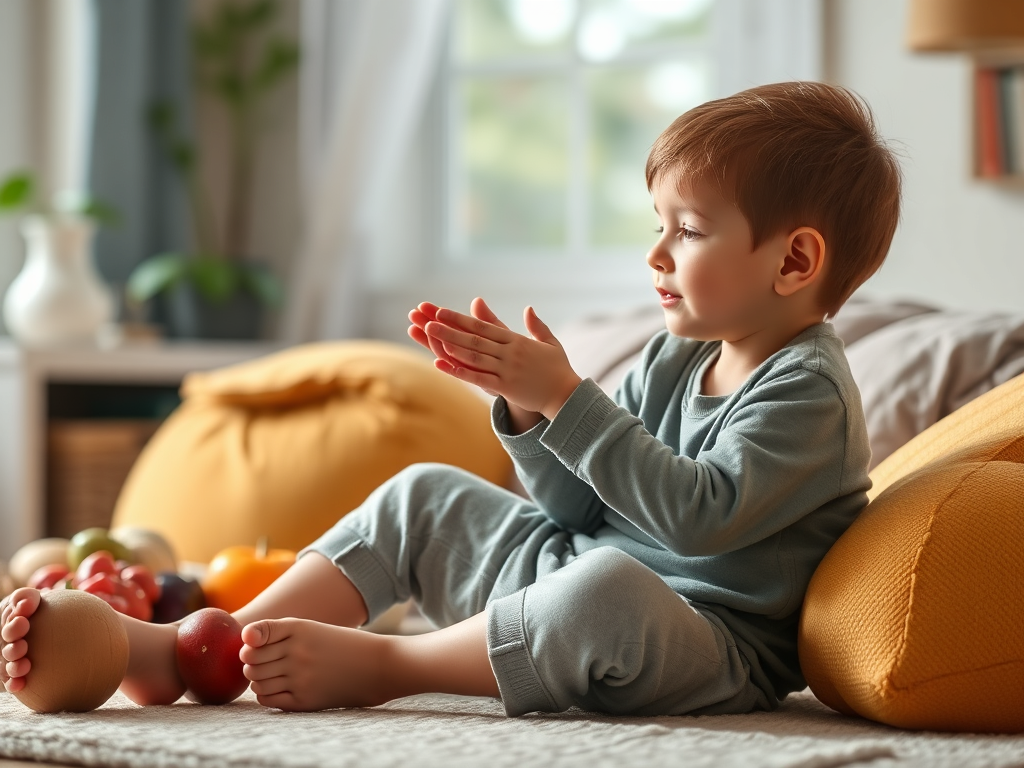
Natural remedies for joint pain in children include anti-inflammatory foods, gentle exercises, and proper hydration. Incorporating foods rich in omega-3 fatty acids, such as salmon and walnuts, can help reduce inflammation. Gentle activities like swimming or yoga can promote mobility without overexertion. Additionally, ensuring adequate fluid intake supports joint lubrication and overall health.
Understanding Joint Pain in Children
Joint pain in children can arise from various factors, including growth spurts, sports injuries, or underlying medical conditions. Unlike adults, children may not always express their discomfort clearly, making it essential for parents to stay vigilant. Understanding the potential causes of joint pain is crucial, as it enables timely interventions and appropriate remedies.
Many children experience joint pain during periods of rapid growth or after engaging in physical activities that may strain their developing bodies. This discomfort can manifest as stiffness, swelling, or difficulty in movement. Recognizing these symptoms early can help in managing pain effectively, allowing children to continue their daily activities without significant disruption.
Understanding Joint Pain in Children matters because it turns natural remedies for joint pain in children from a broad idea into a decision the reader can actually apply. The practical difference usually shows up in the details: how much is needed, when the choice is made, what tradeoff is acceptable, and what sign shows the approach is working. For nutrition topics, the strongest advice connects portion size, food quality, timing, and recovery instead of treating every meal as a fixed serving.
A useful way to handle this section is to compare the normal baseline with the situation that creates extra demand. If pain is the baseline concern, then children becomes the adjustment point and joint becomes the outcome to watch. That keeps the advice specific without forcing the reader into a rigid formula that may not fit their routine, budget, tolerance, schedule, or current level of experience.
The most common mistake is changing too many variables at once. A better approach is to choose one measurable adjustment, use it consistently long enough to see a pattern, and then refine the next step based on energy, comfort, performance, safety, or reliability. This makes the guidance easier to trust because the reader can connect the recommendation to what they observe rather than guessing from a generic checklist.
The practical takeaway is to make the section actionable: identify the main constraint, choose the smallest useful change, and compare the result against the goal. When the outcome improves, the reader can keep the approach. When it does not, the next change should target the most likely bottleneck rather than repeating the same step with more effort.
Anti-Inflammatory Foods to Consider
Incorporating anti-inflammatory foods into a child’s diet can significantly help alleviate joint pain. Foods rich in omega-3 fatty acids, such as salmon, flaxseeds, and walnuts, are known for their anti-inflammatory properties. These foods can help reduce swelling and improve joint function.
Additionally, fruits and vegetables high in antioxidants, like berries, cherries, and leafy greens, play a critical role in combating inflammation. These foods not only provide essential nutrients but also help protect the body’s cells from damage caused by free radicals. Parents should consider including a variety of these foods in their child’s meals to promote overall joint health.
Another effective option is turmeric, which contains curcumin, a compound with powerful anti-inflammatory effects. Adding turmeric to dishes or smoothies can enhance flavor while providing health benefits. However, it’s essential to consult a healthcare professional before introducing new supplements or significant dietary changes, especially for children.
Anti-Inflammatory Foods to Consider matters because it turns natural remedies for joint pain in children from a broad idea into a decision the reader can actually apply. The practical difference usually shows up in the details: how much is needed, when the choice is made, what tradeoff is acceptable, and what sign shows the approach is working. For nutrition topics, the strongest advice connects portion size, food quality, timing, and recovery instead of treating every meal as a fixed serving.
A useful way to handle this section is to compare the normal baseline with the situation that creates extra demand. If foods is the baseline concern, then joint becomes the adjustment point and anti-inflammatory becomes the outcome to watch. That keeps the advice specific without forcing the reader into a rigid formula that may not fit their routine, budget, tolerance, schedule, or current level of experience.
The most common mistake is changing too many variables at once. A better approach is to choose one measurable adjustment, use it consistently long enough to see a pattern, and then refine the next step based on energy, comfort, performance, safety, or reliability. This makes the guidance easier to trust because the reader can connect the recommendation to what they observe rather than guessing from a generic checklist.
The practical takeaway is to make the section actionable: identify the main constraint, choose the smallest useful change, and compare the result against the goal. When the outcome improves, the reader can keep the approach. When it does not, the next change should target the most likely bottleneck rather than repeating the same step with more effort.
Gentle Exercises for Relief
Encouraging gentle exercises can be beneficial for children experiencing joint pain. Low-impact activities such as swimming, cycling, or yoga can help strengthen the muscles around the joints and improve flexibility without putting excessive strain on the body. These exercises promote blood circulation, which is vital for healing and reducing pain.
Yoga, in particular, can be an excellent way for children to learn about body awareness and relaxation techniques. Poses that focus on stretching and strengthening can relieve tension in the joints. Parents can join in, making it a fun family activity that fosters bonding while promoting health.
It’s crucial to avoid high-impact sports or activities that could exacerbate joint pain. Instead, focus on creating a balanced routine that includes rest days and a variety of gentle exercises. Consulting a pediatric physical therapist can provide personalized exercise plans tailored to a child’s specific needs.

Gentle Exercises for Relief matters because it turns natural remedies for joint pain in children from a broad idea into a decision the reader can actually apply. The practical difference usually shows up in the details: how much is needed, when the choice is made, what tradeoff is acceptable, and what sign shows the approach is working. For nutrition topics, the strongest advice connects portion size, food quality, timing, and recovery instead of treating every meal as a fixed serving.
A useful way to handle this section is to compare the normal baseline with the situation that creates extra demand. If pain is the baseline concern, then joint becomes the adjustment point and children becomes the outcome to watch. That keeps the advice specific without forcing the reader into a rigid formula that may not fit their routine, budget, tolerance, schedule, or current level of experience.
Hydration and Its Importance
Proper hydration is often overlooked but is essential for joint health. Water helps lubricate the joints and maintain their function. Children should be encouraged to drink plenty of fluids throughout the day, especially during physical activities or hot weather.
Incorporating hydrating foods, like cucumbers, watermelon, and oranges, can also contribute to overall hydration levels. Proper hydration aids in nutrient delivery to the joints and helps flush out toxins, potentially reducing inflammation. Parents should monitor their child’s fluid intake, aiming for at least eight glasses of water daily, depending on age and activity level.
In summary, ensuring adequate hydration and a balanced diet rich in anti-inflammatory foods can significantly impact joint health. Parents play a vital role in promoting these habits, helping children manage joint pain effectively.
Hydration and Its Importance matters because it turns natural remedies for joint pain in children from a broad idea into a decision the reader can actually apply. The practical difference usually shows up in the details: how much is needed, when the choice is made, what tradeoff is acceptable, and what sign shows the approach is working. For nutrition topics, the strongest advice connects portion size, food quality, timing, and recovery instead of treating every meal as a fixed serving.
A useful way to handle this section is to compare the normal baseline with the situation that creates extra demand. If joint is the baseline concern, then hydration becomes the adjustment point and children becomes the outcome to watch. That keeps the advice specific without forcing the reader into a rigid formula that may not fit their routine, budget, tolerance, schedule, or current level of experience.
The most common mistake is changing too many variables at once. A better approach is to choose one measurable adjustment, use it consistently long enough to see a pattern, and then refine the next step based on energy, comfort, performance, safety, or reliability. This makes the guidance easier to trust because the reader can connect the recommendation to what they observe rather than guessing from a generic checklist.
Related Content
Further Reading
Authoritative Sources
- Library of Congress Research Guides
guides.loc.govResearch guides that help readers locate reliable background sources on a wide range of subjects.
- USA.gov Official Information and Services
usa.govOfficial U.S. government information and public resources for practical reference.
- Google Scholar
scholar.google.comAcademic search resource for finding research literature and source material.