
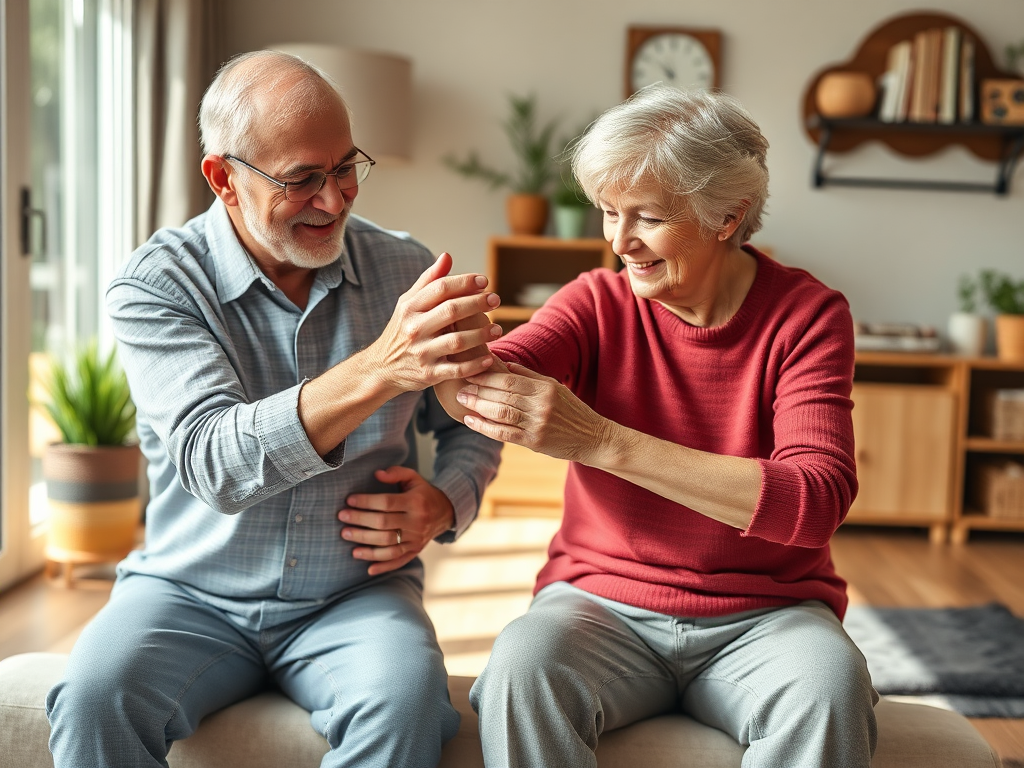
To maintain joint health while aging, focus on a balanced diet rich in omega-3 fatty acids, engage in regular low-impact exercises, and maintain a healthy weight. Incorporating foods like fatty fish, nuts, and leafy greens can help reduce inflammation. Additionally, staying active with activities such as swimming or walking can strengthen muscles around joints, while weight management reduces stress on them.
Understanding Joint Health and Aging
Joint health is crucial for maintaining mobility and quality of life as we age. As we grow older, the cartilage that cushions our joints can deteriorate, leading to conditions like osteoarthritis. This can result in pain, stiffness, and reduced movement. Understanding how aging affects our joints is the first step in taking proactive measures to maintain their health.
Age-related changes in joints often stem from the natural wear and tear on cartilage, which can be exacerbated by factors such as obesity, lack of physical activity, and poor nutrition. These changes can lead to increased inflammation in the joints, making it essential to adopt strategies that can mitigate these effects.
Understanding Joint Health and Aging matters because it turns maintain joint health while aging from a broad idea into a decision the reader can actually apply. The practical difference usually shows up in the details: how much is needed, when the choice is made, what tradeoff is acceptable, and what sign shows the approach is working. For nutrition topics, the strongest advice connects portion size, food quality, timing, and recovery instead of treating every meal as a fixed serving.
A useful way to handle this section is to compare the normal baseline with the situation that creates extra demand. If health is the baseline concern, then joint becomes the adjustment point and aging becomes the outcome to watch. That keeps the advice specific without forcing the reader into a rigid formula that may not fit their routine, budget, tolerance, schedule, or current level of experience.
The most common mistake is changing too many variables at once. A better approach is to choose one measurable adjustment, use it consistently long enough to see a pattern, and then refine the next step based on energy, comfort, performance, safety, or reliability. This makes the guidance easier to trust because the reader can connect the recommendation to what they observe rather than guessing from a generic checklist.
The practical takeaway is to make the section actionable: identify the main constraint, choose the smallest useful change, and compare the result against the goal. When the outcome improves, the reader can keep the approach. When it does not, the next change should target the most likely bottleneck rather than repeating the same step with more effort.
Nutrition for Joint Health
A balanced diet plays a vital role in maintaining joint health. Incorporating specific nutrients and foods can help reduce inflammation and support joint function. For instance, omega-3 fatty acids, found in fatty fish like salmon and mackerel, have anti-inflammatory properties that can help alleviate joint pain.
Additionally, antioxidants from fruits and vegetables, such as berries and leafy greens, can combat oxidative stress in the body, which is associated with joint deterioration. Foods rich in vitamin D and calcium, like dairy products and fortified cereals, are also essential for maintaining bone health, which is closely linked to joint health.
It’s important to avoid processed foods high in sugar and unhealthy fats, as they can contribute to inflammation and joint pain. Instead, focus on whole foods that provide the necessary nutrients to keep joints healthy and functional.
Nutrition for Joint Health matters because it turns maintain joint health while aging from a broad idea into a decision the reader can actually apply. The practical difference usually shows up in the details: how much is needed, when the choice is made, what tradeoff is acceptable, and what sign shows the approach is working. For nutrition topics, the strongest advice connects portion size, food quality, timing, and recovery instead of treating every meal as a fixed serving.
A useful way to handle this section is to compare the normal baseline with the situation that creates extra demand. If joint is the baseline concern, then health becomes the adjustment point and foods becomes the outcome to watch. That keeps the advice specific without forcing the reader into a rigid formula that may not fit their routine, budget, tolerance, schedule, or current level of experience.
The most common mistake is changing too many variables at once. A better approach is to choose one measurable adjustment, use it consistently long enough to see a pattern, and then refine the next step based on energy, comfort, performance, safety, or reliability. This makes the guidance easier to trust because the reader can connect the recommendation to what they observe rather than guessing from a generic checklist.
The practical takeaway is to make the section actionable: identify the main constraint, choose the smallest useful change, and compare the result against the goal. When the outcome improves, the reader can keep the approach. When it does not, the next change should target the most likely bottleneck rather than repeating the same step with more effort.
Exercise and Physical Activity
Regular physical activity is crucial for maintaining joint health as we age. Engaging in low-impact exercises, such as swimming, walking, or cycling, can strengthen the muscles surrounding the joints, providing better support and stability. These activities also promote flexibility and reduce stiffness.
Strength training is another beneficial aspect of an exercise routine. Building muscle can help absorb some of the stress placed on joints during daily activities. It’s important to tailor exercise programs to individual capabilities and to consult with healthcare professionals when starting new activities, especially if there are pre-existing joint issues.
Moreover, incorporating flexibility exercises, such as yoga or stretching, can enhance overall joint function and alleviate discomfort. Finding a balance between different types of exercises can lead to better joint health and improved overall well-being.

Exercise and Physical Activity matters because it turns maintain joint health while aging from a broad idea into a decision the reader can actually apply. The practical difference usually shows up in the details: how much is needed, when the choice is made, what tradeoff is acceptable, and what sign shows the approach is working. For nutrition topics, the strongest advice connects portion size, food quality, timing, and recovery instead of treating every meal as a fixed serving.
A useful way to handle this section is to compare the normal baseline with the situation that creates extra demand. If joint is the baseline concern, then health becomes the adjustment point and exercises becomes the outcome to watch. That keeps the advice specific without forcing the reader into a rigid formula that may not fit their routine, budget, tolerance, schedule, or current level of experience.
The most common mistake is changing too many variables at once. A better approach is to choose one measurable adjustment, use it consistently long enough to see a pattern, and then refine the next step based on energy, comfort, performance, safety, or reliability. This makes the guidance easier to trust because the reader can connect the recommendation to what they observe rather than guessing from a generic checklist.
Lifestyle Changes to Support Joint Function
In addition to diet and exercise, certain lifestyle changes can significantly impact joint health. Maintaining a healthy weight is crucial, as excess weight puts additional stress on weight-bearing joints, such as the knees and hips. Even modest weight loss can alleviate pressure on joints and improve mobility.
Staying hydrated is also important for joint health. Adequate hydration helps maintain synovial fluid levels, which lubricates joints and reduces friction. Avoiding smoking and limiting alcohol intake can further benefit joint health, as these habits can contribute to inflammation and worsen joint conditions.
Lastly, managing stress through mindfulness practices or relaxation techniques can also play a role in joint health. Chronic stress can lead to muscle tension and exacerbate pain, making it vital to find effective stress relief methods.
For those interested in exploring more about maintaining joint health while aging, consider looking into reputable sources like the Arthritis Foundation or the National Institutes of Health, which provide extensive information on diet, exercise, and overall joint care.
Lifestyle Changes to Support Joint Function matters because it turns maintain joint health while aging from a broad idea into a decision the reader can actually apply. The practical difference usually shows up in the details: how much is needed, when the choice is made, what tradeoff is acceptable, and what sign shows the approach is working. For nutrition topics, the strongest advice connects portion size, food quality, timing, and recovery instead of treating every meal as a fixed serving.
A useful way to handle this section is to compare the normal baseline with the situation that creates extra demand. If joint is the baseline concern, then health becomes the adjustment point and stress becomes the outcome to watch. That keeps the advice specific without forcing the reader into a rigid formula that may not fit their routine, budget, tolerance, schedule, or current level of experience.
Further Reading
Authoritative Sources
- Academy of Nutrition and Dietetics
eatright.orgProfessional nutrition guidance, healthy eating resources, and practical dietitian-reviewed advice.
- U.S. Department of Agriculture
usda.govOfficial food, nutrition, agriculture, and consumer guidance from the USDA.
- NIH Office of Dietary Supplements
ods.od.nih.govResearch-based fact sheets on nutrients, supplements, dietary intake, and safety considerations.
- International Society of Sports Nutrition
sportsnutritionsociety.orgEvidence-informed sports nutrition resources and position stands for active people and athletes.