


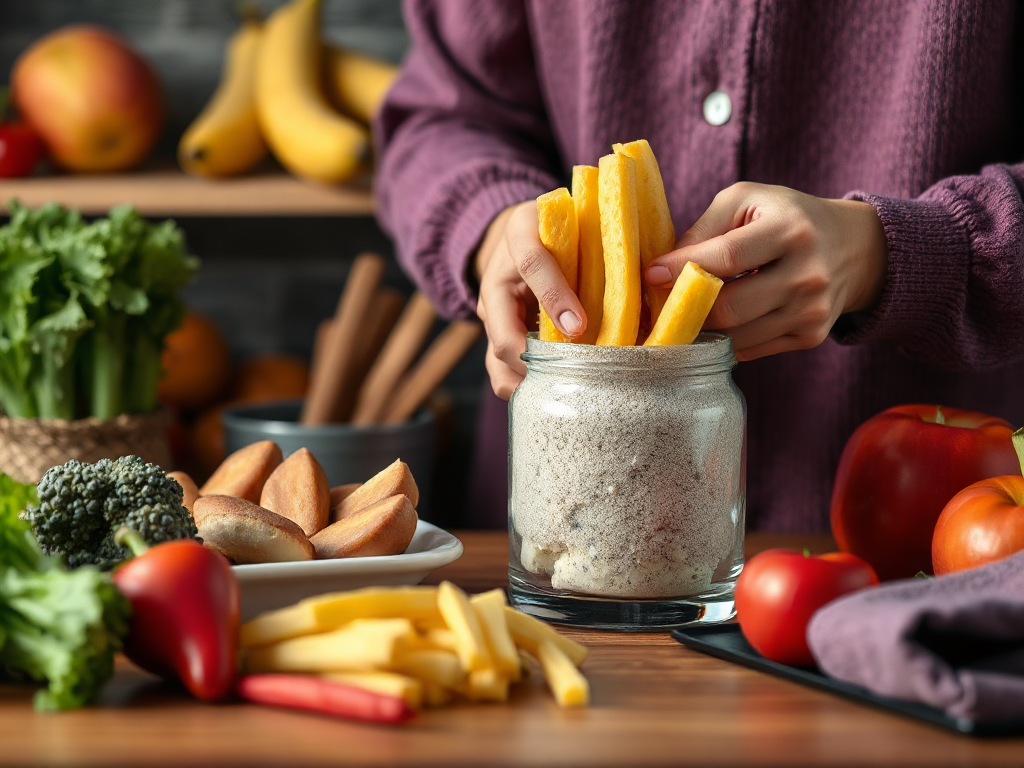
Common dietary mistakes that worsen joint pain include consuming too many processed foods, excessive sugar, and neglecting hydration. Processed foods often contain unhealthy fats and preservatives that can increase inflammation, leading to greater discomfort in the joints. High sugar intake, especially from refined sources, can trigger inflammatory responses that exacerbate pain. To improve joint health, focus on a diet rich in whole foods like fruits, vegetables, and whole grains, while reducing sugar and processed food consumption. Staying properly hydrated is also essential, as it helps maintain joint lubrication and overall health.
Processed Foods and Their Impact on Joint Health
Processed foods are often loaded with unhealthy fats, sugars, and preservatives that can exacerbate joint pain. These foods include fast food, snacks, and pre-packaged meals that contain trans fats and high levels of sodium. Consumption of these items can lead to inflammation, which is a primary factor in joint discomfort.
For instance, studies have shown that diets high in trans fats can increase markers of inflammation in the body. Instead of processed foods, incorporating whole foods like fruits, vegetables, and whole grains can provide essential nutrients that promote joint health. Making this switch can significantly reduce inflammation, leading to improved joint function and comfort.
The Role of Sugar in Joint Pain
High sugar intake is another common dietary mistake that can worsen joint pain. Sugars can trigger inflammatory responses in the body, leading to increased pain and discomfort in the joints. This is particularly true for refined sugars found in candies, pastries, and sugary beverages.
For example, consuming sugary drinks has been linked to a higher risk of developing arthritis and other inflammatory conditions. To mitigate this risk, individuals should limit their sugar intake and opt for natural sweeteners or fruits. Reducing sugar can help lower inflammation levels, leading to a more manageable experience of joint pain.
Hydration: The Overlooked Factor
Many people overlook the importance of staying hydrated, which is vital for joint health. Dehydration can lead to joint stiffness and pain, as the joints rely on synovial fluid to maintain lubrication and cushioning. Without adequate hydration, this fluid can become less effective, resulting in discomfort.
Aim to drink plenty of water throughout the day, especially if you are active. Incorporating hydrating foods like cucumbers, watermelon, and oranges can also help maintain hydration levels. By ensuring you are well-hydrated, you can significantly reduce the likelihood of experiencing joint pain.
Healthy Alternatives to Common Culprits
Finding healthy alternatives to common dietary mistakes is crucial for managing joint pain. Instead of reaching for processed snacks, consider options like nuts, seeds, or fresh fruits. These foods provide essential nutrients and healthy fats that can support joint health.
Furthermore, replacing sugary drinks with herbal teas or infused water can help cut down on sugar intake while keeping you hydrated. Such substitutions can promote a healthier diet overall and contribute to reducing joint pain.


Frequently Asked Questions
What foods should I avoid to reduce joint pain?
Avoid processed foods, high-sugar items, and excessive salt, as they can increase inflammation and worsen joint pain.
How does sugar affect joint pain?
Sugar can trigger inflammatory responses in the body, leading to increased joint pain and discomfort.
Can staying hydrated help with joint pain?
Yes, proper hydration helps maintain synovial fluid levels, which lubricate joints and can reduce stiffness and pain.
What are some healthy snacks for joint health?
Healthy snacks include nuts, seeds, fresh fruits, and vegetables, which provide essential nutrients and healthy fats.
How can I improve my diet for better joint health?
Focus on consuming whole foods, reducing processed foods and sugars, and including anti-inflammatory foods like fatty fish, nuts, and leafy greens.
Conclusion
To effectively manage joint pain, it is crucial to be mindful of dietary choices. Avoiding processed foods, limiting sugar intake, and ensuring proper hydration are key strategies. By making these adjustments and focusing on nutrient-rich foods, individuals can reduce inflammation and improve their overall joint health. Prioritizing these dietary changes can lead to significant improvements in comfort and mobility.
Related Content
Further Reading
Authoritative Sources
- Library of Congress Research Guides
guides.loc.govResearch guides that help readers locate reliable background sources on a wide range of subjects.
- USA.gov Official Information and Services
usa.govOfficial U.S. government information and public resources for practical reference.
- Google Scholar
scholar.google.comAcademic search resource for finding research literature and source material.