
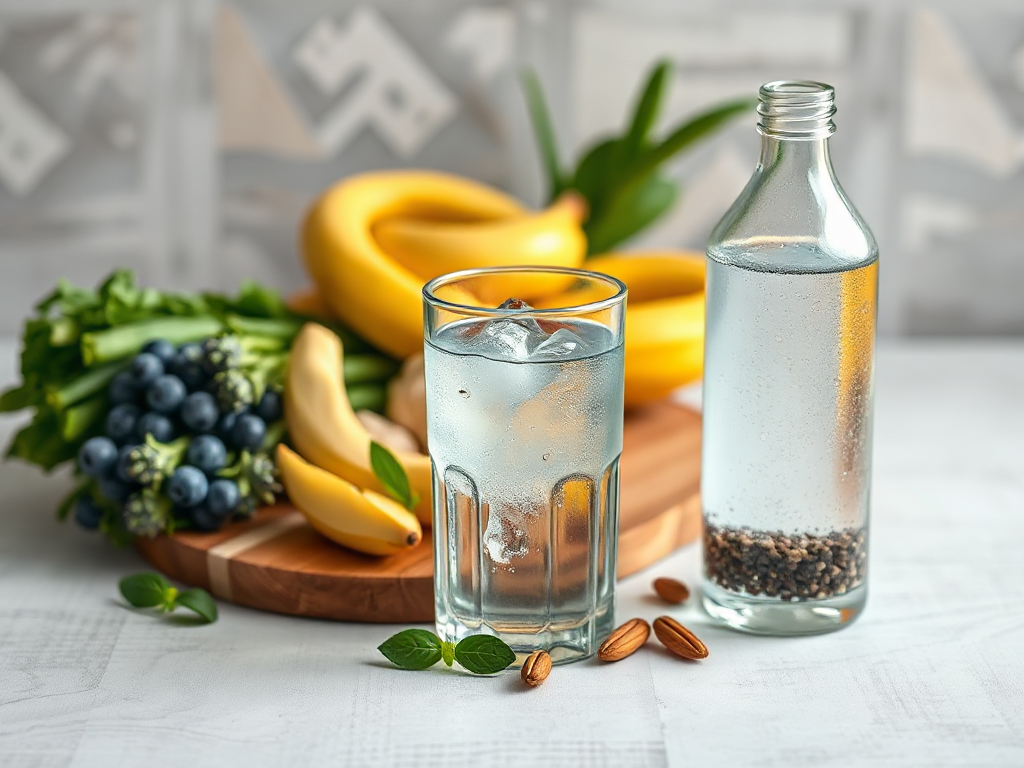
Hydration directly influences joint pain symptoms by ensuring adequate lubrication and reducing inflammation. Sufficient water intake maintains the viscosity of synovial fluid, which is essential for joint movement and comfort. When dehydrated, individuals may experience increased friction in their joints, leading to heightened pain and stiffness. To effectively manage joint health, it's important to not only drink water but also consume hydrating foods like fruits and vegetables. Regularly monitoring hydration levels can significantly alleviate discomfort, particularly for those suffering from arthritis or other inflammatory conditions.
The Role of Hydration in Joint Health
Hydration is crucial for maintaining overall joint health and function. Joints rely on synovial fluid, which is primarily composed of water, to provide lubrication and nourishment. This fluid reduces friction during movement, ensuring smooth joint operation. Insufficient hydration can lead to decreased synovial fluid, resulting in joint stiffness and increased pain. It’s essential to understand that hydration is not merely about drinking water; it also involves consuming hydrating foods and managing electrolyte balance.
For instance, foods high in water content, such as fruits and vegetables, can contribute to overall hydration and provide additional nutrients that support joint health. Maintaining proper hydration levels can significantly mitigate symptoms associated with joint pain, particularly for those with conditions like arthritis or other inflammatory joint diseases.
Mechanisms of Hydration Impacting Joint Pain
Hydration affects joint pain through several key mechanisms. Firstly, adequate water intake helps maintain the viscosity of synovial fluid, which acts as a lubricant and shock absorber for joints. This lubrication is essential for reducing wear and tear on cartilage, thus preventing pain and discomfort during movement.
Secondly, hydration plays a role in reducing inflammation. Dehydration can lead to an increase in inflammatory markers in the body, exacerbating joint pain symptoms. By staying well-hydrated, individuals may help decrease these inflammatory responses, leading to improved joint health.
Lastly, proper hydration supports overall metabolic processes, including the delivery of nutrients to joint tissues. When the body is well-hydrated, it can effectively transport essential nutrients like glucosamine and chondroitin, which are vital for cartilage repair and maintenance. Therefore, hydration directly influences not only the immediate comfort of joints but also their long-term health.
Common Misconceptions About Hydration
Many people hold misconceptions regarding hydration and its effects on joint pain. One common belief is that thirst is the only indicator of hydration needs. However, by the time a person feels thirsty, they may already be dehydrated. It is essential to proactively monitor fluid intake, especially during hot weather or when engaging in physical activity.
Another misconception is that all beverages are equally hydrating. While water is the best option, some drinks, such as caffeinated beverages or alcohol, can have diuretic effects, potentially leading to increased fluid loss. Understanding these nuances can help individuals make better choices regarding hydration and joint health.
Practical Steps to Improve Hydration
Improving hydration levels can be achieved through various practical steps. First, individuals should aim to drink at least eight 8-ounce glasses of water daily, adjusting for activity level and climate. Keeping a water bottle handy can encourage regular sipping throughout the day.
Incorporating hydrating foods into the diet is also beneficial. Foods such as cucumbers, watermelon, oranges, and spinach are rich in water and nutrients that support joint health. Additionally, monitoring electrolyte intake, especially sodium and potassium, can help maintain fluid balance and enhance hydration.

Lastly, individuals should be aware of their body’s signals. If experiencing symptoms like dry mouth, fatigue, or dark urine, these may indicate dehydration. Taking proactive measures to increase fluid intake can significantly improve joint comfort and overall health.
Frequently Asked Questions
How much water should I drink to manage joint pain?
Aim for at least eight 8-ounce glasses of water daily, adjusting based on your activity level and climate.
Can dehydration worsen joint pain?
Yes, dehydration can lead to increased friction in joints and inflammation, worsening pain symptoms.
What foods can help with hydration for joint health?
Fruits and vegetables like cucumbers, watermelon, and oranges are hydrating and provide nutrients beneficial for joints.
Does caffeine affect hydration levels?
Caffeine can have a diuretic effect, so it's best to balance caffeinated beverages with water intake.
What are the signs of dehydration?
Signs include dry mouth, fatigue, dark urine, and increased thirst, indicating a need for more fluids.
Conclusion
Staying hydrated is essential for managing joint pain and supporting overall joint health. By understanding the mechanisms through which hydration impacts joint function, individuals can take proactive steps to ensure adequate fluid intake. This includes drinking sufficient water, consuming hydrating foods, and being mindful of signs of dehydration. Prioritizing hydration can lead to significant improvements in joint comfort and mobility, ultimately enhancing quality of life.