
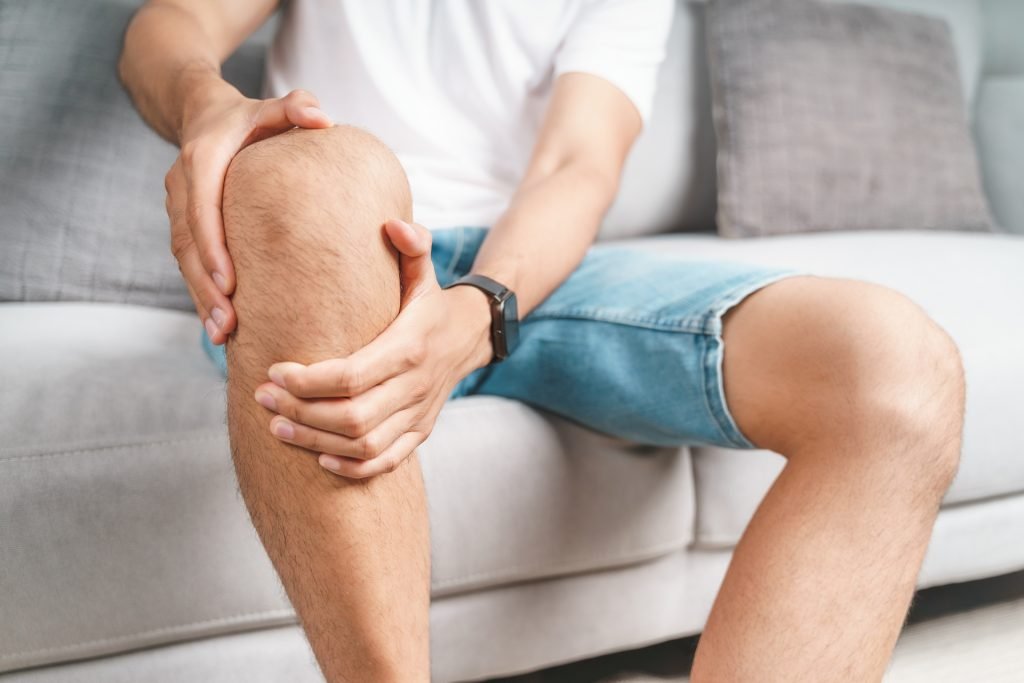
To improve joint lubrication naturally without supplements, consider incorporating foods that support joint health and hydration. Foods rich in omega-3 fatty acids, such as salmon and flaxseeds, can promote lubrication, while antioxidants found in fruits and vegetables help reduce inflammation.
Beyond dietary choices, lifestyle factors significantly impact joint lubrication. Regular physical activity, particularly low-impact exercises like swimming and cycling, helps maintain joint mobility and health. Weight management is also critical; excess weight places additional stress on joints, which can lead to decreased lubrication and increased discomfort. Prioritizing these aspects can help create a comprehensive approach to joint health.
Nutrient-Rich Foods for Joint Lubrication
Incorporating specific nutrient-rich foods into your diet can significantly enhance joint lubrication. Omega-3 fatty acids, commonly found in fatty fish like salmon, walnuts, and chia seeds, are known for their anti-inflammatory properties. Additionally, foods high in antioxidants, such as berries, spinach, and broccoli, combat oxidative stress, which can negatively affect joint health.
Prioritizing a diet that includes these foods can help mitigate joint stiffness and enhance lubrication. For example, consider preparing meals that combine fatty fish with a variety of colorful vegetables to maximize nutrient intake. Exploring plant-based sources of omega-3s, like flaxseed and hemp seeds, can also provide substantial benefits without the need for supplements.
The Role of Hydration in Joint Health
Hydration plays a pivotal role in maintaining optimal joint lubrication. Water is a key component of synovial fluid, which lubricates joints and reduces friction during movement. Dehydration can lead to thickening of this fluid, resulting in increased discomfort and decreased mobility.
To ensure adequate hydration, aim to drink plenty of water throughout the day, especially during physical activity. Incorporating hydrating foods, such as cucumbers, watermelon, and oranges, can also contribute to overall fluid intake. Keeping track of your daily water consumption can help prevent dehydration and support joint health effectively.
Physical Activity and Joint Lubrication
Regular physical activity is essential for improving joint lubrication and overall joint health. Engaging in low-impact exercises, such as swimming, cycling, or walking, promotes circulation and helps maintain flexibility in the joints. These activities stimulate the production of synovial fluid, which is vital for joint lubrication.
It’s important to find a balance in exercise routines to avoid overexertion, which can lead to injury. Incorporating stretching and strengthening exercises can also enhance joint stability and function. Establishing a consistent exercise regimen tailored to your abilities can significantly improve joint health over time.
Weight Management and Joint Health
Maintaining a healthy weight is crucial for optimal joint lubrication. Excess body weight increases the load on weight-bearing joints, leading to increased wear and tear and potentially reducing the effectiveness of natural lubrication. This can result in joint pain and inflammation over time.

Adopting a balanced diet combined with regular physical activity can facilitate weight management. Focus on whole foods, such as fruits, vegetables, lean proteins, and whole grains, while minimizing processed foods and sugars. This approach not only supports weight loss but also enhances overall joint health.
Further Reading
Authoritative Sources
- Dietary Approaches to Improve Joint Health
ncbi.nlm.nih.govThis article discusses various dietary strategies to enhance joint health, including specific nutrients and foods
- Foods to Eat for Arthritis
arthritis.orgProvides insights into dietary choices that can benefit joint health and reduce inflammation
Frequently Asked Questions
What are natural ways to improve joint lubrication?
Natural ways to improve joint lubrication include consuming omega-3 rich foods, staying hydrated, and engaging in regular low-impact exercises.
How does hydration affect joint health?
Hydration is crucial as it maintains the production of synovial fluid, which lubricates the joints and prevents friction.
What types of exercises are best for joint lubrication?
Low-impact exercises like swimming, cycling, and yoga are best for promoting joint lubrication and flexibility.
Can weight loss improve joint lubrication?
Yes, losing excess weight can reduce stress on joints, leading to better lubrication and decreased pain.
Are there specific foods to avoid for joint health?
Processed foods, sugars, and trans fats should be avoided as they can increase inflammation and negatively impact joint health.
Conclusion
Improving joint lubrication naturally without supplements requires a multifaceted approach focusing on nutrition, hydration, physical activity, and weight management. By incorporating omega-3 rich foods, staying hydrated, and engaging in regular exercise, you can effectively support joint health and enhance lubrication. Prioritizing these lifestyle changes will not only benefit your joints but also contribute to your overall well-being. Start making these adjustments today for a healthier tomorrow.