
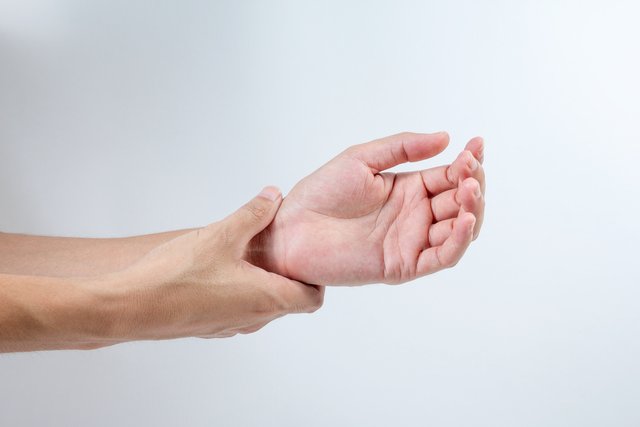
Natural joint healing methods focus on utilizing specific nutrients and practices to support joint recovery and reduce inflammation. These methods can be particularly beneficial for individuals suffering from joint pain or conditions such as arthritis.
Understanding the components of natural joint healing is essential. Common mistakes include neglecting the role of nutrition or overexerting oneself during physical activity. Prioritizing a balanced diet rich in omega-3 fatty acids, antioxidants, and vitamins can significantly impact joint health. Moreover, selecting the right type of physical activities, like swimming or cycling, can help maintain mobility without causing further damage to the joints.
Many people overlook the importance of hydration in joint health. Adequate water intake is crucial for keeping the joints lubricated and functioning properly. Additionally, individuals should be cautious about relying solely on supplements without consulting a healthcare professional, as some may interact with medications or have side effects.
The Role of Nutrition in Joint Health
Nutrition plays a vital role in maintaining joint health. Foods rich in omega-3 fatty acids, such as salmon, walnuts, and flaxseeds, can help reduce inflammation. Antioxidant-rich fruits and vegetables, including berries and leafy greens, also contribute to joint health by combating oxidative stress.
It’s crucial to prioritize a diet that supports joint healing. For instance, incorporating turmeric, which contains curcumin, can further enhance anti-inflammatory effects. A balanced diet not only aids in recovery but also prevents future joint issues. Regularly consuming these nutrients can lead to noticeable improvements in joint function and pain management.
Individuals often underestimate the impact of a poor diet on joint health. Skipping meals or relying on processed foods can exacerbate inflammation. Therefore, focusing on whole, nutrient-dense foods is essential for long-term joint care.
Recommended Exercises for Joint Recovery
Engaging in low-impact exercises is crucial for joint recovery. Activities such as swimming, cycling, and yoga can improve flexibility and strength without putting excessive strain on the joints. These exercises promote circulation and nutrient delivery to the joint tissues, aiding in the healing process.
When starting a new exercise regimen, it’s important to listen to your body and avoid pushing through pain. Gradually increasing intensity and duration can help build strength and endurance without risking injury. Additionally, incorporating strength training can help support the muscles around the joints, providing stability and reducing the risk of injury.
A common mistake is to avoid exercise altogether due to fear of pain. However, staying active is essential for maintaining joint health. Consulting with a physical therapist can help create a tailored exercise plan that aligns with individual needs and limitations.

Common Mistakes to Avoid
Several common mistakes can hinder the effectiveness of natural joint healing methods. One major pitfall is neglecting hydration. Dehydration can lead to joint stiffness and increased pain. It’s vital to drink plenty of water throughout the day to keep joints lubricated.
Another mistake is relying solely on supplements without a holistic approach. While supplements can be beneficial, they should complement a healthy diet and lifestyle rather than replace them. Additionally, individuals often underestimate the importance of rest and recovery, which are essential for healing.
Prioritizing a balanced approach that includes nutrition, exercise, hydration, and rest is key to successful joint recovery. Being mindful of these factors can lead to better outcomes and improved joint function over time.
Further Reading
Authoritative Sources
- MedlinePlus
medlineplus.govConsumer-friendly medical and health information from the U.S. National Library of Medicine.
- National Institutes of Health
nih.govResearch-based health information and links to authoritative medical resources.
- Centers for Disease Control and Prevention
cdc.govOfficial public health guidance, prevention resources, and topic-specific recommendations.
- Mayo Clinic
mayoclinic.orgTrusted clinical guidance, symptom explainers, and treatment overviews.
- World Health Organization
who.intGlobal health guidance, fact sheets, and evidence-based public health information.
Frequently Asked Questions
What are natural joint healing methods?
Natural joint healing methods involve using specific nutrients, exercises, and lifestyle changes to promote recovery and reduce inflammation.
How can nutrition affect joint health?
A diet rich in omega-3 fatty acids, antioxidants, and vitamins can significantly impact joint health by reducing inflammation and supporting recovery.
What types of exercises are best for joint recovery?
Low-impact exercises such as swimming, cycling, and yoga are ideal for joint recovery as they improve flexibility and strength without excessive strain.
What common mistakes should I avoid in joint healing?
Common mistakes include neglecting hydration, relying solely on supplements, and avoiding exercise due to fear of pain.
How important is hydration for joint health?
Adequate hydration is crucial for keeping joints lubricated and functioning properly, helping to reduce stiffness and pain.
Conclusion
In conclusion, employing natural joint healing methods can significantly enhance joint recovery and overall well-being. Prioritizing a balanced diet rich in anti-inflammatory nutrients, engaging in appropriate exercises, and maintaining proper hydration are essential steps for promoting joint health. By avoiding common mistakes and adopting a holistic approach, individuals can effectively manage joint pain and improve their quality of life. Taking these proactive measures will not only aid in recovery but also help prevent future joint issues.