
Common Mistakes in Joint Pain Management: Missteps That Hinder Recovery and Relief

One critical mistake in joint pain management is failing to obtain an accurate diagnosis.

Neglecting Accurate Diagnosis

One critical mistake in joint pain management is failing to obtain an accurate diagnosis. Many individuals assume the cause of their discomfort without consulting a healthcare professional. This oversight can lead to inappropriate treatment strategies that do not address the underlying issue, such as arthritis, bursitis, or tendonitis. A proper diagnosis involves physical examinations, imaging tests, and sometimes blood tests to understand the specific condition affecting the joints.

Without an accurate diagnosis, treatment may focus on symptoms rather than the root cause. For example, treating osteoarthritis with anti-inflammatory medications might relieve pain temporarily but fail to address joint degeneration. Patients should prioritize seeking medical advice to ensure their treatment plan is effective and targeted, potentially avoiding unnecessary pain and complications.

Overreliance on Medications

Another common pitfall in managing joint pain is overreliance on medications. While pain relievers and anti-inflammatory drugs can provide temporary relief, they often do not offer a long-term solution. Many people mistakenly believe that medication alone will resolve their joint issues, leading them to neglect other important aspects of management.

This approach can result in dependency on pain medications, which may have side effects or diminish in effectiveness over time. It’s crucial to combine medication with other therapies, such as physical therapy, dietary changes, and lifestyle modifications. For instance, incorporating glucosamine or omega-3 fatty acids into a diet can support joint health. A holistic approach is vital for sustainable improvement and long-term relief.

Ignoring Lifestyle Changes

Ignoring lifestyle changes is a significant mistake in joint pain management. Many individuals underestimate the impact of diet, weight management, and overall fitness on joint health. Excess weight can place additional stress on joints, exacerbating pain and leading to further deterioration.

Implementing dietary modifications, such as increasing anti-inflammatory foods like fruits, vegetables, and whole grains, can significantly benefit joint health. Moreover, maintaining a balanced weight can alleviate pressure on the knees, hips, and spine. Individuals should consider working with a nutritionist to develop a personalized eating plan that supports joint function and overall well-being.

Lack of Physical Activity

A lack of physical activity is a frequent error in managing joint pain. Many people avoid exercise due to fear of exacerbating their discomfort. However, regular, low-impact physical activity is essential for maintaining joint mobility, strengthening muscles around the joints, and improving overall health.

Activities such as swimming, cycling, or walking can enhance flexibility and reduce stiffness. It’s important to consult with a physical therapist to develop a safe exercise regimen tailored to individual capabilities. Engaging in regular movement can lead to improved function and decreased pain over time, countering the misconception that rest is the best remedy for joint issues.

Frequently Asked Questions

What are the most common mistakes in joint pain management?

Common mistakes include neglecting accurate diagnosis, overreliance on medications, ignoring lifestyle changes, and lack of physical activity.

How can lifestyle changes impact joint pain?

Lifestyle changes, such as losing weight, improving diet, and increasing physical activity, can significantly reduce joint stress and inflammation.

Why is accurate diagnosis important?

An accurate diagnosis helps tailor treatment to the specific joint condition, ensuring effective management and avoiding ineffective therapies.

What role do medications play in managing joint pain?

Medications can provide temporary relief from pain and inflammation but should be part of a broader management strategy that includes lifestyle changes.

How can physical activity help with joint pain?

Physical activity strengthens the muscles around joints, increases flexibility, and reduces stiffness, which can alleviate pain in the long run.

Further Reading

Authoritative Sources

Conclusion

To effectively manage joint pain, it is crucial to avoid common mistakes such as neglecting diagnosis, overusing medications, ignoring lifestyle changes, and avoiding physical activity. A comprehensive approach that includes accurate diagnosis, a balanced diet, regular exercise, and appropriate medical interventions will provide the best outcomes. Taking proactive steps now can lead to significant improvements in joint health and quality of life.
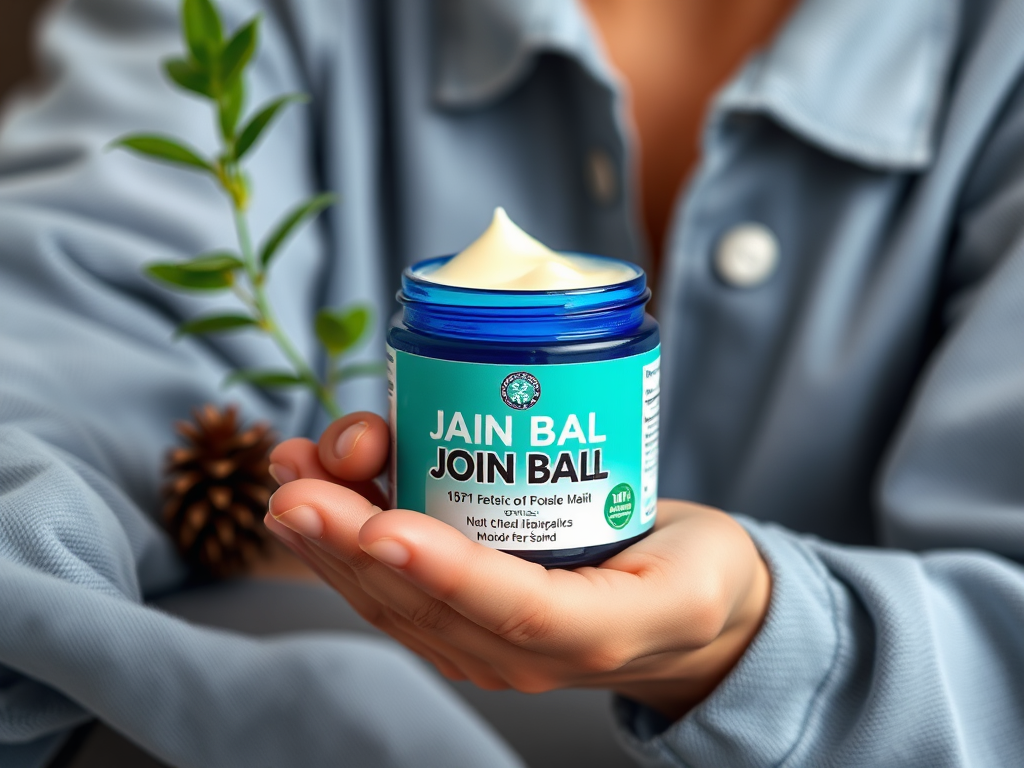

Joint Pain Balm Natural: Effective Ingredients for Fast Relief

Natural joint pain balms offer targeted relief through anti-inflammatory ingredients, reducing pain without systemic side effects associated with oral.

Understanding Joint Pain and Its Causes

Joint pain is often a result of inflammation, injury, or degenerative conditions such as arthritis. Understanding the underlying causes of joint pain is crucial for selecting the appropriate treatment method. Conditions like osteoarthritis can lead to cartilage breakdown, while inflammatory diseases such as rheumatoid arthritis can cause swelling and stiffness. Recognizing these causes helps in choosing effective remedies, including natural balms that target inflammation and provide relief.

Many individuals often underestimate the importance of addressing joint pain early. Ignoring symptoms can lead to chronic discomfort and decreased mobility. Therefore, using a joint pain balm natural can be an effective part of a comprehensive approach to managing pain, especially when combined with lifestyle modifications and physical activity.

Key Ingredients in Natural Pain Balms

Natural pain balms typically contain a variety of ingredients known for their anti-inflammatory and analgesic properties. Some of the most effective components include arnica, menthol, and eucalyptus oil. Arnica is well-regarded for its ability to reduce swelling and bruising, making it a staple in many topical formulations. Menthol provides a cooling sensation that can distract from pain, while eucalyptus oil has anti-inflammatory properties that can enhance circulation in the affected area.

When selecting a joint pain balm, it’s essential to consider the concentration of these ingredients. Higher concentrations may yield better results, but they can also increase the risk of skin irritation. Always perform a patch test before applying a new product extensively to ensure it does not cause any adverse reactions.

How to Effectively Use Joint Pain Balms

To maximize the effectiveness of a joint pain balm, proper application techniques are crucial. Begin by cleansing the area to remove any dirt or oils that could hinder absorption. Apply a small amount of balm directly to the affected joint and gently massage it in using circular motions. This not only helps distribute the balm evenly but also stimulates blood flow, enhancing the balm’s effectiveness.

It’s advisable to use the balm several times a day, especially after activities that exacerbate joint pain. However, monitoring your skin’s reaction to the balm is essential, as excessive use can lead to irritation. If irritation occurs, reduce the frequency of application or switch to a different formulation.

Frequently Asked Questions

What are the benefits of using a natural joint pain balm?

Natural joint pain balms offer targeted relief through anti-inflammatory ingredients, reducing pain without systemic side effects associated with oral medications.

Can anyone use joint pain balms?

Most people can use joint pain balms; however, those with sensitive skin or allergies should check the ingredient list and consult a healthcare provider.

How quickly can I expect relief from a joint pain balm?

Relief can vary, but many users report feeling effects within minutes due to the absorption of ingredients like menthol and eucalyptus.

Are there any side effects of using natural joint pain balms?

While generally safe, some users may experience skin irritation or allergic reactions. It’s important to do a patch test before widespread use.

How often should I apply joint pain balm?

For optimal results, apply the balm 2-3 times daily, particularly after activities that may exacerbate pain.

Further Reading

Authoritative Sources

Conclusion

Using a joint pain balm natural can significantly alleviate discomfort associated with various joint conditions. By selecting a balm with effective ingredients such as arnica and menthol, and applying it correctly, individuals can achieve quicker relief and improve their overall mobility. Always pay attention to your body’s responses and adjust usage as needed for the best results.

Natural Inflammation Fighters for Joints: Effective Foods and Supplements

Incorporating natural inflammation fighters for joints, such as specific foods and supplements, can significantly enhance joint health and reduce discomfort.

Understanding Inflammation and Joint Health

Inflammation is a natural response of the body’s immune system to injury or irritation; however, chronic inflammation can lead to joint pain and conditions such as arthritis. Understanding how inflammation affects joint health is crucial for managing discomfort. Inflammatory processes can cause swelling, stiffness, and pain, significantly impacting mobility and quality of life.

Chronic inflammation may stem from various factors, including poor diet, lack of exercise, and obesity. Many people underestimate the role of nutrition in managing inflammation, often overlooking the impact of dietary choices on joint health. Prioritizing anti-inflammatory foods can help mitigate these effects and support overall joint function.

Top Foods That Fight Inflammation

Incorporating certain foods into your diet can play a vital role in fighting inflammation. Foods high in omega-3 fatty acids, such as fatty fish (salmon, mackerel) and plant sources (chia seeds, walnuts), are known for their anti-inflammatory properties. These fats can help reduce joint stiffness and tenderness.

Fruits and vegetables rich in antioxidants, like berries, spinach, and kale, also combat oxidative stress that contributes to inflammation. Additionally, spices such as turmeric and ginger contain compounds that can reduce inflammatory markers in the body. Regularly including these foods in meals not only enhances flavor but also promotes joint health.

Key Supplements for Joint Support

Supplements can provide additional support for joint health, especially when dietary intake is insufficient. Turmeric, known for its active compound curcumin, is praised for its anti-inflammatory effects. Research suggests that curcumin can inhibit inflammatory pathways, making turmeric a popular choice among those seeking natural relief.

Ginger is another supplement that may help reduce inflammation and improve joint function. It can be consumed in various forms, including capsules or as a tea. Glucosamine and chondroitin are also commonly used supplements that may support joint health by contributing to cartilage repair and maintenance. However, individual responses can vary, so it’s crucial to consult with a healthcare provider before starting any new supplement regimen.

Lifestyle Changes to Reduce Inflammation

Alongside dietary adjustments, certain lifestyle changes can further help in managing inflammation. Regular physical activity is essential, as it strengthens the muscles around joints and improves flexibility. Low-impact exercises such as swimming, cycling, and yoga are particularly beneficial for those with joint pain.

Maintaining a healthy weight is also crucial, as excess weight puts additional stress on joints, exacerbating inflammation. Stress management techniques, such as mindfulness and relaxation exercises, can also play a significant role in reducing inflammation. By combining dietary, exercise, and lifestyle strategies, individuals can create a comprehensive approach to support joint health.

Frequently Asked Questions

What are the best foods to reduce joint inflammation?

Foods rich in omega-3 fatty acids, such as fatty fish, nuts, and seeds, as well as fruits and vegetables high in antioxidants, like berries and leafy greens, are best for reducing joint inflammation.

How do turmeric and ginger help inflammation?

Turmeric contains curcumin, a compound known for its strong anti-inflammatory effects, while ginger has compounds that can reduce inflammatory markers in the body, both supporting joint health.

Can lifestyle changes impact joint inflammation?

Yes, regular exercise, maintaining a healthy weight, and managing stress can significantly reduce joint inflammation and improve overall joint function.

Are there any risks associated with supplements for joint health?

Some supplements can interact with medications or cause side effects, so it is essential to consult with a healthcare provider before starting any new supplement regimen.

How quickly can I see results from dietary changes?

Results can vary, but many people report improvements in joint pain and inflammation within a few weeks of adopting an anti-inflammatory diet.

Further Reading

Authoritative Sources

Conclusion

Incorporating natural inflammation fighters for joints, such as specific foods and supplements, can significantly enhance joint health and reduce discomfort. Focus on a balanced diet rich in omega-3 fatty acids, antioxidants, and anti-inflammatory compounds. Additionally, adopting a healthier lifestyle through exercise and weight management will further support your joint function. By taking these practical steps, you can promote long-term joint health and improve your quality of life.

Reduce Joint Pain Without Drugs: Effective Natural Remedies and Lifestyle Changes

Gentle exercises, such as swimming or cycling, can improve flexibility and reduce stiffness without putting excessive strain on the joints.

Understanding Joint Pain and Its Causes

Joint pain can arise from various factors, including inflammation, injury, or degenerative conditions. Understanding the underlying causes is crucial for effective management. Conditions such as osteoarthritis, rheumatoid arthritis, and bursitis often lead to significant discomfort, affecting mobility and quality of life. Recognizing these causes helps in tailoring a personalized approach to pain relief.

Many individuals mistakenly believe that joint pain is an inevitable part of aging, but this is not entirely accurate. While aging can contribute, lifestyle factors such as diet, activity level, and weight play a significant role in joint health. Therefore, addressing these aspects can lead to improved outcomes in managing joint pain.

Natural Remedies for Joint Pain Relief

Several natural remedies can effectively alleviate joint pain. One prominent option is the use of anti-inflammatory foods, such as fatty fish, nuts, and leafy greens. These foods contain essential nutrients that can help reduce inflammation and support joint health. Additionally, herbal supplements like turmeric and ginger have been shown to possess anti-inflammatory properties, making them beneficial additions to the diet.

Another effective method is physical therapy, which focuses on strengthening the muscles around the joints. Gentle exercises, such as swimming or cycling, can improve flexibility and reduce stiffness without putting excessive strain on the joints. Regular movement is key, as it helps maintain joint function and reduces the risk of further injury.

Lifestyle Changes to Support Joint Health

Making specific lifestyle changes can greatly impact joint health. Maintaining a healthy weight is paramount, as excess body weight puts additional strain on the joints, particularly in the hips and knees. A balanced diet, rich in whole foods and low in processed sugars, can assist in weight management and promote overall health.

Incorporating low-impact exercises into your routine is another effective strategy. Activities like yoga and tai chi not only enhance flexibility but also promote relaxation and mental well-being. Consistency in these practices can lead to long-term benefits, reducing the frequency and severity of joint pain.

Common Mistakes to Avoid

When trying to reduce joint pain without drugs, it’s important to avoid common pitfalls. One major mistake is relying solely on inactivity as a solution. While rest is necessary after an injury, prolonged inactivity can lead to stiffness and further pain. Instead, aim for a balance of rest and gentle movement.

Another misconception is that all supplements are equally beneficial. It’s essential to research and consult with a healthcare provider before starting any new supplement regimen, as some may interact with medications or have adverse effects. Prioritizing evidence-based treatments and maintaining open communication with healthcare professionals will lead to better management of joint pain.

Frequently Asked Questions

What are some effective natural remedies for joint pain?

Effective remedies include anti-inflammatory foods like fatty fish and nuts, as well as herbal supplements such as turmeric and ginger.

How can weight management impact joint pain?

Maintaining a healthy weight reduces the strain on joints, particularly weight-bearing ones like the knees and hips, alleviating pain and discomfort.

Are there exercises that can help reduce joint pain?

Low-impact exercises such as swimming, cycling, and yoga can improve flexibility and strength without putting excessive stress on the joints.

What common mistakes should I avoid when managing joint pain?

Avoid prolonged inactivity and relying solely on rest, as movement is essential for joint health. Also, be cautious with supplements and consult a healthcare provider.

Can dietary changes really make a difference in joint pain?

Yes, incorporating anti-inflammatory foods and maintaining a balanced diet can significantly reduce inflammation and support overall joint health.

Further Reading

Authoritative Sources

  • National Institutes of Health
    ncbi.nlm.nih.gov

    nih.govThis resource provides comprehensive information on joint pain and various treatment options

  • Arthritis Foundation
    arthritis.org

    A valuable source for understanding arthritis and exploring non-drug treatments

  • WebMD
    webmd.com

    WebMD offers insights into the latest research on joint health and natural remedies

Conclusion

Reducing joint pain without drugs requires a multifaceted approach, focusing on natural remedies, lifestyle changes, and informed decision-making. By prioritizing a healthy weight, engaging in regular low-impact exercises, and incorporating anti-inflammatory foods, individuals can effectively manage their joint pain. It is crucial to stay informed about the various options available and avoid common misconceptions that can hinder progress. Taking proactive steps can lead to significant improvements in joint health and overall well-being.

Natural Joint Repair: Essential Nutrients and Strategies for Recovery

Handle natural joint repair by finding the real cause, removing the biggest obstacle, applying the right first action, and protecting the desired outcome.

Understanding Natural Joint Repair

Natural joint repair focuses on the body’s ability to heal and regenerate joint tissues through lifestyle interventions and nutrient intake. This process is vital for maintaining mobility and reducing the risk of degenerative joint diseases. Understanding how joints repair themselves can empower individuals to make informed choices about their health, leading to better outcomes in joint function and pain management.

One critical aspect of this process is the balance between cartilage degradation and regeneration. Factors such as age, diet, and activity level can significantly influence this balance. Recognizing the signs of joint wear and tear, such as stiffness or swelling, can help individuals take proactive measures to enhance the natural repair processes.

Essential Nutrients for Joint Health

Certain nutrients play a pivotal role in supporting natural joint repair. Omega-3 fatty acids, found in fish oil and flaxseeds, are known for their anti-inflammatory properties, which can alleviate joint pain and swelling. Glucosamine and chondroitin are popular supplements that help maintain cartilage structure and may improve joint function.

Additionally, antioxidants like vitamins C and E help protect joint tissues from oxidative damage. These nutrients work synergistically to promote healing and reduce inflammation. A balanced diet rich in fruits, vegetables, whole grains, and lean proteins is essential for providing these nutrients. For example, incorporating foods like salmon, spinach, and nuts can significantly enhance joint health.

Effective Strategies for Joint Recovery

Implementing effective strategies for joint recovery involves a combination of dietary changes, physical activity, and lifestyle modifications. Regular exercise, particularly low-impact activities like swimming or cycling, can strengthen the muscles around joints, providing better support and stability. Stretching and flexibility exercises are also critical for maintaining range of motion.

Furthermore, maintaining a healthy weight can reduce stress on weight-bearing joints, facilitating better overall joint function. Hydration plays a crucial role as well, as it helps maintain the lubrication of joints, which is essential for smooth movement. Engaging in practices like yoga or tai chi can also promote joint flexibility and strength, contributing to long-term joint health.

Common Mistakes in Joint Care

Many individuals make common mistakes that can hinder effective joint repair. One prevalent error is neglecting the importance of a balanced diet. Relying solely on supplements without addressing overall nutrition can lead to deficiencies that impede recovery. It’s essential to recognize that supplements should complement, not replace, a healthy diet.

Another mistake is avoiding physical activity due to fear of pain. While it’s crucial to listen to your body, complete inactivity can lead to stiffness and further joint deterioration. Gradual, guided movement is often the best way to enhance joint health. Additionally, failing to seek professional advice when experiencing persistent joint issues can delay proper diagnosis and treatment.

For those interested in exploring more about natural joint repair, consider checking reputable medical journals or websites dedicated to joint health. Resources from organizations like the Arthritis Foundation or the American College of Rheumatology can provide valuable insights and guidance.

Frequently Asked Questions

What are the best foods for natural joint repair?

Foods rich in omega-3 fatty acids, antioxidants, and vitamins, such as fatty fish, leafy greens, and nuts, are excellent for supporting joint repair.

How long does it take for natural joint repair to show results?

Results can vary based on individual circumstances, but noticeable improvements in joint function may take several weeks to a few months with consistent efforts.

Are supplements necessary for joint repair?

While supplements can be beneficial, they should not replace a balanced diet. It's essential to consult with a healthcare provider to determine the best approach for your needs.

Can exercise help with joint repair?

Yes, appropriate exercise can strengthen the muscles around joints, improve flexibility, and reduce stiffness, all of which support natural repair processes.

What role does hydration play in joint health?

Hydration is crucial for joint health as it helps maintain synovial fluid, which lubricates joints and facilitates smooth movement.

Further Reading

Authoritative Sources

Conclusion

Natural joint repair is a multifaceted process that involves understanding the role of specific nutrients, effective recovery strategies, and avoiding common pitfalls. Prioritizing a balanced diet rich in essential nutrients, maintaining an active lifestyle, and staying informed about joint health can lead to significant improvements. Taking proactive steps today can help ensure better joint function and overall mobility in the future.

Plant Remedies for Joint Pain: Effective Herbal Solutions and Their Benefits

Plant remedies for joint pain

When considering plant remedies, it’s crucial to understand individual responses to these ingredients. While many people find significant relief, others may experience limited benefits. Factors such as the severity of joint pain, underlying conditions, and dietary habits can influence the effectiveness of specific herbs. Additionally, potential interactions with prescribed medications must be considered, making it essential to consult with a healthcare provider before starting any new treatment.

Many individuals overlook the cumulative effects of plant remedies, often expecting immediate results. However, incorporating these remedies into a daily routine over time can yield better outcomes. It’s important to prioritize consistency and combine these remedies with lifestyle adjustments, such as maintaining a healthy diet and regular physical activity, to enhance their effectiveness.

Turmeric: The Golden Spice for Inflammation

Turmeric is renowned for its active compound, curcumin, which possesses strong anti-inflammatory properties. Studies have shown that curcumin can inhibit the molecules that promote inflammation, making it beneficial for individuals with joint pain.

Incorporating turmeric into your diet can be as simple as adding it to meals or taking it in supplement form. However, it’s essential to use black pepper with turmeric to enhance curcumin absorption. Many people overlook this combination, which is crucial for maximizing the benefits.

When using turmeric, consistency is key. Regular consumption can lead to cumulative effects that may significantly improve joint health over time. It’s advisable to consult with a healthcare professional to determine the appropriate dosage based on individual health needs.

Ginger: A Potent Anti-Inflammatory

Ginger contains gingerol, a compound known for its anti-inflammatory and antioxidant effects. It has been used for centuries in traditional medicine to treat various ailments, including joint pain.

Ginger can be consumed fresh, dried, or as a supplement. Many people enjoy it as a tea, which can be soothing and beneficial for joint discomfort. However, some may experience stomach upset if consumed in large quantities, highlighting the importance of moderation.

Incorporating ginger into your daily routine can help maintain joint health. Regular use may lead to noticeable improvements in pain and mobility, but individuals should be mindful of their overall diet and lifestyle choices to complement the effects of ginger.

Willow Bark: Nature’s Aspirin

Willow bark has been used for centuries as a natural remedy for pain relief, thanks to its active ingredient, salicin, which is chemically similar to aspirin. This herb is particularly useful for alleviating joint pain and reducing inflammation.

Willow bark can be taken in various forms, including teas, capsules, and tinctures. However, it’s essential to follow recommended dosages, as excessive intake can lead to side effects similar to those of aspirin, such as gastrointestinal discomfort.

As with any herbal remedy, it’s crucial to assess individual responses to willow bark. While many find it effective, others may need to explore additional options or combinations with other plant remedies for optimal results.

Further Reading

Authoritative Sources

Frequently Asked Questions

What are the best plant remedies for joint pain?

Some of the best plant remedies include turmeric, ginger, and willow bark, each known for their anti-inflammatory properties.

How can I use turmeric for joint pain?

Turmeric can be consumed as a spice in meals, in tea, or as a supplement. Combining it with black pepper enhances absorption.

Are there any side effects of using ginger?

While ginger is generally safe, excessive consumption can cause stomach upset. Moderation is key.

Can willow bark interact with medications?

Yes, willow bark can interact with blood-thinning medications. Always consult a healthcare provider before use.

How long does it take for plant remedies to work?

Results vary by individual, but consistent use over several weeks often yields the best results.

Conclusion

Incorporating plant remedies for joint pain can provide a natural alternative to conventional treatments. Turmeric, ginger, and willow bark each offer unique benefits and can be effective in reducing inflammation and discomfort. It’s essential to approach these remedies with a mindset of consistency and moderation, while also considering dietary and lifestyle factors that can enhance their effectiveness. Always consult with a healthcare professional before starting any new remedy, especially if you are currently taking medications or have underlying health conditions. By prioritizing informed choices and holistic approaches, you can better manage joint pain and improve your overall quality of life.

Ease Joint Discomfort Naturally: Essential Methods and Practices for Effective Relief

Ease joint discomfort naturally: Understanding the underlying causes of joint discomfort is critical for effective management with practical next steps.

Understanding the underlying causes of joint discomfort is critical for effective management. Common factors include age-related wear and tear, obesity, and inflammatory conditions. By addressing these factors through lifestyle modifications, individuals can significantly reduce discomfort. Prioritizing a balanced diet rich in antioxidants and omega-3 fatty acids while maintaining a healthy weight is essential. Furthermore, regular physical activity strengthens the muscles around the joints, providing additional support and stability.

One common mistake people make is relying solely on quick fixes, such as over-the-counter pain medications, without addressing root causes. Instead, focus on sustainable lifestyle changes that foster long-term joint health. Incorporating mindfulness practices, such as meditation and deep breathing, can also help manage pain perception and improve overall well-being.

Dietary Considerations for Joint Health

A diet rich in anti-inflammatory foods is crucial for easing joint discomfort. Foods such as fatty fish, nuts, seeds, and colorful fruits and vegetables are packed with nutrients that combat inflammation. Omega-3 fatty acids found in fish like salmon and mackerel can significantly reduce stiffness and pain in joints.

When planning meals, prioritize whole foods and limit processed items high in sugar and trans fats, which can exacerbate inflammation. Maintaining hydration is also essential; water helps lubricate joints and flush out toxins. A well-balanced diet not only promotes joint health but also supports overall well-being.

Many individuals overlook the importance of meal timing and portion control. Eating smaller, more frequent meals can help maintain energy levels and prevent overeating, which contributes to weight gain. This is particularly important for those with joint pain, as excess weight adds stress to joints. Consider consulting with a nutritionist for personalized dietary advice.

Exercise and Movement Strategies

Regular physical activity is vital for maintaining joint function and alleviating discomfort. Low-impact exercises, such as swimming, cycling, and walking, promote circulation and flexibility without putting undue stress on the joints. Aim for at least 150 minutes of moderate activity each week.

Incorporating strength training into your routine can also enhance joint stability. Focus on exercises that target the muscles surrounding the joints, such as squats and lunges. These activities not only improve muscle strength but also support joint alignment and reduce the risk of injury.

A common pitfall is avoiding exercise due to fear of pain. However, gentle movement is often beneficial and can eventually lead to increased mobility and reduced discomfort. If unsure where to start, consider working with a physical therapist to develop a tailored exercise program.

Natural Supplements and Remedies

Natural supplements can play a significant role in easing joint discomfort. Glucosamine and chondroitin are popular options that may help maintain cartilage health and reduce pain. Omega-3 fatty acid supplements, such as fish oil, are also effective in reducing inflammation.

Before starting any supplement regimen, consult with a healthcare professional to ensure safety and efficacy. It’s also essential to consider potential interactions with other medications. Additionally, herbal remedies like turmeric and ginger have anti-inflammatory properties that can provide relief.

Many individuals underestimate the importance of consistency when using supplements. For optimal results, it’s crucial to take these products regularly and combine them with lifestyle changes. Tracking your progress can help identify which supplements are most effective for your needs.

Holistic Practices for Pain Management

Incorporating holistic practices into your routine can enhance traditional methods of easing joint discomfort. Techniques such as acupuncture, massage therapy, and yoga have been shown to alleviate pain and improve mobility. These practices focus on the mind-body connection, promoting relaxation and reducing stress.

Mindfulness and meditation can also play a role in pain management. These practices help individuals manage their pain perception and develop coping strategies. Engaging in deep breathing exercises can further reduce stress and tension, which may contribute to discomfort.

It’s important to recognize that holistic practices should complement, not replace, traditional medical advice. A well-rounded approach that includes both conventional and alternative methods can yield the best results. Many people find that a combination of therapies tailored to their individual needs provides the most effective relief.

Further Reading

Authoritative Sources

  • MedlinePlus
    medlineplus.gov

    Consumer-friendly medical and health information from the U.S. National Library of Medicine.

  • National Institutes of Health
    nih.gov

    Research-based health information and links to authoritative medical resources.

  • Centers for Disease Control and Prevention
    cdc.gov

    Official public health guidance, prevention resources, and topic-specific recommendations.

  • Mayo Clinic
    mayoclinic.org

    Trusted clinical guidance, symptom explainers, and treatment overviews.

  • World Health Organization
    who.int

    Global health guidance, fact sheets, and evidence-based public health information.

Frequently Asked Questions

What are the best foods to eat for joint health?

Foods rich in omega-3 fatty acids, antioxidants, and anti-inflammatory properties, such as fatty fish, nuts, berries, and leafy greens, are excellent for joint health.

How often should I exercise to relieve joint pain?

Aim for at least 150 minutes of moderate exercise each week, incorporating low-impact activities to minimize stress on the joints.

Can supplements help with joint discomfort?

Yes, supplements like glucosamine, chondroitin, and omega-3 fatty acids may help reduce joint pain and improve mobility, but consult a healthcare professional first.

What holistic practices are effective for joint pain?

Acupuncture, massage therapy, yoga, and mindfulness practices can effectively complement traditional treatments for joint pain.

How can I manage joint pain without medication?

Focus on lifestyle changes, including diet, exercise, and holistic practices, to manage joint pain effectively without relying on medication.

Conclusion

To effectively ease joint discomfort naturally, prioritize a holistic approach that includes dietary changes, regular exercise, and natural supplements. Understanding the underlying causes and making sustainable lifestyle adjustments is key. Incorporating holistic practices can further enhance your pain management strategy. Remember, consistency and patience are vital, as results may take time to manifest. By taking proactive steps, you can significantly improve your joint health and overall well-being.

Natural Joint Healing Methods: Effective Nutrients and Practices for Recovery

Handle natural joint healing by finding the real cause, removing the biggest obstacle, applying the right first action, and protecting the desired outcome.

Understanding the components of natural joint healing is essential. Common mistakes include neglecting the role of nutrition or overexerting oneself during physical activity. Prioritizing a balanced diet rich in omega-3 fatty acids, antioxidants, and vitamins can significantly impact joint health. Moreover, selecting the right type of physical activities, like swimming or cycling, can help maintain mobility without causing further damage to the joints.

Many people overlook the importance of hydration in joint health. Adequate water intake is crucial for keeping the joints lubricated and functioning properly. Additionally, individuals should be cautious about relying solely on supplements without consulting a healthcare professional, as some may interact with medications or have side effects.

The Role of Nutrition in Joint Health

Nutrition plays a vital role in maintaining joint health. Foods rich in omega-3 fatty acids, such as salmon, walnuts, and flaxseeds, can help reduce inflammation. Antioxidant-rich fruits and vegetables, including berries and leafy greens, also contribute to joint health by combating oxidative stress.

It’s crucial to prioritize a diet that supports joint healing. For instance, incorporating turmeric, which contains curcumin, can further enhance anti-inflammatory effects. A balanced diet not only aids in recovery but also prevents future joint issues. Regularly consuming these nutrients can lead to noticeable improvements in joint function and pain management.

Individuals often underestimate the impact of a poor diet on joint health. Skipping meals or relying on processed foods can exacerbate inflammation. Therefore, focusing on whole, nutrient-dense foods is essential for long-term joint care.

Recommended Exercises for Joint Recovery

Engaging in low-impact exercises is crucial for joint recovery. Activities such as swimming, cycling, and yoga can improve flexibility and strength without putting excessive strain on the joints. These exercises promote circulation and nutrient delivery to the joint tissues, aiding in the healing process.

When starting a new exercise regimen, it’s important to listen to your body and avoid pushing through pain. Gradually increasing intensity and duration can help build strength and endurance without risking injury. Additionally, incorporating strength training can help support the muscles around the joints, providing stability and reducing the risk of injury.

A common mistake is to avoid exercise altogether due to fear of pain. However, staying active is essential for maintaining joint health. Consulting with a physical therapist can help create a tailored exercise plan that aligns with individual needs and limitations.

Common Mistakes to Avoid

Several common mistakes can hinder the effectiveness of natural joint healing methods. One major pitfall is neglecting hydration. Dehydration can lead to joint stiffness and increased pain. It’s vital to drink plenty of water throughout the day to keep joints lubricated.

Another mistake is relying solely on supplements without a holistic approach. While supplements can be beneficial, they should complement a healthy diet and lifestyle rather than replace them. Additionally, individuals often underestimate the importance of rest and recovery, which are essential for healing.

Prioritizing a balanced approach that includes nutrition, exercise, hydration, and rest is key to successful joint recovery. Being mindful of these factors can lead to better outcomes and improved joint function over time.

Further Reading

Authoritative Sources

  • MedlinePlus
    medlineplus.gov

    Consumer-friendly medical and health information from the U.S. National Library of Medicine.

  • National Institutes of Health
    nih.gov

    Research-based health information and links to authoritative medical resources.

  • Centers for Disease Control and Prevention
    cdc.gov

    Official public health guidance, prevention resources, and topic-specific recommendations.

  • Mayo Clinic
    mayoclinic.org

    Trusted clinical guidance, symptom explainers, and treatment overviews.

  • World Health Organization
    who.int

    Global health guidance, fact sheets, and evidence-based public health information.

Frequently Asked Questions

What are natural joint healing methods?

Natural joint healing methods involve using specific nutrients, exercises, and lifestyle changes to promote recovery and reduce inflammation.

How can nutrition affect joint health?

A diet rich in omega-3 fatty acids, antioxidants, and vitamins can significantly impact joint health by reducing inflammation and supporting recovery.

What types of exercises are best for joint recovery?

Low-impact exercises such as swimming, cycling, and yoga are ideal for joint recovery as they improve flexibility and strength without excessive strain.

What common mistakes should I avoid in joint healing?

Common mistakes include neglecting hydration, relying solely on supplements, and avoiding exercise due to fear of pain.

How important is hydration for joint health?

Adequate hydration is crucial for keeping joints lubricated and functioning properly, helping to reduce stiffness and pain.

Conclusion

In conclusion, employing natural joint healing methods can significantly enhance joint recovery and overall well-being. Prioritizing a balanced diet rich in anti-inflammatory nutrients, engaging in appropriate exercises, and maintaining proper hydration are essential steps for promoting joint health. By avoiding common mistakes and adopting a holistic approach, individuals can effectively manage joint pain and improve their quality of life. Taking these proactive measures will not only aid in recovery but also help prevent future joint issues.

Joint Mobility Support Strategies: Effective Methods for Enhancing Flexibility and Function

Handle joint mobility support by finding the real cause, removing the biggest obstacle, applying the right first action, and protecting the desired outcome.

To effectively support joint mobility, it’s essential to understand the underlying causes of joint stiffness and pain. Factors such as age, sedentary lifestyle, and certain medical conditions can contribute to decreased mobility. Prioritizing regular physical activity and incorporating specific exercises can help counteract these issues, leading to improved flexibility and reduced discomfort. Many people mistakenly assume that rest is the best remedy; however, gentle movement can often yield better results.

Additionally, nutrition plays a vital role in joint health. Consuming anti-inflammatory foods and maintaining a balanced diet can significantly impact joint function. Many individuals fail to recognize the connection between diet and mobility, often overlooking specific nutrients that support joint integrity. Prioritizing hydration and incorporating omega-3 fatty acids, antioxidants, and vitamins can make a substantial difference in joint health.

Understanding Joint Mobility Support

Joint mobility support encompasses a range of activities and interventions designed to enhance the functionality of joints. This includes exercises aimed at improving range of motion, strength training to stabilize joints, and flexibility routines to prevent stiffness. Understanding how these elements work together is crucial for anyone looking to maintain or improve their joint health.

Many individuals may not realize that joint mobility is not solely dependent on age or genetics. Factors such as physical activity level, body weight, and overall health can greatly influence joint performance. It’s vital to adopt a proactive approach toward joint health, focusing on preventive measures that can lead to long-term benefits. Consistent engagement in mobility-enhancing activities is essential for reaping the rewards.

Moreover, a common misconception is that only elderly individuals need to focus on joint mobility. In reality, people of all ages can benefit from joint mobility support, especially those who lead sedentary lifestyles. Young adults and athletes should also prioritize joint health to prevent injuries and maintain peak performance.

Effective Exercises for Joint Flexibility

Engaging in specific exercises can significantly enhance joint flexibility and mobility. Activities such as yoga, Pilates, and targeted stretching routines are particularly effective. These exercises not only improve flexibility but also strengthen the muscles surrounding the joints, providing better support and stability.

Incorporating a variety of movements into your routine can prevent overuse injuries and ensure balanced development of all muscle groups. A common mistake is focusing on one type of exercise at the expense of others. For example, solely performing strength training without adequate stretching can lead to tight muscles and restricted joint movement.

When designing an exercise program, consider integrating dynamic warm-ups, strength training, and flexibility exercises. Prioritize compound movements that engage multiple joints and muscle groups to maximize the benefits of your training sessions. Regularly revisiting and adjusting your routine can also help maintain progress over time.

Nutrition’s Role in Joint Health

A well-balanced diet plays a pivotal role in supporting joint mobility. Nutrients such as omega-3 fatty acids, found in fish and flaxseed, can help reduce inflammation and promote joint lubrication. Antioxidants from fruits and vegetables also contribute to joint health by combating oxidative stress that can damage joint tissues.

Many individuals overlook the importance of hydration for joint health. Joint lubrication relies heavily on adequate fluid intake, and dehydration can lead to increased friction and discomfort in the joints. A common pitfall is neglecting hydration during physical activity, which can exacerbate joint issues.

To ensure optimal joint health, focus on incorporating anti-inflammatory foods into your diet. Consider foods rich in vitamins C and E, as they are essential for collagen synthesis and joint repair. Additionally, maintaining a healthy weight through proper nutrition can alleviate excess stress on the joints, further enhancing mobility.

Common Mistakes to Avoid

When it comes to supporting joint mobility, several common mistakes can hinder progress. One such mistake is neglecting warm-up and cool-down routines. Skipping these essential components can lead to injuries and reduced flexibility. Warm-ups prepare the joints for movement, while cool-downs help to recover properly.

Another frequent error is failing to listen to your body. Pushing through pain or discomfort can lead to more severe injuries. It’s crucial to differentiate between normal discomfort associated with exercise and pain that signals a potential injury. Prioritizing rest and recovery when needed is vital for long-term joint health.

Finally, many individuals underestimate the importance of consistency. Sporadic efforts in exercising or dietary changes may yield minimal results. Establishing a regular routine and sticking to it is essential for achieving and maintaining joint mobility support.

Further Reading

Authoritative Sources

  • Arthritis Foundation
    arthritis.org

    This resource offers comprehensive information on joint health, including exercises and dietary recommendations

  • National Institutes of Health
    ncbi.nlm.nih.gov

    Access research studies and articles related to joint mobility and health practices

  • Mayo Clinic
    mayoclinic.org

    Find expert advice on maintaining joint health through lifestyle changes and medical interventions

  • Healthline
    healthline.com

    Explore articles on nutrition and exercise specifically geared toward joint support

Frequently Asked Questions

What are the best exercises for improving joint mobility?

Exercises such as yoga, Pilates, and dynamic stretching are excellent for enhancing joint mobility and flexibility.

How does diet affect joint health?

A balanced diet rich in omega-3 fatty acids, antioxidants, and proper hydration can significantly improve joint health and reduce inflammation.

What common mistakes should I avoid when trying to support my joints?

Neglecting warm-ups, pushing through pain, and inconsistency in exercise routines are common pitfalls to avoid.

How often should I exercise for optimal joint mobility?

Aim for at least 150 minutes of moderate-intensity exercise per week, including strength training and flexibility exercises.

Can joint supplements help with mobility?

Some supplements, like glucosamine and chondroitin, may help support joint health, but it’s best to consult a healthcare provider before starting any new supplement regime.

Conclusion

Supporting joint mobility is crucial for maintaining a healthy and active lifestyle. By incorporating effective exercises, prioritizing nutrition, and understanding common pitfalls, individuals can significantly enhance their joint function. Remember to stay consistent with your routines and listen to your body to avoid injuries. As you focus on these strategies, you’ll not only improve your joint health but also enjoy a better quality of life overall.

Natural Pain Relief for Rheumatoid Arthritis: Effective Herbal Solutions and Practices

Natural pain relief for rheumatoid arthritis: Understanding the underlying mechanisms of rheumatoid arthritis (RA) is crucial for anyone seeking natural.

Understanding the underlying mechanisms of rheumatoid arthritis (RA) is crucial for anyone seeking natural pain relief. RA is an autoimmune disorder characterized by chronic inflammation in the joints, leading to pain and reduced mobility. While conventional treatments focus on suppressing the immune response, integrating natural remedies can complement these methods and address symptoms more holistically. This dual approach can lead to improved outcomes.

Common mistakes include overlooking the importance of a balanced diet rich in anti-inflammatory foods and neglecting regular physical activity. Many individuals may also underestimate the benefits of stress management techniques like yoga and meditation, which can play a significant role in managing RA symptoms. Prioritizing these strategies can help patients enhance their quality of life while reducing dependency on medications.

Herbal Remedies for Pain Relief

Several herbal remedies have gained recognition for their potential to alleviate the discomfort associated with rheumatoid arthritis. Turmeric, for instance, contains curcumin, a compound known for its anti-inflammatory properties. Studies suggest that curcumin can significantly reduce joint swelling and pain, making it a valuable addition to the diet of those suffering from RA.

Incorporating ginger into meals or consuming it as a tea can also provide relief. Ginger contains gingerol, another potent anti-inflammatory agent. Regular use of these herbs can lead to noticeable improvements in symptoms over time. However, readers should note that the effectiveness of these remedies may vary from person to person, and it is essential to consult with a healthcare professional before starting any new treatment.

Moreover, combining these herbal solutions with other lifestyle changes can enhance their effectiveness. For example, pairing turmeric with black pepper can improve curcumin absorption, maximizing its benefits. This synergy illustrates the importance of understanding how different remedies can work together to provide more substantial relief.

Dietary Changes for Inflammation Management

A well-balanced diet rich in anti-inflammatory foods can play a crucial role in managing rheumatoid arthritis symptoms. Foods high in omega-3 fatty acids, such as fatty fish, walnuts, and flaxseeds, are known to reduce inflammation and promote joint health. These dietary sources can help mitigate the pain and swelling associated with RA.

Additionally, incorporating plenty of fruits and vegetables into daily meals is vital. Berries, leafy greens, and cruciferous vegetables like broccoli are particularly beneficial due to their high antioxidant content. These nutrients not only support overall health but also combat oxidative stress, which can exacerbate inflammatory conditions.

However, it is essential to avoid processed foods and sugars, as they can trigger inflammation and worsen symptoms. Prioritizing whole, nutrient-dense foods will support the body’s natural healing processes and enhance the effectiveness of herbal remedies and other treatments.

Lifestyle Modifications and Their Impact

In addition to dietary changes and herbal remedies, lifestyle modifications can significantly impact the management of rheumatoid arthritis. Regular physical activity is crucial for maintaining joint flexibility and strength. Low-impact exercises, such as swimming, cycling, and walking, can help reduce stiffness and improve overall mobility.

Moreover, stress management techniques, including mindfulness practices, yoga, and meditation, can aid in reducing the psychological stress that often accompanies chronic pain conditions. These practices not only promote mental well-being but also contribute to physical health by decreasing inflammation levels in the body.

It’s important to listen to the body and not overexert during exercise. Finding a balance between activity and rest is essential to avoid exacerbating symptoms. Engaging in activities that promote relaxation and self-care can also enhance the overall quality of life for those with RA.

Common Mistakes to Avoid

When pursuing natural pain relief for rheumatoid arthritis, several common mistakes can hinder progress. One major pitfall is not consulting a healthcare professional before starting new treatments or making significant lifestyle changes. This oversight can lead to adverse interactions with existing medications or exacerbate symptoms.

Another mistake is neglecting the importance of consistency. Many individuals may try a remedy or lifestyle change for a short period and abandon it when they do not see immediate results. Natural remedies often require time to demonstrate their full effects, and patience is key.

Additionally, failing to maintain a comprehensive approach can limit effectiveness. Relying solely on one type of remedy—whether dietary, herbal, or lifestyle—may not address all aspects of the condition. A holistic approach that incorporates multiple strategies is likely to yield the best results.

Further Reading

Authoritative Sources

  • American College of Rheumatology
    rheumatology.org

    An authoritative source for guidelines and resources related to rheumatoid arthritis management

  • National Institutes of Health
    ncbi.nlm.nih.gov

    nih.govProvides comprehensive research articles and studies on the effects of various treatments for rheumatoid arthritis

  • Arthritis Foundation
    arthritis.org

    A valuable resource for patients seeking information on managing arthritis through lifestyle and dietary changes

Frequently Asked Questions

What are some effective herbal remedies for rheumatoid arthritis?

Effective herbal remedies include turmeric, ginger, and boswellia, which are known for their anti-inflammatory properties.

How can diet impact rheumatoid arthritis symptoms?

A diet rich in omega-3 fatty acids and antioxidants can help reduce inflammation and alleviate symptoms of rheumatoid arthritis.

What lifestyle changes can help manage rheumatoid arthritis?

Regular physical activity, stress management techniques, and maintaining a balanced diet are crucial for managing rheumatoid arthritis effectively.

Are there any risks associated with herbal remedies?

Some herbal remedies can interact with medications, so it’s essential to consult a healthcare professional before starting new treatments.

How long does it take to see results from natural remedies?

Natural remedies may take several weeks to show noticeable results, so consistency and patience are important.

Conclusion

Incorporating natural pain relief strategies for rheumatoid arthritis can significantly enhance the quality of life for those affected by this condition. By exploring herbal remedies, making dietary changes, and implementing lifestyle modifications, individuals can effectively manage their symptoms. It is essential to approach these methods with patience and consistency while remaining aware of potential interactions with medications. Prioritizing a holistic approach that combines various strategies will yield the best results, ultimately leading to improved joint health and overall well-being.

Exit mobile version