

Understanding Inflammation and Joint Health
Inflammation is a natural response of the body’s immune system to injury or irritation; however, chronic inflammation can lead to joint pain and conditions such as arthritis. Understanding how inflammation affects joint health is crucial for managing discomfort. Inflammatory processes can cause swelling, stiffness, and pain, significantly impacting mobility and quality of life.
Chronic inflammation may stem from various factors, including poor diet, lack of exercise, and obesity. Many people underestimate the role of nutrition in managing inflammation, often overlooking the impact of dietary choices on joint health. Prioritizing anti-inflammatory foods can help mitigate these effects and support overall joint function.
Top Foods That Fight Inflammation
Incorporating certain foods into your diet can play a vital role in fighting inflammation. Foods high in omega-3 fatty acids, such as fatty fish (salmon, mackerel) and plant sources (chia seeds, walnuts), are known for their anti-inflammatory properties. These fats can help reduce joint stiffness and tenderness.
Fruits and vegetables rich in antioxidants, like berries, spinach, and kale, also combat oxidative stress that contributes to inflammation. Additionally, spices such as turmeric and ginger contain compounds that can reduce inflammatory markers in the body. Regularly including these foods in meals not only enhances flavor but also promotes joint health.
Key Supplements for Joint Support
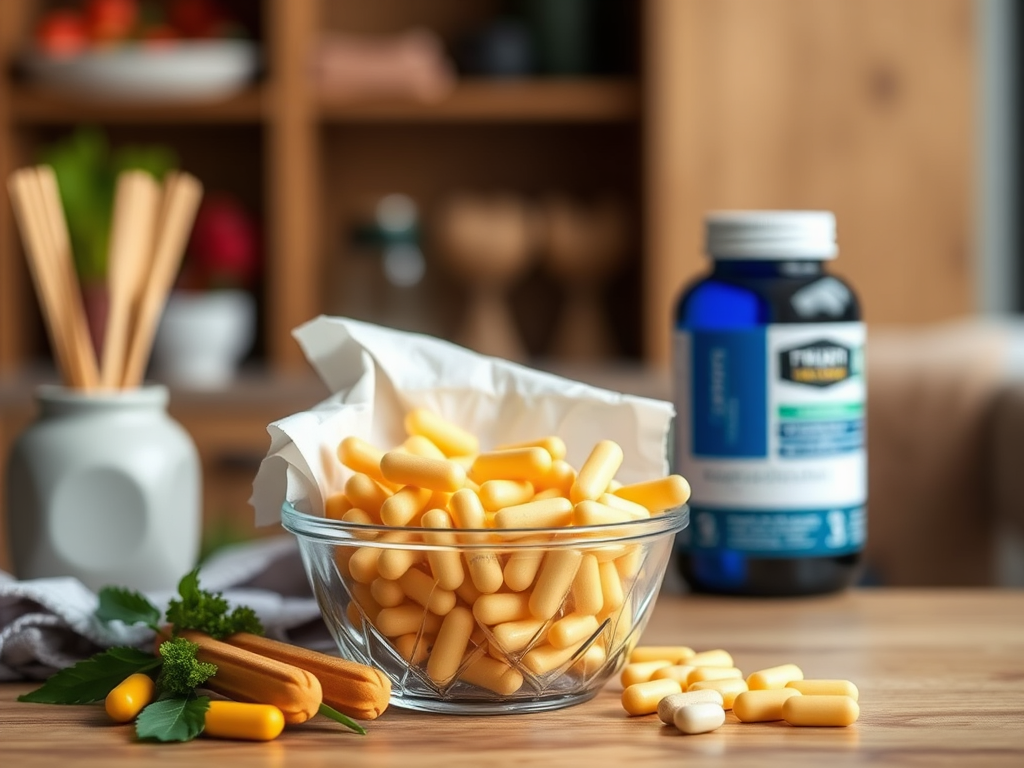
Supplements can provide additional support for joint health, especially when dietary intake is insufficient. Turmeric, known for its active compound curcumin, is praised for its anti-inflammatory effects. Research suggests that curcumin can inhibit inflammatory pathways, making turmeric a popular choice among those seeking natural relief.
Ginger is another supplement that may help reduce inflammation and improve joint function. It can be consumed in various forms, including capsules or as a tea. Glucosamine and chondroitin are also commonly used supplements that may support joint health by contributing to cartilage repair and maintenance. However, individual responses can vary, so it’s crucial to consult with a healthcare provider before starting any new supplement regimen.
Lifestyle Changes to Reduce Inflammation
Alongside dietary adjustments, certain lifestyle changes can further help in managing inflammation. Regular physical activity is essential, as it strengthens the muscles around joints and improves flexibility. Low-impact exercises such as swimming, cycling, and yoga are particularly beneficial for those with joint pain.
Maintaining a healthy weight is also crucial, as excess weight puts additional stress on joints, exacerbating inflammation. Stress management techniques, such as mindfulness and relaxation exercises, can also play a significant role in reducing inflammation. By combining dietary, exercise, and lifestyle strategies, individuals can create a comprehensive approach to support joint health.
Frequently Asked Questions
What are the best foods to reduce joint inflammation?
Foods rich in omega-3 fatty acids, such as fatty fish, nuts, and seeds, as well as fruits and vegetables high in antioxidants, like berries and leafy greens, are best for reducing joint inflammation.
How do turmeric and ginger help inflammation?
Turmeric contains curcumin, a compound known for its strong anti-inflammatory effects, while ginger has compounds that can reduce inflammatory markers in the body, both supporting joint health.
Can lifestyle changes impact joint inflammation?
Yes, regular exercise, maintaining a healthy weight, and managing stress can significantly reduce joint inflammation and improve overall joint function.
Are there any risks associated with supplements for joint health?
Some supplements can interact with medications or cause side effects, so it is essential to consult with a healthcare provider before starting any new supplement regimen.
How quickly can I see results from dietary changes?
Results can vary, but many people report improvements in joint pain and inflammation within a few weeks of adopting an anti-inflammatory diet.
Further Reading
Authoritative Sources
- Dietary Approaches to Prevent Inflammation
ncbi.nlm.nih.govThis source provides insights into how dietary changes can influence inflammation levels in the body
- Anti-Inflammatory Diet
arthritis.orgThis article outlines dietary strategies specifically aimed at reducing inflammation associated with arthritis
- Best Anti-Inflammatory Foods
healthline.comA comprehensive list of foods known to reduce inflammation along with their benefits
- Understanding the Anti-Inflammatory Diet
webmd.comThis source explains the principles of the anti-inflammatory diet and its potential health benefits
Conclusion
Incorporating natural inflammation fighters for joints, such as specific foods and supplements, can significantly enhance joint health and reduce discomfort. Focus on a balanced diet rich in omega-3 fatty acids, antioxidants, and anti-inflammatory compounds. Additionally, adopting a healthier lifestyle through exercise and weight management will further support your joint function. By taking these practical steps, you can promote long-term joint health and improve your quality of life.