
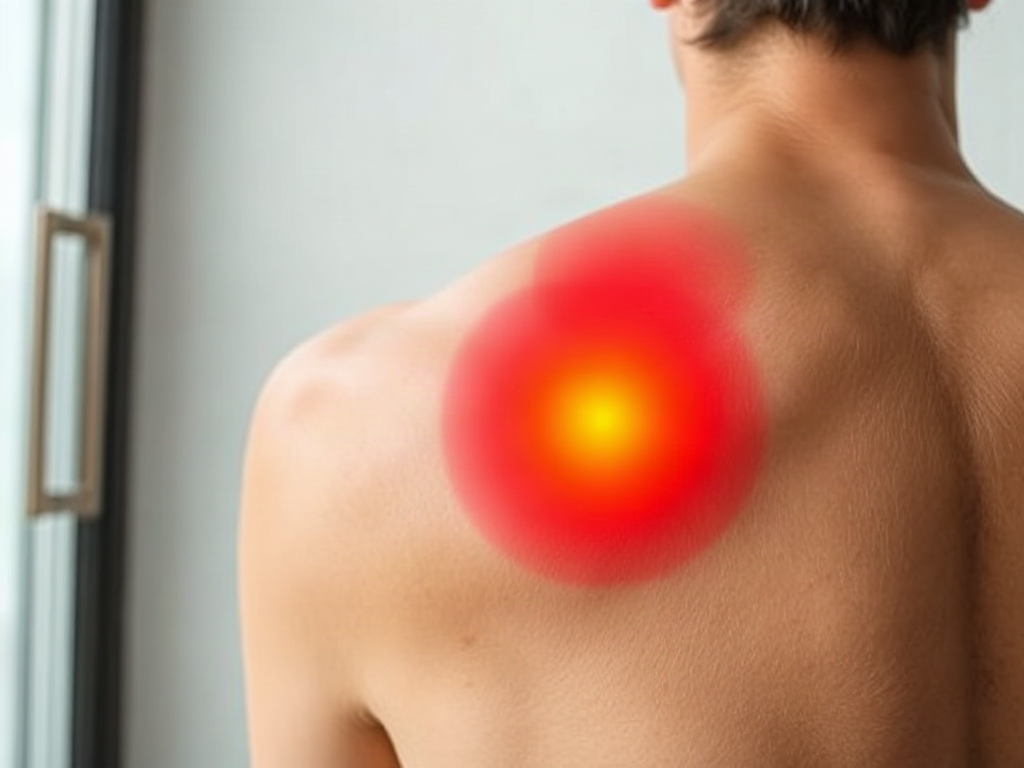
Pain beneath the left shoulder blade: possible causes include strained muscles, irritated ribs or joints, nerve compression in the neck, and referred pain from the heart, lungs, stomach, or spleen. Muscle-related discomfort often follows lifting, prolonged sitting, coughing, or an awkward sleeping position and may change with movement or touch. Sudden pressure-like pain with shortness of breath, sweating, nausea, faintness, or discomfort spreading to the chest, jaw, or arm requires emergency evaluation. Fever, a new rash, weakness, numbness, or pain after significant injury also deserves prompt medical attention. Track when the pain began, what movements affect it, and any symptoms outside the shoulder area.
How The Pain Pattern Narrows The Possible Cause
The location beneath the left shoulder blade is useful, but it does not identify one structure by itself. Muscles, ribs, spinal joints, nerves, and organs can all create discomfort in the same region. The most helpful clues are timing, aggravating movements, associated symptoms, and whether the area is tender when touched. A clinician may also need to assess the neck, shoulder, chest, breathing pattern, and abdomen rather than examining only the painful spot.
Aches that began after carrying a heavy bag, reaching overhead, rowing, coughing, or sleeping with the neck rotated are more compatible with a mechanical problem. Muscle pain often changes when the shoulder blade moves, when the upper back is rotated, or when pressure is applied to a tight area. That pattern does not prove a strain, but it makes a chest or abdominal source less likely than it would be if the pain were unaffected by movement.
Duration matters as well. A mild ache that gradually improves over several days is different from pain that is worsening, repeatedly returning, or present at rest. Burning, tingling, electric sensations, or pain traveling down the arm point toward nerve involvement. Sharp discomfort with a deep breath can arise from irritated muscles between the ribs, but it can also occur with conditions affecting the lungs, so breathing symptoms should not be dismissed.
For a practical first pass, record what happened before the pain started, whether movement changes it, whether pressing the area reproduces it, and whether you have fever, breathlessness, nausea, sweating, rash, weakness, or numbness. Those observations make a medical visit more efficient and reduce the common mistake of assuming that every shoulder-blade symptom is simply a pulled muscle.
Muscle, Rib, Neck, And Nerve Sources
Musculoskeletal causes are common because the shoulder blade is controlled by several muscles that connect the neck, spine, ribs, and shoulder. The trapezius, rhomboids, serratus muscles, and muscles between the ribs may become overloaded by repetitive reaching, lifting, sudden exercise, or prolonged desk posture. Pain can feel deep even when the source is close to the surface, and protective muscle tension can make the surrounding area feel stiff.
A typical example is discomfort that appears the day after moving furniture. Turning the torso, pulling the shoulder backward, or taking a large arm movement may reproduce it, while resting the arm reduces it. Gentle activity, heat, and temporary avoidance of the provoking task may be reasonable for a mild strain. Forceful stretching, aggressive massage, or returning immediately to heavy lifting can prolong irritation, particularly when the tissue is still sensitive.
The neck can refer pain toward the inner shoulder blade when a cervical joint or nerve root is irritated. Neck stiffness, headaches, pins and needles, or symptoms extending into the arm make this possibility more relevant. A nerve-related pattern is usually less responsive to pressing the shoulder blade itself than a local muscle problem. Weakness, dropping objects, or progressive numbness should prompt clinical assessment rather than a self-directed exercise program.
Rib and upper-back joints can also cause a sharply localized sensation, especially after coughing, twisting, or impact. Pain that is clearly linked to a specific movement may be mechanical, but pain with breathing should be interpreted alongside cough, fever, and shortness of breath. A useful principle is to choose low-risk measures first—relative rest, comfortable movement, and attention to posture—while stopping if symptoms spread, intensify, or develop neurological features. Related information may be useful in Pain beneath the left shoulder blade: possible causes.
Referred Pain From The Chest Or Abdomen
Referred pain occurs when irritation in an internal organ is perceived in a nearby or shared nerve region rather than at the organ itself. The heart, lungs, digestive organs, and spleen can sometimes produce discomfort near the left shoulder blade. The absence of obvious chest pain does not completely exclude a heart-related problem, particularly when the sensation is new, unexplained, or accompanied by exertional symptoms.
Emergency warning signs include pressure or tightness in the chest, shortness of breath, cold sweating, faintness, unusual weakness, nausea, or discomfort spreading to the jaw or arm. A person with those symptoms should seek emergency care rather than testing whether stretching or an over-the-counter pain reliever helps. Heart symptoms may be less typical in older adults and some people with diabetes, so relying only on a dramatic chest sensation is unsafe.
Lung-related causes may be more concerning when pain is sudden, worsens with breathing, or occurs with breathlessness, coughing, fever, or coughing blood. These features can reflect conditions ranging from infection to a serious circulation problem. They cannot be sorted reliably through an online symptom description. Abdominal sources may be accompanied by upper-abdominal pain, vomiting, fever, or pain after meals; a shoulder-blade location does not make those symptoms orthopedic.
Shingles can begin with burning or hypersensitivity on one side before a visible rash appears. A new strip-like rash or marked skin sensitivity deserves prompt medical advice because treatment timing can matter. The main comparison is not “muscle pain versus nothing serious,” but mechanical pain versus symptoms that involve breathing, circulation, digestion, skin, or general illness. If the pattern does not fit a recent physical trigger, arrange an evaluation instead of repeatedly treating the area as a strain.
When To Seek Care And What To Track
Urgency depends on the symptom combination, not merely on the left-sided location. Call emergency services for shoulder-blade discomfort with chest pressure, significant breathing difficulty, fainting, severe sweating, sudden confusion, or new weakness. Immediate assessment is also appropriate after major trauma, especially when breathing is painful or the person cannot use the arm normally.

Prompt medical care is sensible for fever, persistent cough, coughing blood, a spreading rash, progressive numbness, arm weakness, severe abdominal symptoms, or pain that is rapidly worsening. Arrange a routine appointment when the discomfort lasts beyond a short period without clear improvement, repeatedly returns, interferes with sleep or work, or cannot be linked to a plausible movement-related trigger. People with known heart, lung, or vascular disease should use a lower threshold for evaluation.
Until assessed, avoid the common mistake of masking a changing symptom with escalating medication or strenuous self-treatment. Follow the label for any over-the-counter product and consider personal risks such as ulcers, kidney disease, blood thinners, pregnancy, or medication interactions. Comfortable walking and gentle range-of-motion work may be preferable to complete immobilization for a mild mechanical ache, but neither should be used to challenge sharp or escalating pain.
A concise symptom log can include:
- the exact start time and activity before onset;
- whether movement, touch, meals, coughing, or deep breathing changes it;
- pain severity and whether it travels into the chest, arm, neck, or abdomen;
- fever, breathlessness, nausea, sweating, rash, weakness, or numbness;
- what you tried and whether the trend is improving or deteriorating.
That information helps distinguish a resolving mechanical problem from a pattern that needs examination. It also prevents a weak assumption—such as “it hurts when I press it, so it cannot be serious”—from delaying care. Local tenderness may support a musculoskeletal source, but it is not a guarantee.
Frequently Asked Questions
Can poor posture cause pain beneath the left shoulder blade?
Yes. Sustained rounding of the upper back can overload shoulder-blade muscles and create aching or stiffness, especially after desk work. Improvement with position changes supports, but does not prove, a mechanical cause.
When is shoulder-blade pain an emergency?
Seek emergency help when it occurs with chest pressure, major shortness of breath, fainting, cold sweating, severe weakness, or pain spreading to the jaw or arm.
Why does the pain worsen when I take a deep breath?
Rib or chest-wall irritation can cause this pattern, but lung conditions can as well. Breathlessness, fever, cough, or sudden severe onset makes prompt medical assessment more important.
Could a pinched nerve cause pain near the shoulder blade?
Yes. Irritation in the neck may refer burning or electric pain toward the shoulder blade and arm. Numbness, tingling, or weakness should be assessed by a clinician.
How long should mild shoulder-blade pain last?
A minor strain may gradually improve over days, but there is no safe universal deadline. Arrange care if it worsens, keeps returning, disrupts sleep, or fails to show clear improvement.
Conclusion
Pain beneath the left shoulder blade may come from an overloaded muscle, rib or spinal joint, neck nerve, or a condition referring pain from the chest or abdomen. Movement-related tenderness after a clear physical trigger is more reassuring than unexplained pain with breathing, exertion, fever, neurological changes, or general illness, but no single clue establishes the diagnosis. Track the onset, triggers, spread, and associated symptoms rather than repeatedly assuming a strain. Use gentle activity only when it feels comfortable, avoid aggressive self-treatment, and seek urgent help for chest, breathing, fainting, sweating, or spreading neurological symptoms. Persistent or unexplained discomfort deserves an examination so the underlying source—not just the painful location—can be evaluated.