
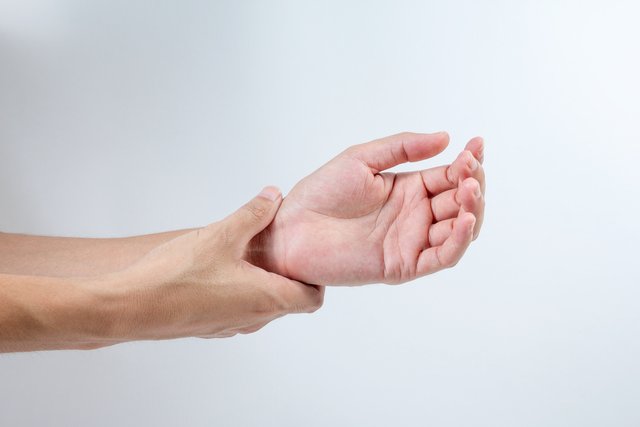
What Causes Joint Pain That Comes and Goes Randomly: Common Triggers and Effective Management Strategies

What causes joint pain that comes and goes randomly decisions improve when you prioritize constraints, tradeoffs, and common mistakes before acting.

Understanding the underlying mechanisms of joint pain can help individuals prioritize their health strategies. Common triggers include overuse of joints during certain activities, sudden changes in physical activity levels, or dietary factors such as inflammation-inducing foods. For some, stress and lack of sleep can exacerbate joint pain, creating a cycle that can be difficult to break. Identifying these triggers can empower individuals to make informed choices about their health and lifestyle.

Inflammatory Conditions and Joint Pain

Inflammatory conditions are a primary cause of joint pain that appears intermittently. Conditions such as rheumatoid arthritis, lupus, and gout can lead to sudden flares of pain and swelling. The immune system mistakenly attacks the body’s tissues, resulting in inflammation that can affect the joints.

It’s crucial to monitor symptoms and seek medical advice when experiencing unexplained joint pain. Regular check-ups can help manage these conditions effectively, often involving medications that reduce inflammation and pain, such as NSAIDs or corticosteroids. Understanding the pattern of the pain can also help in identifying specific triggers that may lead to flare-ups.

Lifestyle Factors Influencing Joint Pain

Several lifestyle factors can contribute to the recurrence of joint pain. Physical activity levels, weight management, and even posture can influence joint health. Overexertion or improper body mechanics during physical activities can lead to pain that comes and goes.

Implementing a balanced exercise routine that includes strength training, flexibility exercises, and low-impact activities like swimming can help maintain joint function. Additionally, maintaining a healthy weight can reduce stress on weight-bearing joints, potentially decreasing the frequency and severity of pain episodes.

Dietary Considerations for Joint Health

Diet plays a significant role in joint health. Certain foods can trigger inflammation, while others can help alleviate it. Foods rich in omega-3 fatty acids, antioxidants, and vitamins can support joint health and reduce inflammation.

Incorporating foods like fatty fish, nuts, seeds, and leafy greens into your diet can provide essential nutrients that combat inflammation. Conversely, processed foods, sugars, and excessive saturated fats can worsen joint pain. Keeping a food diary may help identify dietary triggers that correlate with pain episodes.

When to Seek Medical Attention

While occasional joint pain may not be a cause for concern, persistent or severe pain should prompt a visit to a healthcare provider. Symptoms such as swelling, redness, or decreased range of motion can indicate a more serious condition that requires intervention.

Consulting with a healthcare professional can provide clarity on the underlying causes of joint pain, ensuring appropriate treatment options are explored. Early intervention can prevent further joint damage and improve overall quality of life.

Further Reading

Authoritative Sources

  • MedlinePlus
    medlineplus.gov

    Consumer-friendly medical and health information from the U.S. National Library of Medicine.

  • National Institutes of Health
    nih.gov

    Research-based health information and links to authoritative medical resources.

  • Centers for Disease Control and Prevention
    cdc.gov

    Official public health guidance, prevention resources, and topic-specific recommendations.

  • Mayo Clinic
    mayoclinic.org

    Trusted clinical guidance, symptom explainers, and treatment overviews.

  • World Health Organization
    who.int

    Global health guidance, fact sheets, and evidence-based public health information.

Frequently Asked Questions

What are common causes of intermittent joint pain?

Common causes include inflammatory conditions, repetitive strain injuries, and dietary factors that provoke inflammation.

How can diet affect joint pain?

A diet high in processed foods and sugars can increase inflammation, while foods rich in omega-3s and antioxidants can help reduce it.

When should I see a doctor about joint pain?

Seek medical attention if joint pain is persistent, severe, or accompanied by swelling, redness, or limited mobility.

Can lifestyle changes help manage joint pain?

Yes, maintaining a healthy weight, exercising regularly, and using proper body mechanics can alleviate joint pain.

What role does stress play in joint pain?

Stress can exacerbate joint pain by increasing inflammation and causing muscle tension around the joints.

Conclusion

Understanding what causes joint pain that comes and goes randomly is crucial for effective management. Identifying triggers, whether they are lifestyle-related, dietary, or due to underlying health conditions, allows for proactive measures. Prioritizing a balanced diet, regular physical activity, and maintaining a healthy weight can significantly improve joint health. If symptoms persist or worsen, consulting a healthcare provider is essential for proper diagnosis and treatment.

What Causes Joint Pain Flare Ups During Stress: Triggers and Management Strategies

What causes joint pain flare ups during stress decisions improve when you prioritize constraints, tradeoffs, and common mistakes before acting.

Understanding the connection between stress and joint pain is crucial. Stress can lead to an inflammatory response in the body, causing existing joint conditions, such as arthritis, to worsen. Additionally, when stressed, individuals may unconsciously tense their muscles, leading to further discomfort. Recognizing these triggers helps in taking proactive measures.

The Connection Between Stress and Joint Pain

Stress can significantly affect our physical health, particularly in relation to joint pain. When the body experiences stress, it releases hormones such as cortisol, which can increase inflammation. This inflammatory response can exacerbate conditions like arthritis, leading to painful flare ups. Furthermore, stress may cause individuals to adopt poor postures or limit movement, which can aggravate joint discomfort.

A common misconception is that stress only affects mental health. However, the physical manifestations can be just as impactful. For instance, individuals might not realize that their stress-induced habits—like clenching their jaws or slumping at their desks—can lead to increased tension in their joints. Prioritizing stress management could be key to alleviating joint pain.

Common Triggers for Joint Pain During Stress

Several factors can trigger joint pain flare ups during stressful periods. These include physical inactivity, muscle tension, and lifestyle choices that often accompany stress, such as poor diet and lack of sleep. Physical inactivity can weaken muscles around joints, making them more susceptible to pain.

Muscle tension is another significant contributor. When stressed, people may unconsciously tighten their muscles, particularly in the neck, shoulders, and back, which can lead to referred pain in the joints. It’s also important to recognize that stress can lead to unhealthy coping mechanisms, such as overeating or neglecting exercise, which could further worsen joint health.

  • Physical inactivity
  • Muscle tension
  • Poor diet choices
  • Lack of sleep

Effective Management Strategies

Managing stress is crucial for minimizing joint pain flare ups. Techniques such as mindfulness meditation, yoga, and regular physical activity can significantly reduce stress levels and improve overall joint health. These practices not only help manage stress but also promote better posture and flexibility.

Additionally, incorporating anti-inflammatory foods into your diet can support joint health. Foods rich in omega-3 fatty acids, antioxidants, and vitamins can help reduce inflammation, thereby easing joint pain. Staying hydrated and maintaining a regular sleep schedule also play essential roles in managing stress and its impact on joints.

  • Practice mindfulness meditation
  • Engage in regular physical activity
  • Incorporate anti-inflammatory foods
  • Maintain hydration and sleep hygiene

Further Reading

Authoritative Sources

  • Arthritis Foundation
    arthritis.org

    A comprehensive resource for understanding arthritis and joint health, including stress management tips

  • National Institutes of Health
    ncbi.nlm.nih.gov

    nih.govResearch articles on the relationship between stress and inflammation in the body

  • Mayo Clinic
    mayoclinic.org

    Information on joint pain management techniques and lifestyle changes that can help

  • Harvard Health
    health.harvard.edu

    Insights into the impact of stress on physical health and practical coping strategies

Frequently Asked Questions

Can stress really cause joint pain?

Yes, stress can lead to inflammation and muscle tension, both of which can exacerbate existing joint pain.

What lifestyle changes can help reduce joint pain during stress?

Incorporating regular exercise, practicing mindfulness, and maintaining a healthy diet can significantly help reduce joint pain during stressful periods.

Are there specific exercises that help with joint pain?

Low-impact exercises such as swimming, cycling, and yoga can help strengthen the muscles around joints and improve flexibility.

How does diet influence joint pain during stress?

A diet rich in anti-inflammatory foods like fatty fish, nuts, and leafy greens can help reduce inflammation and alleviate joint pain.

Is it necessary to see a doctor for joint pain caused by stress?

If joint pain persists or worsens, it’s important to consult a healthcare professional to rule out underlying conditions.

Conclusion

Addressing the causes of joint pain flare ups during stress is essential for maintaining a healthy lifestyle. By understanding the connection between stress and joint pain, individuals can take proactive steps to manage their stress levels and improve their overall joint health. Incorporating mindfulness practices, staying active, and making dietary adjustments can significantly mitigate the impact of stress on joints. Prioritizing these strategies will not only alleviate pain but also enhance overall well-being.

What Causes Joint Stiffness After Waking Up in Morning: Common Causes and Remedies

What causes joint stiffness after waking up in morning decisions improve when you prioritize constraints, tradeoffs, and common mistakes before acting.

Understanding the underlying causes of morning joint stiffness is crucial for managing and mitigating symptoms. Many individuals assume that stiffness is a natural part of aging, but it can also be a sign of underlying health conditions that require attention. Factors such as dehydration, improper mattress support, and even certain medications can exacerbate stiffness. Addressing these issues early can lead to more effective management of symptoms and improved overall well-being.

Arthritis and Joint Stiffness

Arthritis is one of the most common causes of joint stiffness, particularly in the morning. Osteoarthritis and rheumatoid arthritis can lead to inflammation and pain, making movement difficult. Understanding the type of arthritis present is essential for proper management.

Many people with arthritis may overlook the importance of early morning routines. Gentle stretching can significantly reduce stiffness and improve mobility. Incorporating low-impact exercises, such as yoga or tai chi, into a morning routine can help maintain joint flexibility and reduce discomfort.

Impact of Sleep Position

The way you sleep can significantly influence joint stiffness. Poor sleep positions can lead to muscle strain and joint misalignment, causing discomfort upon waking. It’s essential to evaluate your sleep posture and make adjustments as needed.

Consider using supportive pillows or a mattress that maintains proper alignment of the spine and joints. This change can help alleviate pressure on the joints, leading to less stiffness in the morning. Additionally, experimenting with different sleeping positions may yield better results.

Hydration and Its Role

Dehydration can contribute to joint stiffness, as joints require adequate lubrication to function optimally. Insufficient fluid intake during the day can lead to stiffness upon waking.

To combat morning stiffness, ensure you are drinking enough water throughout the day. Aim for at least eight glasses daily, and consider having a glass of water before bedtime. Proper hydration can improve joint lubrication and reduce stiffness in the morning.

Exercise and Morning Stiffness

Regular exercise is a vital component in managing joint stiffness. Engaging in low-impact activities can help maintain joint mobility and reduce stiffness over time. Lack of movement during sleep can exacerbate stiffness, making gentle morning exercise beneficial.

Incorporating a quick stretching routine or light aerobic activity in the morning can boost blood circulation and loosen stiff joints. Simple exercises like walking, cycling, or swimming can also help maintain overall joint health and flexibility.

Further Reading

Authoritative Sources

  • MedlinePlus
    medlineplus.gov

    Consumer-friendly medical and health information from the U.S. National Library of Medicine.

  • National Institutes of Health
    nih.gov

    Research-based health information and links to authoritative medical resources.

  • Centers for Disease Control and Prevention
    cdc.gov

    Official public health guidance, prevention resources, and topic-specific recommendations.

  • Mayo Clinic
    mayoclinic.org

    Trusted clinical guidance, symptom explainers, and treatment overviews.

  • World Health Organization
    who.int

    Global health guidance, fact sheets, and evidence-based public health information.

Frequently Asked Questions

What lifestyle changes can help reduce morning joint stiffness?

Incorporating regular exercise, maintaining hydration, and improving sleep posture can significantly reduce morning joint stiffness.

Are there specific exercises that help with joint stiffness?

Low-impact exercises like swimming, cycling, and yoga are particularly effective in reducing joint stiffness.

Can diet affect joint stiffness?

Yes, a diet rich in anti-inflammatory foods, such as fruits, vegetables, and omega-3 fatty acids, can help alleviate joint stiffness.

When should I see a doctor about joint stiffness?

If joint stiffness persists for an extended period or is accompanied by severe pain, swelling, or redness, it is advisable to consult a healthcare professional.

Is joint stiffness a normal part of aging?

While some stiffness can be expected with age, persistent or severe stiffness may indicate underlying conditions that should be evaluated by a healthcare provider.

Conclusion

Joint stiffness upon waking can stem from various causes, including arthritis, sleep position, and hydration levels. To effectively manage this stiffness, prioritize gentle morning exercises, maintain proper hydration, and ensure a supportive sleep environment. By taking these proactive steps, individuals can enhance their morning mobility and overall joint health.

What Causes Joint Pain After Starting a New Workout: Common Triggers and Solutions

What causes joint pain after starting a new workout decisions improve when you prioritize constraints, tradeoffs, and common mistakes before acting.

Many individuals who initiate a new workout program may push their bodies too hard too quickly. This can cause micro-tears in the muscles and connective tissues surrounding the joints, leading to discomfort and pain. Additionally, using incorrect techniques or not properly preparing the body through warm-ups can exacerbate these issues. It’s essential to recognize these common pitfalls to adjust your approach effectively.

Overexertion and Its Effects

Overexertion is one of the primary causes of joint pain when starting a new workout. This occurs when individuals engage in exercise that exceeds their current fitness level, leading to physical stress on the joints. The body may not be adequately conditioned to handle the intensity, resulting in pain and inflammation.

To mitigate the risk of overexertion, it’s crucial to gradually increase workout intensity. Begin with lower weights or easier exercises and progressively challenge yourself. Listen to your body; if you experience pain, consider reducing the intensity or taking additional rest days.

Importance of Proper Form

Using improper form during exercises can significantly increase the risk of joint pain. Incorrect alignment or movement patterns can place undue stress on the joints, leading to injuries. For instance, squatting with knees that extend beyond the toes can strain the knees, while poor posture during lifting can affect the back and shoulders.

To ensure proper form, consider working with a trainer or watching instructional videos. Focus on mastering basic movements before progressing to more complex exercises. Regularly check your technique, as even small adjustments can prevent pain and injury.

The Role of Warm-Ups

Inadequate warm-ups can also lead to joint pain after initiating a new workout. Warm-ups prepare the body for physical activity by increasing blood flow to the muscles and enhancing joint mobility. Skipping this crucial step can result in stiffness and increased susceptibility to injuries.

Incorporate dynamic stretches and light aerobic activities into your warm-up routine. Aim for at least 5-10 minutes of warming up to ensure your joints and muscles are ready for more strenuous activity. This practice can significantly reduce the likelihood of pain and injuries.

Further Reading

Authoritative Sources

  • Exercise and Joint Pain
    ncbi.nlm.nih.gov

    This article discusses the relationship between exercise and joint health, providing insights into safe practices for new workouts

Frequently Asked Questions

What should I do if I experience joint pain after a workout?

Rest the affected joint, apply ice, and consider over-the-counter pain relief. If pain persists, consult a healthcare professional.

Can I continue exercising with joint pain?

It’s advisable to stop the activity that caused the pain and allow for recovery. Modify your routine to focus on low-impact exercises.

How long does joint pain usually last after starting a new workout?

Joint pain duration varies; it can last a few days to weeks depending on the cause and severity. Persistent pain should be evaluated by a professional.

Are there specific exercises to avoid with joint pain?

Avoid high-impact activities like running or jumping if you have joint pain. Focus on low-impact exercises like swimming or cycling instead.

How can I prevent joint pain when starting a new workout?

Gradually increase workout intensity, prioritize proper form, and ensure adequate warm-ups to minimize the risk of joint pain.

Conclusion

Understanding the causes of joint pain after starting a new workout is crucial for maintaining a healthy and effective exercise routine. Prioritize gradual progression, focus on proper form, and always include warm-ups. By being mindful of these factors, you can enjoy your workouts while minimizing discomfort and injury risks. If pain persists, seeking professional advice is essential to ensure you remain active safely.

Understanding What Causes Sudden Joint Pain

What causes sudden joint pain decisions improve when you prioritize constraints, tradeoffs, and common mistakes before acting.

Sudden joint pain can arise from numerous sources, ranging from acute injuries to chronic medical conditions. Understanding the underlying causes is essential for effective treatment and management. Common triggers include traumatic injuries, such as sprains or fractures, inflammatory conditions like arthritis, and infections. Each cause requires a different approach to diagnosis and treatment, making it crucial to accurately identify the source of the pain.

When experiencing sudden joint pain, the stakes are high. Many individuals may assume that their symptoms are merely a result of overexertion or aging, leading to missed opportunities for timely intervention. Misdiagnosing the issue can result in ineffective treatments or worsening conditions. Therefore, it’s important to recognize the signs of more serious issues, like infections or autoimmune diseases, which may require immediate medical attention.

Common Causes of Sudden Joint Pain

Several factors can lead to sudden joint pain, with some of the most prevalent being injuries, arthritis flare-ups, and infections. For instance, a sports-related injury might cause acute pain in a specific joint, while conditions like gout or rheumatoid arthritis can lead to sudden inflammation and discomfort.

Understanding the nuances of these conditions is vital. For example, injuries often come with swelling and bruising, providing visual cues that indicate a need for rest and possibly medical evaluation. Conversely, conditions like rheumatoid arthritis might not present immediate visible signs but can lead to severe pain and long-term damage if untreated.

When to Seek Medical Attention

Recognizing when to consult a healthcare professional is crucial for addressing sudden joint pain effectively. If the pain is accompanied by symptoms such as significant swelling, redness, fever, or inability to move the joint, seeking medical attention should be a priority. These signs could indicate a more serious underlying issue, such as an infection or severe injury.

Additionally, if the pain persists or worsens despite home care measures, it is essential to consult a healthcare provider. Early diagnosis often leads to better outcomes and can prevent chronic issues from developing.

Home Remedies and Treatments

For mild cases of sudden joint pain, various home remedies may provide relief. Resting the affected joint, applying ice, and elevating the area can help reduce pain and swelling. Over-the-counter anti-inflammatory medications can also be effective in managing symptoms.

However, it’s important to approach home treatments with caution. While they can alleviate discomfort temporarily, they may not address the root cause of the pain. Therefore, if symptoms persist, further evaluation is necessary to develop a comprehensive treatment plan.

Preventive Measures

Preventing sudden joint pain involves maintaining a healthy lifestyle and being mindful of joint health. Regular exercise, a balanced diet rich in anti-inflammatory foods, and proper hydration can contribute significantly to joint health. Additionally, avoiding excessive strain on joints during physical activities can help mitigate risks of injury.

Being proactive about joint health is key. Individuals with a history of joint issues should consider regular check-ups with healthcare providers to monitor their condition and adjust their preventive strategies as necessary.

Further Reading

Authoritative Sources

  • Arthritis Foundation
    arthritis.org

    A comprehensive resource for understanding arthritis and joint pain management

  • National Institutes of Health
    ncbi.nlm.nih.gov

    Research articles and studies focused on joint health and pain causes

  • Mayo Clinic
    mayoclinic.org

    Guidelines and advice for managing joint pain symptoms effectively

Frequently Asked Questions

What are the immediate steps to take for sudden joint pain?

Rest the joint, apply ice, elevate it, and consider over-the-counter pain relief.

Can sudden joint pain indicate a serious condition?

Yes, symptoms like swelling, fever, or inability to move the joint warrant immediate medical attention.

What lifestyle changes can help prevent joint pain?

Regular exercise, a balanced diet, and avoiding excessive strain on joints can be beneficial.

Are there natural remedies for joint pain relief?

Home remedies include rest, ice application, and anti-inflammatory foods like turmeric and ginger.

How can I differentiate between types of joint pain?

Pay attention to accompanying symptoms, duration, and triggers; consult a healthcare provider for accurate diagnosis.

Conclusion

Understanding what causes sudden joint pain is critical for effective management. By recognizing the signs and symptoms, knowing when to seek medical attention, and implementing preventive measures, individuals can significantly improve their joint health. Prioritizing a proactive approach to joint care not only alleviates immediate discomfort but also protects against future issues.

Exit mobile version