
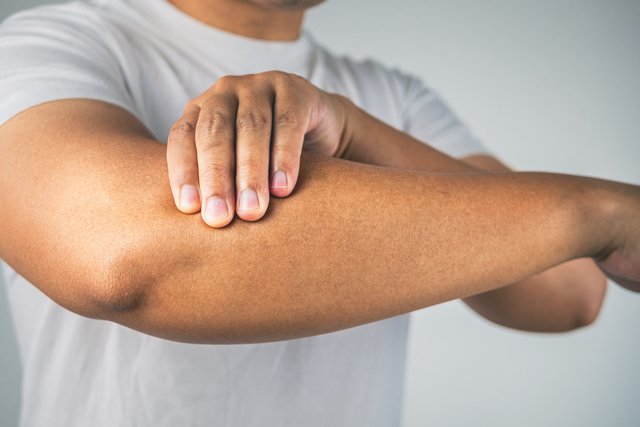
How to Reduce Joint Pain During Cold Weather Months: Essential Foods and Daily Habits

How to reduce joint pain during cold weather months decisions improve when you prioritize constraints, tradeoffs, and common mistakes before acting.

Cold weather can exacerbate joint pain for many individuals, leading to increased discomfort and stiffness. The drop in temperature can cause the tissues surrounding joints to contract, resulting in reduced mobility. Additionally, low humidity levels can lead to dehydration, which may further contribute to joint discomfort. Understanding these factors is crucial for developing effective strategies to alleviate pain during colder months.

Understanding the Connection Between Cold Weather and Joint Pain

Research indicates that many people experience increased joint pain as temperatures drop. The cold affects blood circulation, leading to stiffer joints and heightened sensitivity to pain. Moreover, barometric pressure changes can influence how our joints feel. It’s vital to recognize these patterns to better manage discomfort.

To mitigate these effects, individuals should consider keeping their joints warm through layered clothing and heating pads. Moreover, recognizing personal triggers can help in devising a proactive approach to managing pain. For example, some may find that certain physical activities exacerbate their discomfort during colder months, necessitating adjustments to their routines.

Anti-Inflammatory Foods to Incorporate

Integrating anti-inflammatory foods into your diet can significantly reduce joint pain. Foods rich in omega-3 fatty acids, such as salmon, walnuts, and flaxseeds, are particularly beneficial. Additionally, fruits and vegetables high in antioxidants, like berries and leafy greens, can help combat inflammation.

Prioritizing these foods not only aids in managing joint pain but also promotes overall health. Consider meal prepping to ensure that these foods are readily available, making it easier to stick to a diet that supports joint health. Avoiding processed foods high in sugars and unhealthy fats can also help reduce inflammation.

Effective Exercise Strategies

Regular physical activity is essential for reducing joint pain during cold weather months. Low-impact exercises such as swimming, cycling, and yoga can enhance flexibility and strengthen the muscles around the joints. Stretching routines can help alleviate stiffness and improve mobility.

However, it’s crucial to listen to your body and avoid overexertion. Warm up properly before exercise, and consider incorporating gentle stretching or yoga to increase blood flow to the joints. If outdoor activities are too uncomfortable, explore indoor options that allow for movement without exposure to cold temperatures.

Importance of Staying Hydrated

Staying hydrated is crucial for joint health, particularly during colder months when people often forget to drink enough fluids. Proper hydration helps maintain synovial fluid, which lubricates joints and reduces friction. Aim to drink water regularly throughout the day, even if you don’t feel thirsty.

Additionally, consider consuming hydrating foods, such as cucumbers and oranges, which can contribute to your overall fluid intake. Monitoring your hydration levels can help prevent joint stiffness and discomfort, allowing for a more active lifestyle.

Further Reading

Authoritative Sources

  • Ready.gov
    ready.gov

    Official U.S. preparedness guidance, checklists, and planning resources for households and emergencies.

  • FEMA
    fema.gov

    Federal emergency management resources, disaster planning information, and recovery guidance.

  • American Red Cross Emergency Preparedness
    redcross.org

    Practical emergency preparation steps, supply lists, and safety guidance for families.

  • National Weather Service
    weather.gov

    Official forecasts, hazard alerts, and weather safety information.

  • CDC Emergency Preparedness and Response
    cdc.gov

    Public health guidance for emergencies, disasters, and recovery situations.

Frequently Asked Questions

What are some effective ways to keep joints warm in cold weather?

Wearing layers, using heating pads, and engaging in warm-up exercises can help keep joints warm.

How can I tell if my joint pain is related to cold weather?

If your joint pain increases during cold, damp weather or with temperature drops, it may be weather-related.

Are there specific exercises that are better for joint pain?

Low-impact exercises like swimming, cycling, and yoga are gentle on the joints and can help improve mobility.

What role does diet play in joint pain management?

A diet rich in anti-inflammatory foods, such as omega-3 fatty acids and antioxidants, can help reduce joint pain.

How much water should I drink to stay hydrated?

Aim for at least 8 cups (64 ounces) of water daily, adjusting based on activity level and climate.

Conclusion

Managing joint pain during cold weather months involves a multifaceted approach that includes dietary adjustments, regular exercise, and proper hydration. By understanding how cold affects your joints and implementing effective strategies, you can significantly enhance your comfort and mobility. Prioritize warm clothing, nutrient-rich foods, and hydration to navigate the winter months with greater ease.
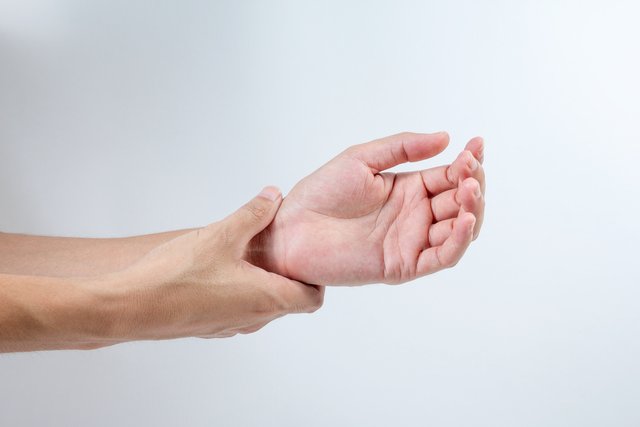
Why Does Joint Pain Get Worse During Cold Weather: Understanding Causes and Effective Management Strategies

Why does joint pain get worse during cold weather decisions improve when you prioritize constraints, tradeoffs, and common mistakes before acting.

Understanding the mechanisms behind this phenomenon is crucial for effective management. Cold weather can cause muscles and ligaments to tighten, leading to reduced joint flexibility and increased pain. Additionally, the body’s response to lower temperatures can result in decreased circulation, which can exacerbate inflammation and discomfort in affected areas. Recognizing these factors can help individuals take proactive steps to mitigate joint pain during colder months.

The Impact of Cold Weather on Joint Health

Cold weather can significantly impact joint health, leading to increased stiffness and pain. The drop in temperature causes the muscles, ligaments, and tendons surrounding the joints to contract, which can limit mobility and exacerbate discomfort. Additionally, changes in barometric pressure may lead to fluid shifts in the joints, contributing to inflammation.

Individuals with conditions like osteoarthritis may find that their symptoms worsen in winter months. It is important to be aware of these changes and to adapt one’s lifestyle accordingly. Engaging in gentle warm-up exercises before exposure to cold can help maintain flexibility and reduce pain.

Practical Management Strategies for Cold Weather Joint Pain

To effectively manage joint pain during cold weather, consider implementing specific strategies. Dressing in layers can help maintain body warmth, reducing stiffness in the joints. Regular physical activity, particularly low-impact exercises like swimming or cycling, can also alleviate symptoms by improving circulation and flexibility.

Other helpful measures include using heat therapy, such as heating pads or warm baths, to soothe aching joints. Staying hydrated is equally essential, as proper hydration can support joint lubrication. If you notice persistent pain, consider discussing with a healthcare professional about potential supplements or medications that may assist in managing your symptoms.

Common Mistakes to Avoid

Many individuals unknowingly make mistakes that can worsen joint pain in cold weather. One common mistake is neglecting physical activity due to fear of aggravating pain. Instead, a balanced approach that includes regular movement can help maintain joint health.

Another pitfall is relying solely on over-the-counter pain medications without considering lifestyle adjustments. It’s important to address the underlying causes of discomfort rather than just masking the symptoms. Additionally, avoid sudden exposure to cold environments without adequate protection, as this can trigger or intensify pain.

When to Seek Professional Help

If joint pain becomes severe or debilitating during cold weather, it may be time to seek professional help. A healthcare provider can evaluate your condition and recommend appropriate treatments or therapies tailored to your needs.

Signs that warrant a visit to a doctor include significant swelling, persistent pain despite home management strategies, or difficulty performing daily activities. Early intervention can prevent further complications and improve overall joint health.

Further Reading

Authoritative Sources

  • MedlinePlus
    medlineplus.gov

    Consumer-friendly medical and health information from the U.S. National Library of Medicine.

  • National Institutes of Health
    nih.gov

    Research-based health information and links to authoritative medical resources.

  • Centers for Disease Control and Prevention
    cdc.gov

    Official public health guidance, prevention resources, and topic-specific recommendations.

  • Mayo Clinic
    mayoclinic.org

    Trusted clinical guidance, symptom explainers, and treatment overviews.

  • World Health Organization
    who.int

    Global health guidance, fact sheets, and evidence-based public health information.

Frequently Asked Questions

Why does cold weather affect my joints?

Cold weather can lead to muscle tightening and decreased blood flow, resulting in increased joint pain and stiffness.

What can I do to relieve joint pain in winter?

Dress warmly, stay active with low-impact exercises, and use heat therapy to alleviate joint discomfort.

Is it normal for joint pain to worsen in the winter?

Yes, many individuals experience increased joint pain during colder months due to physiological changes.

Should I avoid exercise when my joints hurt in the cold?

Not necessarily. Gentle, low-impact exercises can help maintain flexibility and reduce discomfort.

When should I see a doctor about joint pain?

If you experience severe pain, swelling, or difficulty with daily activities, consult a healthcare professional.

Exit mobile version