


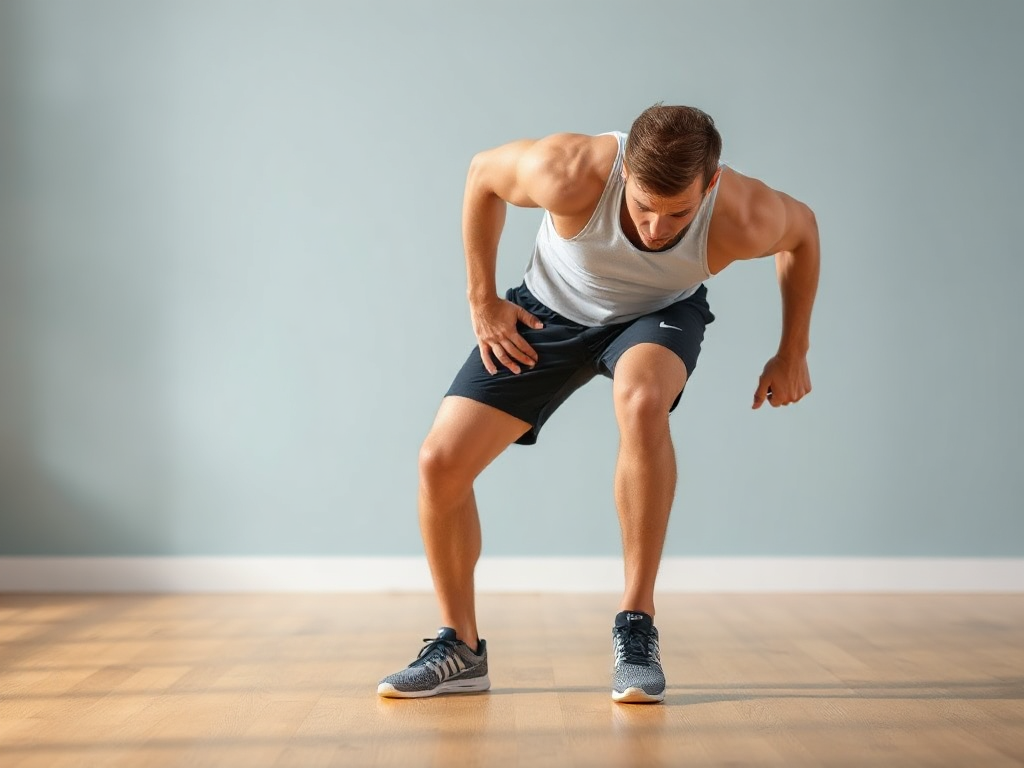
Overuse Injuries: The Silent Culprit
Overuse injuries are a primary factor contributing to joint pain in athletes, particularly in high-impact sports such as running, basketball, and soccer. These injuries occur when repetitive stress is placed on a joint without adequate rest, leading to inflammation and damage to the cartilage, ligaments, and tendons surrounding the joint. Athletes often push through pain, unaware that this can exacerbate the underlying issues.
Common examples include runner’s knee, tennis elbow, and shoulder impingement. Each of these conditions results from repetitive motions that strain the joints. For instance, runners may develop patellar tendinopathy due to excessive running without proper form or rest. To mitigate these risks, athletes should incorporate rest days into their training schedules and pay attention to their body’s signals, allowing time for recovery and rehabilitation.
Improper Training Techniques: The Importance of Form
Many athletes unknowingly use improper training techniques that place unnecessary stress on their joints. Poor form while lifting weights, running, or performing sports-specific skills can lead to misalignment and increased injury risk. For example, a common mistake in weightlifting is allowing the knees to extend beyond the toes during squats, which can place excessive pressure on the knee joints.
To improve training efficacy and reduce joint pain, athletes should seek guidance from qualified coaches who can provide feedback on technique. Video analysis and regular assessments can help identify form issues. Additionally, incorporating strength training and flexibility exercises can enhance joint stability and mobility, further reducing the risk of injury.
Inadequate Recovery: The Key to Longevity
Athletes often overlook the importance of recovery in their training regimens, which can lead to chronic joint pain. Recovery is essential for repairing muscle tissue and reducing inflammation, yet many athletes continue to train intensely without allowing their bodies sufficient time to recuperate. This can lead to cumulative trauma and increased susceptibility to injuries.
Incorporating active recovery strategies, such as low-intensity workouts, stretching, and foam rolling, can aid in the recovery process. Additionally, athletes should prioritize sleep and nutrition, as both play critical roles in the body’s ability to heal. A well-rounded approach to recovery not only alleviates joint pain but also enhances overall athletic performance.
Nutrition and Joint Health: Fueling Recovery
Nutrition significantly influences joint health and the recovery process. A diet rich in anti-inflammatory foods can help manage joint pain and promote healing. Foods high in omega-3 fatty acids, such as fatty fish, walnuts, and flaxseeds, are known for their anti-inflammatory properties and can be beneficial for athletes experiencing joint discomfort.
Additionally, maintaining proper hydration is crucial for joint lubrication and function. Dehydration can exacerbate joint pain by reducing synovial fluid, which cushions the joints. Athletes should also consider supplements like glucosamine and chondroitin, which may support joint health, although results can vary among individuals. A balanced diet combined with proper hydration creates an environment conducive to recovery and performance.


Frequently Asked Questions
What are the most common causes of joint pain in athletes?
Common causes include overuse injuries, improper training techniques, and inadequate recovery periods, all of which can lead to inflammation and wear on joints.
How can athletes prevent joint pain?
Athletes can prevent joint pain by using proper training techniques, allowing adequate recovery time, and maintaining a balanced diet rich in anti-inflammatory foods.
Is it normal for athletes to experience joint pain?
While some discomfort may be normal, persistent joint pain is a sign that should not be ignored as it may indicate an underlying injury or condition.
When should an athlete seek medical attention for joint pain?
Medical attention should be sought if joint pain is severe, persistent, or accompanied by swelling, redness, or decreased range of motion.
What role does nutrition play in joint health for athletes?
Nutrition plays a vital role in joint health by providing essential nutrients that support recovery and reduce inflammation, helping to alleviate joint pain.
Further Reading
Authoritative Sources
- Nutrition and Joint Health
ncbi.nlm.nih.govThis resource discusses the relationship between nutrition and joint health, emphasizing the role of specific nutrients in recovery and pain management
- National Athletic Trainers' Association
athletictraining.orgA comprehensive resource for athletes seeking information on injury prevention, treatment, and recovery strategies
Conclusion
Understanding the factors that contribute to joint pain in athletes is essential for effective management and prevention. By addressing overuse injuries, refining training techniques, prioritizing recovery, and focusing on nutrition, athletes can significantly reduce their risk of joint pain. Implementing these strategies not only enhances performance but also promotes long-term joint health, ensuring athletes can continue to engage in their sports without hindrance.