
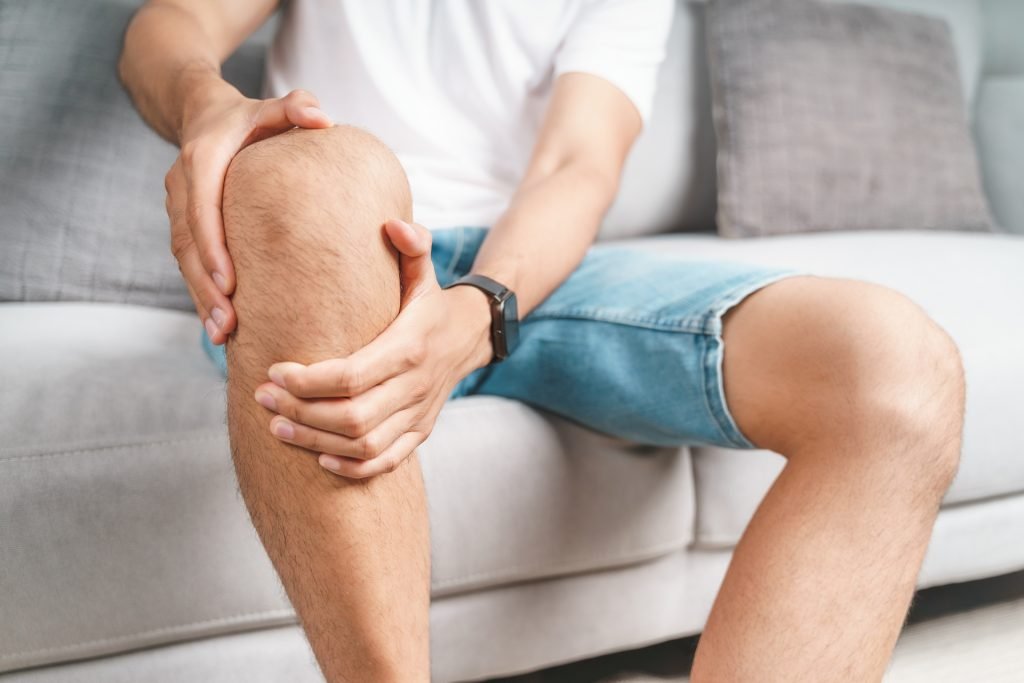
How to Prevent Joint Pain from Daily Repetitive Tasks: Effective Techniques and Ergonomic Practices

How to prevent joint pain from daily repetitive tasks decisions improve when you prioritize constraints, tradeoffs, and common mistakes before acting.

Understanding the specific movements and positions that lead to joint discomfort is crucial. For instance, repetitive motions like typing or lifting can put excessive stress on joints, leading to inflammation and pain. It’s essential to identify these tasks and modify them through ergonomic adjustments and frequent breaks to alleviate pressure and promote recovery.

Ergonomic Workspace Setup

Creating an ergonomic workspace is the first step in preventing joint pain. This involves arranging your desk, chair, and computer equipment to promote a neutral body position.

Ensure your chair supports your lower back, and your feet rest flat on the floor. Your monitor should be at eye level to avoid straining your neck. Using a keyboard and mouse that allow your wrists to remain straight can significantly reduce stress on your joints. Small adjustments can make a big difference in comfort and long-term joint health.

Targeted Exercises for Joint Health

Incorporating specific exercises into your routine can strengthen the muscles surrounding your joints, providing better support and reducing pain. Focus on low-impact activities such as swimming, walking, or cycling.

Stretching exercises are also beneficial. Incorporating flexibility routines, like yoga, can improve your range of motion and help alleviate stiffness. Regularly practicing these exercises can help maintain joint function and prevent discomfort associated with repetitive tasks.

Importance of Breaks and Movement

Regular breaks are essential for preventing joint pain during repetitive tasks. Taking short breaks every 30 to 60 minutes can help alleviate stress on your joints and muscles.

During breaks, engage in light stretching or movement. This not only helps reduce fatigue but also promotes circulation, which is vital for joint health. Standing up, walking around, or performing simple stretches can significantly enhance your comfort and productivity.

Common Mistakes to Avoid

Many individuals overlook the importance of ergonomic setups and regular breaks, leading to chronic joint pain. Failing to adjust your workspace or neglecting to take breaks can exacerbate discomfort.

Another common mistake is using improper lifting techniques. Always lift with your legs, not your back, and avoid twisting your body while carrying heavy objects. Educating yourself on the right techniques can prevent injuries and promote better joint health.

Further Reading

Authoritative Sources

  • MedlinePlus
    medlineplus.gov

    Consumer-friendly medical and health information from the U.S. National Library of Medicine.

  • National Institutes of Health
    nih.gov

    Research-based health information and links to authoritative medical resources.

  • Centers for Disease Control and Prevention
    cdc.gov

    Official public health guidance, prevention resources, and topic-specific recommendations.

  • Mayo Clinic
    mayoclinic.org

    Trusted clinical guidance, symptom explainers, and treatment overviews.

  • World Health Organization
    who.int

    Global health guidance, fact sheets, and evidence-based public health information.

Frequently Asked Questions

What are the best ergonomic practices for desk work?

Position your monitor at eye level, keep your feet flat on the floor, and use a chair that supports your lower back.

How often should I take breaks to prevent joint pain?

It’s recommended to take breaks every 30 to 60 minutes to reduce strain on your joints.

What exercises are effective for joint health?

Low-impact exercises like swimming, walking, and yoga can strengthen the muscles around joints and improve flexibility.

Can poor posture lead to joint pain?

Yes, poor posture can lead to joint pain by placing undue stress on joints and surrounding muscles.

What should I do if I experience joint pain?

If you experience persistent joint pain, consult a healthcare professional for a proper assessment and treatment options.

Conclusion

Preventing joint pain from daily repetitive tasks involves a combination of ergonomic adjustments, targeted exercises, and regular movement breaks. Prioritize creating a workspace that supports your body, engage in exercises that enhance joint strength and flexibility, and remember to take breaks to alleviate stress. By taking these practical steps, you can significantly reduce the risk of joint discomfort and maintain your overall health.

How to Relieve Elbow Joint Pain From Repetitive Motion: Effective Exercises and Recovery Techniques

How to relieve elbow joint pain from repetitive motion decisions improve when you prioritize constraints, tradeoffs, and common mistakes before acting.

Understanding the root causes of elbow joint pain is crucial. Commonly, this discomfort arises from repetitive tasks, such as typing or manual labor, which strain the muscles and tendons around the elbow. Recognizing the signs early allows for prompt intervention, reducing the risk of chronic issues. It’s essential to balance activity with periods of rest to avoid exacerbating the condition.

Identifying the Symptoms of Elbow Pain

Common symptoms of elbow pain include tenderness, swelling, and reduced range of motion. These signs often indicate strain from repetitive activities. Being aware of these symptoms allows for timely intervention, which is critical in preventing long-term damage.

Many individuals overlook early signs of discomfort, attributing them to normal fatigue. However, ignoring these symptoms can lead to conditions like tendonitis or bursitis. It’s crucial to listen to your body and adjust your activities accordingly. For instance, if typing induces pain, consider taking breaks or using voice recognition software as alternatives.

Effective Exercises for Relief

Incorporating specific exercises can help alleviate elbow pain. Strengthening the forearm muscles and improving flexibility can significantly reduce discomfort. Simple stretches, such as wrist flexor and extensor stretches, are effective in enhancing mobility.

Additionally, performing resistance exercises can help build muscle strength, providing better support to the elbow joint. Exercises like wrist curls and reverse wrist curls can be integrated into a daily routine. Always ensure to perform these exercises with proper form to avoid further injury.

Ergonomic Adjustments to Prevent Pain

Implementing ergonomic adjustments in your workspace is vital for preventing elbow pain. Proper desk height, chair support, and keyboard positioning can alleviate strain during repetitive tasks.

For instance, positioning your keyboard at elbow height allows for a neutral wrist position, reducing the risk of strain. Additionally, using tools like ergonomic chairs or wrist supports can enhance comfort during prolonged activities. Regularly reassessing your workspace setup is essential to maintain optimal ergonomics.

Recovery Techniques to Enhance Healing

Recovery from elbow joint pain often involves a multifaceted approach. Techniques such as rest, ice application, and compression can significantly aid in reducing inflammation and pain.

Incorporating rest periods into your routine is crucial. Allowing the elbow to recover can prevent further injury. Utilizing ice packs for 15-20 minutes can help alleviate swelling. Finally, consider consulting a physical therapist for personalized recovery strategies tailored to your specific needs.

Further Reading

Authoritative Sources

  • Tennis Elbow
    orthoinfo.org

    This resource provides in-depth information on tennis elbow, a common condition related to repetitive motion, including symptoms and treatments

  • Mayo Clinic: Tennis Elbow
    mayoclinic.org

    Offers a comprehensive overview of tennis elbow, its causes, symptoms, and effective treatment options, including exercises

  • WebMD: Tennis Elbow
    webmd.com

    This article discusses tennis elbow, detailing its causes, symptoms, and recommended treatments

Frequently Asked Questions

What causes elbow pain from repetitive motion?

Elbow pain from repetitive motion is often caused by strain on the muscles and tendons due to activities like typing or manual labor.

How can I prevent elbow pain while working?

To prevent elbow pain, ensure your workspace is ergonomically set up, take regular breaks, and perform stretching exercises.

What are some effective exercises for elbow pain relief?

Effective exercises include wrist curls, reverse wrist curls, and stretching the forearm muscles to improve flexibility and strength.

Is it safe to continue working with elbow pain?

No, continuing to work with elbow pain can lead to more severe injuries. It’s important to rest and adjust activities.

Resting and modifying your tasks is crucial to prevent further damage to the elbow joint.

When should I see a doctor for elbow pain?

Consult a doctor if elbow pain persists despite home treatment, or if you experience severe swelling or loss of function.

How to Relieve Wrist Joint Pain From Computer Use: Effective Exercises and Ergonomic Strategies

How to relieve wrist joint pain from computer use decisions improve when you prioritize constraints, tradeoffs, and common mistakes before acting.

Wrist pain from prolonged computer use often stems from poor ergonomics, repetitive motion, and static positions. Many people overlook the importance of proper wrist positioning and the need for regular movement, leading to strain and discomfort. Adjusting your chair height, using wrist supports, and ensuring a neutral wrist position can significantly impact your comfort level during long working hours. Additionally, integrating exercises that strengthen and stretch the wrist can further enhance relief.

Understanding the Causes of Wrist Pain

Wrist pain from computer use is primarily caused by repetitive strain, poor posture, and prolonged static positions. The tendons and ligaments in the wrist can become inflamed due to constant typing or mouse usage without adequate breaks. This can lead to conditions such as carpal tunnel syndrome or tendonitis. Recognizing these causes is crucial for preventing further injury and managing existing pain.

Many people tend to ignore early signs of discomfort, attributing it to fatigue. However, this can lead to chronic issues if not addressed promptly. Evaluating how often you experience pain and its intensity can help identify whether your workspace needs adjustments or if specific exercises are necessary to counteract strain.

Ergonomic Adjustments to Your Workspace

Creating an ergonomic workspace is vital for preventing wrist pain. Ensure your chair and desk height allow for a neutral wrist position, where your wrists are straight and not bent upwards or downwards while typing. A keyboard tray can be beneficial in achieving this position.

Using wrist supports or ergonomic keyboards designed to promote a natural wrist posture can also provide relief. Additionally, consider the placement of your mouse, which should be close enough to avoid stretching your arm. These adjustments can significantly reduce strain during long hours of computer work.

Effective Wrist Exercises

Incorporating wrist exercises into your routine is essential for relieving pain and preventing injury. Simple stretches, such as wrist flexor and extensor stretches, can improve flexibility and strength. For wrist flexor stretches, extend your arm and gently pull back on your fingers with the opposite hand, holding for 15-30 seconds.

Additionally, performing wrist curls and reverse wrist curls can strengthen the muscles around the wrist. Start with light weights and gradually increase as your strength improves. Consistency in these exercises can lead to significant pain relief and enhanced wrist function over time.

Implementing Breaks and Movement

Taking regular breaks is crucial in managing wrist pain. The 20-20-20 rule, which suggests taking a 20-second break to look at something 20 feet away every 20 minutes, can help alleviate eye strain and remind you to stretch your wrists. During these breaks, perform simple wrist rotations or shake out your hands to reduce tension.

Incorporating movement into your day is equally important. Stand up, walk around, or do a quick stretch to keep your body engaged and prevent stiffness. By prioritizing breaks and movement, you can significantly reduce the risk of developing chronic wrist pain.

Further Reading

Authoritative Sources

Frequently Asked Questions

What are the common symptoms of wrist pain from computer use?

Common symptoms include aching, stiffness, and swelling in the wrist, as well as tingling or numbness in the fingers.

How often should I take breaks while using the computer?

It’s recommended to take a break every 20-30 minutes to stretch and rest your wrists.

What ergonomic tools can help relieve wrist pain?

Wrist supports, ergonomic keyboards, and adjustable chairs can help promote proper wrist positioning and reduce strain.

Are there specific exercises for relieving wrist pain?

Yes, wrist flexor and extensor stretches, wrist curls, and reverse wrist curls are effective exercises for relieving pain.

When should I see a doctor for wrist pain?

If your wrist pain persists despite self-care measures, or if you experience severe symptoms, it’s important to consult a healthcare professional.

Conclusion

Managing wrist joint pain from computer use requires a multifaceted approach that includes ergonomic adjustments, regular breaks, and targeted exercises. By prioritizing these strategies, you can alleviate discomfort and prevent the progression of pain over time. Remember to listen to your body and make changes as needed to maintain a healthy and productive workspace.

How to Stop Joint Pain From Getting Worse Over Time: Proven Methods and Lifestyle Changes

How to stop joint pain from getting worse over time decisions improve when you prioritize constraints, tradeoffs, and common mistakes before acting.

Many individuals overlook the impact of weight on joint health. Excess body weight increases stress on weight-bearing joints like the hips and knees, exacerbating pain and leading to further deterioration. Low-impact activities such as swimming and cycling can help maintain fitness without putting undue strain on joints. It’s also crucial to understand the role of nutrition; diets rich in omega-3 fatty acids, antioxidants, and vitamins can help mitigate inflammation, which is a significant contributor to joint pain.

Understanding the Causes of Joint Pain

Joint pain can stem from various causes, including arthritis, injuries, and overuse. Recognizing the underlying reason is vital for effective management. Osteoarthritis, for instance, is a degenerative condition that worsens over time, often due to wear and tear on the joints. Other forms of arthritis can be inflammatory and may require different treatment approaches.

It’s essential for individuals experiencing persistent joint pain to consult healthcare professionals for proper diagnosis. This ensures that any underlying conditions are treated effectively, preventing further damage. Misunderstanding the nature of the pain can lead to ineffective self-treatment and escalation of symptoms.

Lifestyle Changes to Alleviate Joint Pain

Making specific lifestyle changes can significantly impact joint health. Regular physical activity is crucial, but it should be balanced with rest and recovery. Activities that promote flexibility, such as yoga or tai chi, can be beneficial. Additionally, weight management is a critical factor; even a modest weight loss can relieve pressure on joints.

Stress management techniques, such as mindfulness and meditation, can also play a role in reducing pain perception. Chronic stress can lead to muscle tension and exacerbate pain conditions. Prioritizing sleep and utilizing proper ergonomic practices during daily activities can further enhance joint health.

Effective Exercises for Joint Health

Engaging in low-impact exercises is essential for maintaining joint function without exacerbating pain. Swimming, cycling, and walking are excellent options that provide cardiovascular benefits while being gentle on the joints. Strength training, focusing on major muscle groups, can also help support joint stability.

It’s important to consult with a physical therapist to create a tailored exercise program that considers individual limitations and goals. They can offer guidance on proper techniques and progression to prevent injury. Regular exercise not only helps manage pain but also improves overall mobility and quality of life.

Dietary Adjustments to Combat Inflammation

Incorporating anti-inflammatory foods into the diet can have a profound effect on joint health. Foods rich in omega-3 fatty acids, such as fatty fish, walnuts, and flaxseeds, help reduce inflammation. Additionally, consuming a variety of colorful fruits and vegetables can provide antioxidants that combat oxidative stress.

Staying hydrated is another critical factor; dehydration can lead to joint stiffness and discomfort. Aim for adequate water intake throughout the day, especially during physical activity. Limiting processed foods and sugars can also help minimize inflammation and improve overall health.

Further Reading

Authoritative Sources

  • MedlinePlus
    medlineplus.gov

    Consumer-friendly medical and health information from the U.S. National Library of Medicine.

  • National Institutes of Health
    nih.gov

    Research-based health information and links to authoritative medical resources.

  • Centers for Disease Control and Prevention
    cdc.gov

    Official public health guidance, prevention resources, and topic-specific recommendations.

  • Mayo Clinic
    mayoclinic.org

    Trusted clinical guidance, symptom explainers, and treatment overviews.

  • World Health Organization
    who.int

    Global health guidance, fact sheets, and evidence-based public health information.

Frequently Asked Questions

What are the primary causes of joint pain?

Joint pain can be caused by arthritis, injuries, overuse, or inflammatory conditions. Identifying the specific cause is crucial for effective treatment.

How can weight affect joint pain?

Excess weight increases stress on weight-bearing joints, leading to increased pain and potential deterioration over time.

What types of exercises are best for joint health?

Low-impact exercises like swimming, cycling, and walking are ideal for joint health. Strength training can also support joint stability.

How can diet influence joint pain?

A diet rich in anti-inflammatory foods, such as omega-3 fatty acids and antioxidants, can help reduce inflammation and alleviate joint pain.

What role does stress play in joint pain?

Chronic stress can exacerbate pain perception and lead to muscle tension, which may worsen joint pain. Stress management techniques can help.

Conclusion

To effectively stop joint pain from worsening over time, a proactive approach is essential. Focus on maintaining a healthy weight, engaging in appropriate exercises, and making dietary adjustments to reduce inflammation. Additionally, managing stress and ensuring proper hydration are key factors. By prioritizing these strategies, individuals can significantly improve their joint health and overall quality of life.

How to Relieve Hip Joint Pain From Sitting All Day: Effective Stretches and Movement Strategies

How to relieve hip joint pain from sitting all day decisions improve when you prioritize constraints, tradeoffs, and common mistakes before acting.

Prolonged sitting can lead to tight hip flexors and weak glute muscles, contributing to hip pain. It’s essential to recognize that sitting for extended periods compresses the hip joint, which can exacerbate discomfort. Prioritizing movement breaks and specific exercises can mitigate these effects and enhance overall hip health.

Understanding Hip Pain from Prolonged Sitting

Hip pain resulting from extended periods of sitting is primarily caused by tight hip flexors and reduced blood flow to the area. The hip flexors, located at the front of the hip, can become shortened and tense when seated for long durations. This tension can lead to discomfort and a restricted range of motion.

Moreover, sitting compresses the hip joint and may weaken surrounding muscles, particularly the glutes. This weakness can create an imbalance, leading to increased strain on the hip joint. Recognizing these factors is crucial for developing an effective strategy to alleviate discomfort.

Effective Stretches for Hip Relief

Incorporating specific stretches into your routine can help alleviate hip joint pain. Stretches that target the hip flexors, glutes, and surrounding muscles can enhance flexibility and reduce tension.

Consider the following stretches:

  • Pigeon Pose: This yoga pose stretches the hip rotators and flexors, promoting greater hip mobility.
  • Hip Flexor Stretch: A simple lunge position can effectively stretch the hip flexors, alleviating tightness.
  • Figure Four Stretch: This stretch targets the glutes and helps relieve tension in the hip area.

Performing these stretches regularly, especially after long periods of sitting, can significantly reduce hip discomfort.

Movement Strategies to Integrate into Your Day

In addition to stretching, integrating movement into your daily routine is essential for relieving hip joint pain. Regular movement breaks can counteract the negative effects of prolonged sitting.

Here are some practical strategies:

  • Set a Timer: Use a timer to remind yourself to stand up and move every 30-60 minutes.
  • Walking Meetings: Whenever possible, opt for walking meetings instead of sitting in a conference room.
  • Ergonomic Seating: Invest in ergonomic chairs or sit-stand desks to promote better posture and reduce strain on the hips.

Implementing these strategies can enhance circulation and muscle strength, ultimately reducing hip pain.

Common Mistakes to Avoid

When addressing hip joint pain, it’s vital to avoid common pitfalls that can hinder progress. One major mistake is neglecting to stretch or move regularly, which can exacerbate tightness and discomfort.

Another mistake is relying solely on pain relief medications without addressing the underlying causes. While medications can provide temporary relief, they do not address the need for movement and strength building. A balanced approach that includes stretching, strengthening, and regular movement is crucial for long-term relief.

Further Reading

Authoritative Sources

  • Healthline on Hip Pain
    healthline.com

    This resource provides a comprehensive overview of hip pain causes and treatments, valuable for understanding how to relieve hip joint pain from sitting all day

  • Verywell Health: Hip Pain
    verywellhealth.com

    Verywell Health offers insights into the mechanics of hip pain and effective management strategies

  • Mayo Clinic on Hip Pain
    mayoclinic.org

    The Mayo Clinic provides expert information on symptoms and treatment options for hip pain

Frequently Asked Questions

What causes hip joint pain from sitting all day?

Hip joint pain from sitting all day is primarily caused by tight hip flexors and reduced blood flow, which can lead to discomfort and restricted mobility.

How can I relieve hip joint pain quickly?

Quick relief can be achieved through targeted stretching, regular movement breaks, and using ergonomic seating.

Are there specific stretches for hip pain?

Yes, effective stretches include the Pigeon Pose, Hip Flexor Stretch, and Figure Four Stretch.

How often should I take breaks from sitting?

It is recommended to take breaks every 30-60 minutes to stand up and move around.

Can sitting too much lead to long-term hip problems?

Yes, prolonged sitting can lead to chronic hip pain and other musculoskeletal issues if not addressed with movement and strengthening exercises.

Conclusion

To effectively relieve hip joint pain from sitting all day, it’s crucial to adopt a proactive approach that includes regular stretching, movement, and ergonomic adjustments. Prioritize incorporating specific stretches into your daily routine and ensure you take frequent breaks to stand and move. By addressing the underlying causes of discomfort, you can enhance your mobility and overall hip health, leading to a more comfortable daily experience.

Exit mobile version