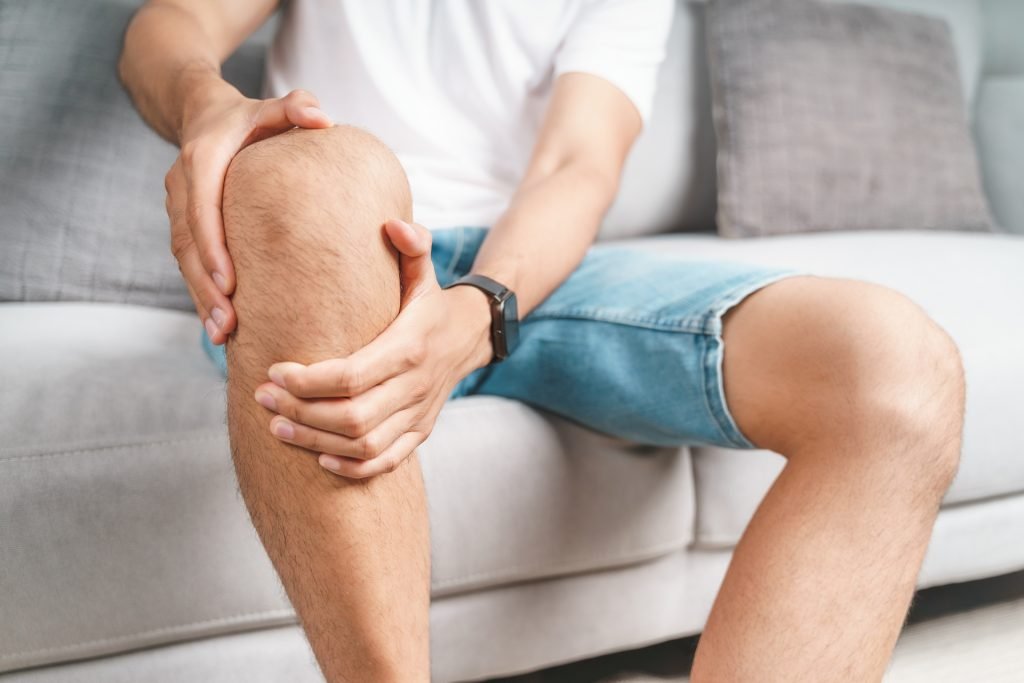
Best home remedies for chronic joint pain relief decisions improve when you prioritize constraints, tradeoffs, and common mistakes before acting.
Understanding the root causes of joint pain, such as arthritis or injury, is essential for choosing the right home remedy. Many individuals mistakenly rely solely on over-the-counter medications for relief, overlooking the benefits of holistic approaches. Incorporating dietary changes and specific exercises can significantly impact pain management and overall joint health.
Natural Ingredients for Joint Pain Relief
Using natural ingredients can provide effective relief from joint pain. Turmeric, known for its anti-inflammatory properties, can be consumed in meals or taken as a supplement. Ginger is another powerful option that can help reduce swelling and pain.
In addition to these spices, consider incorporating omega-3-rich foods like fish or flaxseeds into your diet. These nutrients can help reduce inflammation and improve joint function. Be aware, however, that some individuals may have allergies or sensitivities to these foods, which can lead to adverse effects.
Lifestyle Changes to Alleviate Pain
Making specific lifestyle changes can significantly impact chronic joint pain relief. Maintaining a healthy weight is crucial, as excess weight puts additional stress on joints, particularly in the knees and hips. A balanced diet rich in fruits, vegetables, and whole grains can help manage weight and provide essential nutrients.
Additionally, staying hydrated is often overlooked but vital for joint health. Water helps lubricate joints, reducing friction and discomfort. Many people underestimate their fluid needs, leading to dehydration, which can exacerbate pain. Aim for at least eight glasses of water a day, adjusting for activity level.
Exercises to Strengthen Joints
Gentle exercises can play a significant role in alleviating joint pain. Low-impact activities such as swimming, cycling, or yoga can help improve flexibility and strength without straining the joints. These exercises promote blood circulation and can enhance the overall function of the joints.
When starting an exercise routine, it’s essential to listen to your body. Overexertion can lead to increased pain or injury. Begin with short sessions and gradually increase the duration and intensity, ensuring that you do not exceed your comfort level.
Further Reading
For additional resources on joint health and home remedies, consider visiting reputable health websites or consulting with a healthcare professional. Understanding the best practices for managing joint pain can empower you to make informed decisions about your health.
Global health guidance, fact sheets, and evidence-based public health information.
Frequently Asked Questions
What are some effective home remedies for joint pain?
Effective home remedies include turmeric, ginger, hot/cold compresses, and gentle exercises like yoga.
How does turmeric help with joint pain?
Turmeric contains curcumin, which has anti-inflammatory properties that can help reduce joint pain and swelling.
Can weight loss alleviate joint pain?
Yes, losing excess weight can reduce stress on joints, particularly in weight-bearing areas like the knees and hips.
What types of exercises are best for joint pain?
Low-impact exercises such as swimming, cycling, and yoga are ideal for strengthening joints without causing strain.
How important is hydration for joint health?
Staying hydrated is crucial for joint health as it helps lubricate joints and reduce friction, which can alleviate pain.
Conclusion
Incorporating natural remedies, making lifestyle changes, and engaging in gentle exercises are practical steps to manage chronic joint pain effectively. Prioritize a balanced diet rich in anti-inflammatory foods, maintain hydration, and consider your weight to support joint health. By taking these actions, you can improve your quality of life and reduce discomfort over time.
How to reduce joint inflammation naturally at home decisions improve when you prioritize constraints, tradeoffs, and common mistakes before acting.
Joint inflammation can be a challenging condition to manage, especially when it disrupts daily activities. Fortunately, there are several natural methods to reduce inflammation at home. These strategies include dietary changes, regular exercise, and the use of specific natural remedies that can help alleviate symptoms without the need for pharmaceuticals.
Understanding the real implications of joint inflammation is critical. Many individuals mistakenly believe that over-the-counter medications are the only solution. However, these often come with side effects that can complicate other health issues. By focusing on natural remedies, you can effectively manage inflammation while minimizing unwanted side effects. Prioritizing your approach to joint health can lead to more sustainable results and improved overall well-being.
Understanding Joint Inflammation
Joint inflammation occurs when the body’s immune system mistakenly attacks the tissues in the joints, leading to pain, swelling, and stiffness. This condition can arise from various factors, including autoimmune diseases, injuries, and chronic stress. Understanding the underlying causes is crucial for effective management and prevention.
Many people overlook the importance of identifying triggers for their inflammation. Stress, poor diet, and lack of movement can exacerbate symptoms. By recognizing and addressing these triggers, you can take proactive steps to mitigate their impact on your joints. This awareness will help you prioritize which lifestyle changes to implement first.
Dietary Changes for Inflammation
A diet rich in anti-inflammatory foods can significantly impact joint health. Foods such as fatty fish, nuts, seeds, fruits, and vegetables contain essential nutrients that can help reduce inflammation. Omega-3 fatty acids, found in fish like salmon, are particularly beneficial.
However, it’s essential to avoid foods that can trigger inflammation, such as processed sugars, refined carbohydrates, and trans fats. These can worsen symptoms and lead to more severe health issues. Consider focusing on a balanced diet that emphasizes whole, unprocessed foods, which can yield better results.
Include omega-3 rich foods like salmon and walnuts.
Incorporate plenty of fruits and vegetables, especially dark leafy greens.
Limit processed foods and sugars that can trigger inflammation.
Natural Remedies and Supplements
Several natural remedies and supplements have shown promise in reducing joint inflammation. Turmeric, with its active compound curcumin, is widely recognized for its anti-inflammatory properties. Additionally, ginger and green tea are excellent options for their antioxidant effects.
When considering supplements, always consult with a healthcare professional to ensure they are appropriate for your situation. Some supplements can interact with medications or may not be suitable based on your health history. Prioritizing quality and dosage is crucial for effectiveness.
Turmeric and curcumin supplements can reduce inflammation.
Ginger tea is another natural anti-inflammatory.
Consult a healthcare provider before starting any new supplement.
Staying Active: Exercise Recommendations
Regular physical activity plays a vital role in managing joint inflammation. Low-impact exercises like swimming, cycling, and yoga can help improve flexibility and reduce stiffness without putting excessive strain on the joints.
Many individuals may fear that exercise could worsen their symptoms. However, a well-structured routine can prevent further deterioration and promote healing. Start with gentle movements and gradually increase intensity while paying attention to your body’s signals.
Engage in low-impact activities like swimming or cycling.
Incorporate stretching and flexibility exercises to maintain mobility.
Listen to your body and adjust your routine as necessary.
Lifestyle Adjustments
In addition to diet and exercise, lifestyle modifications can greatly influence joint health. Stress management techniques, such as meditation or mindfulness, can help reduce inflammation. Adequate sleep is also crucial, as it supports the body’s recovery processes.
Many individuals underestimate the impact of sleep and stress on their health. Prioritizing quality rest and incorporating relaxation techniques can enhance your overall well-being and significantly reduce joint inflammation. Consider creating a balanced daily routine that includes time for relaxation, proper nutrition, and physical activity.
Practice stress relief techniques like yoga or meditation.
Ensure you get enough quality sleep each night.
Establish a routine that balances work, exercise, and relaxation.
Provides articles and expert advice on dietary changes and supplements for inflammation
Frequently Asked Questions
What are the main causes of joint inflammation?
Common causes include autoimmune diseases, injuries, and chronic stress, which can lead to pain and swelling.
Can diet really affect joint inflammation?
Yes, a diet rich in anti-inflammatory foods can help reduce symptoms and improve joint health.
What natural remedies are effective for joint inflammation?
Turmeric, ginger, and omega-3 fatty acids are known for their anti-inflammatory properties and can be beneficial.
How much exercise should I do to help with inflammation?
Engaging in low-impact exercises for at least 150 minutes per week can be effective in managing inflammation.
Is it safe to use supplements for joint health?
Supplements can be safe but should be discussed with a healthcare provider to avoid interactions with medications.
Conclusion
Reducing joint inflammation naturally at home is achievable through thoughtful dietary choices, regular physical activity, and lifestyle adjustments. By focusing on anti-inflammatory foods, incorporating low-impact exercise, and managing stress effectively, you can significantly improve your joint health. Prioritize these strategies and consult with healthcare professionals when necessary to tailor an approach that works best for you. Your proactive efforts can lead to a more comfortable and active life, free from the constraints of inflammation.
Joint pain can significantly hinder daily activities and reduce quality of life, especially as we age. Luckily, many effective home remedies for joint pain exist that can alleviate discomfort without relying solely on medication. In this comprehensive 2025 guide, I will share tried-and-true natural remedies to help you find relief and improve joint health naturally. Whether you experience occasional pains or chronic arthritis, these remedies can be easily incorporated into your daily routine.
1. Warm Compress Applications
Relieving Stiffness with Heat
Applying a warm compress is one of the simplest yet most effective home remedies for joint pain. The warmth helps increase blood flow to the affected area, relaxes tense muscles, and reduces stiffness. You can use a heating pad, a warm towel, or a hot water bottle for this purpose. Spending 15-20 minutes on the joint twice daily can significantly ease discomfort.
Many people find that warm compresses work best during flare-ups or in the mornings when joints tend to be stiffest. Be sure to test the temperature to avoid burns and never leave the compress unattended for long periods.
Thermal therapy is supported by research indicating improvements in joint function and pain relief, especially in conditions like osteoarthritis. Itâs a gentle, natural approach perfect for those seeking drug-free remedies.
Practical Tips for Application
Use a cloth or towel between the compress and your skin for added comfort. Keep the heat moderate and limit sessions to safe durations to prevent skin irritation. Remember to rest the joint after treatment to maximize benefits.
This simple technique is often overlooked but offers immediate relief, making it a must-try among your home remedies for joint pain.
2. Incorporating Anti-Inflammatory Foods
Diet and Joint Health
Your diet plays a crucial role in managing joint pain. Consuming anti-inflammatory foods can help reduce swelling and alleviate pain naturally. Foods rich in omega-3 fatty acids, such as salmon, walnuts, and flaxseeds, are particularly effective.
Also, incorporating colorful fruits and vegetables like berries, spinach, and kale provides antioxidants that combat inflammation. Turmeric, known for its active compound curcumin, has powerful anti-inflammatory properties proven effective in reducing joint pain symptoms.
According to recent studies in 2025, a diet emphasizing anti-inflammatory foods can decrease joint discomfort and improve mobility over time. Making small dietary changes can considerably impact your overall joint health.
Practical Dietary Tips
Replace processed snack foods with raw nuts and fruits.
Sprinkle turmeric into your curries, smoothies, or teas.
Ensure adequate intake of olive oil and fatty fish.
These dietary adjustments are safe, natural, and effective among the best home remedies for joint pain. Consistency is key to experiencing their full benefits.
3. Gentle Exercise and Stretching
Low-Impact Activities
All too often, joint pain leads to decreased activity, which in turn worsens stiffness. Gentle exercises like walking, swimming, or yoga can help keep joints flexible and reduce pain. In 2025, research emphasizes that low-impact activities not only improve joint function but also support muscle strength around joints.
Regular stretching routines can also ease muscle tension and improve range of motion. Aim for 20-30 minutes of gentle activity most days of the week, adjusting based on your comfort level.
Exercise stimulates synovial fluid production in joints, nourishing cartilage and reducing pain. Always start slowly and listen to your bodyâoverexertion can aggravate symptoms.
Tips for Safe Exercise
Warm up before stretching or activity.
Avoid high-impact activities if you have severe joint pain.
Consult with a physiotherapist for personalized routines.
Consistency in gentle exercise routines is one of the most effective home remedies for joint pain that you can implement to maintain joint health in 2025.
4. Epsom Salt Baths
Relaxation and Pain Relief
Epsom salt contains magnesium, which can be absorbed through the skin during a warm bath. Magnesium has natural anti-inflammatory properties, making Epsom salt baths a popular choice among home remedies for joint pain.
Soaking in an Epsom salt bath for 15-20 minutes can relax muscles, decrease swelling, and soothe achy joints. Many individuals find that regular baths help manage chronic pain more effectively over time.
Research in 2025 has shown that magnesium absorption through the skin may help lower joint inflammation, especially in those with magnesium deficiency, which is common among people with joint issues.
Bathing Tips for Maximum Benefit
Add 2 cups of Epsom salt to warm bathwater.
Relax and avoid vigorous movement during the bath.
Follow with gentle drying and stretching if needed.
Incorporating Epsom salt baths into your routine is an easy, accessible addition to your list of home remedies for joint pain.
5. Using Turmeric and Curcumin Supplements
Natural Anti-Inflammatory Power
Turmeric has been used for centuries in traditional medicine for its anti-inflammatory properties. Modern science confirms that curcumin, the active compound in turmeric, can reduce joint inflammation and pain effectively.
In 2025, supplementing with turmeric or curcumin extract has gained popularity among those seeking natural remedies for joint pain. Clinical studies suggest that daily intake can decrease symptoms comparable to some NSAIDs but without adverse effects.
It’s important to choose high-quality supplements and consult with a healthcare provider to determine the right dosage for your needs.
Cooking and Supplementation Tips
Add turmeric powder to curries, teas, and smoothies.
Take standardized curcumin capsules as directed.
Combine with black pepper or piperine to boost absorption.
Turmeric and curcumin are among the best available home remedies for joint pain in 2025, offering a natural approach supported by ongoing research.
6. Maintaining a Healthy Weight
The Impact on Joint Stress
Excess weight puts additional pressure on weight-bearing joints like the knees and hips, exacerbating pain and accelerating joint degeneration. Losing even a small amount of weight can significantly reduce joint discomfort.
In addition to improving symptoms, maintaining a healthy weight boosts overall health and reduces the risk of developing osteoarthritis. Simple lifestyle changes, like balanced eating and increased movement, make a big difference.
Data from 2025 shows that weight loss can decrease joint pain by up to 50%, making it a crucial part of natural relief strategies.
Practical Weight Management Tips
Adopt a balanced diet rich in whole foods.
Practice portion control and avoid processed foods.
Stay active with low-impact exercises.
Focusing on weight management is one of the most effective and enduring home remedies for joint pain you can adopt today for lasting relief.
7. Applying Ginger Paste
Natural Anti-Inflammatory Topical Solution
Ginger is known for its powerful anti-inflammatory properties, similar to turmeric. Making a fresh ginger paste and applying it directly to sore joints can provide relief from pain and swelling.
To prepare, grate fresh ginger and apply the paste to the affected area, covering it with a cloth. Leave it on for 20-30 minutes. Regular application can help reduce joint inflammation naturally.
Research in 2025 supports gingerâs effectiveness as a topical remedy, making it a popular choice for those seeking natural alternatives.
Additional Tips for Use
Combine ginger with a carrier oil like coconut for better absorption.
Test skin sensitivity before extended use.
Use with other remedies like heat or massage for enhanced effect.
Ginger paste is an accessible, natural option among home remedies for joint pain, especially for mild to moderate symptoms.
8. Stress Reduction Techniques
Managing Pain Through Mindfulness
Chronic stress can worsen joint pain by increasing inflammation and reducing pain tolerance. Incorporating stress-reduction techniques such as meditation, deep breathing, or tai chi can help manage symptoms naturally.
In 2025, mind-body practices have gained recognition for their role in reducing inflammation and improving overall joint health. Even 10 minutes of mindfulness daily can lower cortisol levels, which are linked to inflammation.
Practicing relaxation techniques not only reduces pain but also improves sleep quality, further supporting joint health.
Practical Stress-Relief Tips
Establish a daily meditation or breathing routine.
Engage in gentle yoga poses designed for joint comfort.
Create a calming environment to reduce everyday stressors.
Addressing stress is an important component of natural management for joint pain, making it a valuable strategy among your home remedies for joint pain.
9. Proper Rest and Sleep
The Importance of Rest for Joint Regeneration
Quality sleep is essential for the bodyâs healing processes. Lack of restful sleep can increase inflammation and exacerbate joint pain. Prioritizing good sleep hygiene helps your joints recover and reduces discomfort.
Tips include maintaining a consistent sleep schedule, minimizing screen time before bed, and creating a comfortable sleeping environment. In 2025, sleep science continues to affirm its critical role in managing chronic pain.
Consider elevating affected joints during rest to reduce swelling and promote circulation.
Sleep Tips for Joint Pain Relief
Use supportive mattresses and pillows.
Avoid caffeine and heavy meals before bedtime.
Practice calming bedtime routines like reading or gentle stretches.
Proper rest and sleep are vital natural remedies that support overall joint health and pain reduction among home remedies for joint pain.
10. Topical Herbal Ointments
Natural Ointments for Targeted Relief
Applying herbal ointments containing menthol, capsaicin, or herbal extracts such as arnica can provide localized relief from joint pain. These remedies work by numbing the area, increasing circulation, or reducing inflammation.
Many commercial products are based on natural ingredients and can be effectively used at home. Regular application can diminish pain intensity and improve joint function.
In 2025, herbal topical solutions are growing in popularity due to their natural composition and proven efficacy.
How to Use Herbal Ointments Effectively
Clean and dry the affected area before application.
Follow product instructions for frequency and amount.
Combine with other remedies like heat therapy for best results.
Herbal ointments are among the practical home remedies for joint pain that you can incorporate easily into your daily routine for targeted relief.
FAQs about Home Remedies for Joint Pain
Q1: Are home remedies for joint pain effective?
Yes, many home remedies can effectively reduce joint pain, especially when combined with lifestyle changes. While they may not replace medical treatments for severe cases, they offer natural, accessible relief options.
Q2: How long does it take to see results from home remedies?
Results vary depending on the remedy and individual condition. Some, like warm compresses or ginger paste, can provide immediate relief, while others, like dietary changes or weight loss, may take weeks to show significant improvements.
Q3: Can I use multiple home remedies together?
Absolutely. Combining remedies, such as eating anti-inflammatory foods, practicing gentle exercise, and applying topical treatments, can enhance overall effectiveness. Always listen to your body and consult a healthcare provider if unsure.
Q4: Are home remedies for joint pain safe for everyone?
Most natural remedies are safe; however, individuals with allergies, skin sensitivities, or underlying health conditions should exercise caution. It’s best to start with small applications and seek medical advice if needed.
Conclusion
Managing joint pain naturally is entirely possible with the right combination of home remedies for joint pain. From simple heat therapies and nutritional changes to stress management and topical herbal applications, these strategies empower you to take control of your joint health in 2025. Remember, consistency and patience are key to seeing long-term improvements. Incorporate these remedies gradually, and consult with healthcare professionals for personalized advice. Embrace these natural methods to enjoy a more comfortable, active life!
Experiencing joint pain can significantly impact your daily life, but the good news is that many effective joint pain home treatment strategies can help alleviate discomfort in 2025. Whether you’re dealing with arthritis, injury, or general wear and tear, understanding your options empowers you to take control of your joint health. In this comprehensive guide, we’ll explore 10 proven methods that you can start implementing today to reduce pain and boost mobility right from the comfort of your home.
1. Regular Exercise and Stretching
The Importance of Staying Active
Engaging in regular exercise is one of the most effective joint pain home treatment strategies. Maintaining mobility helps strengthen the muscles around your joints, offering better support and decreasing strain. In 2025, data shows that consistent low-impact activities such as walking, cycling, or swimming can reduce joint stiffness by up to 40%. Staying active also promotes the release of endorphins, natural pain relievers that boost your mood and pain tolerance.
If you’re new to exercise, start slow and ease into your routine. Even 10-minute gentle walks multiple times a day can make a big difference over time. Remember, the goal is to move without aggravating pain while gradually improving flexibility and strength.
Effective Stretching Techniques
Stretching helps maintain joint flexibility and reduces stiffness. Focus on gentle stretches tailored to your specific jointsâknees, hips, shoulders, etc. Incorporate dynamic stretches before activity and static stretches post-exercise for best results. For example, hamstring stretches for knee pain or shoulder rolls for shoulder joint discomfort can be incorporated into your daily routine.
Consistency is key; aim to stretch at least once daily. Over time, this practice can help reduce joint tension, improve blood flow, and boost overall joint function in 2025’s health landscape.
2. Anti-Inflammatory Diet
Foods That Help Reduce Inflammation
A well-balanced, anti-inflammatory diet is a cornerstone of effective joint pain home treatment. Incorporate foods rich in omega-3 fatty acids, such as salmon, walnuts, and flaxseeds, which have been shown to significantly lower joint inflammation levels. Brightly colored fruits and vegetables like berries, spinach, and kale contain antioxidants that combat oxidative stress and reduce pain.
In 2025, research continues to support the role of diet in managing chronic joint conditions. Diets high in refined sugars and processed foods, on the other hand, can exacerbate inflammation and worsen joint pain. Therefore, choosing whole, nutrient-dense foods can help you take control of your joint health from home.
Practical Tips for Dietary Changes
Start by replacing processed snacks with nuts or fresh fruit. Use olive oil instead of butter or margarine, and incorporate fatty fish into your meals twice a week. Planning meals ahead of time makes it easier to stick with an anti-inflammatory diet.
Additionally, reduce intake of red meat and dairy if you notice they worsen your symptoms. Hydration is equally importantâaim for at least 8 glasses of water daily to support joint lubrication and overall health.
3. Adequate Rest and Recovery
The Role of Rest in Joint Health
While staying active is crucial, providing your joints with proper rest is equally important. Overuse can lead to increased inflammation and pain, so balancing activity with restorative periods is a key joint pain home treatment strategy. In 2025, many health experts recommend listening to your body’s signals and avoiding overexertion.
Getting sufficient sleepâ7 to 9 hours per nightâalso plays a critical role in reducing inflammation and supporting tissue repair. Poor sleep can amplify pain sensations and hinder your body’s natural healing processes.
Tips to Enhance Rest and Recovery
Create a relaxing bedtime routine, limit screen time before bed, and keep your sleeping environment cool and dark. Incorporate gentle relaxation techniques like deep breathing or meditation to improve sleep quality. During the day, schedule short breaks to rest joints that feel inflamed or fatigued.
Remember, consistency in rest and recovery routines supports your joint health journey in 2025 effectively.
4. Hot and Cold Therapy
Benefits of Hot Therapy
Applying heat can loosen tight muscles and improve blood flow to inflamed joints. Warm compresses or heating pads are easy to use at home and can provide immediate relief from stiffness and discomfort. In 2025, heat therapy remains a popular and accessible joint pain home treatment method.
Using Cold Therapy Effectively
Cold packs reduce swelling and numb sharp pain. They are particularly effective after activity or injury. Wrap cold packs in a cloth before applying to avoid frostbite and limit sessions to 15-20 minutes. Alternating between hot and cold treatments can maximize benefits, promoting circulation and reducing inflammation.
5. Natural Supplements and Herbs
Common Supplements for Joint Pain
Glucosamine and chondroitin sulfates are among the most studied supplements for joint health. Many users report reduced joint discomfort with regular use. In 2025, supplement quality and regulation are improved, making these options safer and more effective.
Herbal Remedies with Anti-Inflammatory Properties
Turmeric, rich in curcumin, has powerful anti-inflammatory effects. Ginger, boswelia, and willow bark are also popular herbal remedies. Always consult with a healthcare professional before beginning any supplement regimen, especially if you’re on medication.
6. Lifestyle and Weight Management
Impact of Weight on Joint Pain
Carrying extra weight puts additional stress on weight-bearing joints like knees and hips. Losing even a few pounds can significantly reduce painâfor example, a 5% reduction in body weight can lessen knee joint load by 20-30%. In 2025, weight management remains a crucial component of joint pain home treatment.
Practical Weight Loss Tips
Incorporate portion control, increase physical activity, and focus on nutrient-dense foods. Consider consulting with a nutritionist or a fitness coach for personalized plans. Small, achievable goals lead to sustainable weight loss and improved joint health.
7. Mindfulness and Relaxation Techniques
Managing Pain Through Mindfulness
Mindfulness meditation helps reduce the perception of pain and manage stress, which can exacerbate joint discomfort. Regular practice, even 10 minutes daily, can build resilience and improve your overall outlook on pain management in 2025.
Breathing Exercises and Relaxation
Deep breathing activates your body’s relaxation response, decreasing inflammation markers. Incorporate diaphragmatic breathing exercises into your daily routine to support pain relief and emotional well-being.
8. Ergonomic Adjustments at Home
Creating Joint-Friendly Spaces
Adjust furniture and workspaces to minimize joint strain. Use ergonomic chairs, supportive cushions, and proper tools to reduce repetitive stress on your joints. These small changes can dramatically improve comfort during daily activities.
Useful Devices and Support Aids
Invest in supports such as braces, shoe inserts, or assistive devices to reduce joint load and prevent further injury. In 2025, smart ergonomic devices are increasingly available, providing real-time feedback and support for joint health.
9. Topical Creams and Ointments
Types of Topical Treatments
Capsaicin creams, menthol gels, and NSAID-based ointments are common options for localized joint pain relief. They work by numbing pain signals or reducing inflammation at the site.
Applying Topicals for Best Results
Ensure clean skin before application and follow product instructions carefully. Use sparingly to avoid skin irritation. Consistent use over weeks can lead to noticeable pain reduction.
10. Alternative Therapies and Practical Tips
Acupuncture and Massage
Although more research is needed, many individuals find relief from joint pain through acupuncture and therapeutic massage. These can be effective complementary options in your joint pain home treatment plan.
Integrating Multiple Strategies
Combine various approachesâexercise, diet, rest, and natural remediesâfor a holistic plan. Keep track of what works best for your body and adapt your routine accordingly. In 2025, personalized health tech can help monitor progress and suggest tailored adjustments.
Frequently Asked Questions
1. What is the best joint pain home treatment for chronic arthritis?
Combining gentle exercise, an anti-inflammatory diet, hot and cold therapy, and proper rest forms an effective holistic approach, supported by recent 2025 research.
2. How long does it take to see results from joint pain home treatment?
Results vary based on the severity and cause of pain, but many people notice improvements within 2-4 weeks of consistent practice.
3. Are natural supplements safe for joint pain home treatment?
Generally, when sourced from reputable suppliers, supplements like glucosamine, chondroitin, and turmeric are safe. Always consult your healthcare provider before starting new supplements.
4. Can I replace medication with joint pain home treatment?
In mild cases, these strategies can be sufficient, but always consult your doctor before making changes to prescribed medications, especially for chronic or severe conditions.
5. How can I prevent joint pain in the future?
Maintain a healthy weight, stay active, eat anti-inflammatory foods, and avoid repetitive joint strain. Regular check-ins with your healthcare provider can help catch issues early.
In conclusion, exploring and implementing these 10 effective joint pain home treatment strategies for 2025 can make a significant difference in your comfort and mobility. By staying proactive and adopting a holistic approach,