

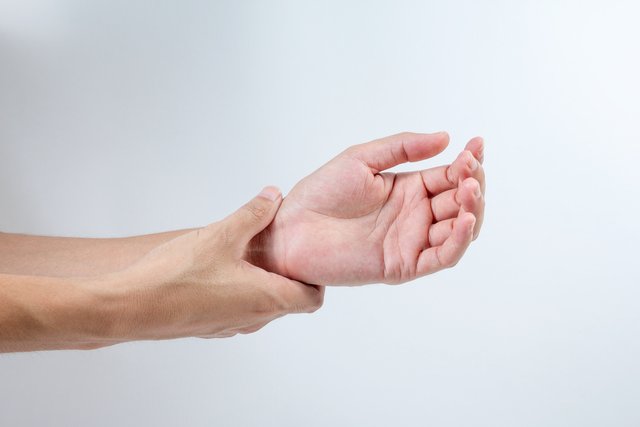
Prolonged periods of inactivity, such as sitting at a desk or during long travel, can significantly impact joint function. When the body remains stationary, the synovial fluid that lubricates joints may not circulate adequately, leading to stiffness. Additionally, muscles surrounding the joints can become tense, contributing to the sensation of tightness. Understanding these dynamics is crucial for addressing stiffness effectively.
Causes of Joint Stiffness After Sitting
Joint stiffness after sitting is often caused by a combination of factors, including lack of movement and prolonged pressure on certain joints. When you sit for extended periods, particularly in a position that may not support good posture, it can compress the joints and lead to discomfort. The inactivity reduces blood flow, which is essential for delivering nutrients and removing waste from the joint tissues.
Moreover, sitting can lead to muscle imbalances, especially if the hip flexors and hamstrings become tight. These imbalances can alter your natural movement patterns, exacerbating stiffness. To combat this, it’s essential to incorporate movement into your routine, even if it’s just standing up and stretching every hour.
Effective Strategies to Reduce Stiffness
To alleviate joint stiffness, integrating regular movement into your day is key. Simple actions like standing up, walking around, and stretching can significantly improve circulation and flexibility. Consider setting a timer to remind yourself to take short breaks every 30 to 60 minutes.
Additionally, incorporating specific stretches targeting the hips, back, and legs can help maintain mobility. For example, standing quad stretches or seated hamstring stretches can relieve tension and promote better joint health. Consider practicing yoga or Pilates, which focus on flexibility and core strength, further aiding in reducing stiffness.
The Role of Proper Posture
Maintaining proper posture while sitting is crucial for preventing joint stiffness. Poor posture can lead to excessive strain on certain joints, particularly the hips, knees, and lower back. Ensure your workstation is ergonomically designed, with your feet flat on the ground and your knees at a right angle.
Adjusting your chair height and using lumbar support can also help maintain spinal alignment, reducing the risk of stiffness. Regularly reassessing your seating position and making adjustments as needed can contribute significantly to joint comfort.


When to Seek Medical Advice
If joint stiffness persists despite making lifestyle changes, it may be wise to consult a healthcare professional. Chronic stiffness could indicate underlying conditions such as arthritis or tendinitis, which require specific treatment. Early intervention can prevent further joint damage and improve overall mobility.
Monitoring other symptoms, such as swelling, pain, or reduced range of motion, can provide important context for your healthcare provider. Keeping a journal of your symptoms and activities can facilitate more productive discussions during medical appointments.
Further Reading
Authoritative Sources
- MedlinePlus
medlineplus.govConsumer-friendly medical and health information from the U.S. National Library of Medicine.
- National Institutes of Health
nih.govResearch-based health information and links to authoritative medical resources.
- Centers for Disease Control and Prevention
cdc.govOfficial public health guidance, prevention resources, and topic-specific recommendations.
- Mayo Clinic
mayoclinic.orgTrusted clinical guidance, symptom explainers, and treatment overviews.
- World Health Organization
who.intGlobal health guidance, fact sheets, and evidence-based public health information.
Frequently Asked Questions
What can I do to relieve joint stiffness after sitting?
To relieve joint stiffness, try standing up, stretching, and walking around every hour. Incorporating regular exercise and specific joint stretches can also help.
Is joint stiffness after sitting a sign of arthritis?
While joint stiffness can be a symptom of arthritis, it can also be caused by inactivity. If stiffness is persistent or accompanied by pain, consult a healthcare professional.
How often should I stretch to prevent stiffness?
Stretching every hour during long periods of sitting is recommended. Incorporating a routine of daily stretches can also enhance flexibility and reduce stiffness.
Can posture affect joint stiffness?
Yes, poor posture can lead to joint stiffness by placing undue strain on specific joints. Maintaining proper posture is essential for joint health.
When should I see a doctor for joint stiffness?
If joint stiffness persists or worsens despite lifestyle changes, or if it’s accompanied by swelling or severe pain, seek medical advice.
Conclusion
In conclusion, understanding why your joints feel stiff after long periods of sitting is vital for effective management. Incorporating regular movement, maintaining good posture, and addressing any underlying issues are crucial steps. By prioritizing these strategies, you can enhance your joint health and overall mobility, reducing discomfort and improving your quality of life.