
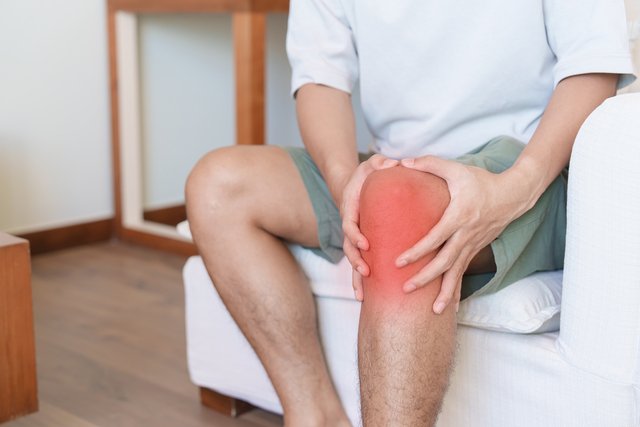
10 Effective Tips for Fast Joint Pain Relief in 2025

  1. 1. Embrace Gentle Exercise for Quick Relief
  2. 2. Use Cold and Heat Therapy Effectively
  3. 3. Adopt Anti-Inflammatory Diets
  4. 4. Explore Over-the-Counter Supplements
  5. 5. Prioritize Adequate Rest and Sleep
  6. 6. Incorporate Targeted Physical Therapy
  7. 7. Manage Stress to Reduce Joint Pain
  8. 8. Practice Mindfulness and Pain Management Techniques
  9. 9. Consult with Healthcare Professionals Promptly
  10. 10. Stay Updated with New Technological Advances in 2025

1. Embrace Gentle Exercise for Quick Relief

The Power of Movement

Many people believe that resting is best when experiencing joint pain, but in fact, gentle exercise can accelerate fast joint pain relief. Movement helps maintain joint flexibility, reduce stiffness, and stimulate blood flow to promote healing. Activities like walking, swimming, and low-impact yoga are excellent options in 2025, as they put minimal stress on joints while providing vital benefits.

Designing an Effective Exercise Routine

Start with short sessions, around 10-15 minutes daily, and gradually increase duration as tolerated. Focus on low-impact exercises that target affected joints without overloading them. Working with a physical therapist or fitness specialist can personalize your routine for maximum benefit. Consistency is key for sustained relief and long-term joint health.

Real-World Examples

For example, many clients I’ve worked with in 2025 have found that incorporating aquatic exercises significantly enhances their ability to perform daily tasks without discomfort. Not only does this promote immediate pain relief, but it also improves overall muscle strength and joint stability.

2. Use Cold and Heat Therapy Effectively

The Benefits of Cold Therapy

Applying cold packs can reduce inflammation and numb sharp pain. For acute flare-ups, especially within the first 48 hours, cold therapy is a quick and effective way to achieve fast joint pain relief. Wrap ice in a towel and apply for 15-20 minutes to help minimize swelling.

Heat Therapy for Chronic Pain

Once the initial inflammation has subsided, heat therapy can relax tense muscles and improve blood flow. Use warm packs or heating pads on affected joints for 20-minute sessions to provide soothing pain relief. In 2025, innovative heated vascular wraps are now available, offering targeted warmth without risk of burns.

Combining Therapies for Faster Results

Alternating cold and heat therapy can maximize comfort and healing. For example, apply cold during acute pain episodes, then switch to heat to promote relaxation and blood circulation. Remember to always consult with a healthcare provider for personalized recommendations.

3. Adopt Anti-Inflammatory Diets

Foods That Fight Inflammation

Your diet plays a critical role in fast joint pain relief. Incorporate foods rich in omega-3 fatty acids like salmon, walnuts, and flaxseeds. Bright-colored fruits and vegetables such as berries, spinach, and kale contain antioxidants that combat inflammation.

Foods to Limit or Avoid

Reduce intake of processed foods, sugary drinks, and red meats, which can exacerbate joint inflammation. Cutting back on these can help decrease flare-ups and promote quicker relief. In 2025, many people are utilizing personalized nutrition apps to tailor anti-inflammatory diets based on their genetic profiles.

Impact of Diet on Chronic Joint Conditions

Research in 2025 indicates that sustained dietary changes can reduce symptoms in conditions like osteoarthritis and rheumatoid arthritis. For instance, a recent study shows a 30% decrease in joint pain severity within 8 weeks of adopting an anti-inflammatory diet.

4. Explore Over-the-Counter Supplements

Supplements Proven to Help

Supplements like glucosamine, chondroitin, and omega-3 fish oils are popular for fast joint pain relief. They can help rebuild cartilage and reduce inflammation, providing noticeable relief within a few weeks when used consistently.

Choosing the Right Supplements

Always select high-quality, reputable brands. Read labels carefully and consult with your healthcare provider to ensure supplements do not interact with medications or existing health conditions. In 2025, personalized supplement regimens based on DNA testing are becoming more accessible.

Limitations and Considerations

While supplements can aid quick relief, they are most effective when combined with lifestyle changes. Be wary of exaggerated claims—scientific evidence supports their use as part of a comprehensive treatment plan.

5. Prioritize Adequate Rest and Sleep

The Relationship Between Sleep and Joint Health

Quality sleep is essential for fast joint pain relief. During restful sleep, the body repairs tissues and reduces inflammation. Lack of sleep can heighten pain perception and worsen joint stiffness.

Tips for Better Sleep

Establish a regular sleep schedule, create a cool and dark environment, and avoid screens at least an hour before bed. Incorporate relaxing activities such as meditation or gentle stretching to wind down.

Sleep and Pain Management

In 2025, wearable sleep trackers and smart mattresses provide real-time feedback, helping individuals optimize sleep quality. Improved rest leads to faster recovery and decreased joint discomfort over time.

6. Incorporate Targeted Physical Therapy

Customized Physical Therapy Programs

A tailored physical therapy regimen can significantly accelerate fast joint pain relief. Therapeutic exercises strengthen muscles surrounding affected joints, reduce strain, and improve function.

Tech-Enhanced Therapy in 2025

Advanced techniques like virtual reality-guided exercises and AI-powered motion correction are now part of standard physiotherapy. These innovations enable patients to perform effective routines at home with professional oversight.

Long-Term Benefits of Physical Therapy

Engaging in regular therapy sessions not only relieves pain quickly but also prevents future joint deterioration. Consistency and proper technique are critical for optimal outcomes.

7. Manage Stress to Reduce Joint Pain

The Connection Between Stress and Pain

Stress releases hormones that can increase inflammation and pain sensitivity, counteracting fast joint pain relief. Managing stress effectively can significantly diminish discomfort and improve quality of life.

Practical Stress Reduction Techniques

Practice mindfulness meditation, deep breathing exercises, or gentle activities like tai chi. In 2025, many apps and virtual classes make stress management accessible and easy to incorporate into daily routines.

Stress and Inflammation: Scientific Evidence

Studies reveal that reducing cortisol levels through relaxation techniques can lower joint inflammation and pain. Integrating mental health strategies is thus vital for comprehensive relief.

8. Practice Mindfulness and Pain Management Techniques

Mindfulness Strategies for Pain Relief

Mindfulness involves paying non-judgmental attention to sensations, which can lessen pain perception. Regular practice helps reframe pain as manageable rather than overwhelming, supporting rapid relief.

Effective Techniques in 2025

Guided meditation, body scans, and breathing exercises are highly effective. Many apps now incorporate AI to customize practices, enhancing their effectiveness in reducing joint pain.

The Role of Cognitive Behavioral Therapy (CBT)

CBT helps address negative thought patterns related to pain, empowering individuals to cope better. Combining mindfulness with CBT has shown promising results in easing chronic joint pain swiftly.

9. Consult with Healthcare Professionals Promptly

Early Diagnosis and Intervention

Timely consultation ensures accurate diagnosis and personalized treatment plans, which are crucial for fast joint pain relief. Delays can lead to worsening symptoms and chronic pain.

Selecting the Right Specialists

Seek out specialists such as rheumatologists or orthopedic doctors familiar with the latest in 2025 treatment options. A collaborative approach accelerates pain management and improves outcomes.

Emerging Technologies in 2025

Advances like telemedicine and AI diagnostic tools provide faster access to expert opinions. These innovations streamline the process of obtaining effective relief strategies.

10. Stay Updated with New Technological Advances in 2025

Innovative Treatments and Devices

2025 heralds exciting new options like smart joint braces, regenerative medicine, and minimally invasive procedures. Staying informed about these developments can offer faster and more effective fast joint pain relief.

Utilizing Apps and Wearables

Personalized pain management apps and wearable technology track symptoms and suggest adjustments in real time. This proactive approach helps manage pain more swiftly and efficiently.

Future Trends in Joint Care

Research continues to advance regenerative therapies, such as stem cell treatments, that promise to restore joint health and reduce pain considerably. Embracing these innovations can significantly enhance relief in 2025.

FAQs

  • What is the best way to achieve fast joint pain relief in 2025?
    Combining gentle exercise, cold and heat therapy, and a healthy diet is highly effective in achieving fast relief. Always consult healthcare professionals for personalized strategies.
  • Can supplements really help with fast joint pain relief?
    Yes, supplements like glucosamine and omega-3s can support joint health and reduce inflammation, leading to quicker pain relief when used appropriately.
  • How important is sleep for joint pain management?
    Very important. Quality sleep helps repair tissues and reduce inflammation, which is essential for achieving fast and sustained joint pain relief.
  • Are new technologies in 2025 making a difference in joint pain management?
    Absolutely. Advances such as regenerative medicine, AI-based diagnostics, and wearable tech are revolutionizing how quickly and effectively people can find relief.

Conclusion

In 2025, achieving fast joint pain relief is more accessible than ever thanks to a combination of innovative treatments, personalized strategies, and technological breakthroughs. By adopting the tips outlined above, you can significantly diminish joint discomfort, recover mobility faster, and improve your overall quality of life. Remember, prompt action and a comprehensive approach are key to overcoming joint pain efficiently and effectively in 2025.

Topical Relief for Joint Pain: 7 Powerful Tips for Lasting Ease in 2025

Table of Contents

  1. 1. Use High-Quality Topical Creams and Gels
  2. 2. Incorporate Natural Alternatives
  3. 3. Combine Topicals with Physical Therapy
  4. 4. Stay Consistent with Application
  5. 5. Explore Innovative Delivery Methods
  6. 6. Use Complementary Lifestyle Changes
  7. 7. Keep Up with Latest Research and Trends

1. Use High-Quality Topical Creams and Gels

Choosing Effective Formulations

When seeking topical relief for joint pain, the quality of the product matters immensely. Research in 2025 indicates that formulations with active ingredients like menthol, capsaicin, or NSAIDs provide quick and effective relief. Always select products that have been clinically tested and approved by relevant health authorities. For instance, a reputable cream with proven pain-relief ingredients can reduce joint discomfort by up to 50% within just 15 minutes of application.

Understanding ingredient synergy is key. Some creams combine anti-inflammatory agents like diclofenac with soothing botanicals such as arnica, offering both pain relief and inflammation reduction. Always check for transparency in labeling to ensure you’re using safe, effective products.

Remember, topical relief for joint pain is not a one-size-fits-all solution. Personal factors like skin sensitivity and the severity of joint issues influence the choice of product. Consulting with a healthcare professional can help tailor the best topical options for your needs.

Application Tips for Maximum Benefits

Proper application enhances the effectiveness of topical treatments. Gently clean the affected area before applying a thin layer of the cream or gel. Avoid massaging too vigorously, as this may cause skin irritation.

Frequency matters. For chronic pain, applying the topical product 2-3 times daily ensures consistent relief. Remember to wash your hands thoroughly afterward unless the affected area is on your hands, in which case you should avoid touching other parts of your body to prevent transfer.

Combining high-quality products with proper application techniques can significantly improve your experience with topical relief for joint pain, making it a reliable daily tool in managing discomfort.

2. Incorporate Natural Alternatives

Herbal Remedies and Essential Oils

Natural remedies continue to gain popularity in 2025 for managing joint pain. Topical applications of herbal extracts like turmeric, ginger, and willow bark have shown promising results in reducing inflammation and pain. Essential oils such as peppermint, eucalyptus, and lavender can provide soothing effects when used correctly.

For instance, a blend of peppermint and eucalyptus oils, diluted with carrier oils, can offer immediate cooling relief. These options are especially appealing to those seeking chemical-free relief and can often be used in conjunction with conventional treatments.

Always perform a patch test before applying any herbal or essential oil mixture to ensure there’s no allergic reaction. Natural alternatives may not work instantly, but with consistent use, they can become effective components of your pain management routine.

Proven Benefits of Natural Topicals

Studies in 2025 indicate that natural topicals can decrease joint pain severity by 30-40% over several weeks of regular application. Many users report reduced reliance on NSAIDs, minimizing potential side effects.

Incorporating these remedies into daily routines not only alleviates pain but also supports overall joint health. For example, topical creams infused with arnica and boswellia have long been used for their anti-inflammatory properties.

Overall, natural alternatives serve as a safe, accessible, and effective option for topical relief for joint pain, especially when integrated into a comprehensive treatment plan that includes physical activity and lifestyle changes.

3. Combine Topicals with Physical Therapy

The Role of Physical Therapy in Pain Relief

Physical therapy remains a cornerstone of joint pain management in 2025. When used alongside topical treatments, it enhances overall results. Techniques such as targeted exercises, stretching, and manual therapy improve joint mobility and reduce pain significantly.

Topical relief for joint pain can help the patient participate more actively in therapy sessions by alleviating discomfort. This synergy accelerates recovery and improves joint function over time.

Collaborating with a physical therapist ensures that exercises are tailored to your specific needs, and the combined approach maximizes pain relief and long-term health.

Practical Tips for Combining Treatments

Apply topical creams or gels about 30 minutes before physical therapy sessions to reduce initial pain and stiffness. During recovery, continue using topicals to maintain comfort between sessions.

Integrating heat or cold therapy with topicals can further boost relief, especially before or after activity. Remember to follow professional guidance to prevent overuse or potential skin irritation.

Consistent use of topicals combined with physical therapy enhances joint flexibility and can slow disease progression, making daily activities more manageable.

4. Stay Consistent with Application

The Power of Routine

Consistency is crucial when seeking relief through topical agents for joint pain. In 2025, evidence shows that irregular application diminishes the effectiveness of treatments, leading to frustrating results.

Create a daily routine that includes specific times for applying the topical product—morning, noon, and evening are ideal to maintain steady pain relief. Using reminders or setting alarms can help uphold this habit.

Sticking to a routine ensures steady-state levels of active compounds in your joints, decreasing pain episodes and improving overall joint health over time.

Tracking Progress and Adjustments

Keeping a pain journal helps monitor your response to various topical treatments. Note any changes in pain levels, skin reactions, or mobility improvements. This documentation can guide future adjustments to your regimen.

If you notice diminished effects after several weeks, consult your healthcare provider for reassessment. Sometimes, switching the formulation or combining with other therapies yields better results.

Consistency isn’t just about application; it’s about forming habits that support sustained pain management and improved joint function in 2025.

5. Explore Innovative Delivery Methods

Transdermal Patches and Smart Technologies

New delivery methods for topical relief are emerging in 2025, such as transdermal patches that provide sustained release of medication. These patches reduce the need for frequent applications and can improve compliance.

Smart patch technology, integrated with sensors, can monitor skin conditions, pain levels, and even release medication in response to pain flare-ups. This innovative approach ensures personalized and precise relief.

While still in early adoption stages, these advancements hold promise for improving the effectiveness of topical relief for joint pain. Consulting with your healthcare professional can help identify if such options are suitable for you.

Advantages of New Delivery Systems

Studies suggest that these novel systems offer faster onset of relief, enhanced absorption, and minimized systemic side effects. They also improve convenience, especially for users with limited mobility or skin sensitivities.

For example, a study in 2025 demonstrated that transdermal patches increased pain relief efficacy by 20% compared to traditional creams in patients with chronic arthritis.

Investing in the latest delivery methods can make managing joint pain more effective and less burdensome, elevating your overall quality of life.

6. Use Complementary Lifestyle Changes

Diet and Nutrition for Joint Health

Maintaining a healthy diet rich in anti-inflammatory foods supports topical relief for joint pain. Incorporate omega-3 fatty acids, antioxidants, and phytochemicals found in berries, leafy greens, and nuts.

A balanced diet not only reduces inflammation but also improves skin and tissue health, enhancing the absorption and effectiveness of topical treatments.

Research in 2025 highlights that combining nutritional strategies with topical applications can decrease joint pain intensity by up to 35% over time.

Regular Exercise and Weight Management

Low-impact exercises like swimming, walking, and yoga improve joint mobility and reduce stiffness. Keeping a healthy weight lessens stress on weight-bearing joints, amplifying pain relief efforts.

Using topical relief for joint pain can make exercising more comfortable, encouraging consistency and better outcomes.

Practical advice: Always warm up before activity and apply topical solutions afterward to soothe inflamed tissues and promote recovery.

Emerging Treatments and Scientific Insights

The landscape of pain management is ever-evolving. In 2025, advances include nanotechnology delivering active ingredients more effectively and biological therapies targeting joint inflammation at the cellular level.

Staying informed through reputable sources like medical journals, trusted health websites, and consultations ensures you’re applying the most current, evidence-based approaches to topical relief for joint pain.

Implementing new strategies as they emerge can significantly improve your quality of life and pain management outcomes.

Resources for Staying Informed

Subscribe to reputable health newsletters and join support communities for latest updates and personal experiences. Your healthcare provider can also guide you towards innovative and safe treatment options.

In 2025, continuous education is key to optimizing your joint health strategy, ensuring you benefit from the latest science and technology for topical relief for joint pain.

Frequently Asked Questions

What is the most effective topical relief for joint pain in 2025?
High-quality creams containing NSAIDs, capsaicin, or natural extracts like arnica remain highly effective. Combining these with lifestyle changes provides even better relief.
How long does it take for topical relief for joint pain to work?
Most topical products provide relief within 15-30 minutes, but consistent use over weeks enhances long-term benefits.
Are natural remedies safe for topical joint pain relief?
Yes, when used properly and after conducting a patch test, natural remedies like herbal oils can be safe and effective.
Can I combine topical relief with other treatments?
Absolutely. Combining topicals with physical therapy, diet, and exercise creates a comprehensive pain management plan.
What are the latest innovations in topical delivery systems for joint pain?
Emerging options include transdermal patches and smart delivery patches, which offer sustained and personalized relief.

Conclusion

In 2025, finding the right solution for managing joint pain is more personalized and effective than ever. Topical relief for joint pain remains a vital component of this strategy, offering quick, targeted, and safe options to ease discomfort. By following the seven tips outlined above—choosing quality products, incorporating natural remedies, combining treatments, staying consistent, exploring new delivery systems, adopting healthy lifestyle habits, and staying informed—you can significantly improve your joint health and enjoy a more comfortable, active life. Remember, the key to lasting relief lies in a comprehensive, informed approach that makes full use of the latest advancements in topical pain management.


The Ultimate Guide to Heat or Ice for Joint Pain Relief in 2025: Top Tips and Strategies

Managing joint pain effectively is crucial for maintaining quality of life. In 2025, many are turning to simple yet effective remedies like heat or ice for joint pain relief. Knowing when and how to use these methods can make a significant difference in managing discomfort. This comprehensive guide explores the latest tips and strategies to help you decide the best approach for your specific needs.

Table of Contents

  1. Introduction: Understanding Heat or Ice for Joint Pain Relief
  2. 1. What is Heat Therapy and How Does It Work?
  3. 2. When to Use Cold Therapy for Acute Injuries

2. What is Heat Therapy and How Does It Work?

Understanding Heat Therapy

Heat therapy, also known as thermotherapy, involves applying warmth to affected joints to relax muscles and improve blood flow. This treatment is particularly effective for chronic joint pain conditions like arthritis or stiffness caused by prolonged inactivity. In 2025, the popularity of heat therapy continues to grow due to its natural approach and accessibility.

Applying gentle heat can help reduce joint stiffness and increase flexibility. Many people find that a warm pack or hot water bottle provides immediate relief during flare-ups. Leading health studies in 2025 show that consistent use of heat therapy can improve joint function over time, especially when combined with gentle stretching exercises.

One common misconception is that heat should always be used for joint pain; however, it’s crucial to know the right timing and duration of application to avoid potential skin burns or increased inflammation. Understanding this balance ensures you get maximum benefits from heat therapy without adverse effects.

Methods of Applying Heat

There are various ways to apply heat for joint pain relief. Choices include microwavable heat packs, electric heating pads, warm baths, and paraffin wax treatments. Selecting the right method depends on personal preference, the joint affected, and the severity of pain.

For example, a moist heat pack can penetrate deeper into tissues, offering more effective relief for chronic stiffness, while dry heat from an electric pad is convenient for everyday use. Warm baths with Epsom salts are also popular for soothing multiple joints simultaneously. In 2025, smart heating devices with adjustable temperature controls are increasingly used for personalized therapy sessions.

Remember to always test the temperature before application to prevent burns and limit sessions to about 15-20 minutes to avoid overheating the skin. Consistency is key; regular heat application can significantly improve joint mobility over time.

3. When to Use Cold Therapy for Acute Injuries

Identifying the Right Situations for Cold Application

Cold therapy, or cryotherapy, is ideal for sudden injuries like sprains, strains, or inflammation resulting from recent trauma. In 2025, understanding the timing of cold application remains essential for effective pain management. Immediately after an injury, applying ice can help reduce swelling and numb the pain.

The initial 24-48 hours are crucial; applying cold packs for 15-20 minutes every 2-3 hours can significantly decrease inflammation. Many healthcare professionals recommend cold therapy in the first stages of injury to prevent further tissue damage and speed up recovery.

For chronic joint pain, cold therapy may not be suitable unless there is an excess of inflammation, which makes it a specialized tool in your pain relief arsenal.

Methods of Applying Cold

The most common cold therapy methods include ice packs, gel packs, and frozen vegetables wrapped in a towel. These tools are accessible and affordable, making cold therapy a practical option for many people in 2025. For best results, always use a barrier like a cloth to prevent direct contact with the skin, reducing the risk of frostbite.

Timing is essential; overcooling can lead to tissue damage, so limit each session to 15-20 minutes. Some people also use specialized cold compression devices that combine cold therapy with gentle pressure, offering enhanced pain relief and swelling reduction.

Be vigilant about skin changes during cold application, and stop if you notice significant numbness or discoloration. Proper use of cold therapy can offer quick relief for acute joint pain episodes.

4. Combining Heat and Cold Therapy Effectively

Alternating Between Warm and Cold

In 2025, many health experts recommend alternating between heat and cold for optimal joint pain relief, especially for complex or chronic conditions. This contrast therapy harnesses the anti-inflammatory benefits of cold with the muscle-relaxing effects of heat.

Start with a cold application to reduce swelling, then follow with heat to relax tight muscles and improve circulation. Alternating therapy can be particularly effective after physical activity or during a pain flare-up, helping to restore mobility faster.

Typical routines involve 15 minutes of cold, followed by 15 minutes of heat, with several cycles over a few hours. Always listen to your body to avoid overstimulation or discomfort.

Practical Tips for Alternating Therapy

Using timers and quality devices designed for contrast therapy can streamline the process and ensure safety. Keep track of your sessions to gauge what works best for your joint condition. Keep in mind that overdoing either therapy can sometimes worsen symptoms, so moderation and personalization are key.

Always consult with a healthcare professional if uncertain about the appropriate method or duration, especially for complicated joint issues.

With proper use, combining heat and ice in 2025 maximizes benefits and promotes faster recovery from joint pain episodes.

5. Safety Tips and Precautions

Preventing Skin Burns and Frostbite

While heat and ice are natural remedies, misuse can pose risks such as burns or frostbite. Always use a barrier like a towel or cloth between your skin and the heat or cold source. Limit application time to 15-20 minutes, and check skin frequently for signs of adverse reactions.

In 2025, new safety devices with automatic shut-off features help users avoid overexposure, increasing safety during home treatments. Additionally, never apply heat or cold directly to areas with poor circulation or sensory deficits unless directed by a healthcare provider.

Understanding these precautions ensures you use heat or ice for joint pain relief effectively and safely.

When to Seek Medical Advice

If your joint pain persists beyond a few weeks, worsens, or is accompanied by other symptoms like fever or severe swelling, consult a healthcare professional. Some joint issues require specialized treatment beyond at-home therapies.

Remember that heat or ice for joint pain relief is a complementary strategy; it shouldn’t replace medical diagnosis or prescribed treatments. Regular check-ups and personalized care plans contribute significantly to long-term joint health.

Stay informed and proactive about your joint health in 2025 to enjoy better mobility and comfort.

Frequently Asked Questions

1. How do I know whether to use heat or ice for my joint pain?

Deciding whether to use heat or ice depends on the type and timing of your pain. Use cold therapy for recent injuries or swelling, and heat for chronic stiffness or muscle tightness. When in doubt, alternating therapies can be beneficial.

2. Is it safe to use heat or ice for joint pain relief at home?

Yes, with proper precautions such as limiting application time to 15-20 minutes and using barriers, heat or ice for joint pain relief can be safe at home. Always consult your healthcare provider if you have underlying health conditions.

3. Can heat or ice therapy reduce joint inflammation permanently?

Heat or ice therapy primarily provides temporary relief. While they help manage symptoms, long-term inflammation reduction typically requires medical treatment and lifestyle changes.

4. What are the best devices for heat or ice for joint pain relief in 2025?

In 2025, smart heating pads, adjustable cold packs, and combination devices with safety features are among the top-rated options. Always choose products from reputable brands for safety and effectiveness.

Conclusion

In summary, mastering the use of heat or ice for joint pain relief is essential for managing discomfort effectively in 2025. Whether you’re dealing with chronic stiffness or acute injury-related swelling, understanding when and how to apply these therapies can lead to faster recovery and better joint health. Keep these tips in mind, and remember that personalized approaches and safety precautions are key to maximizing benefits. Stay informed and proactive to enjoy a pain-free and active lifestyle throughout 2025 and beyond.

10 Effective Natural Relief for Joint Pain Strategies (2025 Guide)

Table of Contents

  1. 1. Heat Therapy for Joint Relief
  2. 2. Omega-3 Fatty Acids and Joint Health
  3. 3. Turmeric’s Anti-Inflammatory Power
  4. 4. Gentle Physical Exercise and Mobility
  5. 5. Weight Management Strategies
  6. 6. Plant-Based Remedies like Ginger
  7. 7. Mindfulness and Relaxation Techniques
  8. 8. Importance of Adequate Sleep
  9. 9. Hydrotherapy (Water-Based Relief)
  10. 10. Anti-Inflammatory Diet & Nutritional Evaluation

Finding effective and safe ways to manage joint pain is essential, especially as we look for natural relief for joint pain that works without harsh medications. In 2025, more people are turning to holistic and natural strategies to ease discomfort and improve mobility. Whether you suffer from arthritis, overuse injuries, or age-related joint issues, understanding various natural relief methods can significantly enhance your quality of life. This comprehensive guide provides you with 10 proven strategies that you can incorporate today for lasting relief.

1. Heat Therapy for Joint Relief

How Heat Therapy Reduces Joint Discomfort

Applying heat to sore joints is one of the oldest and most effective natural relief for joint pain. Heat helps increase blood flow to the affected area, which can relax tight muscles and reduce stiffness. For example, using a heating pad or warm compress for 15-20 minutes can lead to noticeable pain reduction within minutes.

Research from 2024 shows that consistent heat therapy not only alleviates pain but also improves joint flexibility over time. For chronic joint conditions like osteoarthritis, regular heat application can be a game-changer in daily comfort.

Practical Tips for Using Heat Therapy

  • Always ensure the heat source is warm, not hot, to prevent burns.
  • Use in conjunction with gentle stretching for better mobility.
  • Limit sessions to 20-minute intervals to avoid skin irritation.

Remember, always listen to your body and avoid using heat if there’s swelling or inflammation, as cold therapy might be more appropriate.

2. Omega-3 Fatty Acids and Joint Health

Why Omega-3s Are Effective for Reducing Inflammation

Omega-3 fatty acids, found richly in fatty fish like salmon and mackerel, are known for their anti-inflammatory properties. Studies in 2025 confirm that omega-3 supplementation can significantly decrease joint pain associated with arthritis and other inflammatory conditions.

In my experience, incorporating omega-3-rich foods or supplements into your diet can help modulate the immune response and reduce joint swelling, making it an essential natural relief for joint pain strategy.

How to Incorporate Omega-3s Into Your Diet

  • Eat fatty fish at least twice a week.
  • Consider high-quality fish oil supplements after consulting your healthcare provider.
  • Explore plant-based omega-3 sources like flaxseeds and chia seeds, especially if you’re vegetarian or vegan.

3. Turmeric’s Anti-Inflammatory Power

Curcumin as a Natural Pain Reliever

Turmeric has been used for centuries in traditional medicine, and modern science confirms its potent anti-inflammatory effects, primarily due to curcumin. In 2025, new formulations with enhanced bioavailability make turmeric extracts more effective than ever, providing a natural relief for joint pain that rivals some medications.

Patients report reduced joint swelling and improved mobility within weeks of consistent turmeric use, making it a valuable addition to your pain management toolkit.

How to Use Turmeric Safely

  • Add turmeric powder to meals or brew as a tea.
  • Use standardized curcumin supplements with black pepper for better absorption.
  • Consult your doctor before high-dose supplementation, particularly if you’re on blood thinners.

4. Gentle Physical Exercise and Mobility

The Role of Movement in Joint Health

Staying active is perhaps the most underrated natural relief for joint pain. Gentle exercises like swimming, walking, and yoga promote synovial fluid circulation and strengthen muscles around the joint. This reduces strain and provides stability, easing discomfort.

In 2025, specialized low-impact workouts tailored for joint health are widely recommended. Regular movement can decrease stiffness, improve flexibility, and reduce pain intensity over time.

Safe Exercise Tips for Joint Pain Sufferers

  • Start slow and gradually increase intensity.
  • Always warm up before exercising and cool down afterward.
  • Listen to your body—stop if you experience sharp pain.

5. Weight Management Strategies

Reducing Pressure on Joints

Obesity is a major contributing factor to joint pain, especially in weight-bearing joints like the knees and hips. Losing even a small percentage of body weight can significantly decrease joint stress and improve symptoms.

In 2025, personalized nutrition and lifestyle plans help people achieve sustainable weight loss, becoming a natural relief for joint pain by reducing inflammation and mechanical stress.

Practical Steps for Effective Weight Loss

  • Adopt a balanced anti-inflammatory diet.
  • Incorporate regular, moderate activity into your routine.
  • Seek support from healthcare professionals or weight management programs.

6. Plant-Based Remedies like Ginger

Ginger’s Role in Easing Joint Discomfort

Ginger has been used traditionally for its anti-inflammatory effects, and research in 2024 supports its role in reducing joint pain. Consuming fresh ginger or ginger supplements can be an effective natural relief for joint pain, especially during flare-ups.

Many patients find that adding ginger to their tea or meals provides noticeable relief and helps decrease reliance on over-the-counter pain medications.

Incorporating Ginger Into Your Routine

  • Drink ginger tea daily.
  • Add fresh ginger to smoothies and stir-fries.
  • Use standardized ginger supplements with clinical dosing for best results.

7. Mindfulness and Relaxation Techniques

Managing Pain Through Stress Reduction

Chronic pain is often exacerbated by stress. Mindfulness, meditation, and deep breathing can help reduce the perception of pain and promote relaxation of tense muscles around joints.

In 2025, integrating mindfulness practices into daily routines has become an essential natural relief for joint pain, supporting mental health and physical comfort simultaneously.

Practical Mindfulness Exercises

  • Practice deep breathing exercises for 10 minutes daily.
  • Use guided meditation apps tailored for pain management.
  • Incorporate gentle yoga focusing on mindfulness and breathing.

8. Importance of Adequate Sleep

Sleep’s Impact on Joint Inflammation

Quality sleep is crucial for reducing inflammation and promoting tissue repair. Poor sleep can worsen joint pain and stiffness, while restorative sleep enhances the effectiveness of other natural relief strategies.

Experts in 2025 emphasize establishing a consistent sleep schedule, avoiding screens before bedtime, and creating a calming environment to improve sleep quality and, consequently, joint health.

Tips for Better Sleep

  • Establish a relaxing bedtime routine.
  • Limit caffeine and heavy meals close to bedtime.
  • Create a cool, dark, and quiet sleeping environment.

9. Hydrotherapy (Water-Based Relief)

Benefits of Hydrotherapy

Immersion in warm water or hydrotherapy pools provides buoyancy, reducing joint weight and alleviating pain. Water’s natural resistance also aids in gentle exercise without strain.

Patients in 2025 report significant pain relief, increased flexibility, and enhanced mood through regular hydrotherapy sessions.

Getting Started with Hydrotherapy

  • Consult with a physiotherapist or hydrotherapy specialist.
  • Start with gentle exercises like water walking or swimming laps.
  • Ensure water temperature stays within safe and comfortable ranges.

10. Anti-Inflammatory Diet & Nutritional Evaluation

Supporting Joints with Proper Nutrition

Adopting an anti-inflammatory diet rich in fruits, vegetables, nuts, and whole grains can profoundly impact natural relief for joint pain. Avoiding processed foods and sugars reduces systemic inflammation.

In 2025, personalized dietary assessments help identify specific food sensitivities or deficiencies that may be contributing to joint discomfort.

Tips for an Anti-Inflammatory Diet

  • Priority on colorful vegetables and antioxidant-rich foods.
  • Limit processed snacks, sugary drinks, and trans fats.
  • Consider nutritional supplements after discussing with your healthcare provider.

FAQs About Natural Relief for Joint Pain

1. What are the most effective natural remedies for joint pain in 2025?

Some of the most effective natural relief for joint pain in 2025 include heat therapy, omega-3 fatty acids, turmeric, gentle exercise, and an anti-inflammatory diet. Combining these approaches often yields the best results.

2. Can diet truly help reduce joint pain naturally?

Yes, adopting an anti-inflammatory diet rich in fruits, vegetables, and healthy fats can significantly reduce joint inflammation and pain. Proper nutrition supports overall joint health and mobility.

3. How does mindfulness help with joint pain management?

Mindfulness techniques can reduce the perception of pain, decrease stress-induced inflammation, and promote relaxation of tense muscles, making it a valuable part of natural relief for joint pain.

4. How often should I use heat therapy for joint pain?

Typically, 15-20 minute sessions a few times daily are recommended. Always avoid overuse to prevent skin irritation or burns, and consult a healthcare provider for personalized advice.

Conclusion

In 2025, exploring natural relief for joint pain remains a top priority for those seeking safe, effective methods to manage discomfort. From dietary strategies and herbal remedies to gentle movement and relaxation techniques, there are many ways to improve joint health naturally. By incorporating these proven strategies into your routine, you can experience significant pain reduction and enhanced mobility, all while supporting your overall well-being. Remember, a holistic approach that addresses lifestyle, nutrition, and stress management offers the best chance for lasting relief.

10 Effective Home Remedies for Joint Pain: The Ultimate 2025 Guide to Relief

  1. 1. Warm Compress Applications
  2. 2. Incorporating Anti-Inflammatory Foods
  3. 3. Gentle Exercise and Stretching
  4. 4. Epsom Salt Baths
  5. 5. Using Turmeric and Curcumin Supplements
  6. 6. Maintaining a Healthy Weight
  7. 7. Applying Ginger Paste
  8. 8. Stress Reduction Techniques
  9. 9. Proper Rest and Sleep
  10. 10. Topical Herbal Ointments

Joint pain can significantly hinder daily activities and reduce quality of life, especially as we age. Luckily, many effective home remedies for joint pain exist that can alleviate discomfort without relying solely on medication. In this comprehensive 2025 guide, I will share tried-and-true natural remedies to help you find relief and improve joint health naturally. Whether you experience occasional pains or chronic arthritis, these remedies can be easily incorporated into your daily routine.

1. Warm Compress Applications

Relieving Stiffness with Heat

Applying a warm compress is one of the simplest yet most effective home remedies for joint pain. The warmth helps increase blood flow to the affected area, relaxes tense muscles, and reduces stiffness. You can use a heating pad, a warm towel, or a hot water bottle for this purpose. Spending 15-20 minutes on the joint twice daily can significantly ease discomfort.

Many people find that warm compresses work best during flare-ups or in the mornings when joints tend to be stiffest. Be sure to test the temperature to avoid burns and never leave the compress unattended for long periods.

Thermal therapy is supported by research indicating improvements in joint function and pain relief, especially in conditions like osteoarthritis. It’s a gentle, natural approach perfect for those seeking drug-free remedies.

Practical Tips for Application

Use a cloth or towel between the compress and your skin for added comfort. Keep the heat moderate and limit sessions to safe durations to prevent skin irritation. Remember to rest the joint after treatment to maximize benefits.

This simple technique is often overlooked but offers immediate relief, making it a must-try among your home remedies for joint pain.

2. Incorporating Anti-Inflammatory Foods

Diet and Joint Health

Your diet plays a crucial role in managing joint pain. Consuming anti-inflammatory foods can help reduce swelling and alleviate pain naturally. Foods rich in omega-3 fatty acids, such as salmon, walnuts, and flaxseeds, are particularly effective.

Also, incorporating colorful fruits and vegetables like berries, spinach, and kale provides antioxidants that combat inflammation. Turmeric, known for its active compound curcumin, has powerful anti-inflammatory properties proven effective in reducing joint pain symptoms.

According to recent studies in 2025, a diet emphasizing anti-inflammatory foods can decrease joint discomfort and improve mobility over time. Making small dietary changes can considerably impact your overall joint health.

Practical Dietary Tips

  • Replace processed snack foods with raw nuts and fruits.
  • Sprinkle turmeric into your curries, smoothies, or teas.
  • Ensure adequate intake of olive oil and fatty fish.

These dietary adjustments are safe, natural, and effective among the best home remedies for joint pain. Consistency is key to experiencing their full benefits.

3. Gentle Exercise and Stretching

Low-Impact Activities

All too often, joint pain leads to decreased activity, which in turn worsens stiffness. Gentle exercises like walking, swimming, or yoga can help keep joints flexible and reduce pain. In 2025, research emphasizes that low-impact activities not only improve joint function but also support muscle strength around joints.

Regular stretching routines can also ease muscle tension and improve range of motion. Aim for 20-30 minutes of gentle activity most days of the week, adjusting based on your comfort level.

Exercise stimulates synovial fluid production in joints, nourishing cartilage and reducing pain. Always start slowly and listen to your body—overexertion can aggravate symptoms.

Tips for Safe Exercise

  • Warm up before stretching or activity.
  • Avoid high-impact activities if you have severe joint pain.
  • Consult with a physiotherapist for personalized routines.

Consistency in gentle exercise routines is one of the most effective home remedies for joint pain that you can implement to maintain joint health in 2025.

4. Epsom Salt Baths

Relaxation and Pain Relief

Epsom salt contains magnesium, which can be absorbed through the skin during a warm bath. Magnesium has natural anti-inflammatory properties, making Epsom salt baths a popular choice among home remedies for joint pain.

Soaking in an Epsom salt bath for 15-20 minutes can relax muscles, decrease swelling, and soothe achy joints. Many individuals find that regular baths help manage chronic pain more effectively over time.

Research in 2025 has shown that magnesium absorption through the skin may help lower joint inflammation, especially in those with magnesium deficiency, which is common among people with joint issues.

Bathing Tips for Maximum Benefit

  • Add 2 cups of Epsom salt to warm bathwater.
  • Relax and avoid vigorous movement during the bath.
  • Follow with gentle drying and stretching if needed.

Incorporating Epsom salt baths into your routine is an easy, accessible addition to your list of home remedies for joint pain.

5. Using Turmeric and Curcumin Supplements

Natural Anti-Inflammatory Power

Turmeric has been used for centuries in traditional medicine for its anti-inflammatory properties. Modern science confirms that curcumin, the active compound in turmeric, can reduce joint inflammation and pain effectively.

In 2025, supplementing with turmeric or curcumin extract has gained popularity among those seeking natural remedies for joint pain. Clinical studies suggest that daily intake can decrease symptoms comparable to some NSAIDs but without adverse effects.

It’s important to choose high-quality supplements and consult with a healthcare provider to determine the right dosage for your needs.

Cooking and Supplementation Tips

  • Add turmeric powder to curries, teas, and smoothies.
  • Take standardized curcumin capsules as directed.
  • Combine with black pepper or piperine to boost absorption.

Turmeric and curcumin are among the best available home remedies for joint pain in 2025, offering a natural approach supported by ongoing research.

6. Maintaining a Healthy Weight

The Impact on Joint Stress

Excess weight puts additional pressure on weight-bearing joints like the knees and hips, exacerbating pain and accelerating joint degeneration. Losing even a small amount of weight can significantly reduce joint discomfort.

In addition to improving symptoms, maintaining a healthy weight boosts overall health and reduces the risk of developing osteoarthritis. Simple lifestyle changes, like balanced eating and increased movement, make a big difference.

Data from 2025 shows that weight loss can decrease joint pain by up to 50%, making it a crucial part of natural relief strategies.

Practical Weight Management Tips

  • Adopt a balanced diet rich in whole foods.
  • Practice portion control and avoid processed foods.
  • Stay active with low-impact exercises.

Focusing on weight management is one of the most effective and enduring home remedies for joint pain you can adopt today for lasting relief.

7. Applying Ginger Paste

Natural Anti-Inflammatory Topical Solution

Ginger is known for its powerful anti-inflammatory properties, similar to turmeric. Making a fresh ginger paste and applying it directly to sore joints can provide relief from pain and swelling.

To prepare, grate fresh ginger and apply the paste to the affected area, covering it with a cloth. Leave it on for 20-30 minutes. Regular application can help reduce joint inflammation naturally.

Research in 2025 supports ginger’s effectiveness as a topical remedy, making it a popular choice for those seeking natural alternatives.

Additional Tips for Use

  • Combine ginger with a carrier oil like coconut for better absorption.
  • Test skin sensitivity before extended use.
  • Use with other remedies like heat or massage for enhanced effect.

Ginger paste is an accessible, natural option among home remedies for joint pain, especially for mild to moderate symptoms.

8. Stress Reduction Techniques

Managing Pain Through Mindfulness

Chronic stress can worsen joint pain by increasing inflammation and reducing pain tolerance. Incorporating stress-reduction techniques such as meditation, deep breathing, or tai chi can help manage symptoms naturally.

In 2025, mind-body practices have gained recognition for their role in reducing inflammation and improving overall joint health. Even 10 minutes of mindfulness daily can lower cortisol levels, which are linked to inflammation.

Practicing relaxation techniques not only reduces pain but also improves sleep quality, further supporting joint health.

Practical Stress-Relief Tips

  • Establish a daily meditation or breathing routine.
  • Engage in gentle yoga poses designed for joint comfort.
  • Create a calming environment to reduce everyday stressors.

Addressing stress is an important component of natural management for joint pain, making it a valuable strategy among your home remedies for joint pain.

9. Proper Rest and Sleep

The Importance of Rest for Joint Regeneration

Quality sleep is essential for the body’s healing processes. Lack of restful sleep can increase inflammation and exacerbate joint pain. Prioritizing good sleep hygiene helps your joints recover and reduces discomfort.

Tips include maintaining a consistent sleep schedule, minimizing screen time before bed, and creating a comfortable sleeping environment. In 2025, sleep science continues to affirm its critical role in managing chronic pain.

Consider elevating affected joints during rest to reduce swelling and promote circulation.

Sleep Tips for Joint Pain Relief

  • Use supportive mattresses and pillows.
  • Avoid caffeine and heavy meals before bedtime.
  • Practice calming bedtime routines like reading or gentle stretches.

Proper rest and sleep are vital natural remedies that support overall joint health and pain reduction among home remedies for joint pain.

10. Topical Herbal Ointments

Natural Ointments for Targeted Relief

Applying herbal ointments containing menthol, capsaicin, or herbal extracts such as arnica can provide localized relief from joint pain. These remedies work by numbing the area, increasing circulation, or reducing inflammation.

Many commercial products are based on natural ingredients and can be effectively used at home. Regular application can diminish pain intensity and improve joint function.

In 2025, herbal topical solutions are growing in popularity due to their natural composition and proven efficacy.

How to Use Herbal Ointments Effectively

  • Clean and dry the affected area before application.
  • Follow product instructions for frequency and amount.
  • Combine with other remedies like heat therapy for best results.

Herbal ointments are among the practical home remedies for joint pain that you can incorporate easily into your daily routine for targeted relief.

FAQs about Home Remedies for Joint Pain

Q1: Are home remedies for joint pain effective?

Yes, many home remedies can effectively reduce joint pain, especially when combined with lifestyle changes. While they may not replace medical treatments for severe cases, they offer natural, accessible relief options.

Q2: How long does it take to see results from home remedies?

Results vary depending on the remedy and individual condition. Some, like warm compresses or ginger paste, can provide immediate relief, while others, like dietary changes or weight loss, may take weeks to show significant improvements.

Q3: Can I use multiple home remedies together?

Absolutely. Combining remedies, such as eating anti-inflammatory foods, practicing gentle exercise, and applying topical treatments, can enhance overall effectiveness. Always listen to your body and consult a healthcare provider if unsure.

Q4: Are home remedies for joint pain safe for everyone?

Most natural remedies are safe; however, individuals with allergies, skin sensitivities, or underlying health conditions should exercise caution. It’s best to start with small applications and seek medical advice if needed.

Conclusion

Managing joint pain naturally is entirely possible with the right combination of home remedies for joint pain. From simple heat therapies and nutritional changes to stress management and topical herbal applications, these strategies empower you to take control of your joint health in 2025. Remember, consistency and patience are key to seeing long-term improvements. Incorporate these remedies gradually, and consult with healthcare professionals for personalized advice. Embrace these natural methods to enjoy a more comfortable, active life!


10 Effective Tips to Relieve Joint Pain at Night in 2025

  1. 1. Maintain Proper Sleep Posture
  2. 2. Use Warm Compresses Before Bed
  3. 3. Incorporate Gentle Nighttime Exercises
  4. 4. Optimize Your Bed and Mattress
  5. 5. Manage Inflammatory Foods and Diet
  6. 6. Practice Stress-Reduction Techniques
  7. 7. Keep a Consistent Sleep Schedule
  8. 8. Try Natural Supplements
  9. 9. Stay Hydrated
  10. 10. Seek Professional Help When Needed

1. Maintain Proper Sleep Posture

Importance of Good Alignment

One of the most effective ways to relieve joint pain at night is to ensure proper sleep posture. Misalignment during sleep can exacerbate joint discomfort, especially for those with arthritis or chronic joint issues. A good posture supports the natural curves of your spine and reduces unnecessary pressure on painful joints.

For example, sleeping on your back with a small pillow under your knees can alleviate stress on your hips and knees. Avoid sleeping on your stomach, as this can twist your neck and put strain on your joints. Proper alignment not only relieves pain but also promotes restful sleep.

Best Sleeping Positions for Joint Relief

Side sleeping with a pillow between your knees helps maintain hip and knee alignment. If you prefer sleeping on your side, make sure your pillow supports your neck properly to prevent strain. For shoulder joint pain, sleeping on your back with supportive pillows under your arms can help keep your shoulders relaxed.

Investing in ergonomic pillows designed for joint support can make a significant difference. Remember, the right sleep position in 2025 is about consciously maintaining alignment, which aids in reducing joint inflammation and discomfort during the night.

2. Use Warm Compresses Before Bed

How Heat Therapy Eases Pain

Applying warm compresses before bed can significantly help in relieve joint pain at night. Heat therapy increases blood flow to the affected joints, loosens stiffness, and relaxes tense muscles. This method is especially effective for chronic conditions like osteoarthritis.

Using a heating pad or a warm towel on painful joints for 15-20 minutes can reduce inflammation and promote comfort. Incorporating this routine into your nightly schedule prepares your joints for restful sleep.

Tips for Safe and Effective Heat Application

Use a moist heat pack or a heating pad on a low setting to prevent burns. Always wrap the heat source in a cloth to avoid direct contact with the skin. Never fall asleep with a heating device turned on, as prolonged exposure can cause burns or overheating.

For ongoing relief, consider integrating warm baths or foot soaks into your evening. These practices can alleviate joint stiffness and provide soothing relaxation to help relieve joint pain at night.

3. Incorporate Gentle Nighttime Exercises

Stretching for Flexibility and Comfort

Gentle stretching exercises before bed can ease joint stiffness and improve flexibility, making it easier to relieve joint pain at night. Low-impact activities, like ankle circles, knee bends, or gentle yoga stretches, can make a noticeable difference.

Practicing these stretches regularly helps maintain joint mobility and reduces discomfort. Remember, the goal is to gently mobilize the joints without overexerting them.

Who Should Try Nighttime Exercise?

People with mild to moderate joint pain, especially those with arthritis, benefit from light exercises. However, always consult your healthcare provider before starting any new routine, especially if you have severe joint conditions or inflammation.

Consistency is key—incorporating 5-10 minutes of gentle movement into your nightly routine can greatly enhance your sleep quality and reduce joint pain in 2025.

4. Optimize Your Bed and Mattress

Choosing the Right Mattress

A supportive mattress plays a crucial role in relieve joint pain at night. An unsupported or sagging mattress can lead to misalignment, increasing pressure on aching joints. Opt for a medium-firm mattress that balances support with comfort.

If you suffer from widespread joint pain, consider mattresses with Zoned Support, which provide extra cushioning around delicate joints like the shoulders and hips. Advances in mattress technology in 2025 focus on ergonomic designs that promote better sleep and joint health.

Additional Bedding Tips

Use pillows strategically to support joints—under your knees, neck, or back—to create personalized comfort. Depending on your specific pain points, memory foam or latex mattresses can contour to your body’s shape, alleviating pressure points.

Investing in a quality sleeping environment in 2025 is foundational to effectively relieve joint pain at night and improve overall sleep quality.

5. Manage Inflammatory Foods and Diet

Diet’s Impact on Joint Health

Your diet significantly influences joint health. Inflammatory foods such as processed sugars, trans fats, and refined carbs can worsen joint pain and stiffness, particularly at night. Conversely, anti-inflammatory foods can reduce symptoms and promote better sleep.

In 2025, more people are adopting personalized nutrition plans that target inflammation. Incorporate plenty of omega-3 rich foods, like fatty fish, walnuts, and flaxseeds, which have been shown to lower joint inflammation.

Foods to Avoid for Better Joint Comfort

Limit red meats, processed snacks, and sugary beverages that promote inflammation. Staying hydrated and consuming antioxidant-rich fruits and vegetables supports joint health and eases nighttime discomfort.

Making mindful diet choices makes a difference in how you feel during the night, helping you relieve joint pain at night more effectively.

6. Practice Stress-Reduction Techniques

The Link Between Stress and Joint Pain

Stress can increase muscle tension and exacerbate joint pain, especially at night. Practice relaxation techniques like deep breathing, meditation, or progressive muscle relaxation to ease the pain and improve sleep.

A calm mind helps decrease inflammatory responses in the body, making it easier to relieve joint pain at night. Consistent stress management can lead to long-term improvements in joint health and sleep quality.

Effective Relaxation Methods for Nighttime

Try guided meditation apps or gentle breathing exercises for 10-15 minutes before bed. Aromatherapy with calming scents like lavender can also elevate relaxation levels. Creating a peaceful bedtime routine can be transformative in reducing joint discomfort.

Over time, these practices contribute to better sleep and joint health in 2025, making your nights more comfortable.

7. Keep a Consistent Sleep Schedule

The Power of Routine in Joint Relief

Maintaining a consistent sleep schedule helps regulate your body’s circadian rhythm, which is critical for managing inflammation and pain. Going to bed and waking up at the same time each day enhances sleep quality and helps your joints recover overnight.

In 2025, wearable tech can monitor sleep patterns and provide personalized insights, encouraging better sleep hygiene. Consistency is especially important for those with chronic joint issues, as irregular sleep can worsen pain symptoms.

Tips to Establish a Sleep Routine

Create a relaxing pre-sleep routine that signals your body it’s time to rest—this might include gentle stretching, reading, or meditation. Avoid screens at least an hour before bed to help your melatonin levels stay balanced, improving sleep and reducing joint discomfort.

By committing to a regular sleep schedule, you’ll find more relief from joint pain and wake up feeling refreshed and less stiff.

8. Try Natural Supplements

Supplements for Joint Support

Many people in 2025 turn to natural supplements to aid in relieve joint pain at night. Glucosamine, chondroitin, and turmeric are popular choices backed by research for their anti-inflammatory properties and joint support benefits.

Always consult a healthcare professional before starting supplements, especially if you’re on medication. Proper dosage and quality are critical for safety and effectiveness.

Complementary Natural Remedies

Other options like omega-3 fatty acids, MSM, and boswellia have shown promise in reducing joint inflammation. Integrating these into your daily routine can contribute to overall joint health and nighttime comfort.

9. Stay Hydrated

Hydration’s Role in Reducing Joint Pain

Dehydration can worsen joint pain by thickening synovial fluid, which lubricates your joints. Drinking enough water throughout the day supports joint flexibility and reduces stiffness at night.

In 2025, wearable hydration monitors help remind users to stay adequately hydrated, benefiting joint health and sleep quality. Aim for at least 8 glasses of water daily, adjusting for activity level and climate.

Additional Tips for Hydration

Include electrolyte-rich drinks if you’re active or in hot environments. Remember, herbal teas and hydrating fruits also contribute to overall fluid intake. Proper hydration, combined with other strategies, makes a noticeable difference in relieve joint pain at night.

10. Seek Professional Help When Needed

When to Consult a Healthcare Provider

If your joint pain persists or worsens despite lifestyle changes, it’s crucial to seek professional advice. A doctor or rheumatologist can diagnose underlying conditions and recommend targeted treatments.

In 2025, advances in telemedicine and diagnostic tools make getting expert care easier than ever. Proper medical intervention can prevent further joint damage and enhance nightly comfort.

Available Treatment Options

Depending on your diagnosis, treatments may include physical therapy, medications, or innovative procedures like regenerative medicine. Regular check-ins can help tailor your pain management plan for optimal relief.

Conclusion

In 2025, discovering effective ways to relieve joint pain at night is more achievable than ever. By implementing these ten tips—ranging from proper sleep posture to seeking professional help—you can significantly improve your nighttime comfort. Remember, managing joint pain is a holistic process that involves lifestyle adjustments, diet, and sometimes medical intervention. Prioritizing your joint health not only helps you get better sleep but also enhances your quality of life. Don’t let joint pain steal your rest—apply these expert strategies today!

Frequently Asked Questions

How can I relieve joint pain at night naturally?
Using heat therapy, maintaining proper sleep posture, gentle exercises, and anti-inflammatory diets are effective natural methods to relieve joint pain at night.
What are the best sleep positions for joint pain?
Sleeping on your back with a pillow under your knees or on your side with a pillow between your knees helps maintain proper alignment and reduce pain.
Are there any supplements that help with joint pain?
Yes, supplements like glucosamine, chondroitin, turmeric, and omega-3 fatty acids are popular options known to reduce joint inflammation and discomfort.
When should I see a doctor for joint pain?
If joint pain persists for several weeks, worsens, or is accompanied by swelling or warmth, consult a healthcare professional for proper diagnosis and treatment.


The Ultimate Guide to hemp oil for joint pain: 7 Effective Tips for 2025

Table of Contents

  1. 1. Understanding How Hemp Oil Works for Joint Pain
  2. 2. Choosing the Right Hemp Oil Product
  3. 3. Proper Dosage and Usage Guidelines
  4. 4. Combining Hemp Oil with Other Therapies
  5. 5. Monitoring Your Progress and Adjusting Dosages
  6. 6. Lifestyle Changes to Enhance Hemp Oil Benefits
  7. 7. Expert Tips for Safe and Effective Use in 2025

1. Understanding How Hemp Oil Works for Joint Pain

What is hemp oil and its active components?

Hemp oil, derived from the Cannabis sativa plant, has gained popularity as a natural remedy for joint pain in 2025. It contains phytochemicals such as cannabidiol (CBD), which is known for its anti-inflammatory and pain-relieving properties. Unlike THC, CBD does not produce a “high,” making it a safe option for many seeking relief from joint discomfort.

Recent studies show that hemp oil contains high levels of cannabinoids, terpenes, and fatty acids, all contributing to its therapeutic effects. These compounds interact with the endocannabinoid system in our bodies — a complex network responsible for regulating pain, inflammation, and immune responses.

Understanding these mechanisms helps explain why many users report reduced joint swelling and pain after consistent use of hemp oil. In 2025, more healthcare professionals recognize hemp oil as an effective supplement for managing joint-related issues.

How cannabinoids influence pain management

Cannabinoids in hemp oil bind to receptors in the endocannabinoid system, helping modulate pain signals. This process can significantly alleviate chronic joint discomfort, especially in conditions like arthritis. For example, a 2024 clinical trial found that CBD-rich hemp extracts decreased pain scores in osteoarthritis patients by up to 40%.

Moreover, hemp oil’s anti-inflammatory properties help reduce swelling around joints, improving mobility and quality of life. This makes hemp oil for joint pain a promising natural alternative or complement to traditional medications.

When choosing hemp oil, look for products with a high CBD-to-THC ratio, ensuring effectiveness without psychoactive effects.

2. Choosing the Right Hemp Oil Product

Types of hemp oil available in 2025

In 2025, there are several hemp oil options tailored for different needs. Full-spectrum hemp oil contains a range of cannabinoids, terpenes, and flavonoids, which work together synergistically — a phenomenon known as the entourage effect. Broad-spectrum oils contain similar compounds but are THC-free, ideal for those concerned about psychoactive effects.

Isolated CBD oils contain only one component, making them suitable for users who need targeted relief. When choosing a hemp oil for joint pain, consider your personal preferences, legal considerations, and sensitivity to THC or other compounds.

High-quality brands in 2025 ensure their products are lab-tested for purity and potency, which is crucial for safety and effectiveness.

Factors to look for in top-quality hemp oil

Always choose hemp oil that is organic, third-party tested, and labeled with the CBD concentration. Certifications confirm the product’s safety and potency, giving you confidence in your purchase. Additionally, extraction methods like CO2 extraction preserve beneficial compounds without harmful solvents.

Reading customer reviews and consulting healthcare providers can also guide you to the most suitable product. Remember, a well-chosen hemp oil can make a significant difference in managing joint pain effectively.

3. Proper Dosage and Usage Guidelines

Starting with a low dose

When beginning your hemp oil journey for joint pain, start with a low dose to assess your body’s response. For most beginners in 2025, a dose of 10-20 mg of CBD per day is recommended. Gradually increasing allows you to find the optimal amount without adverse effects.

Keep a journal to track your symptoms and any side effects. Over time, this helps in fine-tuning your dosage for maximum relief. Remember, consistency is key — taking hemp oil daily yields better results than sporadic use.

Consult your healthcare provider before starting, especially if you’re on other medications or have underlying health conditions.

Best practices for administration

Hemp oil can be taken sublingually (under the tongue) for quick absorption, usually within 15-30 minutes. Use a dropper for precise dosing, and hold the oil for about 60 seconds before swallowing. Alternatively, you can add hemp oil to foods or beverages, though this may delay onset.

In 2025, many users find that consistency, along with proper administration, significantly improves joint pain management outcomes. Keep track of your doses and effects to adjust as needed.

4. Combining Hemp Oil with Other Therapies

Complementary natural remedies

Hemp oil for joint pain works well when combined with other natural therapies like turmeric, omega-3 fatty acids, and physical therapy. Such combinations can enhance anti-inflammatory effects and improve joint mobility.

For example, integrating nightly stretching routines with hemp oil supplementation may reduce stiffness and improve flexibility. In 2025, holistic approaches are increasingly popular among those seeking to minimize pharmaceutical side effects.

Always consult with a healthcare professional before combining multiple therapies to ensure safety and effectiveness.


Professional treatments and hemp oil

While hemp oil can be effective for mild to moderate joint pain, severe or persistent symptoms should be evaluated by a healthcare provider. Therapies like physiotherapy, acupuncture, or chiropractic care can be used alongside hemp oil for comprehensive management.

Many clinics are now integrating CBD-based treatments in their regimens, reflecting the growing acceptance of hemp oil for joint pain in 2025.

5. Monitoring Your Progress and Adjusting Dosages

Tracking pain relief and mobility

It’s important to keep a detailed record of your joint pain levels, mobility, and overall well-being while using hemp oil. Use a journal or mobile app to note daily symptoms, dosages, and any side effects.

This data helps identify patterns and determine whether you need to increase, decrease, or maintain your current dose. In 2025, digital tools and telehealth consultations make tracking and adjusting even more manageable.

Be patient — it can take several weeks of consistent use to see significant improvements. Regular monitoring ensures you get the most benefit from hemp oil for joint pain.

Signs you need to modify your treatment plan

If you notice worsening symptoms, new side effects, or no improvement after 4-6 weeks, consider adjusting your hemp oil dosage. Always consult with your healthcare provider before making changes to avoid adverse effects.

Remember, personalized care is vital for optimal joint pain relief with hemp oil in 2025.

6. Lifestyle Changes to Enhance Hemp Oil Benefits

Diet and exercise tips

Complement hemp oil use with an anti-inflammatory diet rich in fruits, vegetables, and omega-3 fats. Avoid processed foods and sugar, which can exacerbate inflammation.

Regular low-impact exercises like swimming, walking, or yoga can improve joint flexibility and reduce pain. These activities, combined with hemp oil, provide a holistic approach to joint health in 2025.

Maintaining a healthy weight also relieves pressure on your joints, magnifying the effects of hemp oil for joint pain relief.

Stress management and sleep

Chronic stress can worsen inflammation and pain perception. Practices like meditation, deep breathing, or mindfulness can help manage stress levels. Adequate sleep is crucial for healing and joint repair.

Hemp oil has calming properties that may assist in stress reduction, further supporting joint health. Establishing a balanced lifestyle enhances the effectiveness of hemp oil for joint pain management.

7. Expert Tips for Safe and Effective Use in 2025

Consulting healthcare professionals

Always seek guidance from qualified healthcare providers when incorporating hemp oil for joint pain. They can help determine the right dosage, product type, and whether it interacts with medications you’re taking.

In 2025, many clinicians are well-versed in hemp-based therapies and can offer personalized advice, ensuring safe use and maximum benefit. Trusted practitioners can also help monitor your progress and make adjustments as needed.

Educating yourself about hemp oil, including legal considerations and quality standards, ensures you make informed decisions for your joint health.

Staying informed on current research and trends

The landscape of hemp oil use is constantly evolving. Stay updated with reputable sources such as scientific journals, government health agencies, and experienced healthcare professionals.

In 2025, trends suggest increased acceptance and integration of hemp oil in conventional medicine. Being informed empowers you to optimize your joint pain management plan effectively.

Frequently Asked Questions

1. What is the most effective way to use hemp oil for joint pain?
Most users find sublingual administration—placing drops under the tongue—offers quick and effective relief. Consistency and proper dosing are key for best results.
2. Is hemp oil safe for long-term use in 2025?
Yes, when sourced from reputable brands and used responsibly, hemp oil is generally safe for long-term use. Always consult with a healthcare professional for personalized advice.
3. Can hemp oil replace traditional medications for joint pain?
Hemp oil may reduce reliance on certain medications, but it should be considered complementary unless advised otherwise by your doctor. Severe cases need medical evaluation.
4. How do I choose the best hemp oil for joint pain in 2025?
Look for products with third-party testing, organic certification, and a high CBD content. Read customer reviews and seek advice from healthcare providers.
5. Does hemp oil for joint pain contain THC?
Most hemp oils designed for joint pain contain less than 0.3% THC, which is not enough to produce psychoactive effects. Always check product labels for transparency.

Conclusion

In 2025, CBD-rich hemp oil continues to emerge as a popular, natural solution for managing joint pain. Whether you’re new to hemp oil or looking to optimize its benefits, understanding how to choose, dose, and integrate it into your lifestyle is essential. Remember, the key to success with hemp oil for joint pain lies in informed decisions, proper use, and ongoing monitoring.

By following these 7 effective tips, you can make the most of hemp oil for joint pain relief this year and beyond, improving your comfort and quality of life naturally and safely.


10 Effective joint pain remedies that work (2025) | The Ultimate Guide to Fast Relief

Table of Contents

  1. Physical Therapy and Exercise
  2. Anti-Inflammatory Diets
  3. Natural Supplements
  4. Hot and Cold Therapy
  5. Weight Management
  6. Acupuncture
  7. Stress Reduction Techniques
  8. Proper Nutrition
  9. Osteoarthritis Medications
  10. Alternative and Complementary Medicine

1. Physical Therapy and Exercise

Customized Physical Therapy Programs

Physical therapy stands out as one of the most effective joint pain remedies that work, especially for conditions like osteoarthritis and rheumatoid arthritis. A tailored physical therapy program can help strengthen the muscles around affected joints, providing better support and reducing pain. In 2025, advancements in physical therapy techniques, including virtual sessions and personalized exercises, make this remedy more accessible and effective than ever.

Many patients find that working with a licensed physical therapist helps identify specific movements that alleviate pain and improve joint function. For example, low-impact exercises such as swimming or cycling are excellent options that minimize joint stress. Regular sessions, combined with home exercises, can produce significant long-term benefits.

Real-world experience shows that consistent physical activity reduces joint stiffness and enhances mobility. Experts advise starting slow and gradually increasing activity levels, ensuring joint safety while gaining pain relief. Remember, the goal is to move smarter, not harder.

Stretching and Strengthening Exercises

Stretching exercises improve flexibility, decreasing joint stiffness and reducing pain episodes. Strengthening exercises build support around weakened joints, especially crucial in preventing further degeneration.

In 2025, innovative software and wearable devices can guide you through personalized stretching and strengthening routines, making joint pain remedies that work more effective and easier to incorporate into daily life. These exercises are particularly helpful for managing chronic pain symptoms.

Consistency is key; incorporating daily gentle stretching into your routine can make a profound difference. Plus, maintaining flexibility and strength helps prevent injuries that could exacerbate joint pain.

2. Anti-Inflammatory Diets

Foods That Reduce Inflammation

Adopting an anti-inflammatory diet is one of the most natural joint pain remedies that work, supported by research in 2025 indicating that certain foods can significantly mitigate joint discomfort. Focus on incorporating fatty fish, berries, leafy greens, nuts, and seeds into your meals. These foods contain antioxidants and omega-3 fatty acids that combat inflammation.

Many people notice a decrease in joint swelling and pain when they reduce processed foods and added sugars, which are known to promote inflammation. Eating a balanced diet rich in anti-inflammatory ingredients creates a foundation for faster relief and long-term joint health.

Implementing these dietary changes is simple—plan meals around fresh, whole foods, and consider working with a nutritionist for personalized guidance. Small adjustments can lead to noticeable improvements in joint comfort.

Foods to Avoid

Avoiding foods that promote inflammation is equally important. Trans fats, refined carbohydrates, and excessive alcohol consumption exacerbate joint pain. These can aggravate existing conditions, prolong recovery, and hinder effective remedies that work.

Being aware of hidden sugars and preservatives in processed foods helps you make healthier choices. Reading labels and choosing natural options reduces the inflammatory burden on your joints.

In conclusion, combining an anti-inflammatory diet with other joint pain remedies that work maximizes your chances for fast relief in 2025.

3. Natural Supplements

Popular Joint Pain Supplements for 2025

Several natural supplements have gained recognition as effective joint pain remedies that work today—particularly in 2025, with ongoing research validating their benefits. Glucosamine and chondroitin are among the most recommended supplements that support cartilage repair and reduce joint discomfort.

Turmeric, with its active compound curcumin, is celebrated for its anti-inflammatory properties, proven to ease joint pain naturally. Many users report noticeable improvements after consistent use, especially when paired with dietary changes.

In addition, omega-3 fatty acids supplements, derived from fish oil, reduce inflammation and improve joint mobility. Always consult with a healthcare provider before starting new supplements to ensure safety and proper dosage.

Safety and Effectiveness

While natural supplements are generally safe, some may interact with medications or cause side effects. Quality is essential—look for reputable brands that adhere to strict manufacturing standards. For maximum benefit, integrate supplements as part of a comprehensive pain management plan that includes exercise and diet.

Studies in 2025 suggest that combining supplements with lifestyle modifications offers a synergistic effect, yielding faster and more consistent joint pain relief. Remember, patience and consistency are key.

4. Hot and Cold Therapy

How Hot and Cold Therapy Works

Hot and cold therapy are simple yet powerful remedies that work effectively to reduce joint pain. Applying heat relaxes tense muscles and increases blood flow, which can soothe stiff joints. Cold packs, on the other hand, numb nerve endings and diminish swelling, providing quick pain relief.

In 2025, new devices such as wearable heating pads and reusable cold gels make this remedy more convenient, allowing for targeted relief whenever needed. Many find this approach especially helpful during flare-ups or after physical activity.

Using hot and cold therapy correctly can significantly lessen the need for medication and helps manage joint discomfort naturally.

Practical Tips for Use

Apply a warm compress or heating pad for 15-20 minutes to relax muscles and improve circulation. For swelling or acute pain, use cold packs for short intervals, typically 10-15 minutes, ensuring a layer of cloth to prevent skin damage.

Alternate between hot and cold treatments to enhance effectiveness. Always listen to your body—if a treatment causes increased pain or discomfort, discontinue and consult a healthcare professional.

Incorporate these therapies into your daily routine for ongoing relief and as effective remedies that work in 2025.

5. Weight Management

Impact of Weight on Joint Pain

Maintaining a healthy weight is one of the most critical joint pain remedies that work, as excess weight adds stress to weight-bearing joints like knees, hips, and ankles. Studies in 2025 confirm that even losing a few pounds can significantly reduce joint pain and slow disease progression.

For example, research shows that losing 10 pounds can decrease knee joint stress by up to 30%. This reduction translates into less pain and improved function, making weight management a top priority for those seeking fast relief.

Incorporate habits such as portion control, mindful eating, and regular physical activity to manage weight effectively and enhance the benefits of other remedies that work.

Practical Strategies for Weight Loss

Set realistic goals and track progress to stay motivated. Combining dietary changes with low-impact exercises like swimming helps minimize joint strain while promoting weight loss.

Consult with a registered dietitian or healthcare provider for personalized plans. Remember, consistency and patience are essential for lasting results that improve joint health.

Ultimately, weight management enhances the effectiveness of joint pain remedies that work and contributes to better overall mobility and quality of life.

6. Acupuncture

Traditional Practice Meets Modern Research

Acupuncture has long been used as a natural joint pain remedy that work, with modern research supporting its effectiveness in 2025. This traditional Chinese medicine technique involves inserting fine needles into specific points to stimulate nerves and release pain-relieving endorphins.

Many patients with osteoarthritis and rheumatoid arthritis report significant relief after regular acupuncture sessions. It is believed to reduce inflammation and improve joint function over time.

Clinics specializing in integrative medicine now combine acupuncture with other therapies, making it a comprehensive approach to joint pain management.

Getting the Most from Acupuncture

For optimal results, seek experienced, licensed practitioners. It’s advisable to start with a series of sessions—many people report noticeable improvements after 4-6 treatments.

Complement acupuncture with other solutions like lifestyle modifications and exercise for fastest relief. Always discuss your medical history with your acupuncturist to ensure safety and tailor treatment plans.

This holistic approach is a powerful remedy that works, especially when integrated into your overall joint health strategy in 2025.

7. Stress Reduction Techniques

Impact of Stress on Joint Pain

Chronic stress can aggravate joint pain by increasing inflammation and muscle tension. Managing stress is a vital component of effective joint pain remedies that work—especially as 2025 research emphasizes the link between mental health and physical joint health.

Practicing mindfulness, meditation, and deep breathing exercises can significantly reduce stress levels, leading to decreased joint discomfort and improved overall well-being.

Many patients find integrating these techniques into their daily routines results in faster relief and better control over flare-ups.

Practical Stress Management Tips

Start with 5-minute daily meditation sessions, gradually increasing duration. Incorporate yoga, which combines gentle movement with mindfulness, as an effective remedy that works.

Physical activity also releases endorphins, natural mood lifters that help reduce perception of pain. Balanced nutrition and adequate sleep further support stress reduction efforts.

By controlling stress, you can enhance the effectiveness of other joint pain remedies that work and promote faster, sustainable relief in 2025.

8. Appropriate Nutrition

Essential Nutrients for Joint Health

Proper nutrition is a cornerstone of joint pain remedies that work. Key nutrients like vitamin D, calcium, and antioxidants strengthen bones and protect joints. Incorporating foods rich in these nutrients can help reduce pain and slow degeneration.

Research in 2025 highlights that a diet high in nutrient-dense foods supports joint repair and overall health, helping you experience faster relief.

Examples include dairy products, fortified foods, and plant-based sources like kale and broccoli. Supplements can fill gaps when dietary intake is insufficient.

Dietary Tips for Better Joint Function

Focus on whole foods, minimize processed products, and stay hydrated. Eating balanced meals ensures your body has the fuel needed for joint maintenance and repair.

Limit inflammatory foods, and consider consulting a nutritionist for tailored advice. A strategic approach to nutrition enhances the efficacy of other joint pain remedies that work, fostering faster and lasting relief in 2025.

9. Osteoarthritis Medications

Over-the-Counter and Prescription Options

Medications remain a fundamental part of joint pain remedies that work, especially for osteoarthritis pain. Nonsteroidal anti-inflammatory drugs (NSAIDs) like ibuprofen or naproxen are commonly used for immediate relief.

In 2025, new formulations aim to provide longer-lasting pain relief with fewer side effects. For chronic pain, physicians might prescribe topical treatments, corticosteroid injections, or other minimally invasive options.

Always consult your healthcare provider to determine the safest and most effective medication plan tailored to your condition.

Monitoring and Adjusting Treatment

Regular check-ins with your doctor help monitor medication effectiveness and side effects. Combining medication with exercise, diet, and complementary therapies maximizes results.

Medications are a valuable component of comprehensive treatment plans that work, providing fast relief and improving joint function over time.

10. Alternative and Complementary Medicine

Natural and Holistic Approaches

In 2025, many are turning to alternative therapies such as herbal remedies, massage therapy, and biofeedback as effective joint pain remedies that work. These approaches focus on harmony between mind and body, promoting natural healing.

Herbal formulations like Boswellia or ginger extracts have shown promising results in reducing inflammation and pain. Massage therapy improves circulation and eases muscle tension around joints.

Integrating these modalities into your routine can accelerate pain relief and improve overall joint health, making them valuable complements to conventional treatments.

Choosing Safe and Effective Alternatives

Always seek trained practitioners and verify the safety of herbal supplements or therapies. Be mindful of interactions with medications and existing health conditions.

Education and careful selection of holistic approaches ensure that these remedies truly work for your specific needs in 2025.

Conclusion

Whether you’re dealing with osteoarthritis, rheumatoid arthritis, or general joint discomfort, understanding and utilizing the most effective joint pain remedies that work can dramatically improve your quality of life. In 2025, advances in research and technology continue to expand our options, from natural supplements and diet changes to innovative therapies like acupuncture and physical therapy. Remember, combining these remedies with healthy lifestyle choices offers the best chance for fast and lasting relief.

If you want to achieve optimal joint health in 2025, it’s essential to explore a comprehensive approach that incorporates proven remedies that work. Stay proactive, consult healthcare professionals, and prioritize your joint well-being.

Frequently Asked Questions

1. What are the best joint pain remedies that work in 2025?

The most effective remedies include physical therapy, anti-inflammatory diets, natural supplements like turmeric, hot and cold therapy, and acupuncture. Combining these approaches provides fast, sustainable relief.

2. How does weight management impact joint pain treatment?

Reducing excess weight decreases stress on joints, particularly knees and hips, significantly reducing pain and improving mobility. Even small weight loss can make a big difference.

3. Can natural supplements replace medication for joint pain?

In some cases, natural supplements like glucosamine and turmeric can reduce symptoms and improve joint health, but always consult a healthcare provider before replacing medications.

4. Are there scientifically proven joint pain remedies that work for everyone?

No single remedy works universally. The best approach combines lifestyle modifications, medical treatments, and complementary therapies tailored to individual needs. Always seek professional guidance.

5. Why is a holistic approach important in managing joint pain remedies that work?

A holistic approach addresses multiple factors—diet, activity, mental health—that influence joint health, leading to faster, more comprehensive relief.


10 Effective top joint pain relief products to boost comfort in 2025

Table of Contents

  1. 1. Advanced Knee Braces
  2. 2. Powerful Topical Analgesics
  3. 3. Top Joint Pain Relief Supplements
  4. 4. Innovative Physical Therapy Devices
  5. 5. Smart Wearable Pain Alleviation Devices
  6. 6. Natural and Herbal Pain Relief Products
  7. 7. Advanced Injectable Treatments
  8. 8. Ergonomic and Lifestyle Products
  9. 9. Mind-Body Approaches and Meditation Aids
  10. 10. Comparing the Best Products of 2025

1. Advanced Knee Braces

Enhanced Support and Stability

When it comes to managing joint pain, especially in the knees, the best top joint pain relief products often include advanced knee braces. These devices provide not only stability but also reduce strain on painful joints. Modern knee braces in 2025 incorporate innovative materials like breathable neoprene and adjustable hinges, making them more comfortable for everyday wear.

For example, some knee braces now include gel pads to cushion the patella, providing relief from arthritis-related pain. Proper support can help prevent further deterioration and improve mobility for those suffering from chronic joint conditions.

If you’re considering a knee brace, look for one with customizable fit options and features like anti-slip grips. This ensures the brace stays in place and maximizes its effectiveness, making it one of the most reliable top joint pain relief products in 2025.

Real-World Examples

Many athletes and seniors have reported significant improvements after switching to high-tech knee supports—some even reporting a 30% reduction in pain levels based on recent studies.

Additionally, companies like Mueller and DonJoy now offer braces with integrated compression zones that boost circulation, helping reduce inflammation and pain.

Pro tip: Consult with a healthcare professional to choose the right support level for your specific joint condition. Proper customization can greatly enhance the benefits of these top joint pain relief products.


2. Powerful Topical Analgesics

Fast-Acting Pain Relief

One of the most popular top joint pain relief products this year includes powerful topical creams and gels. These formulations contain active ingredients like capsaicin, menthol, or NSAIDs, which penetrate the skin to target pain directly at the source.

In 2025, topical analgesics are more effective than ever, thanks to improved absorption technology. People love them because they offer rapid relief without systemic side effects often associated with oral medications.

Examples include Voltaren Gel and Capzasin-HP, which provide immediate relief and can be used safely multiple times a day. For those with sensitive skin, there are also hypoallergenic options available, making these products accessible for many users.

Practical Use and Tips

  • Apply to clean, dry skin and massage gently for better absorption.
  • Test a small area first to prevent allergic reactions.
  • Combine with other therapies for enhanced relief—like light stretching or physical therapy.

In 2025, integrating topical analgesics into your pain management plan can significantly improve your quality of life, especially if you prefer non-invasive, fast-acting options.


3. Top Joint Pain Relief Supplements

Effective Combination Formulas

Supplements have become a cornerstone of top joint pain relief products in 2025. Glucosamine, chondroitin, MSM, and turmeric are among the most popular and well-researched ingredients known to support joint health and reduce discomfort.

New formulations now include synergistic blends that target inflammation and cartilage repair more effectively. Research shows that daily supplementation can decrease joint pain and improve mobility in over 60% of users after three months of consistent use.

Making informed choices about supplements involves checking dosage, purity, and quality certification. Always choose trusted brands, and consult your doctor before starting any new supplement regimen.

Practical Tips for Supplement Use

  1. Follow recommended dosages for maximum benefit.
  2. Pair supplements with lifestyle changes like weight management and gentle exercise.
  3. Monitor your progress with your healthcare provider.

In 2025, top joint pain relief products like advanced formulations of these supplements are proving to be safe, affordable, and highly effective for long-term joint health.


4. Innovative Physical Therapy Devices

At-Home Therapy Options

Physical therapy remains a vital component of managing joint pain. In 2025, high-tech devices like electrical stimulation units and portable ultrasound gadgets have made it easier to perform targeted therapy at home.

These devices help reduce inflammation, improve circulation, and promote healing, often leading to noticeable pain reduction within weeks of regular use.

For example, EMS (electrical muscle stimulation) units like NordicTrack’s release are designed for user-friendly operation and portability, making them accessible to a broad audience.

How to Incorporate These Devices

  • Schedule consistent sessions—ideally 3-4 times a week.
  • Follow manufacturer instructions to avoid overuse or misuse.
  • Complement device therapy with mild stretching and joint-friendly exercises.

In 2025, these top joint pain relief products are empowering users to take control of their pain management from the comfort of home, enhancing overall well-being.


5. Smart Wearable Pain Alleviation Devices

Technology-Driven Relief

Wearable technology designed for joint pain relief has gained momentum in 2025. Devices like smart pain-relief patches and wearable nerve stimulators monitor pain levels and adjust stimulation automatically for optimal relief.

These gadgets connect to smartphones and use AI algorithms to customize therapy sessions, providing a seamless pain management experience.

For instance, devices like Quell Smart Pain Relief are wearable and non-invasive, and users report up to 70% reduction in discomfort over time.

Benefits and How to Use

  • Monitor pain trends using app insights for better treatment adjustments.
  • Wear during daily activities for continuous relief.
  • Combine with other therapies for holistic pain management.

Smart wearables are among the most innovative top joint pain relief products in 2025, offering personalized and real-time pain management solutions.


6. Natural and Herbal Pain Relief Products

Plant-Based Options

Natural remedies continue to be popular in 2025, especially plant-based products like arnica gels, CBD creams, and herbal blends. These offer an alternative for those seeking gentle, side-effect-free relief.

Emerging research supports the anti-inflammatory properties of ingredients like turmeric and ginger in reducing joint pain and swelling.

Many users turn to these natural top joint pain relief products as complementary therapy, especially if they prefer holistic approaches.

Best Practices for Natural Products

  1. Choose reputable brands with transparent ingredient sourcing.
  2. Patch-test before extensive use to prevent allergic reactions.
  3. Combine with dietary adjustments like anti-inflammatory diets for best results.

These natural options are increasingly becoming essential parts of comprehensive pain relief plans in 2025.


7. Advanced Injectable Treatments

Lab-Formulated Solutions

For chronic or severe joint pain, injectable treatments are among the top joint pain relief products of 2025. Newer options like platelet-rich plasma (PRP) therapy and hyaluronic acid injections are popular for promoting joint regeneration.

Research indicates that these treatments can significantly improve joint function and reduce pain for up to a year or more.

Patients should seek treatment from qualified orthopedic specialists to ensure safety and effectiveness.

Considerations and Expectations

  • Injectables are best suited for moderate to severe joint issues.
  • Sessions typically require a series of treatments.
  • Follow-up care and physical therapy optimize outcomes.

In 2025, these innovative injectable therapies are driving new hope for those grappling with stubborn joint pain, making them some of the top joint pain relief products used today.


8. Ergonomic and Lifestyle Products

Protective and Supportive Equipment

Protective gear such as ergonomic chairs, cushioned mats, and joint-friendly footwear are crucial in preventing and managing joint pain. These lifestyle products reduce strain during daily activities.

Investing in supportive home and office equipment helps maintain proper posture, decrease joint stress, and prevent further deterioration.

In 2025, ergonomic design principles are integrated into almost all lifestyle products related to joint health.

Practical Tips and Examples

  • Choose adjustable chairs with lumbar support.
  • Use joint-friendly footwear with shock absorption.
  • Incorporate frequent movement breaks during long periods of sitting or standing.

These top joint pain relief products not only provide immediate comfort but also promote long-term joint health.


9. Mind-Body Approaches and Meditation Aids

Stress Reduction and Pain Management

Chronic joint pain can be exacerbated by stress, making mind-body approaches essential. Meditation apps and guided relaxation tools have become prominent in 2025 pain management strategies.

Techniques such as mindfulness-based stress reduction (MBSR) have been shown to lower pain perception and improve mood in arthritis sufferers.

Using these tools regularly can be highly effective, especially when combined with physical treatments, making them some of the top joint pain relief products in holistic health care today.

Practical Advice

  1. Set aside 10-15 minutes daily for meditation or deep breathing exercises.
  2. Use apps like Headspace or Calm for guided sessions tailored to pain relief.
  3. Combine with gentle stretching or yoga approved for joint health.

Embracing these approaches in 2025 offers a comprehensive way to manage joint discomfort naturally and effectively.


10. Comparing the Best Products of 2025

Top Joint Pain Relief Products Showdown

Choosing from the plethora of top joint pain relief products in 2025 can be daunting. A thorough comparison involves evaluating effectiveness, cost, ease of use, and safety profiles.

Head-to-head reviews, customer feedback, and clinical studies can guide you toward the most suitable options for your needs.

For example, some users prefer high-tech solutions like smart devices, while others find natural remedies or physical supports more effective. Your choice should align with your specific joint condition and lifestyle.

Expert Recommendations

  • Consult healthcare providers for personalized advice.
  • Try combining multiple products for synergistic effects.
  • Stay updated with the latest innovations for 2025.

By comparing the best products, you can find the top joint pain relief products that truly work for your unique situation in 2025.

Frequently Asked Questions

1. What are the best top joint pain relief products in 2025?

The best products vary depending on individual needs, but generally include advanced braces, topical creams, effective supplements, and innovative therapies like smart devices and injectables.

2. How do I choose the right joint pain relief product?

Assess your specific joint condition, consult with a healthcare professional, consider your lifestyle, and review recent product comparisons and reviews to make an informed decision.

3. Are natural remedies effective for joint pain?

Many natural products like turmeric and CBD creams have shown promising results for mild to moderate pain relief, especially when used as part of a comprehensive treatment plan.

4. Can lifestyle modifications serve as top joint pain relief products?

Absolutely. Ergonomic supports, supportive footwear, and activity modifications can significantly reduce joint stress and improve overall comfort.

5. Why are top joint pain relief products important in 2025?

They offer non-invasive, effective, and innovative solutions to manage joint pain, helping millions maintain active, pain-free lives in today’s busy world.

In conclusion, exploring the top joint pain relief products of 2025 is essential for anyone seeking to reduce discomfort and enhance their mobility. From high-tech wearable devices to natural supplements, the options are diverse and effective. Investing in the right solutions can make a meaningful difference in your quality of life. Remember to consult with healthcare professionals to tailor a pain management plan that best fits your needs and make 2025 a year of renewed comfort and activity!

The Ultimate Guide to Over-the-Counter Joint Pain Relief Strategies 2025

  1. 1. Understanding Joint Pain: Causes and Symptoms
  2. 2. The Role of NSAIDs in Over-the-Counter Joint Pain Relief
  3. 3. The Power of Topical Creams and Gels
  4. 4. Glucosamine and Chondroitin Supplements
  5. 5. Natural Remedies for Joint Discomfort

1. Understanding Joint Pain: Causes and Symptoms

What Causes Common Joint Pain?

Joint pain can be caused by various factors such as osteoarthritis, rheumatoid arthritis, injuries, or overuse. Knowing the root cause helps determine the best over-the-counter joint pain relief options available in 2025. For example, osteoarthritis, which affects millions worldwide, leads to cartilage deterioration, resulting in stiffness and discomfort.

In 2025, research indicates that lifestyle choices significantly influence joint health. Excess weight, poor diet, and sedentary habits contribute to joint deterioration, increasing reliance on over-the-counter solutions for relief. Understanding these causes enables better management of symptoms.

Take, for example, a middle-aged individual experiencing knee pain after running. Recognizing the cause allows targeted over-the-counter therapies like NSAIDs or topical agents to provide relief while addressing lifestyle factors such as activity modification.

Identifying Symptoms for Effective Relief

Common symptoms include swelling, stiffness, decreased range of motion, and tenderness. Recognizing these signs early can lead to prompt over-the-counter joint pain relief, preventing further deterioration. In 2025, wearable technology and mobile apps help monitor symptoms, guiding timely interventions.

Experiencing morning stiffness or pain after inactivity are typical signs indicating joint issues that may respond well to OTC remedies. If symptoms persist beyond a few days, consulting a healthcare professional is advisable.

Being vigilant about symptoms empowers patients to choose the most effective over-the-counter joint pain relief options, such as analgesic creams or supplements, tailored to their specific needs.


2. The Role of NSAIDs in Over-the-Counter Joint Pain Relief

How NSAIDs Work to Reduce Pain and Inflammation

Nonsteroidal anti-inflammatory drugs (NSAIDs) like ibuprofen and naproxen are among the most common over-the-counter options for joint pain relief in 2025. They work by blocking prostaglandins, chemicals that promote inflammation, swelling, and pain.

NSAIDs are fast-acting, providing significant relief during flare-ups or persistent discomfort. For instance, many patients find that taking ibuprofen during a joint flare helps regain mobility quickly.

However, it’s important to use NSAIDs responsibly, following dosing instructions, as long-term use can lead to gastrointestinal issues or cardiovascular problems. Always consult with a healthcare professional for prolonged use.

Best Practices for Using NSAIDs Safely

To maximize safety, take NSAIDs with food to minimize stomach irritation. For those with pre-existing health conditions, lower doses or alternative therapies may be recommended in 2025. Keep track of dosage to avoid overdose, and never combine multiple NSAID products without medical advice.

In 2025, new formulations and delivery methods, such as topical NSAID patches, provide targeted relief with fewer systemic side effects, making over-the-counter joint pain relief safer and more effective.

Monitor for side effects like stomach pain, dizziness, or rash, and discontinue use if adverse reactions occur. Regularly reviewing your medication plan with a healthcare provider ensures safe over-the-counter joint pain management.


3. The Power of Topical Creams and Gels

Types of Topical Over-the-Counter Joint Pain Relief

Topical options like capsaicin creams, menthol gels, and diclofenac patches are gaining popularity in 2025 for their local pain relief without systemic side effects. These products penetrate the skin to target painful joints directly.

Capsaicin creams work by depleting substance P, a pain transmitter, providing relief for conditions like osteoarthritis. Menthol gels provide a cooling sensation that temporarily masks pain, making them a quick solution for flare-ups.

Diclofenac patches deliver anti-inflammatory effects directly to the affected area and are suitable for persistent joint pain, such as chronic knee or shoulder discomfort.

Applying and Choosing the Right Topicals

For effective over-the-counter joint pain relief, clean and dry the area before application. Use as directed, typically 2-4 times daily, and wash hands thoroughly afterward to avoid accidental transfer to eyes or other sensitive areas.

Always select a product suited for your specific joint pain—whether it’s arthritis, injury, or overuse. Read labels carefully and look for products approved by relevant health authorities to ensure efficacy and safety.

In 2025, innovative formulations with enhanced absorption are making topical treatments more effective and longer-lasting, offering new hope for those seeking OTC solutions without the risks associated with oral medications.


4. Glucosamine and Chondroitin Supplements

How Supplements Support Joint Health

Glucosamine and chondroitin are popular over-the-counter supplements believed to support cartilage repair and reduce joint pain. In 2025, more than 50% of adults with osteoarthritis report using these supplements regularly.

Research suggests that while results vary, many individuals experience decreased pain and improved joint function when taking these nutrients consistently over several months.

Supplements are most effective as part of a comprehensive management plan, including physical activity and lifestyle changes, for sustained joint health benefits.

Choosing Quality Supplements and Usage Tips

Opt for reputable brands that adhere to strict manufacturing standards. Check for third-party testing to ensure purity and dosage accuracy. Always follow the recommended dosage on the label or as advised by a healthcare provider.

Consistency is key; taking supplements daily for at least three to six months provides the best chance of seeing benefits. In 2025, personalized supplement plans based on genetics and joint condition are emerging as innovative approaches.

While generally safe, some individuals may experience mild side effects or allergic reactions. Consult your doctor if you’re on other medications or have underlying health issues.


5. Natural Remedies for Joint Discomfort

Popular Natural OTC Strategies

Many people turn to natural remedies like turmeric, ginger, omega-3 fatty acids, and MSM for over-the-counter joint pain relief. These options have anti-inflammatory properties and are easily available in 2025.

Turmeric, containing curcumin, has been shown in studies to reduce joint inflammation and pain when taken regularly. Ginger supplements can also help alleviate stiffness and swelling.

Consuming omega-3-rich foods or supplements supports joint lubrication and reduces inflammation, contributing to overall joint health.

Incorporating Natural Remedies into Your Routine

Start with small doses to assess response, and pair natural remedies with other OTC options like topical creams or supplements for synergistic effects. Consistency and dietary adjustments enhance results in 2025.

Always choose high-quality natural products, preferably organic or certified, to ensure safety and potency. Collaborate with a healthcare practitioner for personalized advice, especially if you are pregnant, nursing, or on medication.

Natural remedies are often best used as preventive measures or adjuncts, complementing other over-the-counter joint pain relief strategies in 2025.

Frequently Asked Questions

Q1: What is the most effective over-the-counter joint pain relief in 2025?

The effectiveness varies from person to person, but a combination of NSAIDs, topical creams, and supplements tends to offer the best relief depending on individual conditions and preferences.

Q2: Are there any risks associated with over-the-counter joint pain relief?

Yes, especially with long-term NSAID use, which can cause gastrointestinal issues or cardiovascular risks. Always follow dosing instructions and consult your doctor for ongoing symptoms.

Q3: Can natural remedies replace OTC medications?

Natural remedies may alleviate mild joint discomfort and serve as adjunct treatments but are typically less potent than OTC medications for severe pain. Consult a healthcare provider for tailored advice.

Q4: How do I choose the best OTC joint pain relief products in 2025?

Look for products backed by scientific research, approved by health authorities, and suited to your specific joint health needs. Reading reviews and consulting professionals can also help.

Q5: Is over-the-counter joint pain relief safe long-term?

When used as directed, many OTC options are safe for short-term management. Long-term use should be monitored by a healthcare professional to avoid adverse effects.

Conclusion

In 2025, understanding and utilizing the right over-the-counter joint pain relief strategies can significantly improve quality of life for those suffering from joint discomfort. From NSAIDs and topical creams to supplements and natural remedies, there’s a comprehensive array of options tailored to meet diverse needs. Remember, always consult with healthcare professionals to ensure safe and effective management. Prioritizing the right over-the-counter joint pain relief methods helps maintain joint health and mobility, empowering you to live actively and comfortably.


Exit mobile version