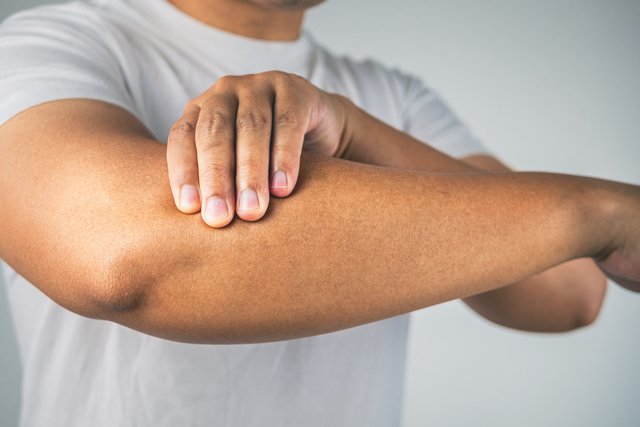
Handle natural joint repair by finding the real cause, removing the biggest obstacle, applying the right first action, and protecting the desired outcome.
Understanding the mechanisms behind natural joint repair is essential for anyone experiencing joint issues. Common causes of joint degeneration include aging, repetitive stress, and injury. Effective methods for promoting natural repair involve a combination of dietary adjustments, targeted exercises, and lifestyle modifications. Prioritizing these methods can lead to significant improvements in joint health.
Additionally, it is crucial to recognize that while natural joint repair methods can be beneficial, they often require consistency and time to yield results. Individuals may need to adjust their approaches based on personal responses and specific joint conditions, ensuring a tailored strategy for optimal recovery.
Nutritional Support for Joint Repair
Nutritional support plays a pivotal role in natural joint repair. Certain nutrients, such as omega-3 fatty acids, antioxidants, and vitamins C and D, have been shown to reduce inflammation and support cartilage health. Foods rich in these nutrients, like fatty fish, leafy greens, and nuts, should be integrated into the diet.
Incorporating anti-inflammatory foods can significantly impact joint health. For instance, omega-3 fatty acids found in fish oil can help reduce joint stiffness and pain. Similarly, antioxidants from fruits and vegetables combat oxidative stress, which is a contributor to joint degeneration. Prioritizing a well-rounded diet rich in these elements is essential for anyone looking to enhance their natural joint repair processes.
Physical Therapy Techniques
Physical therapy techniques are crucial for facilitating natural joint repair. These methods focus on strengthening the muscles surrounding the joints, improving flexibility, and enhancing overall function. Techniques such as manual therapy, ultrasound, and specific exercises can aid in recovery.
Engaging in a tailored physical therapy program can lead to improved joint stability and function. Activities like range-of-motion exercises can help maintain joint flexibility, while strength training can enhance the support around the joint. It’s vital to consult with a qualified physical therapist to develop a program that suits individual needs and conditions.
Lifestyle Changes to Enhance Recovery
Lifestyle changes are integral to supporting natural joint repair. Regular physical activity, maintaining a healthy weight, and managing stress levels can significantly affect joint health. Weight management is particularly important, as excess weight places additional stress on joints.
Incorporating low-impact exercises such as swimming or cycling can be beneficial for joint health. These activities help maintain fitness without putting undue stress on the joints. Additionally, practices like yoga can improve flexibility and reduce tension in the muscles surrounding the joints. Prioritizing these lifestyle changes can create a solid foundation for enhanced recovery.
Common Mistakes to Avoid
While pursuing natural joint repair, several common mistakes can hinder progress. One key mistake is neglecting the importance of consistency in diet and exercise. Individuals may start strong but fail to maintain their routines, leading to limited results.
Another pitfall is overlooking professional guidance. Many people attempt to self-diagnose and treat their joint issues without consulting healthcare professionals, which can lead to ineffective strategies. It is essential to seek expert advice to create a personalized approach to joint health that considers individual conditions and goals.
Global health guidance, fact sheets, and evidence-based public health information.
Frequently Asked Questions
What is natural joint repair?
Natural joint repair refers to the body’s process of healing and regenerating damaged joint tissues through methods like nutrition and physical therapy.
How can nutrition support joint repair?
Nutrients like omega-3 fatty acids and antioxidants help reduce inflammation and support cartilage health, promoting better joint function.
What role does physical therapy play in joint health?
Physical therapy strengthens muscles around joints, improves flexibility, and enhances overall function, facilitating better recovery.
Are there lifestyle changes that can aid in joint repair?
Yes, maintaining a healthy weight, engaging in regular low-impact exercise, and managing stress can significantly improve joint health.
What mistakes should I avoid during joint recovery?
Common mistakes include inconsistency in diet and exercise and neglecting professional guidance, which can hinder progress.
Conclusion
In summary, natural joint repair involves a multifaceted approach that includes nutritional support, physical therapy, and lifestyle changes. By prioritizing these elements, individuals can enhance their joint health and recovery. It is essential to remain consistent and seek professional guidance to tailor strategies to personal needs. Taking proactive steps now can lead to significant long-term benefits for joint function and overall well-being.
Best vitamins for joint support and cartilage repair decisions improve when you prioritize constraints, tradeoffs, and common mistakes before acting.
Understanding the specific functions of these vitamins is essential. For instance, Vitamin D is vital for calcium absorption, which is crucial for bone health, while Vitamin C is necessary for collagen synthesis, a key component of cartilage. Omega-3 fatty acids help reduce joint inflammation, and Vitamin E acts as an antioxidant, protecting joint tissues from oxidative stress. Many people, however, overlook the importance of these vitamins in their diets, potentially leading to joint issues.
Vitamin D and Its Role in Joint Health
Vitamin D is essential for maintaining bone density and health, which directly impacts joint function. It aids in calcium absorption, crucial for bone strength. A deficiency in Vitamin D can lead to weakened bones, increasing the risk of joint pain and arthritis. Many individuals, especially those with limited sun exposure, may find it challenging to obtain adequate Vitamin D from sunlight alone.
To ensure sufficient Vitamin D levels, consider incorporating fatty fish, fortified foods, and supplements into your diet. Regular testing can also help identify deficiencies and guide supplementation strategies. Balancing Vitamin D with other nutrients is vital, as it works synergistically with calcium and magnesium for optimal bone health.
The Importance of Vitamin C for Cartilage Repair
Vitamin C is crucial for collagen synthesis, making it integral to cartilage repair and maintenance. Collagen forms the structural framework of cartilage, and without adequate Vitamin C, the body struggles to produce this essential protein. This deficiency can lead to weakened cartilage, increasing the risk of joint pain and injuries.
To boost your Vitamin C intake, include citrus fruits, strawberries, bell peppers, and broccoli in your diet. Cooking methods can affect Vitamin C levels, so consider raw or lightly cooked options. If you’re not getting enough from food sources, a supplement may be beneficial, especially for those with higher needs or limited dietary variety.
Omega-3 Fatty Acids: Reducing Inflammation
Omega-3 fatty acids are known for their anti-inflammatory properties, making them vital for joint health. They help reduce inflammation in the joints, which is particularly beneficial for individuals suffering from arthritis or other inflammatory joint conditions. These fatty acids also support overall joint lubrication, enhancing mobility.
Good sources of Omega-3s include fatty fish like salmon and mackerel, walnuts, flaxseeds, and chia seeds. If dietary sources are insufficient, consider Omega-3 supplements. Balancing Omega-3 intake with Omega-6 fatty acids is essential, as an imbalance can lead to increased inflammation.
Vitamin E: An Antioxidant for Joint Support
Vitamin E serves as a powerful antioxidant that protects joint tissues from oxidative damage. This protection is crucial, as oxidative stress can contribute to joint degeneration and pain. Adequate Vitamin E intake supports overall joint health and may help alleviate symptoms associated with joint disorders.
To increase your Vitamin E intake, focus on nuts, seeds, spinach, and fortified cereals. If you consider supplements, consult with a healthcare provider to determine the appropriate dosage, as high doses can interfere with blood clotting in some individuals. Maintaining a balanced diet rich in antioxidants can further enhance joint support.
Provides information on the antioxidant properties of Vitamin E and its health benefits
Frequently Asked Questions
What vitamins are best for joint health?
The best vitamins for joint health include Vitamin D, Vitamin C, Omega-3 fatty acids, and Vitamin E, each offering unique benefits for maintaining joint function and reducing inflammation.
How much Vitamin D do I need for joint support?
Most adults require 600-800 IU of Vitamin D daily for adequate joint support, but individual needs may vary based on factors like age, health conditions, and sun exposure.
Can Omega-3 help with joint pain?
Yes, Omega-3 fatty acids can reduce joint pain and inflammation, making them beneficial for individuals with arthritis or other inflammatory joint issues.
What foods are rich in Vitamin C?
Foods rich in Vitamin C include citrus fruits, strawberries, kiwi, bell peppers, and broccoli, all of which support collagen production for cartilage repair.
Is it safe to take Vitamin E supplements?
While Vitamin E supplements are generally safe, high doses can interfere with blood clotting. It’s best to consult a healthcare provider before starting any supplementation.
Conclusion
Incorporating the right vitamins into your diet is essential for joint support and cartilage repair. Prioritizing Vitamin D, Vitamin C, Omega-3 fatty acids, and Vitamin E can significantly impact your joint health. A balanced diet, along with potential supplementation when necessary, is key to maintaining mobility and reducing the risk of joint-related issues. Regular check-ups and consultations with healthcare professionals can help ensure that your nutrient needs are met effectively.
Welcome to the ultimate 2025 guide on effective cartilage and joint repair strategies. Whether you’re recovering from an injury or seeking to prevent joint degeneration, understanding the latest methods and approaches is crucial. In this comprehensive resource, we’ll explore proven techniques, innovative treatments, lifestyle adjustments, and future trendsâall aimed at optimizing cartilage and joint repair in 2025 and beyond.
By focusing on consistent, evidence-based strategies for cartilage and joint repair, you can improve mobility, reduce pain, and enhance quality of life. This guide is designed to bring together expert insights, scientific research, and practical tips to help you take control of your joint health today.
1. Understanding Cartilage and Joint Anatomy
1.1 The Role of Cartilage in Joint Function
Our joints rely heavily on cartilage, a smooth connective tissue that cushions bones and allows for pain-free movement. Cartilage acts as a shock absorber during high-impact activities, such as running or jumping, protecting bones from wear and tear. In 2025, understanding the intricacies of cartilage anatomy is essential for developing effective repair strategies.
Wear or damage to cartilage can lead to conditions like osteoarthritis, which affects millions globally. This is why research now emphasizes not just repair, but regenerationârestoring original cartilage tissue rather than just patching up lesions. Advances in biological scaffolds and stem cell therapies are making significant impacts in this space.
1.2 The Structure and Composition of Healthy Cartilage
Healthy cartilage is primarily composed of water, collagen fibers, and proteoglycans. These elements work together to maintain mechanical strength and flexibility. In 2025, tissue engineering aims to replicate this complex matrix more accurately for successful repairs.
Research shows that maintaining the biochemical environment of cartilage is crucial for its longevity. Factors like pH levels, nutrient availability, and joint lubrication influence tissue health. Understanding these can help tailor personalized treatment plans for cartilage and joint repair.
1.3 Causes of Cartilage Degeneration and Damage
Damage to cartilage can result from acute injuries, repetitive stress, aging, or systemic diseases. For example, athletes or older adults often experience cartilage deterioration due to trauma or wear over time. Recognizing these causes Helps in prevention and strategic intervention.
Emerging data suggests that genetic predispositions and inflammatory processes also contribute significantly to cartilage degradation. Early detection through imaging and biomarkers enables clinicians to implement timely cartilage and joint repair measures, potentially halting or reversing damage.
2. Latest Advances in Regenerative Medicine
2.1 Stem Cell Therapies for Cartilage Repair
One of the most promising developments in 2025 is the use of mesenchymal stem cells (MSCs) to promote cartilage regeneration. These cells differentiate into chondrocytes, the cells responsible for cartilage production, and can be injected directly into damaged joints.
Studies reveal that patients receiving stem cell treatments report significant pain relief and improved joint function within months. Moreover, combining stem cells with scaffolds enhances the regenerative process, leading to more durable repair tissue.
2.2 Platelet-Rich Plasma (PRP) and Growth Factors
PRP therapies leverage the body’s own healing potential by concentrating platelets rich in growth factors. Administered via injections, PRP stimulates cellular activity and collagen production, aiding in cartilage repair.
Research in 2025 indicates that PRP, when used alongside physical therapy and other modalities, can slow osteoarthritis progression and promote tissue regeneration. This minimally invasive option is gaining popularity among clinicians and patients alike.
2.3 Novel Scaffold Materials and Tissue Engineering
In 2025, the development of bioresorbable, biocompatible scaffolds has revolutionized cartilage repair. These scaffolds act as temporary frameworks that support cell growth and tissue formation.
Advanced materials, such as nanofibrous composites and hydrogels, mimic the natural extracellular matrix, providing a supportive environment for regeneration. When combined with growth factors and stem cells, these scaffolds significantly improve successful cartilage and joint repair outcomes.
3. Dietary Strategies to Support Joint Health
3.1 Anti-Inflammatory Nutrition Plans
A balanced diet rich in anti-inflammatory foods can support joint health. Incorporating omega-3 fatty acids from fish, flaxseeds, and walnuts reduces inflammation and slows cartilage destruction.
Studies from 2025 suggest that dietary adjustments can decrease systemic inflammation markers, improving joint function and reducing pain. These dietary habits form a crucial part of an integrated cartilage and joint repair approach.
3.2 Key Nutrients for Cartilage Regeneration
Nutrients like glucosamine, chondroitin sulfate, vitamin D, and collagen support cartilage structure and function. Supplementation with these can enhance natural repair processes, especially in early stages of joint degeneration.
Personalized nutrition plans, based on blood tests and genetic profiles, are emerging in 2025 to optimize nutrient intake for individual needs. Proper nutrition not only aids repair but also helps prevent further damage.
3.3 Avoiding Foods That Harm Joint Health
Reducing intake of processed foods, sugar, and trans fats can lessen inflammation and cartilage breakdown. Excessive alcohol consumption and smoking are also detrimental, impairing tissue regeneration.
Practical tip: Focus on whole foods, lean proteins, and colorful fruits and vegetables to promote overall joint health. Coupled with targeted supplementation, these habits can significantly enhance your cartilage and joint repair efforts.
Frequently Asked Questions
Q1: What are the most effective strategies for cartilage and joint repair in 2025?
Effective cartilage and joint repair involves a combination of regenerative therapies like stem cell treatments, innovative scaffolds, nutritional support, and lifestyle modifications. Staying updated on emerging research and consulting with healthcare professionals ensures the best outcomes.
Q2: How does diet influence cartilage and joint repair?
Diet plays a vital role by reducing inflammation and providing essential nutrients like glucosamine, chondroitin, and omega-3 fatty acids that support tissue regeneration. Proper nutrition can slow degeneration and promote healing in damaged joints.
Q3: Are there non-invasive options for cartilage and joint repair?
Yes, minimally invasive treatments like PRP injections and stem cell therapies are popular options in 2025. These methods often result in less downtime and fewer complications, making them attractive choices for many patients.
Q4: When should I consider surgical intervention for cartilage repair?
Surgical options are generally considered when conservative therapies fail, and pain or functional limitations persist. Advances in minimally invasive techniques now allow for more effective repair with faster recovery times.
Conclusion
In 2025, understanding and implementing effective cartilage and joint repair strategies is more achievable than ever. From regenerative medicine breakthroughs to nutritional science and lifestyle changes, a holistic approach can significantly improve joint function and quality of life. Staying informed and proactive will empower you to make the best choices for your joint health today and in the years to come.
Maintaining joint repair and recovery starts from the inside out. In 2025, more experts emphasize the importance of an anti-inflammatory diet to support joint health. Foods rich in omega-3 fatty acids, like fatty fish such as salmon and mackerel, can significantly reduce joint inflammation. Incorporating fruits like berries and cherries, which contain antioxidants, also helps combat oxidative stress that worsens joint deterioration.
Eating a balanced diet with plenty of vegetables, whole grains, and lean proteins not only promotes overall health but specifically aids in the repair process of damaged joints. Research from 2024 indicates that a diet low in processed foods and added sugars can decrease joint pain and improve mobility over time.
Practical tip: Plan your meals to include at least three servings of omega-3-rich foods weekly and diversify your vegetable intake to ensure a rich supply of essential nutrients for joint repair and recovery.
Vitamin and Mineral Support
Vitamins D and C play crucial roles in maintaining joint health. Vitamin D helps with calcium absorption, which is vital for bone strength, while Vitamin C is necessary for collagen formationâthe structural protein in joints. A deficiency in these nutrients can hamper joint repair and recovery efforts.
Consider regular blood tests to monitor vitamin levels and supplement as needed under a healthcare professional’s guidance. In 2025, many studies affirm that adequate vitamin intake can accelerate healing and reduce the progression of degenerative joint diseases.
Actionable tip: Incorporate foods like citrus fruits, leafy greens, and fortified dairy to boost your intake, or use supplements with your doctor’s approval to meet recommended levels.
2. Incorporate Targeted Physical Therapy
Customized Exercise Programs
Physical therapy remains a cornerstone of effective joint repair and recovery. A tailored exercise regimen can improve joint flexibility, strengthen surrounding muscles, and lessen pain. In 2025, technological advances enable even more precise programs based on individual assessments, including motion analysis and biofeedback.
Consistent physiotherapy helps prevent further deterioration and facilitates tissue healing. Focus on low-impact activities such as swimming, cycling, or yogaâthese minimize joint strain while promoting circulation and healing.
Expert tip: Work with a licensed physical therapist who can design an individualized plan focusing on your specific joint issues, ensuring safe progression over time.
Incorporating New Therapeutic Devices
Emerging technologies like ultrasound therapy and laser treatments can stimulate cellular repair in damaged joints. These devices complement traditional physiotherapy and can accelerate recovery in 2025. Some clinics also use wearable sensors to track your progress and adapt therapy plans in real-time.
Research suggests that combining physical therapy with innovative modalities can substantially improve outcomes and shorten recovery times.
Pro tip: Ask your healthcare provider about such advanced treatment options to enhance your joint repair and recovery process.
3. Use Supplements Wisely
Popular Supplements for Joint Repair and Recovery
Supplements like glucosamine, chondroitin, and MSM have long been used to support joint health. In 2025, new formulations and delivery methods, including smart capsules and targeted nutrients, offer better absorption and efficacy.
These supplements can help rebuild cartilage, lessen inflammation, and improve joint function. Scientific research shows that consistent use over several months can produce noticeable improvements in pain levels and mobility.
Practical advice: Always choose high-quality supplements verified by third-party testing and consult your healthcare provider to determine the most appropriate regimen for your needs.
Emerging Nutraceuticals and Advances
New nutraceuticals with anti-inflammatory properties are continually emerging. For example, bioactive compounds derived from turmeric and ginger are gaining recognition as effective adjuncts in joint recovery. Their antioxidant activities help mitigate joint tissue damage.
In 2025, personalized supplement plans based on genetic and biomarker testing might become standard, optimizing joint repair and recovery strategies for each individual.
Tip: Keep informed about the latest research and consider integrating proven supplements into your routine under medical supervision.
4. Integrate Innovative Medical Treatments
Regenerative Medicine and Stem Cell Therapy
One of the most exciting developments for joint repair and recovery in 2025 involves regenerative medicine, including stem cell therapy. This approach aims to stimulate the bodyâs natural healing processes by regenerating damaged cartilage and tissue.
Clinics now offer minimally invasive procedures that can provide long-lasting relief and improved joint function, especially for osteoarthritis and joint injuries. While still under various phases of clinical trials, these treatments hold promise for revolutionizing joint care.
Expert tip: Discuss with your orthopedic specialist whether regenerative options are suitable for your specific condition.
Platelet-Rich Plasma (PRP) Therapy
PRP involves injecting your own concentrated platelets into affected joints to promote healing. Studies indicate that PRP can significantly reduce pain and restore joint function, making it a popular choice in 2025 for those seeking non-surgical alternatives.
This innovative treatment leverages your bodyâs natural growth factors and can be combined with physical therapy for enhanced results.
Action step: Consult your healthcare provider about PRP therapy and whether it could support your joint repair and recovery journey.
5. Adopt Lifestyle Changes and Weight Management
Managing Weight to Reduce Joint Stress
Excess weight puts additional stress on weight-bearing joints like knees and hips, hindering joint repair. In 2025, a comprehensive approach to weight management becomes even more crucial for effective joint recovery.
Research demonstrates that losing just 5-10% of body weight can significantly decrease joint pain and slow down degenerative processes. Adopting a balanced diet combined with regular activity helps reduce joint strain, improving overall health and accelerating healing.
Tip: Incorporate mind-body techniques such as mindful eating, and set realistic weight loss goals, working with a nutritionist if needed.
Lifestyle Modifications for Joint Longevity
Avoiding repetitive joint strain and adopting ergonomic practices in daily life can preserve joint integrity. For instance, using supportive footwear, practicing good posture, and avoiding prolonged periods of inactivity all contribute to healthier joints.
In 2025, wearables and smart home devices can monitor your movements, alerting you to habits that may hinder your joint repair and recovery.
Pro advice: Make small, consistent adjustmentsâlike using lift assists or supportive chairsâto reduce joint stress over time.
6. Focus on Adequate Rest and Recovery
The Role of Sleep in Joint Healing
Good sleep is essential for optimal joint repair and recovery. During sleep, the body produces growth hormone and repairs tissues, including damaged joint cartilage. Poor sleep quality can prolong inflammation and slow healing.
In 2025, advanced sleep tracking devices help identify disturbances and improve sleep hygiene, supporting your recovery efforts. Prioritizing 7-9 hours of quality rest each night can significantly influence joint health outcomes.
Tip: Establish a calming bedtime routine and limit screen time before sleep to enhance restorative sleep phases.
Incorporating Rest Days and Active Recovery
While staying active is vital, allowing joints time to rest is equally important. Overtraining can exacerbate joint injuries and hinder recovery. Developing a balanced schedule with rest days prevents overuse injuries and encourages better healing.
Active recovery techniques such as gentle stretching, foam rolling, and low-impact exercises can promote circulation without stressing joints. Listening to your body remains key in 2025âs holistic approach to joint repair and recovery.
Pro tip: Use activity trackers to monitor your daily movement and ensure youâre incorporating enough rest for optimal healing.
7. Stay Consistent and Monitor Progress
Tracking Your Joint Recovery Journey
Consistency is critical for successful joint repair and recovery. Use journals, mobile apps, or wearable technology to keep track of your exercises, diet, supplement intake, and pain levels. Regular monitoring allows you to identify what works best and adjust your plan accordingly.
In 2025, data-driven approaches enable personalized adjustments, leading to more effective outcomes. The key is to stay committed and proactive throughout your recovery journey.
Advice: Set clear goals, review progress weekly, and celebrate milestones to stay motivated.
Seeking Professional Support When Needed
While self-care routines are vital, professional guidance ensures youâre on the right track. Regular check-ins with your healthcare team can detect early signs of setbacks or complications. They can also recommend advanced treatments or modifications to your recovery plan as needed.
Incorporating expert advice helps maintain momentum in your joint repair and recovery efforts and increases the likelihood of long-term success.
Tip: Schedule periodic evaluations and donât hesitate to seek second opinions if progress stalls.
Frequently Asked Questions
Q1: What are the best tips for joint repair and recovery in 2025?
The most effective strategies include a balanced diet, targeted physiotherapy, innovative medical treatments, and lifestyle modifications focused on weight management and rest.
Q2: How important is diet in joint repair and recovery?
Diet plays a critical role by reducing inflammation and supplying essential nutrients like vitamins D and C, which are vital for tissue repair and joint health.
Q3: Can supplements really help with joint repair and recovery?
Yes, with proper guidance, supplements like glucosamine, chondroitin, and anti-inflammatory nutraceuticals can support cartilage regeneration and reduce joint pain.
Q4: How does injury or age affect joint repair and recovery?
Injuries and aging slow down the body’s natural healing processes. Implementing proactive strategies in 2025 ensures optimal recovery despite these challenges.
Q5: Why is consistency key in joint repair and recovery?
Consistent adherence to diet, exercise, and medical advice maximizes healing potential and prevents setbacks, leading to improved long-term joint health.
In conclusion, focusing on comprehensive strategies for joint repair and recovery is essential in 2025. By incorporating nutritious diets, advanced treatments, lifestyle adjustments, and consistent effort, you can greatly enhance your joint health. Remember, a proactive and informed approach to joint repair and recovery can make all the difference in regaining mobility and reducing pain. Start today for a healthier tomorrow!