


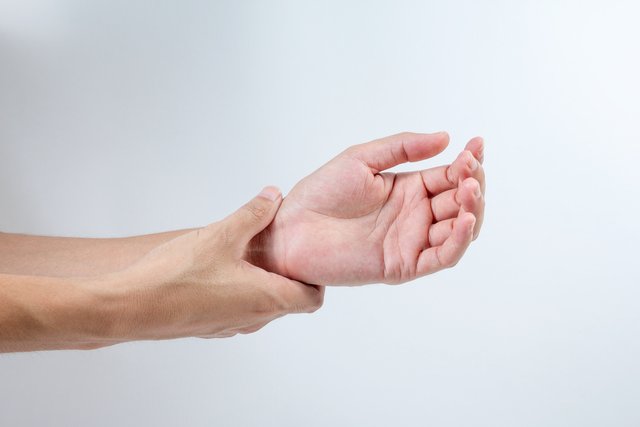
However, if joint pain accompanies cracking, it may indicate issues such as inflammation, wear and tear, or injury. For instance, conditions like osteoarthritis can lead to joint degeneration, causing both pain and audible cracking as the cartilage deteriorates. Recognizing the signs and symptoms associated with these conditions is crucial for timely intervention and management.
Understanding Joint Cracking
Joint cracking, or crepitus, is a common phenomenon that can occur during movement. This sound is often attributed to the rapid release of gas bubbles in the synovial fluid surrounding the joints. While this is usually harmless, it can sometimes indicate underlying issues when accompanied by pain.
Many people experience joint cracking without any discomfort. However, if the cracking is accompanied by pain, it can lead to concern. It’s essential to differentiate between normal cracking and sounds associated with potential joint problems. Regularly monitoring any changes in frequency or intensity can help identify when to consult a healthcare professional.
Common Causes of Joint Pain and Cracking
Several factors can contribute to both joint cracking and pain. Conditions such as arthritis, tendinitis, or bursitis can cause inflammation in the joints, leading to discomfort and audible sounds during movement. Additionally, repetitive strain or injury to the joint can exacerbate these symptoms.
Furthermore, lifestyle factors such as excessive weight, lack of exercise, or poor posture can increase stress on the joints, resulting in both cracking and pain. Addressing these lifestyle choices can significantly improve joint health and reduce associated symptoms.
When to Seek Medical Attention
If joint cracking is accompanied by significant pain, swelling, or a reduced range of motion, it may be time to seek medical attention. These symptoms could indicate a more serious underlying condition that requires intervention.
Additionally, if the cracking sound changes in frequency or intensity, or if it occurs after an injury, consulting a healthcare provider is advisable. Early diagnosis and treatment can prevent further damage and improve outcomes.


Effective Remedies and Management Strategies
Managing joint pain and cracking often involves a combination of lifestyle changes, physical therapy, and sometimes medication. Regular low-impact exercise can strengthen the muscles surrounding the joints, improving stability and reducing pain. Stretching and flexibility exercises can also help maintain joint function.
In cases of inflammation, over-the-counter anti-inflammatory medications may provide relief. Additionally, maintaining a healthy weight can reduce stress on the joints, potentially alleviating pain and cracking. Always consult with a healthcare professional before starting any new treatment plan.
Further Reading
Authoritative Sources
- MedlinePlus
medlineplus.govConsumer-friendly medical and health information from the U.S. National Library of Medicine.
- National Institutes of Health
nih.govResearch-based health information and links to authoritative medical resources.
- Centers for Disease Control and Prevention
cdc.govOfficial public health guidance, prevention resources, and topic-specific recommendations.
- Mayo Clinic
mayoclinic.orgTrusted clinical guidance, symptom explainers, and treatment overviews.
- World Health Organization
who.intGlobal health guidance, fact sheets, and evidence-based public health information.
Frequently Asked Questions
What causes joints to crack?
Joints crack due to gas bubbles in the synovial fluid or when ligaments and tendons move over bones.
Is joint cracking harmful?
Generally, joint cracking is not harmful if not accompanied by pain. However, it can indicate issues like arthritis if associated with discomfort.
How can I reduce joint pain?
To reduce joint pain, maintain a healthy weight, engage in regular exercise, and consider anti-inflammatory medications.
When should I see a doctor for joint pain?
Consult a doctor if you experience severe pain, swelling, or reduced mobility in the joint.
Can diet affect joint health?
Yes, a balanced diet rich in anti-inflammatory foods can support joint health and reduce pain.
Conclusion
Understanding why joints crack and hurt at the same time is crucial for effective management. Recognizing the signs of potential issues and making informed lifestyle choices can greatly improve joint health. If pain persists or worsens, seeking medical advice is essential to ensure proper treatment and prevent further complications.