
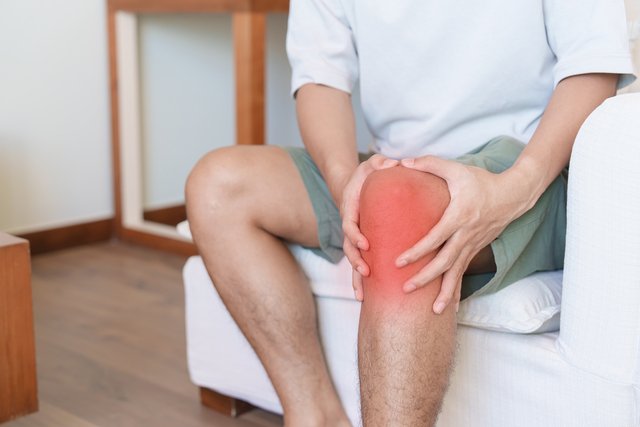
Experiencing knee joint pain after long walks can be frustrating, especially when you enjoy being active. The discomfort may stem from various factors such as overexertion, improper footwear, or underlying conditions. It’s crucial to address this pain effectively to maintain your mobility and quality of life.
Many individuals mistakenly believe that resting completely is the best solution. While rest is essential, a balanced approach incorporating gentle movement, targeted exercises, and supportive measures can significantly enhance recovery. Understanding what aggravates your pain and how to mitigate it is key to enjoying your walks without discomfort.
Identifying the Causes of Knee Pain
Understanding the root causes of your knee pain is essential for effective relief. Common culprits include overuse, poor biomechanics, and inadequate footwear. Activities like long walks can exacerbate existing conditions such as tendinitis or arthritis, leading to increased discomfort.
Many people overlook the importance of their walking technique and the surfaces they walk on. For instance, walking on uneven terrain can strain your knees more than flat surfaces. Evaluating these factors can help you identify what adjustments to make.
Immediate Relief Techniques
When knee pain strikes after a long walk, immediate relief techniques can help. First, applying ice to the affected area can reduce inflammation and numb the pain. Aim for 15-20 minutes of icing, several times a day.
Additionally, gentle stretches and strengthening exercises can alleviate discomfort. Focus on exercises that target the quadriceps and hamstrings, as these muscle groups support the knee joint. Remember to consult a physical therapist for personalized exercises that cater to your needs.
Long-term Strategies for Prevention
Preventing knee pain involves a proactive approach. Incorporating a proper warm-up routine before walking can prepare your joints and muscles for activity. Gradually increasing your walking distance allows your body to adapt without undue stress.
Investing in supportive footwear is another critical factor. Shoes that provide adequate cushioning and arch support can significantly reduce knee strain. Consider visiting a specialty store for a gait analysis to find the best fit for your walking style.

When to Seek Professional Help
If knee pain persists despite your efforts, it’s essential to consult a healthcare professional. Persistent pain may indicate an underlying issue that requires medical intervention. Early diagnosis can prevent further complications and guide you toward effective treatment options.
Physical therapists can provide tailored rehabilitation plans, while orthopedic specialists can assess for structural issues. Don’t hesitate to seek help if your pain impacts your daily activities.
Further Reading
Authoritative Sources
- Arthritis Foundation
arthritis.orgThis resource offers valuable insights into managing joint pain and arthritis-related issues
Frequently Asked Questions
What are the best exercises to relieve knee pain?
Low-impact exercises like swimming, cycling, and specific stretches can provide relief and strengthen supporting muscles.
How long should I rest if my knee hurts?
Rest for 24-48 hours after experiencing pain, but incorporate gentle movement to prevent stiffness.
Can I walk if my knee hurts?
Walking is generally acceptable if the pain is mild. Listen to your body and adjust your pace as needed.
Is ice or heat better for knee pain?
Ice is best for reducing inflammation, while heat can help relax tense muscles. Alternate based on your symptoms.
What should I do if the pain doesn’t improve?
Consult a healthcare professional if your knee pain persists despite home treatment methods.
Conclusion
Relieving knee joint pain after long walks is achievable with a combination of immediate relief techniques and long-term preventive strategies. Focus on identifying the causes, using appropriate techniques for relief, and consulting professionals when necessary. By taking these steps, you can enjoy your walks without the burden of pain.