
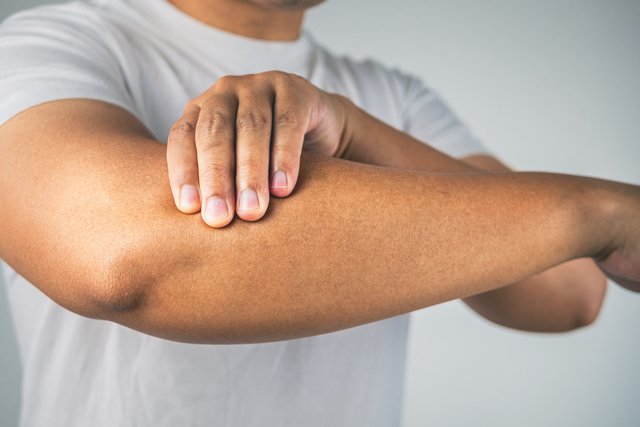
Understanding the factors contributing to joint deterioration is crucial. Common causes include age, repetitive strain, and inflammatory conditions such as arthritis. Prioritizing a holistic approach that includes nutrition, physical activity, and possibly supplementation can significantly impact recovery outcomes. Mistakes often made include relying solely on pharmaceuticals or neglecting the importance of consistent physical activity.
Many individuals overlook the significance of preventive measures and early interventions. Incorporating joint-friendly foods and maintaining a healthy weight are foundational steps in a natural joint repair strategy. Additionally, understanding the trade-offs between different repair methods can help in making informed decisions that align with personal health goals.
Nutritional Support for Joint Health
A balanced diet rich in anti-inflammatory foods is essential for natural joint repair. Foods such as fatty fish, nuts, seeds, and leafy greens provide the necessary nutrients to support joint function and reduce inflammation.
Prioritizing omega-3 fatty acids, antioxidants, and vitamins can enhance joint health. Common pitfalls include excessive consumption of processed foods that can exacerbate inflammation. Understanding the role of hydration and maintaining an optimal weight can also significantly aid in reducing joint stress.
To optimize dietary choices, focus on whole foods and consider consulting a nutritionist for personalized advice. Incorporating a variety of colorful fruits and vegetables can ensure a broad spectrum of nutrients that support joint health.
Physical Therapy and Exercises
Engaging in regular physical activity is vital for maintaining joint flexibility and strength. Tailored physical therapy programs can help individuals recover effectively while minimizing the risk of injury.
Common mistakes include over-exerting oneself or neglecting specific muscle groups that support joint stability. A balanced exercise regimen should include strength training, flexibility exercises, and aerobic activities. Prioritizing low-impact exercises, such as swimming or cycling, can reduce stress on the joints while promoting overall fitness.
It’s essential to listen to your body and adjust the intensity of workouts based on your current joint health. Consulting with a physical therapist can provide valuable guidance and ensure exercises are performed safely and effectively.
Natural Supplements for Joint Repair
Natural supplements can play a supportive role in joint repair. Ingredients such as glucosamine, chondroitin, and turmeric are popular for their anti-inflammatory properties and potential benefits in cartilage repair.
However, not all supplements are created equal, and it’s crucial to research their efficacy and safety. Some individuals may experience side effects or interactions with other medications. Prioritizing quality over quantity is vital when selecting supplements.

It’s advisable to discuss supplement use with a healthcare provider to tailor choices based on individual health needs and to avoid potential complications. This personalized approach can enhance the effectiveness of natural joint repair strategies.
Lifestyle Changes to Support Recovery
Incorporating lifestyle changes can significantly enhance the effectiveness of natural joint repair strategies. Maintaining a healthy weight, managing stress, and ensuring adequate sleep are critical components of recovery.
Many individuals underestimate the impact of stress on joint health. Chronic stress can lead to inflammation, which may exacerbate joint issues. Prioritizing stress-reduction techniques such as yoga, meditation, or deep-breathing exercises can be beneficial.
Additionally, ensuring a consistent sleep schedule can aid in recovery and overall joint health. Establishing a routine that incorporates physical activity, healthy eating, and stress management will provide a strong foundation for natural joint repair.
Further Reading
For those looking to deepen their understanding of natural joint repair techniques, consider exploring resources from reputable health organizations and research studies. Official documentation from recognized institutions can provide valuable insights into the latest findings and recommendations in joint health.
Further Reading
Authoritative Sources
- MedlinePlus
medlineplus.govConsumer-friendly medical and health information from the U.S. National Library of Medicine.
- National Institutes of Health
nih.govResearch-based health information and links to authoritative medical resources.
- Centers for Disease Control and Prevention
cdc.govOfficial public health guidance, prevention resources, and topic-specific recommendations.
- Mayo Clinic
mayoclinic.orgTrusted clinical guidance, symptom explainers, and treatment overviews.
- World Health Organization
who.intGlobal health guidance, fact sheets, and evidence-based public health information.
Frequently Asked Questions
What are the best foods for natural joint repair?
Foods rich in omega-3 fatty acids, antioxidants, and vitamins, such as fatty fish, nuts, and leafy greens, are excellent for joint health.
How can exercise help in joint repair?
Regular exercise strengthens the muscles around joints, improves flexibility, and reduces stiffness, all of which are essential for joint repair.
Are there any supplements that aid in joint repair?
Supplements like glucosamine, chondroitin, and turmeric are known for their potential benefits in supporting joint health and reducing inflammation.
What lifestyle changes can support joint health?
Maintaining a healthy weight, managing stress, and ensuring adequate sleep can significantly enhance joint health and recovery.
How long does it take to see results from natural joint repair methods?
Results can vary based on individual circumstances, but many people may start to notice improvements in joint health within a few weeks to several months of consistent effort.
Conclusion
Natural joint repair is a multifaceted approach that involves nutritional support, physical activity, natural supplements, and lifestyle changes. Prioritizing these elements can lead to significant improvements in joint health and overall well-being. For best results, a personalized strategy tailored to individual health needs and goals is essential. Stay informed and proactive in your approach to joint health, and consult with healthcare professionals when necessary to ensure safe and effective practices.