
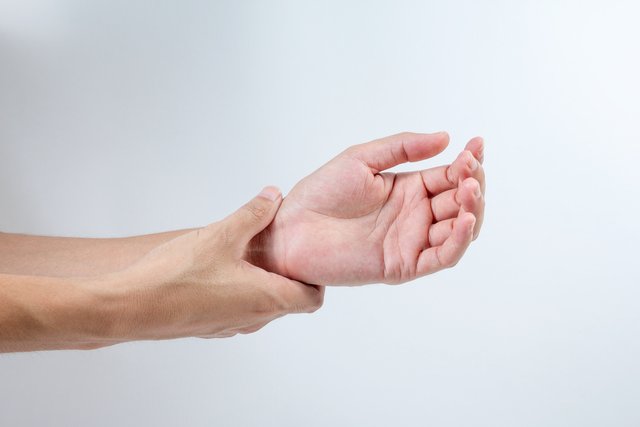
In addition to the RICE method, over-the-counter non-steroidal anti-inflammatory drugs (NSAIDs) like ibuprofen can reduce inflammation and provide pain relief. Dietary changes may also play a crucial role; incorporating anti-inflammatory foods such as fatty fish, leafy greens, and nuts can aid in managing chronic swelling. It’s essential to recognize that while these methods can provide immediate relief, underlying causes of joint swelling should be addressed for long-term health.
Understanding Causes of Joint Swelling
Joint swelling can result from various factors including injury, arthritis, and inflammatory diseases. Understanding the root cause is critical for effective treatment. For instance, conditions like rheumatoid arthritis or gout often require specific medical interventions beyond home remedies.
Many individuals mistakenly attribute joint swelling solely to physical activity or age, overlooking other potential triggers such as dietary habits or underlying health conditions. Identifying these causes can help prioritize the most effective treatment approach.
Immediate Relief Techniques
Utilizing the RICE method is one of the fastest ways to reduce swelling. Resting the joint allows it to recover, while applying ice for 15-20 minutes every hour can significantly decrease inflammation. Compression with a bandage can help limit swelling, and elevation of the joint above heart level facilitates fluid drainage.
While these techniques are effective in the short term, relying solely on them without addressing underlying issues may lead to recurring swelling. It’s vital to listen to your body and consult a healthcare professional if swelling persists.
Dietary Adjustments for Reduced Swelling
Incorporating anti-inflammatory foods into your diet can enhance the body’s ability to manage joint swelling. Foods rich in omega-3 fatty acids, such as salmon and walnuts, as well as antioxidants found in berries and leafy greens, can reduce inflammation.
On the other hand, it’s essential to minimize the intake of processed foods high in sugar and unhealthy fats, which can exacerbate inflammation and contribute to joint pain. A balanced diet not only supports joint health but also improves overall well-being.

Long-term Management Strategies
For sustained relief from joint swelling, a comprehensive approach is necessary. This includes regular physical activity tailored to your abilities, maintaining a healthy weight to reduce joint stress, and possibly engaging in physical therapy to strengthen surrounding muscles.
Moreover, staying hydrated and managing stress through techniques such as yoga or mindfulness can positively impact joint health. Consider consulting a healthcare provider for personalized strategies that cater to your specific needs.
Further Reading
Authoritative Sources
- MedlinePlus
medlineplus.govConsumer-friendly medical and health information from the U.S. National Library of Medicine.
- National Institutes of Health
nih.govResearch-based health information and links to authoritative medical resources.
- Centers for Disease Control and Prevention
cdc.govOfficial public health guidance, prevention resources, and topic-specific recommendations.
- Mayo Clinic
mayoclinic.orgTrusted clinical guidance, symptom explainers, and treatment overviews.
- World Health Organization
who.intGlobal health guidance, fact sheets, and evidence-based public health information.
Frequently Asked Questions
What causes joint swelling?
Joint swelling can be caused by injuries, arthritis, infections, or conditions like bursitis and tendinitis.
How long does joint swelling last?
The duration of joint swelling depends on the underlying cause; it can last from a few days to several weeks.
Can diet affect joint swelling?
Yes, a diet rich in anti-inflammatory foods can help reduce joint swelling and pain.
When should I see a doctor for joint swelling?
If swelling persists for more than a few days or is accompanied by severe pain, it’s advisable to seek medical attention.
Are there any exercises to help reduce joint swelling?
Low-impact exercises like swimming and cycling can promote joint mobility without exacerbating swelling.
Conclusion
To effectively manage joint swelling, prioritize immediate care methods like RICE while also considering dietary changes and long-term strategies. Understanding the root cause of swelling is crucial for effective treatment. By implementing these strategies, you can reduce swelling and improve joint function, leading to a healthier, more active lifestyle.