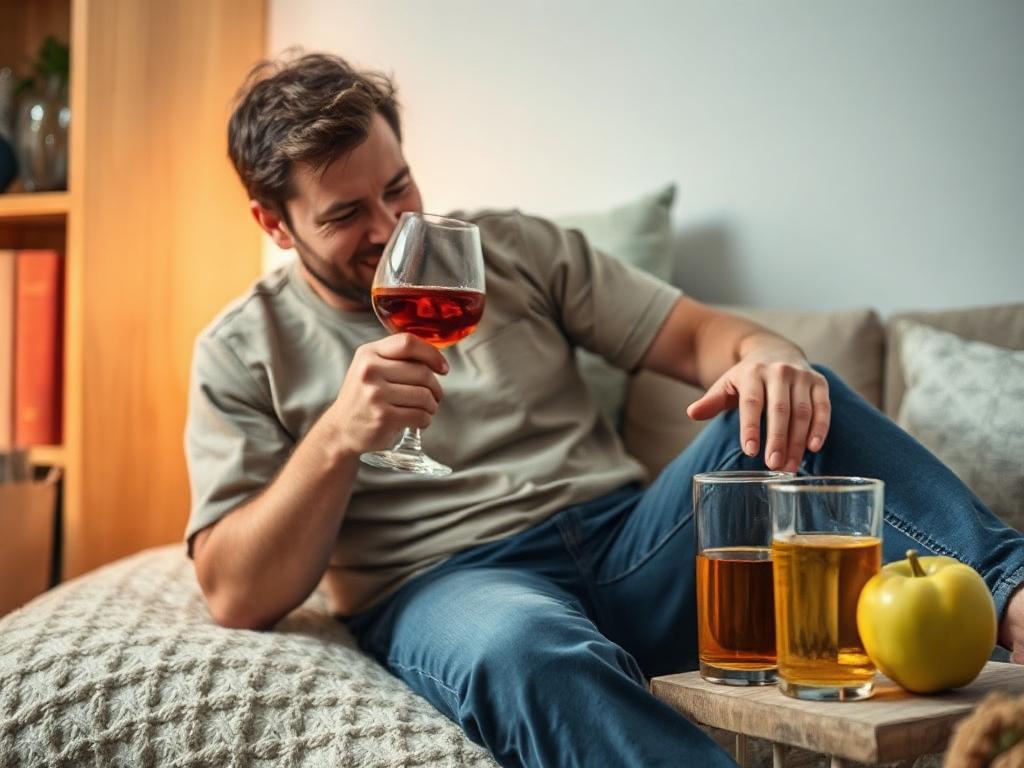
Alcohol intake can change joint pain overnight by promoting dehydration, disrupting sleep, increasing inflammatory signaling, and sometimes adding purine-rich foods that raise uric acid exposure. A painful or swollen joint the next morning may reflect these short-term effects, but alcohol does not prove that gout or another specific condition is present. Notice the timing, amount and type of alcohol, accompanying foods, hydration, sleep quality, and whether redness or swelling is confined to one joint. Avoid using extra medication to offset drinking without checking safety, especially with acetaminophen or anti-inflammatory drugs. Repeated overnight flares, severe swelling, fever, or inability to bear weight warrant medical assessment.
Why Alcohol May Make a Joint Hurt by Morning
A noticeable change in joint pain after an evening of drinking usually reflects several influences arriving together rather than one simple alcohol-to-pain switch. Alcohol can affect fluid balance, sleep quality, blood-vessel behavior, medication safety, and food choices. If a joint was already irritated by osteoarthritis, an old injury, bursitis, or another condition, those changes may make symptoms more apparent overnight.
Timing can be misleading. A person may feel comfortable while drinking because attention is elsewhere or alcohol temporarily changes pain perception. Hours later, the effect has worn off, sleep has been fragmented, and the joint has remained still for a long period. Morning stiffness can then feel like a sudden flare even though the underlying irritation developed gradually.
The amount matters, but so does the setting. Two drinks consumed with water and a balanced meal may produce a different morning than several drinks accompanied by salty takeout, little sleep, and prolonged sitting. Beer and spirits mixed with sugary beverages may also be consumed differently from a small serving of wine. These comparisons do not establish that one beverage is safe for every person; they help identify patterns worth recording.
A useful first step is to compare drinking nights with non-drinking nights rather than relying on a single episode. Record the joint involved, swelling, warmth, stiffness, alcohol amount, food, bedtime, and next-morning pain. The same observations can complement information on how alcohol intake can change joint pain overnight without treating a diary as a diagnosis.
Dehydration, Sleep, and the Overnight Pain Experience
Alcohol can increase fluid loss and make it easier to wake with a dry mouth, headache, or concentrated urine. Dehydration does not automatically cause joint pain, but it may make an already sensitive joint feel worse and can complicate the body’s handling of substances involved in gout. Replacing fluid is sensible, yet water is not a guaranteed way to prevent a flare or erase inflammation.
Sleep is another major pathway. Alcohol may make falling asleep easier while reducing sleep continuity later in the night. Repeated awakenings, snoring, or poor-quality rest can heighten fatigue and lower tolerance for normal stiffness. Someone with knee osteoarthritis may therefore report more pain on a morning after drinking even if the knee’s structural condition has not changed overnight.
Position and inactivity add context. A person who falls asleep in a chair, travels after drinking, or spends hours in one position may wake with stiffness from limited movement. That pattern differs from a joint that is visibly red, hot, rapidly swollen, and intensely tender. Gentle movement after waking may gradually ease mechanical stiffness, whereas a strongly inflamed joint may remain painful or become more sensitive with pressure.
Do not use alcohol as a sleep aid and do not assume that a large amount of water can neutralize its effects. A practical morning check includes urine color as a rough hydration clue, dizziness, headache, sleep duration, and whether pain improves after ordinary movement. Seek individual advice before changing fluid intake substantially if you have heart, kidney, or liver disease.
Alcohol, Purines, and Gout-Like Flares
Alcohol may be especially relevant when morning pain resembles a gout flare. Gout develops when urate crystals irritate a joint, commonly causing sudden severe pain, swelling, warmth, and marked tenderness. Alcohol can influence urate handling, and drinking often occurs alongside foods such as organ meats, red meat, shellfish, or meat-heavy gravies that may add purines. Beer can be a notable part of this pattern, but beverage type alone cannot determine an individual’s risk.
A single painful toe after drinking does not confirm gout. Similar symptoms can occur with infection, injury, inflammatory arthritis, or other conditions. Conversely, a person with diagnosed gout should not assume that only beer matters; the total drinking pattern, hydration, diet, prescribed treatment, and personal urate level may all be relevant.
Consider two evening scenarios. In one, a person drinks several beers, eats cured meat and shellfish, sleeps poorly, and wakes with a swollen big toe. In another, someone drinks one beverage, sleeps normally, and wakes with diffuse stiffness in an arthritic knee. The first pattern deserves prompt attention to gout symptoms, while the second may reflect sleep disruption or mechanical stiffness, though neither can be diagnosed from timing alone.
Do not stop prescribed urate-lowering treatment or take someone else’s gout medicine because pain followed alcohol. Likewise, avoid treating every post-drinking ache with repeated over-the-counter doses. The safest interpretation comes from a clinician who can review the pattern and, when appropriate, examine the joint or test fluid and blood. More detail on how alcohol intake can change joint pain overnight is most useful when paired with an accurate medical history.
What to Check and What to Do the Next Day
The next morning, separate immediate comfort measures from decisions about the cause. Rest the painful joint from strenuous loading, drink fluids normally if they are safe for you, and use a comfortable position. If swelling is present, brief cold application wrapped in cloth may be reasonable for some people. Avoid aggressive massage or intense exercise over a hot, acutely swollen joint.
Medication requires more caution than many people expect. Alcohol and acetaminophen can both place demands on the liver, while alcohol may increase stomach or bleeding concerns associated with some anti-inflammatory medicines. The risk depends on dose, timing, regular drinking, other medicines, and liver, kidney, or stomach conditions. Check the product label and ask a pharmacist or clinician rather than guessing that a familiar pain reliever is suitable after drinking.
Use a short priority check instead of trying many remedies at once:
- Describe the joint: note location, swelling, warmth, redness, range of motion, and whether one or several joints are involved.
- Review the evening: record alcohol amount, beverage, meal, water intake, sleep interruptions, and unusual activity.
- Compare the pattern: distinguish stiffness that eases with gentle movement from escalating pain or swelling that does not.
- Protect the next night: avoid repeating the same drinking-and-food combination until the pattern is understood.
A common mistake is changing alcohol, diet, exercise, and medication simultaneously. That may feel proactive but makes it hard to identify the influential factor and can introduce new risks. A more useful approach is to discuss recurring episodes with a healthcare professional and make one safe, observable change at a time. A symptom log can also reveal whether pain follows alcohol consistently or merely coincides with demanding activity, poor sleep, or a pre-existing flare.

When Morning Joint Pain Needs Medical Attention
Sudden severe pain in one joint with redness, heat, swelling, or extreme tenderness deserves medical advice, particularly if it is the first episode. Gout is one possibility, but infection can also present with an acutely inflamed joint and requires urgent evaluation. Fever, chills, feeling very unwell, rapidly increasing swelling, a wound near the joint, or inability to use the limb raises the level of concern.
Emergency care may be appropriate for severe symptoms accompanied by confusion, fainting, breathing trouble, chest pain, repeated vomiting, or signs of serious alcohol-related illness. Joint pain should not distract from those broader warning signs. A painful knee after a fall also needs a different assessment from gradual morning stiffness after drinking.
Arrange a routine appointment when the pattern repeats, interferes with walking or sleep, or occurs despite little or no alcohol. Bring the symptom log and a complete list of medicines and supplements. Mention kidney disease, liver disease, stomach ulcers, heart conditions, pregnancy, or previous gout because those details affect safe advice.
Medical review is also useful when reducing alcohol feels difficult. The goal is not to label every symptom as alcohol-caused; it is to identify modifiable triggers while protecting against an untreated joint disorder. Guidance on how alcohol intake can change joint pain overnight should support, not replace, evaluation of persistent or alarming symptoms.
Readers can consult guidance from the National Institute of Arthritis and Musculoskeletal and Skin Diseases, the National Institute on Alcohol Abuse and Alcoholism, and a pharmacist or primary-care clinician for individualized advice about gout symptoms, alcohol use, hydration, and medication safety.
Frequently Asked Questions
Can one night of drinking cause joint pain the next morning?
It may coincide with worse pain through dehydration, disrupted sleep, food choices, or urate-related effects, especially when a joint is already vulnerable. One episode does not identify the cause.
Does beer affect joints more than wine or liquor?
Beer may be relevant to some people with gout, but total alcohol exposure, accompanying foods, hydration, and personal health matter. No beverage can be assumed harmless for everyone.
Should I drink extra water after alcohol to prevent a flare?
Normal fluid replacement may address thirst and dehydration, but it cannot guarantee prevention of gout or other joint pain. People with fluid restrictions should follow their clinician’s advice.
Can I take a pain reliever after drinking?
Safety depends on the medicine, dose, timing, drinking pattern, and medical history. Ask a pharmacist or clinician, and do not exceed label directions or combine products unknowingly.
When is post-drinking joint pain urgent?
Seek prompt care for a hot, red, rapidly swollen joint, fever, severe first-time pain, inability to bear weight, or symptoms that are escalating rather than settling.
Conclusion
Overnight changes in joint pain after alcohol are best treated as a pattern to investigate, not proof of a single diagnosis. Track the drink, meal, hydration, sleep, affected joint, swelling, and response to gentle movement. That record can distinguish ordinary stiffness from a recurring inflammatory pattern and gives a clinician more useful information than a vague report that alcohol “made it worse.” Avoid risky medication combinations and do not rely on extra water, strenuous exercise, or self-prescribed gout treatment as a complete solution. Repeated episodes, a hot or visibly swollen joint, fever, severe tenderness, or impaired mobility should move medical assessment ahead of experimentation with diet or drinking habits.