
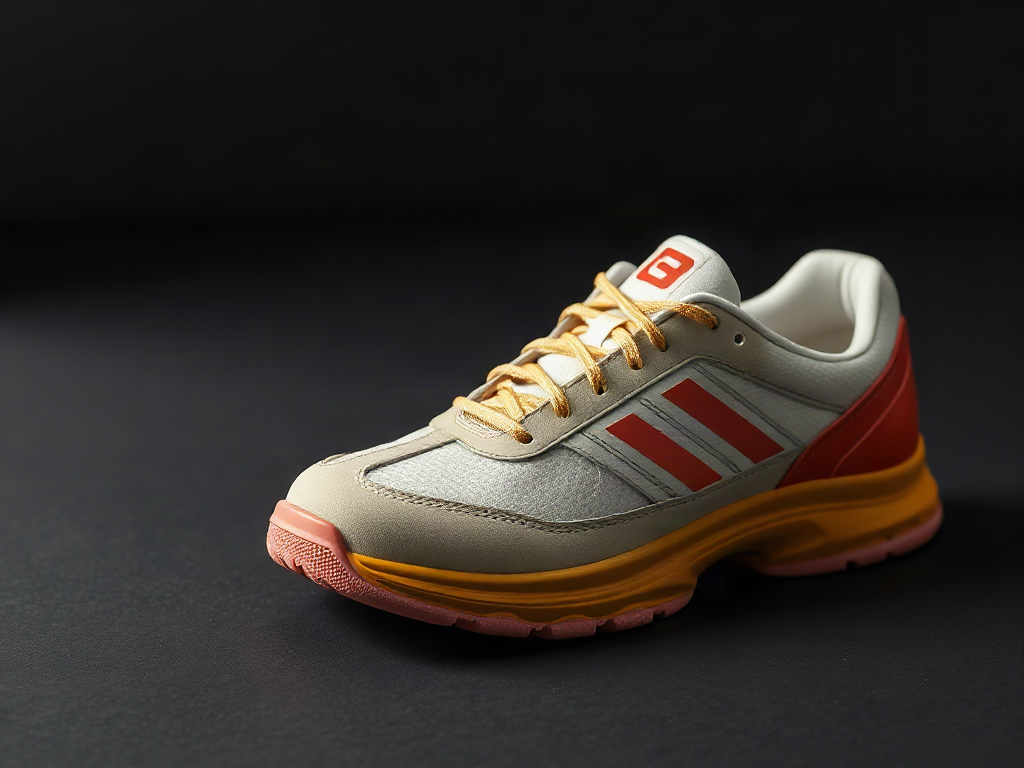
Cushioning versus stability for joint comfort is not an either-or choice: cushioning can soften impact, while stability can limit unwanted foot motion and improve alignment during walking or standing. The better balance depends on shoe fit, surface firmness, activity demands, and whether discomfort appears at the feet, ankles, knees, hips, or back. Softness that allows the foot to wobble may increase muscular effort, while rigid support can create pressure or restrict a comfortable stride. Choose a secure heel, adequate toe room, moderate underfoot compression, and a stable platform, then judge the result by comfort during activity and symptoms later that day.
How Do Cushioning and Stability Affect the Joints?
Cushioning and stability change different parts of the walking experience. Cushioning compresses beneath the foot and may reduce the sharp sensation of contacting a hard surface. Stability describes how well the shoe, insole, or support resists excessive side-to-side movement, twisting, or collapse. A comfortable product usually combines both qualities rather than maximizing only one.
The effects extend beyond the foot because the ankle, knee, hip, and trunk work together during each step. A soft midsole may feel pleasant when the heel lands, but deep or uneven compression can make the body work harder to control the foot. A broad, moderately firm platform may feel less plush in the store yet remain more predictable during a long walk. Neither sensation proves that a product will relieve a specific joint condition.
Consider two walking shoes with similar thickness. One has very soft foam and a narrow heel; the other uses firmer foam with a wider base. The first may soften contact but feel unsteady during turns or on sloped pavement. The second may transmit more surface sensation while requiring fewer balance corrections. A person with sensitive heels could prefer the first, whereas someone who feels the ankle rolling may prefer the second.
Fit can outweigh both advertised features. If the heel slides, the toes grip to hold the shoe in place, or the arch presses into a tender area, extra cushioning will not correct the mismatch. Likewise, a supportive design that squeezes the forefoot can alter the stride and create new pressure. Labels such as “maximum cushion” or “motion control” describe design intentions, not an individual outcome.
The useful comparison is therefore not soft versus firm in isolation. Notice how the full setup affects foot placement, balance, stride length, pressure, and fatigue. Comfort should persist during the intended activity and afterward. Rapidly increasing walking distance in unfamiliar footwear can cloud the result because soreness may come from the added workload rather than the shoe itself.
When Does More Cushioning Make Sense?
Additional cushioning may be useful when hard surfaces or concentrated pressure make each step feel harsh. People who spend hours standing on concrete, walk primarily on pavement, or have limited natural padding beneath the heel or forefoot may value a compliant midsole. Cushioning can also improve immediate comfort when a shoe otherwise fits securely and bends in a suitable place.
More foam is not automatically more protective. Very soft material may bottom out under load, meaning it compresses until little usable cushioning remains. Thick foam can also raise the foot farther from the ground, increasing leverage when the foot lands near the edge of the sole. The result may be a shoe that feels luxurious while standing but less controlled on stairs, corners, gravel, or uneven sidewalks.
A practical example is a person choosing footwear for an indoor job on a level floor. A well-fitted shoe with moderate-to-high cushioning and a broad outsole may reduce underfoot harshness without sacrificing much predictability. The same shoe may be less suitable for garden paths or side-sloped trails, where a lower and firmer platform could provide better ground awareness.
Compression changes with use, so the initial showroom feel is only one test. Examine whether the midsole leans, wrinkles unevenly, or rebounds poorly after pressure. Replaceable insoles can alter softness, but stacking a thick insert inside a shallow shoe may lift the heel, crowd the toes, and weaken the original heel hold. The insert must work with the shoe volume rather than simply add padding.
Signs that cushioning is serving its purpose include reduced focal pressure, a natural stride, and no new sense of instability. Warning signs include ankle wobbling, toes gripping the shoe, growing calf fatigue, or discomfort that appears after a previously manageable distance. Persistent swelling, marked weakness, numbness, a hot or red joint, inability to bear weight, or pain following an injury warrants medical assessment rather than further footwear experimentation.
When Should Stability Take Priority?
Stability deserves more attention when uncontrolled movement, not impact sensation, is the main limitation. A person may notice the heel tipping, the arch area collapsing inward, difficulty maintaining direction, or uncertainty during turns. A stable design can provide a more consistent base, although it should not force the foot into an uncomfortable position.
Useful stability can come from several features: a firm heel counter, secure lacing, a broad sole, torsional resistance through the middle, and sidewalls that contain the foot over the platform. Stability is not synonymous with a hard arch bump. In fact, aggressive arch pressure can be distracting or painful without improving control. The whole shoe should guide movement without creating a single pressure point.
Imagine a walker who is comfortable on a treadmill but feels vulnerable on a sloped neighborhood route. The difference may be lateral control rather than inadequate shock absorption. A shoe with a wider heel and firmer sidewalls could feel safer than adding a softer insole. By contrast, someone who moves steadily but develops burning pressure under the forefoot may need better fit, load distribution, or cushioning instead of stronger motion control.

Excess stability has tradeoffs. A stiff design can restrict natural foot movement, feel awkward at slower speeds, or transfer pressure to the outer edge of the foot. People with substantial left-to-right differences, a recent lower-limb injury, a neurological condition affecting balance, or a prescribed orthotic should consider professional fitting advice. An orthotic can change heel position and shoe volume, so it should be tested inside the intended footwear rather than evaluated separately.
Judge stability dynamically. Walk straight, turn in both directions, use a ramp or stairs if safely available, and pause on one foot while holding a support. The shoe should not slide around the foot, and the foot should not spill over the edge of the midsole. Stable footwear should make movement feel more predictable, not merely tighter or heavier.
Fit Checklist for Balanced Support
A structured fitting process is more reliable than choosing by softness alone. Shop or test footwear when your feet resemble their usual activity-day size, and wear the socks or orthotics you expect to use. Compare both feet because the larger or more sensitive foot often determines the appropriate fit.
Start with the activity. Standing on a smooth workplace floor, walking several miles on pavement, and navigating uneven outdoor terrain place different demands on the sole. Next, identify the dominant complaint: sharp underfoot pressure points toward cushioning or load distribution, while side-to-side uncertainty points toward platform stability. Diffuse joint discomfort may have several contributors and should not be assigned to footwear without considering activity volume, strength, mobility, and an appropriate clinical evaluation when needed.
- Check length and toe room: The toes should lie naturally without touching the front or being compressed from the sides.
- Secure the heel: Minor movement may occur, but repeated lifting or rubbing suggests poor hold.
- Press and twist the shoe: Compression should feel controlled, and the platform should not twist effortlessly unless the activity specifically calls for high flexibility.
- Walk beyond a few steps: Include turns, changes of pace, and the surfaces most relevant to daily use.
- Reassess later: Note joint discomfort, pressure, fatigue, skin irritation, or instability during the activity and later the same day.
Change one variable at a time when possible. Testing a new shoe, a new insole, and a longer walking route simultaneously makes it difficult to identify what helped or failed. Begin with a familiar duration on a familiar surface. If the response is acceptable, increase use gradually rather than wearing the product through an entire demanding day immediately.
A promising fit feels secure without pinching, cushions without uncontrolled sinking, and remains predictable when direction changes. Failure is not limited to pain. New blisters, toe gripping, altered gait, unusual lower-leg fatigue, or reluctance to trust the foot are reasons to reconsider the setup. Do not expect a break-in period to correct inadequate length, a misplaced arch contour, or a platform that feels unstable from the start.
Price and technical labels are weak substitutes for this process. A less expensive shoe with an appropriate shape and balanced platform may outperform a premium model built for a different foot or activity. Return policies matter because a clean indoor trial provides more information than a brief fitting-room test. If discomfort remains unexplained or progressively limits activity, a podiatrist, physical therapist, or other qualified clinician can assess factors that footwear alone cannot address.
Frequently Asked Questions
Is a softer shoe always better for sore knees?
No. Softness may reduce perceived impact, but excessive compression can feel unstable or alter how the leg controls each step. Fit, platform width, activity surface, and symptoms during and after walking provide better guidance than softness alone.
Can stability shoes cause discomfort?
They can if the shoe is too rigid, the arch contour presses in the wrong place, or the design restricts a comfortable stride. Stability should create predictability without concentrated pressure or forced positioning.
How can I tell whether my shoes are too cushioned?
Possible signs include wobbling, toe gripping, difficulty during turns, a sinking sensation, or unusual calf and ankle fatigue. These signs can also reflect poor fit, so assess heel hold and platform width.
Should orthotics be used with cushioned or stable shoes?
Either may work, but the orthotic must fit without crowding the toes or lifting the heel. Because an orthotic already changes support and foot position, test it inside the complete shoe setup.
How long should I test new footwear?
Begin with a familiar, shorter activity rather than an all-day trial. Recheck pressure, balance, skin irritation, and joint symptoms during use and later that day before gradually extending wear.
Conclusion
The most comfortable footwear usually combines controlled compression with a platform that stays predictable under the foot. Prioritize shape and fit first, then match the degree of softness and support to the surface, activity, and movement problem you actually experience. Test turns and varied walking conditions instead of judging a shoe while standing still.
Introduce one change at a time and watch for both immediate pressure and delayed fatigue. A shoe is unlikely to become suitable if it pinches, tips, or forces the stride during the first careful trial. When discomfort persists, follows an injury, limits weight bearing, or occurs with swelling, redness, numbness, or weakness, seek qualified medical evaluation. Footwear can influence comfort and control, but it cannot identify or treat every cause of joint symptoms.