
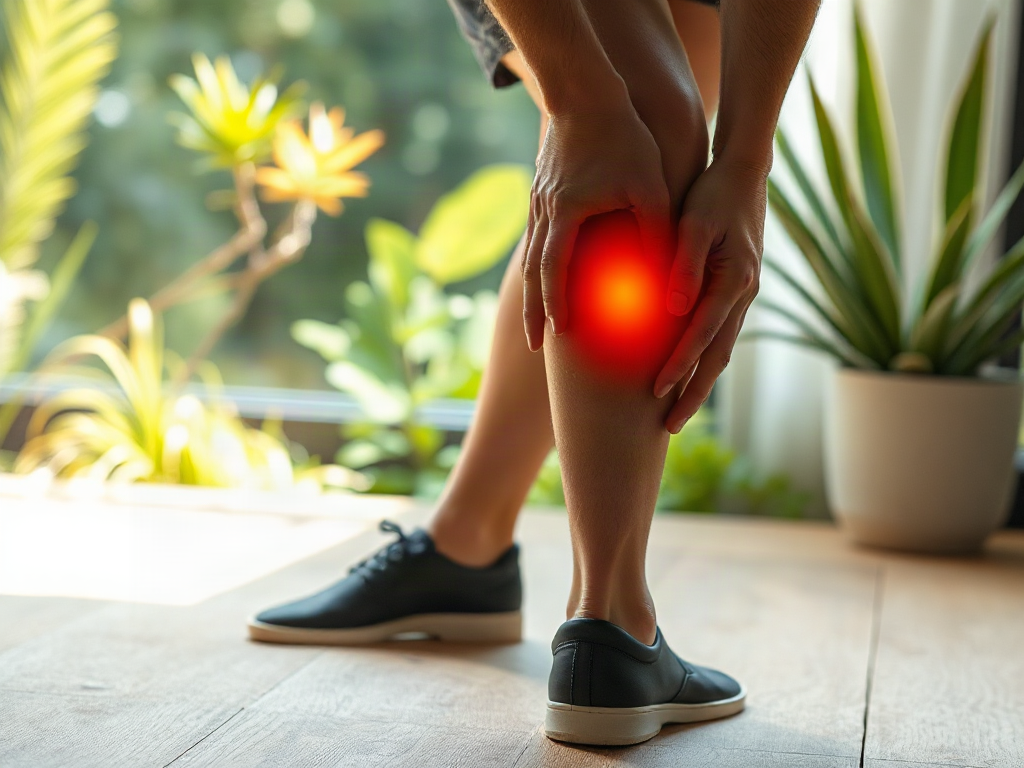
A burning knee sensation: causes and relief approaches depend on whether the discomfort comes from irritated nerves, inflamed tissues, an overuse injury, arthritis, or a skin problem. Note when the burning begins, whether swelling or redness is present, and whether numbness, tingling, weakness, fever, or back pain accompanies it. Reducing aggravating activity, using a wrapped cold pack for short periods, and choosing gentle movement may calm symptoms, but persistent or worsening burning needs clinical assessment. Sudden severe pain, a hot swollen joint, inability to bear weight, or a red rash with fever warrants prompt medical care rather than home treatment alone.
What a Burning Knee Sensation May Indicate
A burning feeling around the knee is a description of a sensation, not a diagnosis. The location and timing provide more useful information than the word “burning” alone. Discomfort over the kneecap after stairs or squats may reflect irritation around the patellofemoral joint, while burning on the outer knee during running can follow repetitive friction or load. A hot, swollen knee has a different level of concern from a mild surface sting after kneeling.
Nerves can create burning, tingling, electric sensations, or altered skin sensitivity. Irritation may occur near the knee, in the lower back, or along the thigh and leg. Muscles and tendons more often produce soreness linked to movement or pressure, although inflamed tissue can feel hot or sharp. Skin conditions, including contact irritation or shingles, may cause burning before a visible rash appears.
Notice whether the symptom is deep or superficial, fixed in one spot or traveling, and present at rest or only during activity. For example, burning that begins after a long drive and extends down the leg may raise a different question than burning directly over a scraped knee. A symptom diary can record activity, position, swelling, rash, numbness, and response to rest. Those details make a medical assessment more efficient and help prevent treating a nerve problem as though it were simple muscle soreness.
A common mistake is assuming that every burning knee needs heat or aggressive stretching. Heat may feel soothing for stiffness, but it can be uncomfortable over a visibly swollen or acutely inflamed area. Stretching may also aggravate a sensitized nerve. The safer first priority is to identify the pattern, reduce the specific aggravating load, and watch for signs that require professional attention. Related guidance on burning knee sensation: causes and relief approaches can be reviewed alongside that symptom record.
Common Causes and Clues That Separate Them
Overuse is a frequent contributor when burning follows a recent change in activity. More walking, hill climbing, cycling resistance, running, or repeated squats can increase stress around the kneecap and nearby tendons. The symptom may appear during the activity and settle with rest, then return when the same load is repeated. This pattern does not prove a specific injury, but it supports temporarily reducing the provoking movement rather than stopping all movement.
Arthritis can produce aching, stiffness, swelling, and sometimes a burning or warm sensation, particularly after prolonged use. Symptoms may be more noticeable when rising from a chair, climbing stairs, or starting movement after rest. Bursitis or tendon irritation may cause localized tenderness and discomfort when kneeling or loading a particular structure. A bruise, strain, or direct impact may explain a new symptom when there is a clear event.
Nerve-related symptoms deserve separate attention. Burning with pins-and-needles, numbness, sensitivity to light touch, or weakness may involve nerve irritation in the leg or lower back rather than the knee joint itself. A person with back pain and burning that travels below the knee should not assume the knee is the only source. Diabetes, previous surgery, prolonged pressure, and certain medical conditions can also affect nerves, so recurring or spreading symptoms warrant evaluation.
Infection, gout, inflammatory arthritis, or a blood-vessel problem is less suitable for home experimentation. Redness, marked warmth, rapid swelling, fever, chills, severe tenderness, or feeling unwell changes the decision. A swollen calf, sudden breathlessness, or chest pain is an emergency concern. These warning patterns matter more than whether the sensation is described as mild burning or severe pain.
Weak assumptions create avoidable delays. Visible swelling is not required for a meaningful problem, and the absence of swelling does not rule out nerve irritation. Conversely, a warm sensation perceived by the person is not identical to objectively increased skin temperature. Comparing both knees with the back of the hand, without repeatedly pressing a painful area, may provide context, but it cannot diagnose the cause.
Relief Approaches That Fit the Pattern
Short-term relief should reduce irritation without masking a worsening problem. For a recent activity-related flare, relative rest is usually more useful than complete inactivity: reduce hills, deep knee bends, jumping, or kneeling for several days while retaining comfortable walking if it does not increase symptoms. A wrapped cold pack for about 10 to 15 minutes may ease soreness or swelling. Protect the skin and stop if numbness, excessive cold, or color change develops.
Gentle movement can prevent stiffness, but it should remain below the threshold that causes escalating burning. Slow knee bends within a comfortable range, easy cycling with low resistance, or brief level walking may be reasonable for some people. If movement produces spreading tingling, weakness, or a stronger burning sensation that lasts after the session, the activity is not currently well matched. A physical therapist can adjust range, strength work, footwear, and workload more precisely than a generic exercise list.
Medication decisions depend on medical history. Over-the-counter anti-inflammatory medicines may be unsuitable for people with kidney disease, stomach ulcers, blood-thinning medication use, certain cardiovascular conditions, or pregnancy. Acetaminophen also has dosing and liver-related limitations. A pharmacist or clinician can help select an option safely. Do not apply numbing creams, heating products, or topical anti-inflammatory products to broken skin, and follow the product label rather than combining multiple products casually.
Daily mechanics can matter more than a single treatment. A person whose burning appears after kneeling may benefit from a padded surface and less time in that position. Someone whose symptoms follow a sudden running increase should first adjust distance, pace, and hills rather than buying several supports at once. Shoes, braces, and sleeves can alter comfort, but they do not identify the cause; a brace that reduces pain during activity may still be inappropriate if swelling or instability is increasing.
The most useful sign of progress is a steady reduction in symptom intensity, duration, or frequency while ordinary tasks become easier. Relief that lasts only while a product is applied, followed by a stronger flare after activity, suggests that the underlying load has not been addressed. More detail about practical self-care is available through burning knee sensation: causes and relief approaches, but persistent symptoms should not be managed indefinitely by trial and error.
When Evaluation Should Come First
Medical assessment is appropriate when burning persists, repeatedly returns, interferes with sleep, or is accompanied by numbness, weakness, instability, or reduced ability to walk. A clinician may examine the knee, hip, back, skin, circulation, reflexes, and strength because the source may not be located at the painful spot. Imaging or laboratory testing is not automatically needed; the examination and history help determine whether testing is useful.
Prompt care is more important when the joint is suddenly swollen, hot, and difficult to move, especially with fever or feeling unwell. A new rash with burning pain, particularly a one-sided band of blisters, should be assessed promptly because some skin and nerve conditions are time-sensitive. An inability to bear weight after an injury, obvious deformity, or a locked knee also deserves urgent evaluation.

Use a simple priority check rather than waiting for a perfect diagnosis:
- Emergency: chest pain, sudden shortness of breath, a cold or pale leg, or severe swelling developing quickly.
- Same-day or prompt assessment: fever, a hot red joint, rapidly increasing swelling, new weakness, or a painful rash.
- Routine appointment: symptoms lasting beyond a reasonable period of activity reduction, recurring without a clear trigger, or limiting work, sleep, or walking.
- Conservative monitoring: mild symptoms tied to a clear activity change that improve steadily with reduced load and gentle movement.
Do not use improvement after icing as proof that the condition is harmless. Cold can temporarily reduce sensation in several types of discomfort. Likewise, a normal-looking knee does not exclude a nerve, tendon, or early inflammatory issue. The decision should be based on the complete pattern and its trajectory, not one response to a home measure.
A Practical Plan for Tracking Recovery
Track the symptom for several days using consistent observations: time of onset, activity beforehand, exact location, intensity, swelling, skin changes, numbness, and how long symptoms remain afterward. Record whether stairs, sitting, kneeling, driving, or lying down changes it. This approach distinguishes a load-sensitive pattern from symptoms that occur independently of movement.
Make one meaningful change at a time. If running appears to trigger the burning, reduce distance and hills before changing shoes, adding a brace, and starting several exercises simultaneously. If the knee improves, increase activity gradually rather than returning immediately to the previous workload. A flare lasting into the following day means the recent increase may have exceeded current tolerance.
Consider the difference between comfort and recovery. A topical product or cold pack may make a walk feel easier, but the knee should still be monitored later that day and the next morning. Conversely, mild stiffness after a safe movement session may settle as the joint warms and does not necessarily indicate harm. The useful test is the overall trend: fewer episodes, easier daily tasks, and no progression of neurological or inflammatory signs.
For recurring symptoms, bring the record to a clinician or physical therapist. Mention previous injuries, surgery, diabetes, back symptoms, new medicines, rashes, and changes in exercise. Those details can redirect the assessment toward nerves, skin, circulation, or systemic inflammation rather than keeping attention narrowly on the kneecap. Readers comparing options can use burning knee sensation: causes and relief approaches as a reminder that relief methods should match the suspected pattern.
Frequently Asked Questions
Can a burning knee sensation come from a nerve?
Yes. Burning with tingling, numbness, sensitivity to touch, weakness, or symptoms traveling down the leg may reflect nerve irritation near the knee, hip, or lower back.
Should I use heat or ice for a burning knee?
A wrapped cold pack may be more comfortable for a recent flare or swelling. Heat may suit stiffness but can feel worse over an acutely hot or swollen area. Protect the skin with either method.
When is burning around the knee urgent?
Seek prompt care for a hot red joint, rapid swelling, fever, inability to bear weight, new weakness, a painful rash, or severe symptoms after an injury. Sudden breathlessness or chest pain requires emergency care.
Can overuse cause a burning feeling near the kneecap?
Yes. A sudden increase in stairs, running, squats, hills, or cycling resistance can irritate tissues around the kneecap. Reducing the provoking load while keeping comfortable movement may help.
How long should I monitor the symptom at home?
Mild symptoms linked to a clear activity change can be monitored while they steadily improve. Arrange an assessment if they persist, recur, spread, disturb sleep, or develop neurological, inflammatory, or skin-related signs.
Conclusion
A burning knee sensation deserves pattern-based attention rather than an automatic diagnosis. First identify whether the feeling is linked to activity, pressure, a rash, swelling, altered sensation, or symptoms coming from the back or leg. Reduce the specific trigger, use protected cold for a short period when appropriate, and keep movement gentle enough that symptoms do not intensify afterward. Do not rely on temporary relief to dismiss worsening signs. A hot swollen joint, fever, new weakness, painful rash, inability to bear weight, or sudden severe symptoms calls for prompt care. If the sensation keeps returning or limits ordinary activities, arrange an examination so the knee, nerves, skin, and nearby areas can be assessed together.