
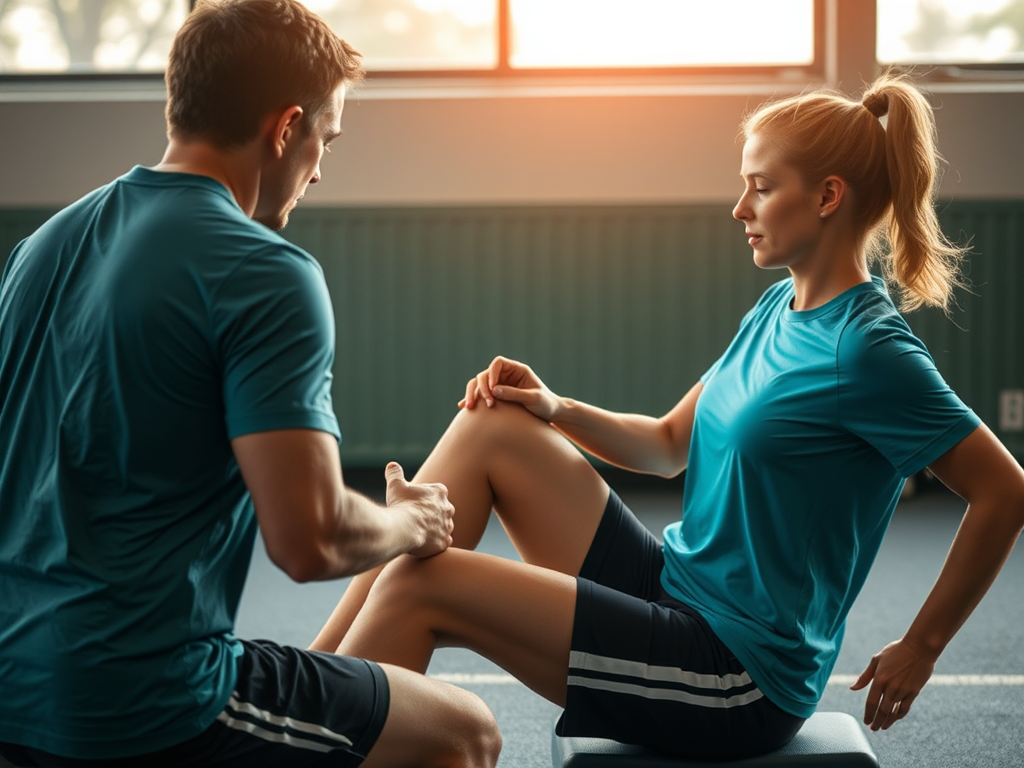
Considerations for joint pain management in athletes involve understanding the underlying causes of pain and implementing effective recovery strategies. Key factors include recognizing the importance of proper warm-ups and cool-downs, utilizing physical therapy techniques, and incorporating anti-inflammatory nutrition. Misjudging recovery time or ignoring early symptoms can lead to chronic issues, so athletes should prioritize individualized management plans that address their specific needs.
Understanding Joint Pain in Athletes
Joint pain in athletes can arise from various factors, including overuse, injury, and underlying medical conditions. Athletes often push their bodies to the limit, which can lead to acute injuries or chronic pain conditions like tendinitis or arthritis. Understanding the nature of joint pain is crucial for effective management. Early recognition of symptoms and their causes can significantly improve recovery outcomes.
For instance, overuse injuries often result from repetitive motion without adequate rest. This can lead to inflammation in the joints, causing pain and discomfort. Athletes must be vigilant about their body’s signals and not dismiss early signs of pain as mere fatigue.
Common misconceptions include the belief that pain is an inevitable part of athletic training. While some discomfort is normal, persistent pain can indicate underlying issues that require attention. Athletes should prioritize listening to their bodies and seek professional evaluation when pain persists.
Understanding Joint Pain in Athletes matters because it turns considerations for joint pain management in athletes from a broad idea into a decision the reader can actually apply. The practical difference usually shows up in the details: how much is needed, when the choice is made, what tradeoff is acceptable, and what sign shows the approach is working. For nutrition topics, the strongest advice connects portion size, food quality, timing, and recovery instead of treating every meal as a fixed serving.
A useful way to handle this section is to compare the normal baseline with the situation that creates extra demand. If pain is the baseline concern, then athletes becomes the adjustment point and joint becomes the outcome to watch. That keeps the advice specific without forcing the reader into a rigid formula that may not fit their routine, budget, tolerance, schedule, or current level of experience.
The most common mistake is changing too many variables at once. A better approach is to choose one measurable adjustment, use it consistently long enough to see a pattern, and then refine the next step based on energy, comfort, performance, safety, or reliability. This makes the guidance easier to trust because the reader can connect the recommendation to what they observe rather than guessing from a generic checklist.
The practical takeaway is to make the section actionable: identify the main constraint, choose the smallest useful change, and compare the result against the goal. When the outcome improves, the reader can keep the approach. When it does not, the next change should target the most likely bottleneck rather than repeating the same step with more effort.
Effective Recovery Strategies
Implementing effective recovery strategies is essential for managing joint pain in athletes. The recovery process should include a combination of rest, rehabilitation, and gradual return to activity. One effective approach is to incorporate physical therapy, which can help strengthen the muscles around the joint and improve flexibility.
Another critical aspect of recovery is the use of modalities such as ice, heat, and electrical stimulation. Ice can reduce inflammation and numb sharp pain, while heat can promote blood flow and relax tight muscles. Athletes should be educated on when to use each modality to maximize effectiveness.
Active recovery techniques, such as low-impact exercises, are also beneficial. These activities can help maintain mobility without placing excessive strain on the joints. For example, swimming or cycling can provide cardiovascular benefits while reducing the risk of exacerbating joint pain.
Effective Recovery Strategies matters because it turns considerations for joint pain management in athletes from a broad idea into a decision the reader can actually apply. The practical difference usually shows up in the details: how much is needed, when the choice is made, what tradeoff is acceptable, and what sign shows the approach is working. For nutrition topics, the strongest advice connects portion size, food quality, timing, and recovery instead of treating every meal as a fixed serving.
A useful way to handle this section is to compare the normal baseline with the situation that creates extra demand. If recovery is the baseline concern, then joint becomes the adjustment point and pain becomes the outcome to watch. That keeps the advice specific without forcing the reader into a rigid formula that may not fit their routine, budget, tolerance, schedule, or current level of experience.
The most common mistake is changing too many variables at once. A better approach is to choose one measurable adjustment, use it consistently long enough to see a pattern, and then refine the next step based on energy, comfort, performance, safety, or reliability. This makes the guidance easier to trust because the reader can connect the recommendation to what they observe rather than guessing from a generic checklist.
Preventive Measures for Joint Health
Preventing joint pain is often easier than treating it. Athletes should focus on proper warm-up and cool-down routines, which are critical for preparing the body for activity and aiding recovery afterward. A good warm-up increases blood flow to the muscles and joints, reducing the risk of injury.
Additionally, strength training that targets the muscles surrounding the joints can help stabilize them. For instance, strengthening the quadriceps and hamstrings can alleviate stress on the knee joint. Athletes should also pay attention to their form and technique during training to prevent injuries.
Education on proper footwear and equipment is vital as well. Using the right shoes for specific sports can significantly reduce the risk of joint injuries. Athletes should consult with professionals to ensure their gear meets their specific needs.
Preventive Measures for Joint Health matters because it turns considerations for joint pain management in athletes from a broad idea into a decision the reader can actually apply. The practical difference usually shows up in the details: how much is needed, when the choice is made, what tradeoff is acceptable, and what sign shows the approach is working. For nutrition topics, the strongest advice connects portion size, food quality, timing, and recovery instead of treating every meal as a fixed serving.
A useful way to handle this section is to compare the normal baseline with the situation that creates extra demand. If joint is the baseline concern, then athletes becomes the adjustment point and pain becomes the outcome to watch. That keeps the advice specific without forcing the reader into a rigid formula that may not fit their routine, budget, tolerance, schedule, or current level of experience.
The most common mistake is changing too many variables at once. A better approach is to choose one measurable adjustment, use it consistently long enough to see a pattern, and then refine the next step based on energy, comfort, performance, safety, or reliability. This makes the guidance easier to trust because the reader can connect the recommendation to what they observe rather than guessing from a generic checklist.
Nutrition and Its Role in Joint Pain Management
Nutrition plays a pivotal role in joint health and pain management. Athletes should focus on an anti-inflammatory diet rich in omega-3 fatty acids, antioxidants, and vitamins. Foods like fatty fish, nuts, seeds, and leafy greens can help combat inflammation and support joint function.
Hydration is another critical factor. Dehydration can lead to joint stiffness and increased pain. Athletes must ensure they consume adequate fluids before, during, and after exercise to maintain joint lubrication and overall performance.
In some cases, dietary supplements may be beneficial. Glucosamine and chondroitin sulfate are popular among athletes for joint health. However, it is essential to consult with a healthcare professional before starting any supplementation to ensure safety and efficacy.

Maintaining joint health is an ongoing process that requires attention to recovery strategies, preventive measures, and nutrition. Athletes should continually educate themselves on best practices and adapt their approaches as needed to support their joint health.
Nutrition and Its Role in Joint Pain Management matters because it turns considerations for joint pain management in athletes from a broad idea into a decision the reader can actually apply. The practical difference usually shows up in the details: how much is needed, when the choice is made, what tradeoff is acceptable, and what sign shows the approach is working. For nutrition topics, the strongest advice connects portion size, food quality, timing, and recovery instead of treating every meal as a fixed serving.
A useful way to handle this section is to compare the normal baseline with the situation that creates extra demand. If joint is the baseline concern, then athletes becomes the adjustment point and pain becomes the outcome to watch. That keeps the advice specific without forcing the reader into a rigid formula that may not fit their routine, budget, tolerance, schedule, or current level of experience.
Frequently Asked Questions
What are common causes of joint pain in athletes?
Common causes include overuse, acute injuries, and conditions like arthritis or tendinitis, often exacerbated by improper training techniques.
How can athletes prevent joint pain?
Preventive measures include proper warm-ups, strength training, using appropriate footwear, and maintaining good form during exercises.
What role does nutrition play in joint pain management?
Nutrition can reduce inflammation and support joint health through a diet rich in omega-3 fatty acids, antioxidants, and adequate hydration.
When should an athlete seek professional help for joint pain?
Professional help should be sought if pain persists despite rest and home care, or if it is accompanied by swelling, redness, or inability to move the joint.
Can physical therapy help with joint pain?
Yes, physical therapy can help strengthen muscles around the joint, improve flexibility, and provide tailored recovery strategies to reduce pain.
Conclusion
Managing joint pain effectively requires a multifaceted approach that includes understanding the causes of pain, implementing recovery strategies, and focusing on prevention. Athletes should prioritize individualized plans that address their unique needs and incorporate nutritional strategies to support joint health. Staying proactive in joint care can lead to improved performance and a longer athletic career.