Heat pads for shoulder pain can temporarily ease stiffness and muscle tightness, but safe use depends on moderate heat, a fabric barrier, short sessions, and regular skin checks. Heat may increase local blood flow and make movement more comfortable, yet it does not repair a torn tendon, resolve nerve compression, or identify the cause of persistent shoulder symptoms. Use the lowest setting that feels soothing, avoid sleeping with the pad, and stop if the skin becomes red, numb, blistered, or more painful. Recent injury with marked swelling, reduced sensation, circulation problems, or unexplained severe pain calls for medical advice rather than repeated heat.
When Heat Is Most Useful for Shoulder Discomfort
Heat is most useful when shoulder discomfort is accompanied by stiffness, protective muscle guarding, or aching that eases as the area gently warms. A heating pad does not act like a repair treatment. Its practical role is comfort: warmth may relax superficial muscles, increase the feeling of flexibility, and make light range-of-motion work easier. That distinction matters because a shoulder can feel better temporarily while the underlying problem remains.
For example, someone who develops upper-shoulder tightness after desk work may find a warm pad helpful before slow shoulder rolls or a comfortable pendulum exercise. The same approach may be less appropriate immediately after a fall, when swelling and acute tissue irritation are prominent. Heat can feel pleasant in either situation, but pleasant sensation is not reliable proof that heat is the right intervention.
Use heat as a short preparation or comfort measure rather than as a reason to push through restricted movement. A useful sign is that the shoulder moves more comfortably without forcing the joint. A poor sign is increasing throbbing, swelling, sharp pain, or soreness that lasts after the session. Those responses suggest that the intensity, timing, or treatment choice needs reconsideration.
Heat also has limits when symptoms arise from structures that warmth cannot correct. Rotator-cuff injury, bursitis, arthritis, referred pain from the neck, and nerve irritation can all produce shoulder complaints. Heat may reduce the surrounding tension while leaving the main driver unchanged. Readers comparing options may also review Heat pads for shoulder pain: safe use and limitations alongside information about shoulder mobility and injury evaluation.
How to Use a Heat Pad Without Burning the Skin
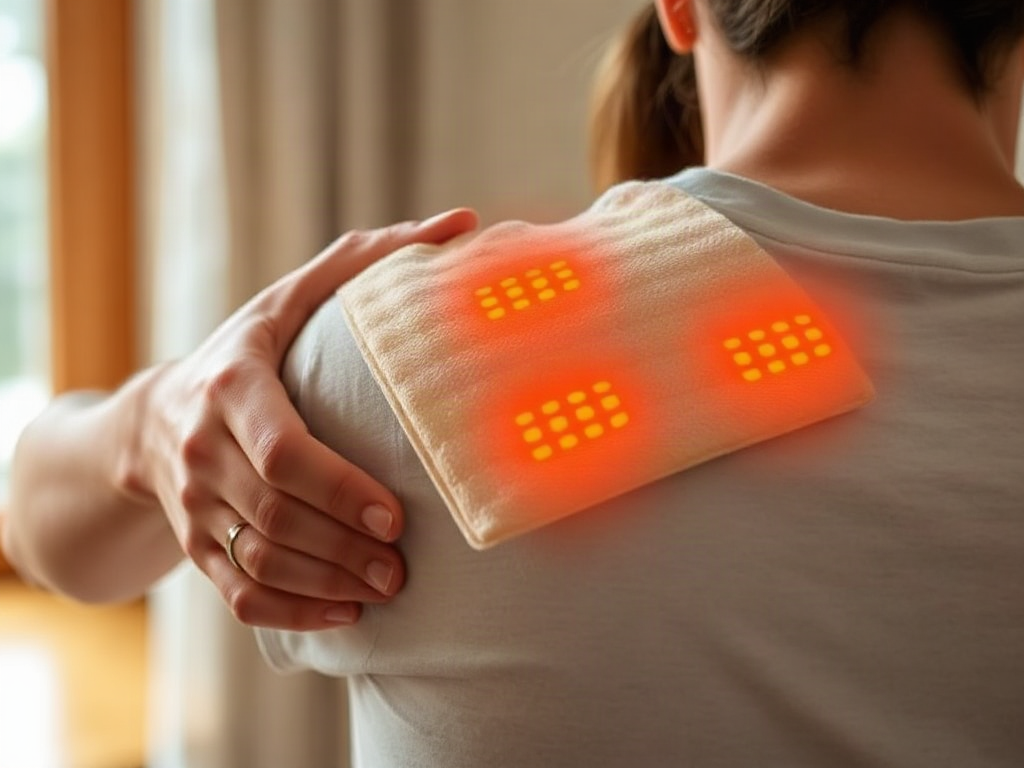
Safe application depends more on temperature control and supervision than on a particular pad shape. Place a thin layer of clothing or fabric between the pad and skin unless the manufacturer specifically provides different instructions. Select a low or moderate setting first, position the pad over the tense surrounding muscles rather than pressing hard into a tender joint, and remain awake and able to check the skin.
A practical first session is brief: warm the area for about 10 to 15 minutes, then remove the pad and inspect the skin. A mild, even flush that fades soon afterward may be acceptable; persistent redness, burning, mottling, tenderness, or numbness is not. Do not increase the temperature simply because the first few minutes feel mild. Numbness can reduce the warning signals that normally tell you the heat is excessive.
Do not lie on top of an electric pad, fold it while operating, cover it with heavy bedding, or use it while asleep. Those choices can trap heat and may damage the device or increase burn risk. Follow the product instructions for automatic shutoff, cord condition, cleaning, and use around water. A damaged cord, frayed cover, or pad with uneven hot spots is a reason to replace it rather than compensate by lowering the setting.
People with reduced sensation, diabetes-related nerve changes, circulation problems, fragile skin, or difficulty responding quickly to discomfort should ask a clinician before using therapeutic heat. Children and anyone who may fall asleep during treatment require close supervision. The common mistake is treating a longer session as a stronger solution. If warmth has not improved comfort after a few carefully monitored sessions, repeating it for hours is unlikely to solve the underlying issue.
Limitations, Contraindications, and Warning Signs
A heat pad can mask symptoms without changing the condition causing them. That is the central limitation. Temporary comfort may encourage normal activity, but it should not be used to justify lifting, overhead work, or stretching into sharp pain. Heat is also not a substitute for assessment when symptoms are persistent, recurrent, or progressively limiting daily tasks.
Use particular caution after a new injury. If the shoulder becomes rapidly swollen, visibly deformed, markedly weak, or difficult to move after a fall or impact, prompt medical evaluation is more appropriate than home heat. Heat should also not be used over broken or infected skin. Unexplained fever, spreading redness, or severe tenderness requires attention to the broader illness rather than local warming.
Shoulder symptoms can occasionally reflect a problem outside the shoulder. Seek urgent care for shoulder discomfort accompanied by chest pressure, shortness of breath, faintness, sweating, or pain spreading into the jaw or arm. New arm weakness, significant numbness, loss of coordination, or severe neck-related symptoms also change the risk assessment. These patterns should not be explained away as tight muscles because a heating pad feels soothing.
Heat may be a poor choice when swelling clearly dominates or when warmth consistently makes symptoms worse. Cold may be considered for a short period after some acute injuries, although it also requires a barrier and skin checks; neither heat nor cold should be applied directly to numb skin. The relevant question is not which method is universally better, but whether the response is comfortable, temporary, and followed by better function rather than escalating symptoms.
Choosing Heat, Cold, Movement, or Medical Evaluation
The best next step depends on the symptom pattern and the response to a cautious trial. Heat is more reasonable for stiffness and muscular tension that improve with gentle movement. A cold application may feel more suitable when a recent activity produces localized soreness or swelling, provided the skin remains protected and sensation is normal. Gentle movement can be useful in either situation when it stays within a comfortable range, but forced stretching can aggravate an irritable shoulder.
Try a simple sequence: check the skin and sensation, apply low-to-moderate warmth briefly, remove the pad, and perform slow pain-free movement. Reassess later rather than judging success only by the immediate warm feeling. Improvement means easier movement or reduced aching without a rebound increase. Failure includes worsening pain, new swelling, skin changes, repeated reliance on higher temperatures, or symptoms that return quickly and interfere with sleep or work.

Product selection should reflect the body area and the user’s ability to monitor it. A flexible pad that sits across the upper back and shoulder may distribute warmth more evenly than a small pad that creates one hot point. Automatic shutoff can reduce risk, but it does not make sleeping with the pad safe. Moist heat may feel more penetrating to some people, yet moisture adds electrical and skin-safety considerations; the manufacturer’s instructions should control how that product is used.
Arrange a clinical assessment when shoulder symptoms persist, repeatedly recur, cause meaningful weakness, restrict dressing or reaching, or fail to improve with sensible activity modification. A clinician can consider the neck, shoulder joint, tendons, nerves, and general health rather than treating the warm sensation alone. For more context, readers can also consult Heat pads for shoulder pain: safe use and limitations when comparing comfort measures with rehabilitation or evaluation.
A Safe-Use Checklist for Home Sessions
A short checklist prevents the most avoidable problems. Before applying heat, identify whether the symptom is mainly stiffness or whether there is a new injury, swelling, numbness, or unexplained weakness. Check the skin, inspect the pad and cord, and choose a setting that feels comfortably warm rather than intensely hot. Keep the session brief enough to remain alert and able to assess the area.
- Use a fabric layer and avoid direct high heat on bare skin.
- Stay awake, keep the pad visible, and never use it under bedding.
- Recheck the skin during and after use for burning, persistent redness, or numbness.
- Stop if pain, swelling, weakness, or unusual symptoms increase.
- Pair warmth with easy movement only; do not force a restricted shoulder.
- Seek advice when symptoms persist or when sensation and circulation are impaired.
For a real-world example, a person with morning stiffness may use warmth before dressing and then judge the shoulder by function later in the day. If reaching remains limited or the need for heat grows each morning, the useful next step is evaluation rather than a hotter pad. Heat should make a specific activity more comfortable, not become the entire plan.
That approach also avoids a common misconception: more heat does not equal more healing. The safest benefit is usually modest and temporary. Treat the response as information about comfort and movement, while allowing the symptom pattern, duration, and warning signs to determine whether professional care is needed.
Frequently Asked Questions
How long should a heat pad stay on a sore shoulder?
A cautious session of about 10 to 15 minutes is a reasonable starting point. Follow the product directions, remain awake, and remove it sooner if the skin becomes uncomfortable or symptoms worsen.
Is heat or cold better for shoulder pain?
Heat often suits stiffness and muscle tightness, while cold may feel more appropriate for some recent soreness or swelling. The response and injury timing matter more than a universal rule.
Can I sleep with a heating pad on my shoulder?
No. Sleeping reduces your ability to notice excessive heat, skin injury, or a device problem. Use the pad only while awake and monitoring the area.
When should I avoid heat for shoulder symptoms?
Avoid it over damaged skin, when sensation or circulation is reduced, or when a new injury causes major swelling, deformity, or severe pain. Medical advice may be more appropriate in those situations.
Can a heat pad heal a rotator-cuff injury?
Heat may temporarily reduce surrounding tightness, but it does not repair a torn tendon or establish the cause of weakness. Persistent weakness or restricted function deserves clinical assessment.
Conclusion
Heat pads can be a reasonable comfort tool for shoulder stiffness or muscle guarding when used briefly, with a barrier, and at a moderate temperature. Their value is measured by easier, pain-free movement—not by how hot the skin becomes or how long the pad remains in place. Avoid sleeping with the device, monitor for skin changes, and stop when heat increases pain, swelling, numbness, or weakness. A new traumatic injury, significant loss of movement, neurological symptoms, or chest-related warning signs should shift the priority from home comfort to medical evaluation. If repeated heat sessions provide only short-lived relief or the shoulder’s function continues to decline, investigate the underlying problem rather than escalating the temperature.