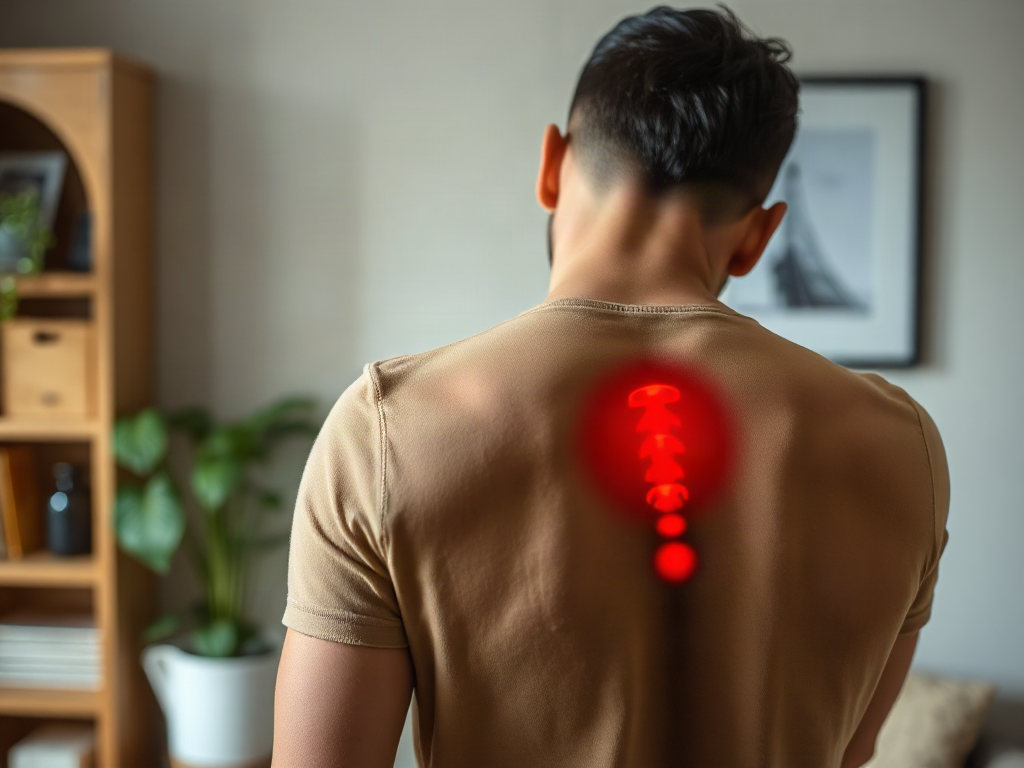
Levator scapulae pain: causes and relief methods usually involve reducing repeated neck-and-shoulder strain, restoring comfortable movement, and checking for symptoms that suggest nerve or joint involvement. Common triggers include prolonged screen posture, carrying weight on one side, sudden lifting, and sleeping with the neck rotated. Gentle range-of-motion work, heat, temporary activity modification, and gradual strengthening may help when the problem is muscular, but forceful stretching can worsen an irritated area. Seek medical assessment for weakness, numbness, severe headache, fever, injury-related pain, chest symptoms, or discomfort that persists despite sensible self-care.
Where Levator Scapulae Pain Comes From
The levator scapulae is a narrow muscle running from the upper inner edge of the shoulder blade to the upper cervical spine. Its job is to help elevate and rotate the shoulder blade while contributing to neck stability. Because it connects the neck and shoulder girdle, irritation can be felt along the side or back of the neck, at the top inside corner of the shoulder blade, or across the upper shoulder.
Repeated positioning is a frequent driver. A laptop placed too low, a phone held between the ear and shoulder, or a workstation that keeps one arm reaching forward can leave the muscle working continuously at low intensity. That sustained demand is different from a single heavy lift, but both can produce tenderness, protective tightness, and discomfort when the head turns or the shoulder is raised.
Daily habits often matter more than one isolated posture. A person who spends several hours looking down may notice pain after work rather than during the first few minutes. Someone carrying a bag on one shoulder may develop symptoms on that side, especially if the strap pulls the shoulder downward while the neck tilts to compensate. Sleeping with the head turned sharply can create a similar morning pattern.
Other possible contributors include sudden overhead activity, strength-training technique, reduced movement in the upper back, and irritation from nearby joints. The muscle may become painful because it is overloaded, but pain in that region does not prove that the levator scapulae is the only source. A useful first step is to compare the timing of symptoms with recent changes in desk use, lifting, travel, sleep, or exercise.
Levator scapulae pain: causes and relief methods should therefore be approached as a pattern-recognition problem rather than a search for one universal stretch. Mild soreness that changes with movement and settles with rest points more toward a mechanical issue; persistent or spreading symptoms deserve a broader assessment.
How To Tell Muscle Irritation From A More Concerning Problem
Muscular irritation commonly causes localized tenderness, stiffness after inactivity, and pain that changes when the neck or shoulder blade moves. Pressing the upper inner border of the shoulder blade may reproduce the familiar ache, although tenderness alone cannot confirm a diagnosis. Symptoms may improve with warmth or gentle movement and worsen after holding the same position.
A nerve-related problem can look different. Burning, electric, or shooting discomfort that travels into the arm, along with tingling, numbness, grip changes, or clear weakness, should not be treated as ordinary muscle tightness. Neck joints, discs, the shoulder itself, and less common medical conditions can also refer discomfort into the area. The location of pain is useful information, but it is not a reliable diagnosis by itself.
Consider the difference between a desk-related ache and an injury after a fall. In the first situation, changing the screen height and taking movement breaks may gradually reduce symptoms. After trauma, severe loss of shoulder motion, visible deformity, marked swelling, or rapidly increasing pain warrants medical evaluation rather than aggressive stretching.
Prompt care is appropriate for new weakness, significant numbness, loss of coordination, fever, unexplained weight loss, severe or unusual headache, or pain accompanied by chest pressure, shortness of breath, sweating, or nausea. These signs do not identify a specific condition, but they make self-treatment an unsafe substitute for assessment. Pain that repeatedly returns, disrupts sleep, or fails to improve after a reasonable period of modified activity also merits evaluation by a clinician or physical therapist.
A common mistake is assuming that a painful spot must be the tissue that needs the hardest massage. Deep pressure can temporarily change sensation while aggravating a reactive muscle or nearby nerve. Use symptom behavior as feedback: mild stretching discomfort that eases quickly may be acceptable, while sharp, radiating, or progressively stronger pain is a reason to stop and reassess.
Relief Methods That Match The Irritated Tissue
Early relief is usually more effective when it lowers irritation without creating prolonged inactivity. Short periods of heat may make a stiff neck and shoulder feel easier to move, while a cool pack can be more comfortable after a recent strain or activity flare. Neither option repairs a confirmed injury, and skin should be protected with a cloth barrier. Choose the method that makes gentle movement easier rather than treating heat or cold as the main intervention.
Light motion is generally preferable to forcing the neck into a deep stretch. Sit tall, let the shoulders remain relaxed, and slowly turn the head within a comfortable range. A gentle side bend away from the painful side may lengthen the levator scapulae, but the movement should remain mild and should not produce arm symptoms, dizziness, or a sharp catch. Several brief sessions are often more tolerable than one long stretching session.
Self-massage with a hand or a soft ball against a wall may help some people reduce the sense of local tightness. Keep pressure moderate and avoid the front and side of the neck, where sensitive structures are present. Massage is a comfort measure, not proof that a muscle knot caused the entire problem. If symptoms become more diffuse, feel electric, or remain worse for hours afterward, discontinue it.
Medication decisions require personal caution. Nonprescription pain relievers may be unsuitable for people with certain stomach, kidney, liver, cardiovascular, pregnancy, allergy, or medication-related concerns. Follow the product label and ask a pharmacist or clinician when unsure. Pain relief should support normal movement, not encourage heavy lifting before the area is ready.
Improving the provoking activity often matters more than adding another treatment. Raise a screen so the head is not constantly angled downward, keep frequently used items within easy reach, alternate hands when practical, and avoid clamping a phone between the neck and shoulder. A heavy shoulder bag can be replaced temporarily with a lighter load or a balanced carry option. These changes address the repeated demand that allowed symptoms to persist.
Targeted movement for levator scapulae pain should feel controlled and repeatable. The goal is not to win a flexibility test; it is to make ordinary turning, reaching, and sitting less provocative over the next several days.

A Gradual Return To Normal Neck And Shoulder Use
Recovery tends to be more durable when the shoulder blade and upper back resume their work gradually. Once ordinary neck movement is becoming easier, begin with low-load exercises such as shoulder-blade setting, supported rows with a light resistance band, or controlled wall slides. Keep the neck neutral and avoid shrugging toward the ears. The exercise should create effort around the shoulder girdle without reproducing sharp pain or arm tingling.
Start with a small amount of work and judge the response later that day and the following morning. A minor, short-lived increase in muscular awareness may be acceptable; a flare that limits sleep, driving, or neck movement indicates that the load was too high. Progress one variable at a time, such as repetitions, resistance, or frequency. Returning directly to heavy overhead presses or prolonged carrying can hide whether the tissue is tolerating normal demand.
Workstation changes are most useful when paired with movement variety. A perfect posture held rigidly for three hours can still be uncomfortable. Alternate sitting and standing if possible, move the neck and shoulders briefly during natural pauses, and place the mouse and keyboard close enough that the elbows are not constantly reaching forward. These adjustments reduce endurance demands without requiring constant conscious correction.
Sleep deserves practical attention. A pillow that leaves the head sharply tilted up or down can maintain morning stiffness, while stomach sleeping often keeps the neck rotated for long periods. A side or back position that keeps the head reasonably aligned may be more comfortable. Avoid chasing a particular pillow height if it increases symptoms; comfort and neutral support matter more than a brand or fixed measurement.
For a person whose symptoms began after a new workout, compare the movement pattern rather than abandoning all exercise. Reduce range, load, or volume and temporarily choose lower-demand alternatives. For someone whose symptoms began during remote work, the priority may be screen placement and frequent position changes rather than intensive strengthening. This distinction prevents a common failure mode: applying a generic exercise plan while leaving the original trigger unchanged.
Related neck and shoulder movement guidance can complement, but should not replace, an examination when symptoms are persistent, recurrent, or neurologic. A physical therapist can assess cervical movement, shoulder-blade control, strength, and work or sport demands to create a more specific progression.
When Self-Care Is Not Enough
Arrange professional assessment when symptoms do not steadily improve after activity modification and gentle movement, or when the same episode keeps returning. A clinician can consider the neck, shoulder joint, upper back, nerves, and relevant medical history instead of assuming that a tender levator scapulae explains everything. Assessment is especially valuable when pain follows trauma, limits basic tasks, or changes in quality.
Bring useful observations to the appointment: when the discomfort began, what movements reproduce it, whether it travels below the shoulder, what happens after heat or exercise, and whether sleep or work makes it worse. A simple note about numbness, weakness, or grip changes can help distinguish a local muscular pattern from a possible nerve problem. Imaging is not automatically needed for every episode; the decision depends on the examination and clinical context.
Do not use persistent pain as a reason to keep escalating massage, stretching, or medication on your own. More intensity is not the same as better treatment. The safer priority is to identify whether the original load, movement restriction, or medical issue remains active and then choose the least aggravating route back to normal activity.
Frequently Asked Questions
What does levator scapulae pain usually feel like?
It often feels like a localized ache or tight band from the side of the neck to the upper inner shoulder blade. Neck rotation, side bending, or prolonged downward viewing may increase it.
Should I stretch the levator scapulae?
A gentle, comfortable stretch may help muscular stiffness, but forceful stretching is not appropriate when it causes sharp pain, radiating symptoms, dizziness, or worsening afterward.
Is heat or ice better for this discomfort?
Either may provide short-term comfort. Heat is often preferred for stiffness, while cold may feel better after a recent strain. Use a cloth barrier and stop if the skin or symptoms react poorly.
Can poor posture cause levator scapulae pain?
Prolonged, unsupported positions can increase the muscle’s workload, especially when combined with a low screen, forward reaching, or one-sided carrying. Movement variety matters more than holding a rigid posture.
When should I see a medical professional?
Seek care for weakness, numbness, severe headache, fever, trauma, chest symptoms, major loss of motion, or pain that persists or repeatedly returns despite sensible self-care.
Conclusion
Levator scapulae discomfort is often linked to repeated neck-and-shoulder loading, but the location alone cannot confirm that one muscle is responsible. Begin by reviewing recent changes in screen use, sleep, carrying, lifting, and exercise, then reduce the clearest aggravator while keeping movement gentle. Heat or cold, moderate self-massage, and gradual shoulder-blade strengthening may support recovery when symptoms behave like a localized muscular problem. Avoid aggressive stretching and escalating treatment when pain is sharp, radiating, or progressively worse. Weakness, numbness, trauma, systemic symptoms, chest complaints, or persistent limitations call for professional evaluation. The practical goal is not simply temporary relief; it is comfortable movement plus a return to the activity pattern that caused the problem without recreating the same overload.