
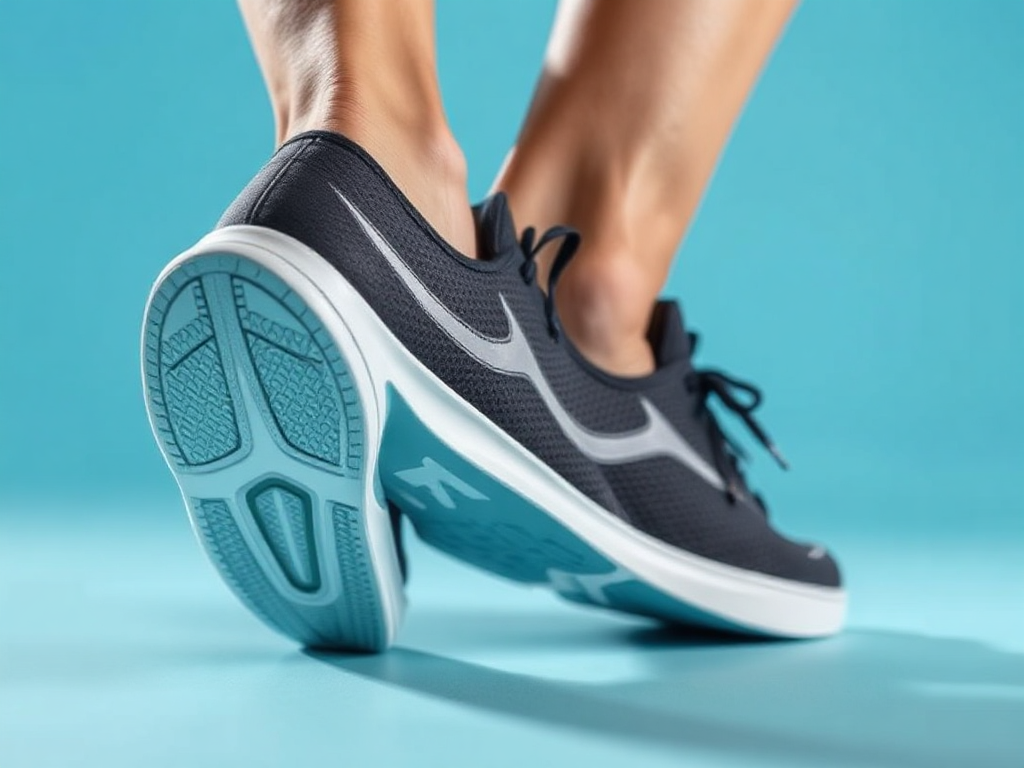
How footwear changes can improve weight-bearing joint relief depends on reducing harsh impact, improving foot stability, and matching the shoe to the activity and painful area. A cushioned sole may soften repeated loading, while a supportive heel counter, secure fit, and appropriate width can limit unwanted foot motion that travels upward to the ankles, knees, hips, or lower back. Replace worn shoes gradually rather than switching suddenly to minimal or highly rigid footwear, and assess comfort during ordinary walking before longer outings. Persistent swelling, marked warmth, instability, numbness, or pain that worsens despite a footwear change warrants evaluation by a clinician or qualified foot professional.
How Shoes Alter Load Across the Lower Body
Footwear changes the way the foot meets the ground, and that first contact can influence forces reaching the ankle, knee, hip, and lower back. A sole that is too thin, worn unevenly, or poorly matched to the activity may allow more shock or excessive motion. A different shoe cannot repair damaged cartilage or treat an underlying disease, but it may make ordinary weight-bearing tasks more tolerable by changing impact, pressure distribution, and balance demands.
Walking illustrates the mechanism. The heel or forefoot contacts the floor, the foot rolls forward, and the leg accepts body weight before pushing away. If the shoe compresses unevenly, slips inside, or forces the toes into a cramped position, the wearer may alter stride length or turn the foot outward to avoid discomfort. Those compensations can move stress to another area. Someone with sore knees may feel better in a stable walking shoe, yet develop heel or hip irritation if the shoe is too rigid or the transition is abrupt.
Fit matters as much as cushioning. A shoe that is soft but narrow can create pressure over the toes or bunion area, while a firm shoe with adequate width may provide better day-long comfort. The goal is not maximum softness or the most corrective design. It is a predictable contact with the ground, enough room for natural foot expansion, and a construction that suits the person’s gait and environment.
Readers comparing footwear with other joint-relief measures should keep expectations realistic. Shoes may reduce an aggravating load during walking, but they do not replace strength work, activity pacing, weight management when appropriate, or medical care. The most useful change is usually the one that improves comfort without creating a new movement problem. Related decisions about daily mobility can be considered alongside weight-bearing joint relief rather than treating footwear as a standalone solution.
Footwear Features That May Reduce Irritation
Several shoe features can influence comfort, but each solves a different problem. Cushioning may reduce the sensation of impact on hard floors, especially during repeated walking. A stable heel counter can keep the rear of the foot from shifting excessively. A broad, secure base may improve balance, while a flexible forefoot can make normal toe-off easier. None of these characteristics is automatically suitable for every painful joint.
For a person whose knees hurt during errands, a moderately cushioned walking shoe with a secure heel and enough forefoot space may be a sensible trial. For someone with pain beneath the forefoot, a roomy toe box and a sole that does not bend sharply under the painful spot may be more relevant than thick heel padding. A person with ankle instability may prioritize lateral support and a firm, well-fitting upper. These examples show why product labels such as “maximum support” or “recovery” are less useful than observing how the shoe behaves during the task that causes symptoms.
Heel height deserves attention. Elevated heels shift the body forward and can increase the demand on the forefoot and alter knee posture. A completely flat, unsupportive shoe is not necessarily better, particularly for someone accustomed to a modest heel or someone who finds flat footwear uncomfortable. A gradual change in height may be easier to tolerate than an immediate switch.
Orthotic inserts can improve pressure distribution for some people, but inserting one into a shoe that is already tight can worsen crowding. Removable insoles provide useful space for experimentation. Custom devices may be appropriate when a clinician identifies a specific alignment or pressure issue, but expensive inserts should not be assumed to outperform a well-fitting off-the-shelf option for every wearer. The common mistake is choosing a feature in isolation instead of checking the complete shoe, the foot, and the activity together.
Inspect the inside and outside of a shoe before judging its performance. Uneven sole wear, a collapsed heel counter, creasing that presses on a joint, or a stretched upper can explain why a once-comfortable pair now feels unstable. If the shoe causes rubbing, numbness, new arch pain, or a noticeable change in walking mechanics, discontinue the trial rather than trying to “break it in” through worsening symptoms.
Choosing Shoes for Walking, Work, And Exercise
The best footwear choice depends on where weight-bearing occurs and how long it continues. A shoe that works for a short grocery trip may fail during an eight-hour shift on concrete. Work environments often require slip resistance, protective construction, or a particular uniform style, so comfort must be balanced with safety requirements. In that setting, a supportive insole, cushioned work sock, or scheduled footwear change may be more practical than replacing the entire shoe with a design that is unsuitable for the job.
Walking shoes should feel secure at the heel and allow the toes to spread without touching the front. Try them later in the day, when feet may be slightly larger, and wear the socks intended for regular use. Walk on a firm surface and notice whether the foot slides, the sole bends at a natural point, and the painful joint feels less irritated rather than merely less supported. Compare both feet because one may be wider or more sensitive than the other.
Exercise requires a more specific decision. A walking shoe may be comfortable for steady forward movement but awkward for court sports, uneven trails, or resistance training. A highly cushioned sole can feel pleasant yet reduce ground feedback during balance-demanding activities. Conversely, a very flexible minimalist shoe may increase work for the calf, foot, or forefoot when introduced to a person who has spent years in structured footwear. Gradual exposure is safer than making a dramatic change before a long hike or busy travel day.
A simple priority order can prevent overbuying:
- First, fit: confirm adequate width, toe room, heel security, and no pressure points.
- Second, task match: select construction for walking, standing, work, training, or uneven ground.
- Third, symptom response: judge comfort during and after ordinary use, not only while seated in a store.
- Fourth, durability: replace a pair when compression, tread, or structural support has visibly deteriorated.
Cost is a real constraint. A moderately priced shoe that fits well and is used consistently may be more useful than a premium model kept for special occasions. Keep a familiar pair available during the transition, particularly if the new design changes heel height, sole stiffness, or foot motion. Guidance on shoe selection and joint comfort should remain connected to the person’s actual schedule, surfaces, and symptoms.
A Safer Way to Test a Footwear Change
Test one meaningful change at a time so the result can be interpreted. Begin with a short period of ordinary walking at home or on a familiar route. Check symptoms during the activity, later that day, and the following morning. Delayed soreness can reveal that the new shoe altered calf, foot, or knee loading even when the first few minutes felt comfortable.

Use the first several wears to inspect practical details: heel slipping, toe pressure, hot spots, sole grip, and whether the shoe encourages a shorter or awkward stride. If the footwear feels supportive but produces pain in a new location, the design may be controlling motion in a way that does not suit the wearer. If symptoms improve only because activity has been reduced, the shoe itself has not been meaningfully tested.
Record the task and response in simple terms. “Thirty minutes of level walking with less knee aching and no next-morning increase” is more useful than “feels good.” Repeat a comparable task with the old pair when safe, then compare comfort and stability. Avoid changing shoes, insoles, walking distance, and exercise routine all at once; otherwise, the source of improvement or irritation remains unclear.
Footwear should be removed from the self-management experiment when warning signs appear. New swelling, significant warmth or redness, inability to bear weight, repeated giving-way, progressive numbness, or pain after an injury deserves professional assessment. People with diabetes, reduced sensation, circulation problems, major foot deformity, or a history of falls may need individualized advice before relying on a shoe-based change.
The most common failed approach is chasing a perfect shoe while ignoring the load that triggers symptoms. Shorter walking intervals, rest between prolonged standing periods, strengthening prescribed by a professional, and a gradual return to activity may matter as much as the shoe. A footwear change is working when it supports the intended task, leaves no pressure injury, and reduces—not relocates—the burden of weight-bearing. More practical context is available through joint-relief footwear considerations.
For reliable background, readers can consult consumer health information from the U.S. National Library of Medicine, guidance from recognized podiatry or physical therapy organizations, and product instructions from established footwear manufacturers. These sources can clarify fit, activity-specific design, and situations requiring clinical assessment without treating a shoe as a cure.
Frequently Asked Questions
Can cushioned shoes reduce knee discomfort?
They may make hard-surface walking more comfortable for some people by softening impact, but excessive softness or instability can feel worse for others. Fit and walking response matter more than cushioning alone.
Are supportive shoes always better for painful joints?
No. Support should match the foot and activity. A rigid or heavily controlling shoe can create pressure or change movement in a way that irritates another area.
How quickly should I transition to new footwear?
Use new shoes for short, familiar activities first, especially when heel height, sole stiffness, or flexibility differs substantially from the old pair.
Should I use an orthotic insert with new shoes?
Only if it fits without crowding the foot and has a clear purpose. A clinician may help identify whether an insert is appropriate for a specific pressure or alignment concern.
When should footwear-related joint pain be checked professionally?
Seek evaluation for inability to bear weight, marked swelling or warmth, repeated instability, numbness, injury-related pain, or symptoms that persist or worsen after a reasonable footwear trial.
Conclusion
A shoe change is most useful when it addresses the way a particular foot and activity handle load. Prioritize a secure, roomy fit, then consider cushioning, sole flexibility, heel height, and stability according to the surface and task. Test the pair gradually and track both immediate comfort and next-day response; relief that shifts pain to the foot, calf, hip, or back is not a successful result. Worn soles, cramped toe boxes, and unstable heels deserve attention before buying specialized equipment. Footwear also has limits: persistent swelling, weakness, numbness, injury symptoms, or difficulty bearing weight should be assessed rather than managed through repeated product changes. A practical next move is to compare the current pair with one well-fitting alternative during a short, familiar walk and judge the whole-body response.