
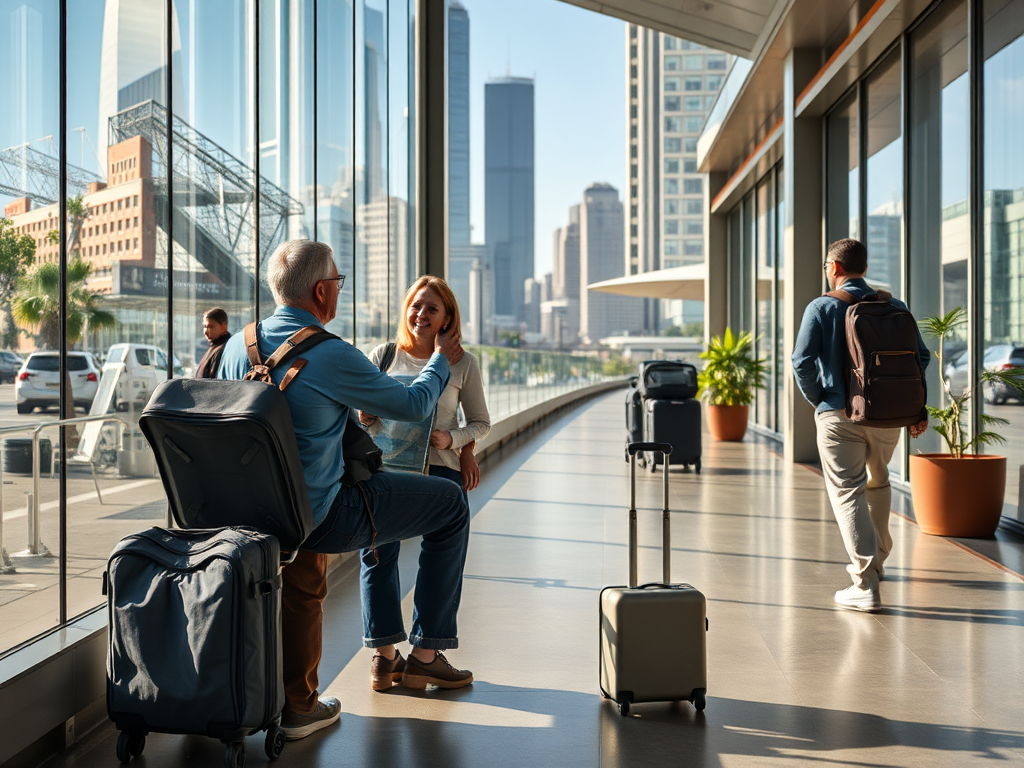
To effectively manage joint pain while traveling, it's essential to stay hydrated, engage in light stretching, and create a supportive travel environment. Long periods of sitting can lead to stiffness, so take regular breaks to move around and maintain mobility. Packing items like a travel pillow for neck support and compression sleeves can enhance comfort. Additionally, having over-the-counter pain relief options readily available ensures you can address discomfort promptly. By preparing adequately and being proactive during your travels, you can minimize the impact of joint pain and enjoy your journey.
Understanding Joint Pain Triggers While Traveling
Traveling can exacerbate joint pain due to factors such as prolonged sitting, changes in activity levels, and variations in climate. Recognizing these triggers is essential for effective management. For instance, sitting for long durations in cramped spaces can lead to stiffness and discomfort, particularly for those with pre-existing joint conditions. Additionally, variations in temperature and humidity can affect joint health, leading to increased pain or inflammation.
To combat these issues, it’s vital to understand how your body reacts to different environments. Some individuals may experience heightened sensitivity to cold climates, while others might struggle with humidity. Knowing your body’s responses can help you strategize better travel plans and choose appropriate destinations.
Essential Preparations Before Your Trip
Preparation is key to managing joint pain while traveling. Before your trip, consult with a healthcare professional to discuss your travel plans and any necessary adjustments to your pain management regimen. This might include adjusting medications or incorporating specific exercises into your routine.
Additionally, packing the right items can make a significant difference. Consider bringing a travel pillow for neck support, compression sleeves, or braces for added stability. Ensure you have any medications you may need, along with over-the-counter pain relief options. Having a small first-aid kit with topical treatments can also provide on-the-go relief.
During Travel: Tips to Minimize Discomfort
While traveling, there are several strategies to minimize joint pain. First, prioritize movement. If traveling by plane or car, take regular breaks to stretch and walk around. Simple exercises like ankle circles or gentle leg lifts can help maintain circulation and prevent stiffness. When flying, consider wearing compression socks to enhance blood flow.
Staying hydrated is equally important. Dehydration can worsen joint pain, so drink plenty of water throughout your journey. If you’re traveling to a new area with different weather conditions, be mindful of how your joints react and adjust your activities accordingly. For instance, if you feel stiffness in colder weather, wearing layers can help maintain body warmth and alleviate discomfort.
Post-Travel Recovery Techniques
After your trip, focus on recovery to help ease any lingering joint pain. Gentle stretching and low-impact exercises can promote flexibility and restore mobility. Engaging in activities like swimming or yoga can be particularly beneficial as they are easy on the joints yet effective in maintaining strength and flexibility.
Moreover, consider scheduling a follow-up with your healthcare provider if you notice persistent pain. They can offer tailored advice and may suggest physical therapy or other interventions to support your recovery. Remember, listening to your body and allowing adequate rest is crucial for long-term joint health.

Frequently Asked Questions
What should I pack for managing joint pain while traveling?
Pack essentials such as medications, topical pain relief, a travel pillow, and compression garments to support your joints during travel.
How can I prevent stiffness during long flights?
To prevent stiffness, take breaks to stand and stretch every hour, perform simple exercises in your seat, and wear compression socks.
Is it advisable to exercise while traveling?
Yes, engaging in light exercises such as walking or stretching can help maintain flexibility and reduce joint pain during your travels.
Can weather changes affect my joint pain?
Yes, changes in temperature and humidity can impact joint pain. Cold, damp weather often exacerbates discomfort for those with joint issues.
What are some effective recovery methods after traveling?
Post-travel recovery can include gentle stretching, low-impact exercises, and consulting with a healthcare provider if pain persists.