
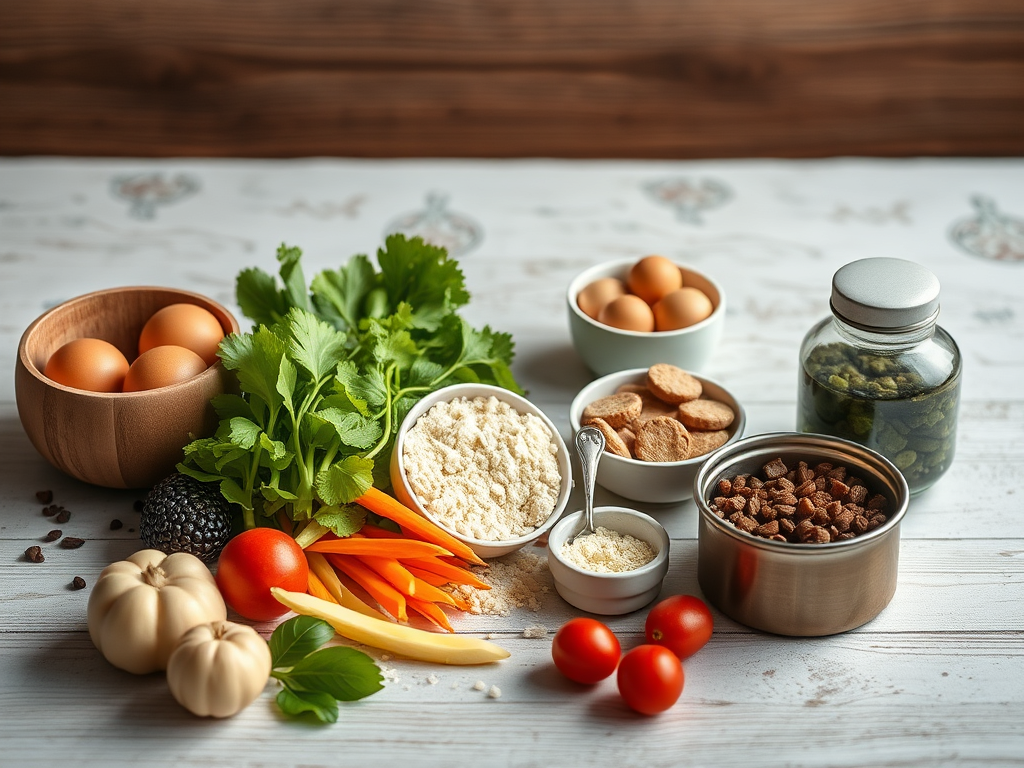
To promote joint healing with diet, focus on incorporating anti-inflammatory foods, omega-3 fatty acids, and antioxidants into your meals. Foods like fatty fish, leafy greens, nuts, and berries can reduce inflammation and support overall joint health. Additionally, staying hydrated and avoiding processed sugars and trans fats can enhance recovery and reduce discomfort. A balanced diet rich in these nutrients is key to optimizing joint function and healing.
Understanding Inflammation and Joint Health
Inflammation is a crucial factor in joint health, often contributing to pain and stiffness in conditions such as arthritis. Promoting joint healing through diet involves reducing inflammation and supporting the body’s repair mechanisms. Chronic inflammation can stem from various sources, including poor diet, lack of exercise, and stress. Understanding how diet influences inflammation helps in making informed choices that can alleviate joint discomfort.
When the body experiences inflammation, it releases various chemicals that can lead to further joint damage if not managed properly. Consuming a diet rich in anti-inflammatory foods can help counteract this process. This means prioritizing foods that not only reduce inflammation but also provide essential nutrients that support joint repair.
Understanding Inflammation and Joint Health matters because it turns promote joint healing with diet from a broad idea into a decision the reader can actually apply. The practical difference usually shows up in the details: how much is needed, when the choice is made, what tradeoff is acceptable, and what sign shows the approach is working. For nutrition topics, the strongest advice connects portion size, food quality, timing, and recovery instead of treating every meal as a fixed serving.
A useful way to handle this section is to compare the normal baseline with the situation that creates extra demand. If joint is the baseline concern, then inflammation becomes the adjustment point and diet becomes the outcome to watch. That keeps the advice specific without forcing the reader into a rigid formula that may not fit their routine, budget, tolerance, schedule, or current level of experience.
The most common mistake is changing too many variables at once. A better approach is to choose one measurable adjustment, use it consistently long enough to see a pattern, and then refine the next step based on energy, comfort, performance, safety, or reliability. This makes the guidance easier to trust because the reader can connect the recommendation to what they observe rather than guessing from a generic checklist.
The practical takeaway is to make the section actionable: identify the main constraint, choose the smallest useful change, and compare the result against the goal. When the outcome improves, the reader can keep the approach. When it does not, the next change should target the most likely bottleneck rather than repeating the same step with more effort.
Key Nutrients for Joint Healing
Certain nutrients play a critical role in promoting joint healing. Omega-3 fatty acids, found in fatty fish such as salmon and mackerel, are known for their anti-inflammatory properties. These fats can help reduce joint pain and stiffness, making them an essential part of any joint-friendly diet.
Antioxidants, including vitamins C and E, combat oxidative stress in the body. Foods like citrus fruits, nuts, and seeds are excellent sources of these vitamins. Additionally, minerals such as calcium and magnesium support bone health, which is vital for maintaining joint function. Incorporating a variety of colorful fruits and vegetables ensures a broad spectrum of these nutrients, enhancing overall joint health.
Key Nutrients for Joint Healing matters because it turns promote joint healing with diet from a broad idea into a decision the reader can actually apply. The practical difference usually shows up in the details: how much is needed, when the choice is made, what tradeoff is acceptable, and what sign shows the approach is working. For nutrition topics, the strongest advice connects portion size, food quality, timing, and recovery instead of treating every meal as a fixed serving.
A useful way to handle this section is to compare the normal baseline with the situation that creates extra demand. If joint is the baseline concern, then healing becomes the adjustment point and nutrients becomes the outcome to watch. That keeps the advice specific without forcing the reader into a rigid formula that may not fit their routine, budget, tolerance, schedule, or current level of experience.
The most common mistake is changing too many variables at once. A better approach is to choose one measurable adjustment, use it consistently long enough to see a pattern, and then refine the next step based on energy, comfort, performance, safety, or reliability. This makes the guidance easier to trust because the reader can connect the recommendation to what they observe rather than guessing from a generic checklist.
The practical takeaway is to make the section actionable: identify the main constraint, choose the smallest useful change, and compare the result against the goal. When the outcome improves, the reader can keep the approach. When it does not, the next change should target the most likely bottleneck rather than repeating the same step with more effort.
Foods to Include in Your Diet
To promote joint healing, consider including the following foods in your diet:
- Fatty Fish: Salmon, sardines, and mackerel are high in omega-3 fatty acids.
- Leafy Greens: Spinach, kale, and collard greens are rich in antioxidants and vitamins.
- Nuts and Seeds: Walnuts and flaxseeds provide omega-3s and other beneficial nutrients.
- Berries: Blueberries, strawberries, and raspberries are high in antioxidants that combat inflammation.
- Olive Oil: Extra virgin olive oil contains healthy fats and compounds that reduce inflammation.
Incorporating these foods into daily meals can create a robust foundation for joint health. For instance, a salad topped with walnuts, berries, and a drizzle of olive oil makes a nutrient-dense meal that promotes healing.
Foods to Include in Your Diet matters because it turns promote joint healing with diet from a broad idea into a decision the reader can actually apply. The practical difference usually shows up in the details: how much is needed, when the choice is made, what tradeoff is acceptable, and what sign shows the approach is working. For nutrition topics, the strongest advice connects portion size, food quality, timing, and recovery instead of treating every meal as a fixed serving.
A useful way to handle this section is to compare the normal baseline with the situation that creates extra demand. If joint is the baseline concern, then healing becomes the adjustment point and diet becomes the outcome to watch. That keeps the advice specific without forcing the reader into a rigid formula that may not fit their routine, budget, tolerance, schedule, or current level of experience.
The most common mistake is changing too many variables at once. A better approach is to choose one measurable adjustment, use it consistently long enough to see a pattern, and then refine the next step based on energy, comfort, performance, safety, or reliability. This makes the guidance easier to trust because the reader can connect the recommendation to what they observe rather than guessing from a generic checklist.
Foods to Avoid for Better Joint Health
While focusing on beneficial foods, it’s equally important to avoid those that may exacerbate inflammation and joint pain. Processed sugars and refined carbohydrates can lead to increased inflammation. These include sugary snacks, white bread, and pastries.
Trans fats, commonly found in fried foods and certain margarine, can also contribute to inflammation. It is advisable to limit the intake of red meat and processed meats, as they may promote inflammatory responses in the body. Instead, opt for lean proteins and plant-based sources.
Being mindful of what you consume can significantly impact joint health. Keeping a food diary can help identify triggers that lead to discomfort, allowing for more informed dietary choices.
Foods to Avoid for Better Joint Health matters because it turns promote joint healing with diet from a broad idea into a decision the reader can actually prevent. The practical difference usually shows up in the details: how much is needed, when the choice is made, what tradeoff is acceptable, and what sign shows the approach is working. For nutrition topics, the strongest advice connects portion size, food quality, timing, and recovery instead of treating every meal as a fixed serving.
A useful way to handle this section is to compare the normal baseline with the situation that creates extra demand. If joint is the baseline concern, then foods becomes the adjustment point and promote becomes the outcome to watch. That keeps the advice specific without forcing the reader into a rigid formula that may not fit their routine, budget, tolerance, schedule, or current level of experience.
The most common mistake is changing too many variables at once. A better approach is to choose one measurable adjustment, use it consistently long enough to see a pattern, and then refine the next step based on energy, comfort, performance, safety, or reliability. This makes the guidance easier to trust because the reader can connect the recommendation to what they observe rather than guessing from a generic checklist.
Frequently Asked Questions
What foods are best for joint health?
Foods rich in omega-3 fatty acids, antioxidants, and vitamins, such as fatty fish, leafy greens, and berries, are best for joint health.
Can diet really affect joint pain?
Yes, diet can significantly affect joint pain by reducing inflammation and providing essential nutrients for joint repair.
Are there foods to avoid for joint pain?
Yes, processed sugars, trans fats, and excessive red meat can exacerbate inflammation and joint pain.
How much water should I drink for joint health?
Staying hydrated is important; aim for at least 8 cups (64 ounces) of water daily to support joint lubrication.
Can supplements help with joint health?
Some supplements, like glucosamine and chondroitin, may support joint health, but it’s best to consult a healthcare professional before starting any.
Conclusion
Promoting joint healing through diet involves a strategic approach to food choices that emphasizes anti-inflammatory properties and essential nutrients. By incorporating foods like fatty fish, leafy greens, and berries while avoiding processed sugars and trans fats, individuals can significantly improve their joint health. Taking these dietary steps not only aids in reducing inflammation but also enhances overall well-being, making it easier to maintain an active lifestyle.