
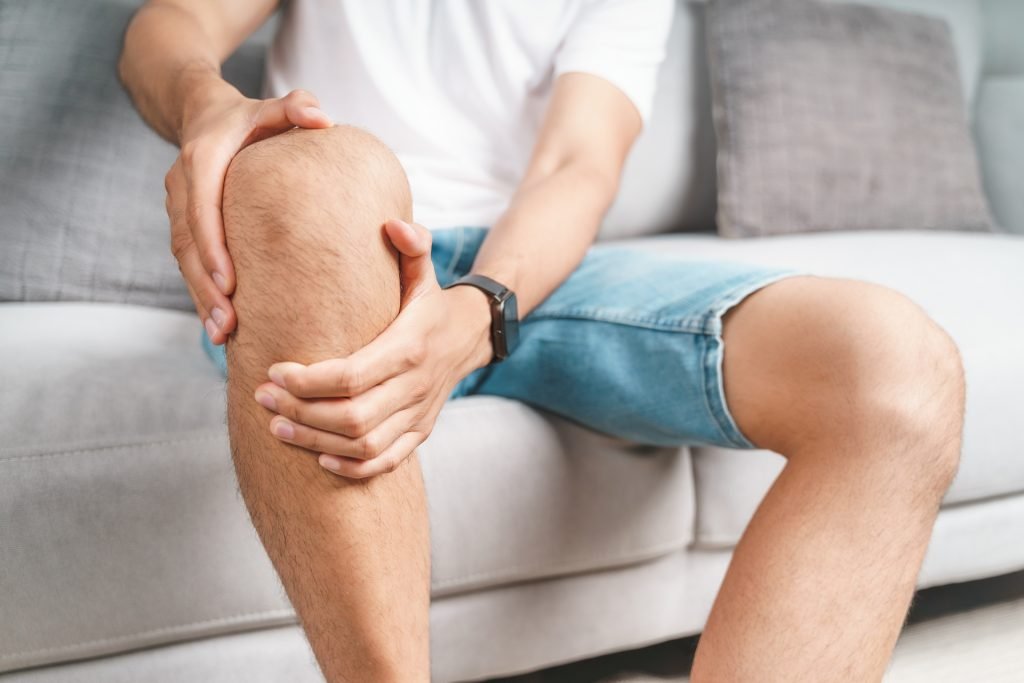
The real challenge isn't understanding how to reduce joint inflammation naturally at home — it's what happens when small oversights, weak priorities, or real-world constraints start compounding.
Joint inflammation can be a challenging condition to manage, especially when it disrupts daily activities. Fortunately, there are several natural methods to reduce inflammation at home. These strategies include dietary changes, regular exercise, and the use of specific natural remedies that can help alleviate symptoms without the need for pharmaceuticals.
Understanding the real implications of joint inflammation is critical. Many individuals mistakenly believe that over-the-counter medications are the only solution. However, these often come with side effects that can complicate other health issues. By focusing on natural remedies, you can effectively manage inflammation while minimizing unwanted side effects. Prioritizing your approach to joint health can lead to more sustainable results and improved overall well-being.
Understanding Joint Inflammation
Joint inflammation occurs when the body’s immune system mistakenly attacks the tissues in the joints, leading to pain, swelling, and stiffness. This condition can arise from various factors, including autoimmune diseases, injuries, and chronic stress. Understanding the underlying causes is crucial for effective management and prevention.
Many people overlook the importance of identifying triggers for their inflammation. Stress, poor diet, and lack of movement can exacerbate symptoms. By recognizing and addressing these triggers, you can take proactive steps to mitigate their impact on your joints. This awareness will help you prioritize which lifestyle changes to implement first.
Dietary Changes for Inflammation
A diet rich in anti-inflammatory foods can significantly impact joint health. Foods such as fatty fish, nuts, seeds, fruits, and vegetables contain essential nutrients that can help reduce inflammation. Omega-3 fatty acids, found in fish like salmon, are particularly beneficial.
However, it’s essential to avoid foods that can trigger inflammation, such as processed sugars, refined carbohydrates, and trans fats. These can worsen symptoms and lead to more severe health issues. Consider focusing on a balanced diet that emphasizes whole, unprocessed foods, which can yield better results.
- Include omega-3 rich foods like salmon and walnuts.
- Incorporate plenty of fruits and vegetables, especially dark leafy greens.
- Limit processed foods and sugars that can trigger inflammation.
Natural Remedies and Supplements
Several natural remedies and supplements have shown promise in reducing joint inflammation. Turmeric, with its active compound curcumin, is widely recognized for its anti-inflammatory properties. Additionally, ginger and green tea are excellent options for their antioxidant effects.
When considering supplements, always consult with a healthcare professional to ensure they are appropriate for your situation. Some supplements can interact with medications or may not be suitable based on your health history. Prioritizing quality and dosage is crucial for effectiveness.
- Turmeric and curcumin supplements can reduce inflammation.
- Ginger tea is another natural anti-inflammatory.
- Consult a healthcare provider before starting any new supplement.
Staying Active: Exercise Recommendations
Regular physical activity plays a vital role in managing joint inflammation. Low-impact exercises like swimming, cycling, and yoga can help improve flexibility and reduce stiffness without putting excessive strain on the joints.
Many individuals may fear that exercise could worsen their symptoms. However, a well-structured routine can prevent further deterioration and promote healing. Start with gentle movements and gradually increase intensity while paying attention to your body’s signals.

- Engage in low-impact activities like swimming or cycling.
- Incorporate stretching and flexibility exercises to maintain mobility.
- Listen to your body and adjust your routine as necessary.
Lifestyle Adjustments
In addition to diet and exercise, lifestyle modifications can greatly influence joint health. Stress management techniques, such as meditation or mindfulness, can help reduce inflammation. Adequate sleep is also crucial, as it supports the body’s recovery processes.
Many individuals underestimate the impact of sleep and stress on their health. Prioritizing quality rest and incorporating relaxation techniques can enhance your overall well-being and significantly reduce joint inflammation. Consider creating a balanced daily routine that includes time for relaxation, proper nutrition, and physical activity.
- Practice stress relief techniques like yoga or meditation.
- Ensure you get enough quality sleep each night.
- Establish a routine that balances work, exercise, and relaxation.
Further Reading
Authoritative Sources
- National Institutes of Health
ncbi.nlm.nih.govnih.govA reliable resource for research and information on joint health and inflammation management
- Arthritis Foundation
arthritis.orgOffers valuable insights and guidance for managing arthritis and joint inflammation naturally
- Healthline
healthline.comProvides articles and expert advice on dietary changes and supplements for inflammation
Frequently Asked Questions
What are the main causes of joint inflammation?
Common causes include autoimmune diseases, injuries, and chronic stress, which can lead to pain and swelling.
Can diet really affect joint inflammation?
Yes, a diet rich in anti-inflammatory foods can help reduce symptoms and improve joint health.
What natural remedies are effective for joint inflammation?
Turmeric, ginger, and omega-3 fatty acids are known for their anti-inflammatory properties and can be beneficial.
How much exercise should I do to help with inflammation?
Engaging in low-impact exercises for at least 150 minutes per week can be effective in managing inflammation.
Is it safe to use supplements for joint health?
Supplements can be safe but should be discussed with a healthcare provider to avoid interactions with medications.
Conclusion
Reducing joint inflammation naturally at home is achievable through thoughtful dietary choices, regular physical activity, and lifestyle adjustments. By focusing on anti-inflammatory foods, incorporating low-impact exercise, and managing stress effectively, you can significantly improve your joint health. Prioritize these strategies and consult with healthcare professionals when necessary to tailor an approach that works best for you. Your proactive efforts can lead to a more comfortable and active life, free from the constraints of inflammation.
