
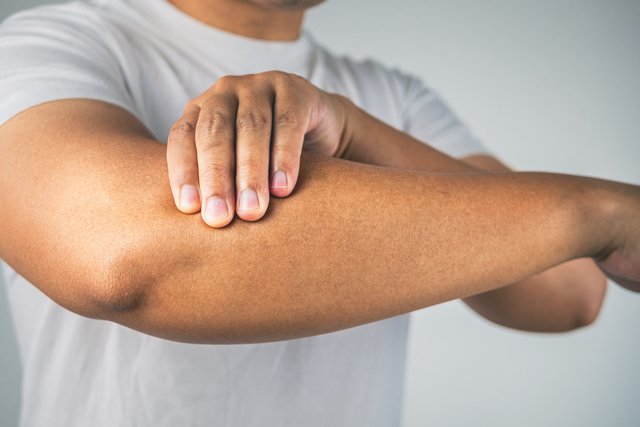
To reduce joint pain during cold weather months, focus on maintaining warmth, staying active, and incorporating anti-inflammatory foods into your diet. Regular exercise, like stretching and low-impact activities, can also help improve flexibility and reduce stiffness, while hydration plays a key role in joint health.
Cold weather can exacerbate joint pain for many individuals, leading to increased discomfort and stiffness. The drop in temperature can cause the tissues surrounding joints to contract, resulting in reduced mobility. Additionally, low humidity levels can lead to dehydration, which may further contribute to joint discomfort. Understanding these factors is crucial for developing effective strategies to alleviate pain during colder months.
Understanding the Connection Between Cold Weather and Joint Pain
Research indicates that many people experience increased joint pain as temperatures drop. The cold affects blood circulation, leading to stiffer joints and heightened sensitivity to pain. Moreover, barometric pressure changes can influence how our joints feel. It’s vital to recognize these patterns to better manage discomfort.
To mitigate these effects, individuals should consider keeping their joints warm through layered clothing and heating pads. Moreover, recognizing personal triggers can help in devising a proactive approach to managing pain. For example, some may find that certain physical activities exacerbate their discomfort during colder months, necessitating adjustments to their routines.
Anti-Inflammatory Foods to Incorporate
Integrating anti-inflammatory foods into your diet can significantly reduce joint pain. Foods rich in omega-3 fatty acids, such as salmon, walnuts, and flaxseeds, are particularly beneficial. Additionally, fruits and vegetables high in antioxidants, like berries and leafy greens, can help combat inflammation.
Prioritizing these foods not only aids in managing joint pain but also promotes overall health. Consider meal prepping to ensure that these foods are readily available, making it easier to stick to a diet that supports joint health. Avoiding processed foods high in sugars and unhealthy fats can also help reduce inflammation.
Effective Exercise Strategies
Regular physical activity is essential for reducing joint pain during cold weather months. Low-impact exercises such as swimming, cycling, and yoga can enhance flexibility and strengthen the muscles around the joints. Stretching routines can help alleviate stiffness and improve mobility.
However, it’s crucial to listen to your body and avoid overexertion. Warm up properly before exercise, and consider incorporating gentle stretching or yoga to increase blood flow to the joints. If outdoor activities are too uncomfortable, explore indoor options that allow for movement without exposure to cold temperatures.

Importance of Staying Hydrated
Staying hydrated is crucial for joint health, particularly during colder months when people often forget to drink enough fluids. Proper hydration helps maintain synovial fluid, which lubricates joints and reduces friction. Aim to drink water regularly throughout the day, even if you don’t feel thirsty.
Additionally, consider consuming hydrating foods, such as cucumbers and oranges, which can contribute to your overall fluid intake. Monitoring your hydration levels can help prevent joint stiffness and discomfort, allowing for a more active lifestyle.
Further Reading
Authoritative Sources
- Ready.gov
ready.govOfficial U.S. preparedness guidance, checklists, and planning resources for households and emergencies.
- FEMA
fema.govFederal emergency management resources, disaster planning information, and recovery guidance.
- American Red Cross Emergency Preparedness
redcross.orgPractical emergency preparation steps, supply lists, and safety guidance for families.
- National Weather Service
weather.govOfficial forecasts, hazard alerts, and weather safety information.
- CDC Emergency Preparedness and Response
cdc.govPublic health guidance for emergencies, disasters, and recovery situations.
Frequently Asked Questions
What are some effective ways to keep joints warm in cold weather?
Wearing layers, using heating pads, and engaging in warm-up exercises can help keep joints warm.
How can I tell if my joint pain is related to cold weather?
If your joint pain increases during cold, damp weather or with temperature drops, it may be weather-related.
Are there specific exercises that are better for joint pain?
Low-impact exercises like swimming, cycling, and yoga are gentle on the joints and can help improve mobility.
What role does diet play in joint pain management?
A diet rich in anti-inflammatory foods, such as omega-3 fatty acids and antioxidants, can help reduce joint pain.
How much water should I drink to stay hydrated?
Aim for at least 8 cups (64 ounces) of water daily, adjusting based on activity level and climate.
Conclusion
Managing joint pain during cold weather months involves a multifaceted approach that includes dietary adjustments, regular exercise, and proper hydration. By understanding how cold affects your joints and implementing effective strategies, you can significantly enhance your comfort and mobility. Prioritize warm clothing, nutrient-rich foods, and hydration to navigate the winter months with greater ease.
