
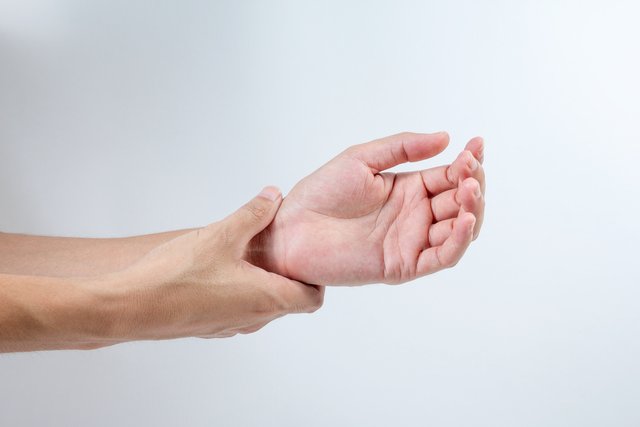
Relieving joint pain without losing mobility involves a combination of targeted exercises, lifestyle changes, and proper nutrition. Engaging in low-impact activities, practicing flexibility exercises, and maintaining a healthy weight can help alleviate discomfort while preserving movement.
Understanding the underlying causes of joint pain is crucial. Factors such as age, previous injuries, and certain medical conditions can contribute to discomfort. Adopting a proactive approach by incorporating specific exercises can help maintain joint function and reduce pain. Common mistakes include avoiding movement entirely, which can lead to stiffness and further mobility issues.
Low-Impact Exercises for Joint Pain Relief
Low-impact exercises are essential for those experiencing joint pain. Activities like swimming, cycling, and walking can promote cardiovascular health while minimizing strain on the joints. These exercises help maintain muscle strength and improve joint stability.
Incorporating strength training can also benefit joint health by supporting the surrounding muscles. Start with light weights or resistance bands and gradually increase intensity. Always consult a professional before beginning a new exercise regimen to ensure safety and effectiveness.
Daily Practices to Enhance Mobility
Incorporating daily stretching routines can significantly improve joint flexibility and range of motion. Focus on gentle stretches that target the major joints, such as shoulders, hips, and knees. Practicing yoga or tai chi can also enhance balance and coordination.
Additionally, maintaining a consistent movement pattern throughout the day is vital. Avoid long periods of inactivity, as this can lead to stiffness. Set reminders to stand, stretch, or take short walks to keep your joints engaged.
Nutrition’s Role in Joint Health
A well-balanced diet plays a significant role in managing joint pain. Foods rich in omega-3 fatty acids, such as fish, walnuts, and flaxseeds, have anti-inflammatory properties that can alleviate discomfort. Additionally, antioxidants found in fruits and vegetables help combat oxidative stress in joints.
Staying hydrated is crucial for joint lubrication. Aim to drink sufficient water throughout the day. Reducing processed foods and sugars can also help minimize inflammation and improve overall joint health.
Common Mistakes to Avoid
One common mistake is to completely avoid physical activity due to fear of pain. While it’s important to listen to your body, completely stopping movement can lead to further issues. Instead, focus on modifying activities to accommodate your comfort level.
Another pitfall is neglecting proper warm-up and cool-down routines. Skipping these steps can increase the risk of injuries. Always take time to prepare your body for exercise and to help it recover afterward.

Further Reading
Authoritative Sources
- Arthritis Foundation
arthritis.orgA comprehensive resource for understanding arthritis and joint pain management techniques
- National Institutes of Health (NIH)
ncbi.nlm.nih.govOffers research studies and articles on joint health and pain relief methods
- Mayo Clinic
mayoclinic.orgProvides expert advice on managing joint pain and maintaining mobility
Frequently Asked Questions
What are some effective exercises for joint pain?
Low-impact exercises such as swimming, cycling, and walking are effective for relieving joint pain.
How can diet affect joint health?
A diet rich in omega-3 fatty acids and antioxidants can help reduce inflammation and support joint health.
Is it safe to exercise with joint pain?
Yes, but it’s important to choose low-impact activities and consult with a healthcare professional.
What should I avoid if I have joint pain?
Avoid high-impact activities that can exacerbate pain and lead to further injury.
How often should I exercise to relieve joint pain?
Aim for at least 150 minutes of moderate exercise per week, incorporating strength training and flexibility exercises.
Conclusion
To relieve joint pain without losing mobility, it’s crucial to adopt a multifaceted approach that includes low-impact exercises, proper nutrition, and daily movement practices. Avoid common mistakes such as complete inactivity and neglecting warm-ups. By prioritizing a balanced lifestyle, you can effectively manage pain while maintaining your mobility. Consulting with healthcare professionals can provide personalized strategies that cater to your specific needs.
