
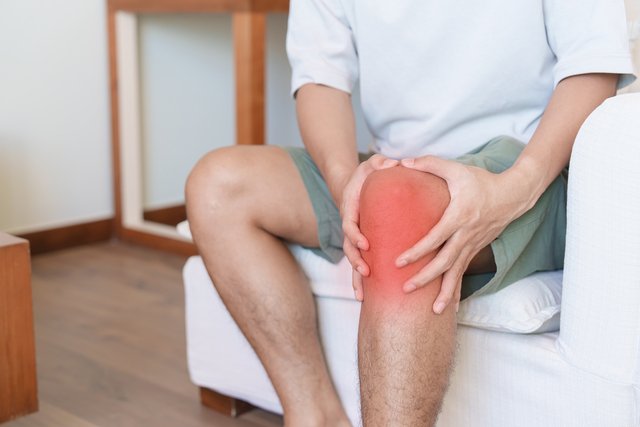
Understanding the specific natural ingredients and their benefits is crucial for maximizing the effectiveness of a joint pain balm. For instance, arnica is famed for its anti-inflammatory properties, while eucalyptus oil can help improve circulation and enhance the balm’s analgesic effects. Additionally, the method of application, including the amount used and the frequency of application, can greatly influence the balm’s efficacy. Many users overlook these details, leading to suboptimal results.
It is also essential to be aware of potential skin reactions to certain ingredients, especially if you have sensitive skin or allergies. Conducting a patch test before widespread application can prevent adverse reactions. Moreover, while natural balms can be effective, they should not replace medical treatment for severe conditions. Integrating these balms into a broader pain management strategy that includes physical therapy and lifestyle modifications can yield the best results.
Key Ingredients in Natural Joint Pain Balms
Natural joint pain balms often contain a variety of beneficial ingredients aimed at alleviating discomfort. Common components include arnica, which is known for its anti-inflammatory properties, and menthol, which provides a cooling sensation that can distract from pain. Additionally, essential oils like eucalyptus and peppermint may enhance circulation and promote relaxation. Understanding these ingredients helps users make informed choices about which products may be most effective for their specific needs.
Many people tend to overlook the potency of these ingredients when selecting a balm. For instance, arnica is not just a soothing agent; it can significantly reduce swelling and bruising, making it particularly beneficial for injuries. Similarly, eucalyptus oil can increase blood flow to the affected area, facilitating faster healing. Users should prioritize balms that feature a potent combination of these ingredients for optimal results.
Another important consideration is the form of the balm. Creams, gels, and salves may have different absorption rates and effectiveness based on their formulation. Users often find that gels penetrate the skin more quickly, while creams might provide longer-lasting moisture. Experimenting with different forms can help identify which works best for individual circumstances.
Application Techniques for Maximum Relief
Proper application techniques can significantly enhance the effectiveness of joint pain balms. To achieve the best results, users should apply the balm directly to the affected area and gently massage it into the skin. This not only helps to distribute the balm evenly but also increases blood circulation, which can enhance the balm’s pain-relieving effects.
It’s advisable to use a sufficient amount of balm to ensure that the skin is adequately coated without being overly greasy. Applying the balm in a circular motion can stimulate the surrounding tissues, further promoting relief. Many users fail to apply enough product or do not massage it in thoroughly, which can lead to less effective results.
Additionally, timing can play a critical role in the balm’s effectiveness. Applying the balm before engaging in physical activity may help prevent discomfort during and after exercise. Conversely, using it after activity can aid in recovery. Understanding when to apply the balm can enhance its benefits significantly.
Common Mistakes to Avoid
When using natural joint pain balms, several common mistakes can undermine their effectiveness. A frequent error is applying the balm too infrequently or in insufficient amounts. Users often expect immediate results from a single application, overlooking the need for consistent use over time to achieve noticeable relief.
Another common mistake is neglecting to read ingredient labels. Some balms may contain allergens or irritants that can cause skin reactions. Conducting a patch test prior to widespread application can prevent adverse effects. Many users assume that all natural ingredients are safe, which is not always the case.
In addition, relying solely on balms without integrating other pain management strategies can limit their effectiveness. Combining the use of natural balms with physical therapy, regular exercise, and a balanced diet tailored to reduce inflammation can provide a more comprehensive approach to managing joint pain.

When to Seek Professional Help
While natural joint pain balms can offer relief, they are not a substitute for professional medical advice or treatment. Individuals experiencing persistent or worsening joint pain should consult a healthcare provider to rule out serious underlying conditions. Symptoms such as severe swelling, redness, or fever accompanying joint pain may indicate the need for immediate medical attention.
Furthermore, if a balm causes irritation or an allergic reaction, it’s crucial to discontinue use and consult a healthcare professional. Many users mistakenly believe that all natural products are benign, but reactions can occur, especially with certain essential oils or herbal extracts.
In closing, while natural joint pain balms can be a valuable component of pain management, they should be used as part of a broader strategy that includes medical consultation when necessary. Prioritizing professional advice can help ensure that the chosen approach is safe and effective.
Further Reading
Authoritative Sources
- The Effectiveness of Topical Herbal Treatments for Joint Pain
ncbi.nlm.nih.govThis study reviews the effectiveness of various topical herbal treatments, including natural balms, for managing joint pain
- Topical Therapies for Arthritis Pain
arthritis.orgA detailed overview of topical therapies, including natural options, for managing arthritis-related pain
- Natural Pain Relief: A Comprehensive Guide
healthline.comThis guide covers various natural approaches to pain relief, including the use of balms and topical treatments
Frequently Asked Questions
What are the best natural ingredients for joint pain balms?
Effective natural ingredients include arnica, eucalyptus, menthol, and peppermint, known for their anti-inflammatory and analgesic properties.
How often should I apply joint pain balm?
It is generally recommended to apply the balm 2-3 times daily, or as needed, but always follow the product instructions for best results.
Can natural balms replace medication for joint pain?
While natural balms can provide relief, they should not replace prescribed medication for chronic or severe conditions without consulting a healthcare provider.
Are there any side effects of using natural joint pain balms?
Some individuals may experience skin irritation or allergic reactions to certain ingredients, so patch testing and reading labels is advisable.
When should I see a doctor for joint pain?
Consult a doctor if you experience persistent pain, swelling, or symptoms like fever, which may indicate a serious condition requiring professional treatment.
Conclusion
Ultimately, natural joint pain balms can be a beneficial addition to your pain management routine, offering relief through carefully selected ingredients. Prioritizing knowledge about these ingredients, proper application techniques, and awareness of potential side effects is crucial for maximizing their effectiveness. Integrating these balms with other treatment strategies, including medical advice and lifestyle adjustments, can provide a comprehensive approach to managing joint pain. Always consult a healthcare provider for persistent or severe symptoms to ensure safe and effective treatment options.