
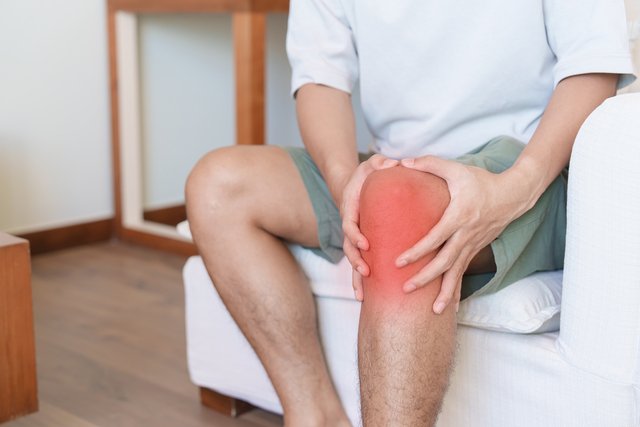
Joint pain management naturally is achievable through a holistic approach that emphasizes diet, exercise, and alternative therapies. Key strategies include incorporating anti-inflammatory foods, maintaining a healthy weight, and engaging in regular low-impact exercises.
Understanding the underlying causes of joint pain is crucial for effective management. Conditions like osteoarthritis, rheumatoid arthritis, and even lifestyle factors such as obesity can exacerbate symptoms. By addressing these root causes, individuals can make informed decisions about their treatment options. For instance, a diet rich in omega-3 fatty acids and antioxidants can help reduce inflammation significantly.
It’s also essential to recognize common mistakes in natural management approaches. Many people overlook the importance of consistent physical activity, believing rest will suffice. However, low-impact exercises such as swimming, cycling, and yoga can enhance mobility and strengthen the muscles surrounding the joints, providing better support and reducing pain.
Dietary Changes for Joint Health
Adopting a diet that supports joint health is a fundamental aspect of managing pain naturally. Foods rich in omega-3 fatty acids, such as salmon, flaxseeds, and walnuts, have been shown to combat inflammation. Additionally, incorporating fruits and vegetables high in antioxidants, like berries and leafy greens, can further support joint function.
Many individuals fail to realize the impact of processed foods on joint health. These foods often contain additives and preservatives that can exacerbate inflammation. Prioritizing whole, unprocessed foods not only promotes better joint health but can also improve overall well-being.
For those struggling with dietary changes, meal planning can be a helpful strategy. Preparing meals in advance ensures that healthy, anti-inflammatory options are readily available, reducing the temptation to opt for less nutritious choices.
Exercise and Its Role in Joint Pain Relief
Regular exercise is crucial for maintaining joint health and reducing pain. Low-impact activities like swimming, walking, and cycling can improve flexibility and strength without putting undue stress on the joints. Engaging in these activities regularly can lead to significant pain relief and improved mobility.
A common pitfall is the fear of movement due to pain. However, it’s essential to approach exercise gradually and listen to your body. Starting with gentle stretches and progressively increasing intensity can help build confidence while minimizing discomfort.
Incorporating strength training into your routine can also enhance joint stability. Focusing on the muscles surrounding the affected joints can provide better support and reduce the risk of injury. Consult with a physical therapist to create a tailored exercise plan that considers your specific needs and limitations.
Alternative Therapies: What Works?
Various alternative therapies can aid in joint pain management naturally. Acupuncture, for example, has been recognized for its potential to alleviate pain by stimulating specific points on the body. Additionally, practices like yoga and tai chi emphasize gentle movement and flexibility, which can be beneficial for those with joint issues.
Many individuals overlook the importance of stress management in pain management. Chronic stress can lead to heightened sensitivity to pain, making it crucial to incorporate relaxation techniques such as meditation or deep-breathing exercises into your routine.

While exploring alternative therapies, it’s important to remain cautious and consult with healthcare professionals. Not all treatments are suitable for everyone, and some may interact with existing medications. A collaborative approach ensures safe and effective management strategies.
Further Reading
Authoritative Sources
- Arthritis Foundation
arthritis.orgThis resource provides comprehensive information on managing arthritis and joint pain, including dietary recommendations and exercise tips
- National Center for Biotechnology Information
ncbi.nlm.nih.govA valuable source for research articles on the effectiveness of various natural remedies for joint pain management
- WebMD
webmd.comOffers insights into the latest treatments and natural approaches to managing joint pain
Frequently Asked Questions
What foods should I avoid for joint pain?
Avoid processed foods, sugar, and trans fats, as they can increase inflammation and worsen joint pain.
Can exercise worsen joint pain?
While some discomfort may occur, proper low-impact exercise is generally beneficial and helps strengthen the muscles around the joints.
How long does it take to see results from natural remedies?
Results can vary, but many individuals may notice improvements within a few weeks of consistent dietary and lifestyle changes.
Is it safe to combine natural remedies with medications?
Always consult with a healthcare professional before combining natural remedies with medications to avoid potential interactions.
What role does weight play in joint pain?
Excess weight can increase stress on weight-bearing joints, leading to increased pain and discomfort. Maintaining a healthy weight is crucial for joint health.
Conclusion
Managing joint pain naturally requires a multifaceted approach that includes dietary changes, regular exercise, and alternative therapies. Prioritizing anti-inflammatory foods, engaging in low-impact activities, and exploring therapies like acupuncture can significantly enhance your quality of life. It’s essential to stay proactive and consult with healthcare providers to tailor a plan that meets your individual needs. By taking these steps, you can effectively manage joint pain and improve your overall well-being.
