
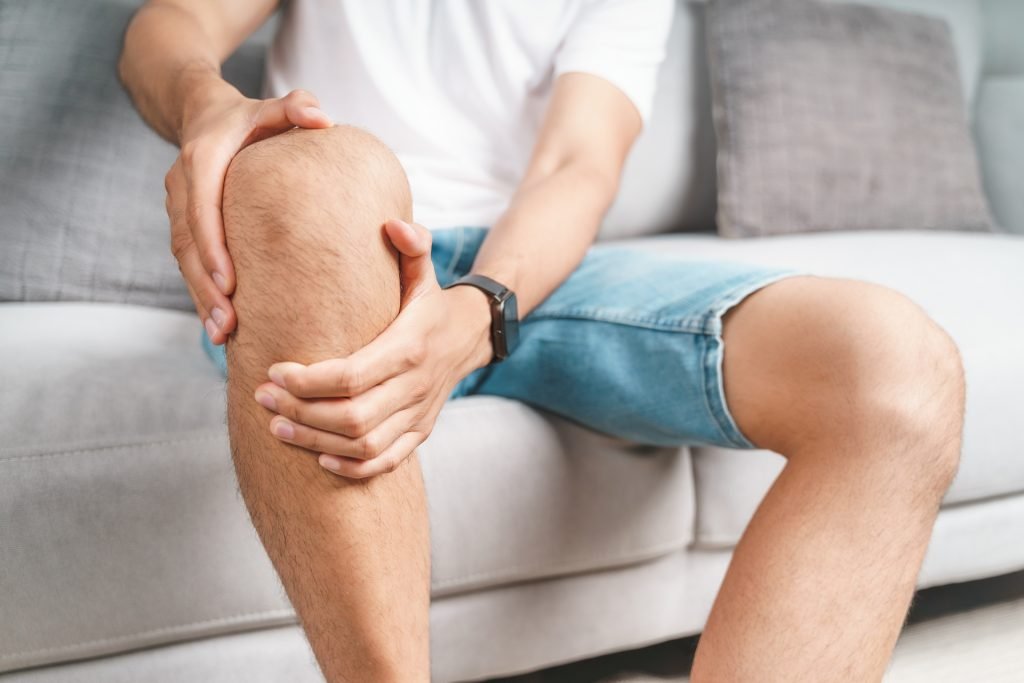
Natural joint healing methods encompass a variety of approaches aimed at reducing inflammation, relieving pain, and promoting recovery without the use of pharmaceuticals. Techniques include dietary changes, physical therapy, herbal supplements, and lifestyle adjustments tailored to individual needs and conditions.
Understanding the specific causes of joint issues, whether they stem from arthritis, injury, or wear and tear, is crucial. Many individuals overlook the importance of lifestyle factors such as diet, exercise, and weight management, which can significantly impact joint health. By prioritizing these elements, individuals can create a solid foundation for recovery and long-term joint function.
A common mistake people make is relying solely on quick fixes or treatments without addressing underlying causes. This can lead to temporary relief but does not promote sustained healing. Instead, integrating a holistic approach that includes nutrition, physical activity, and possibly alternative therapies can yield better results.
The Role of Nutrition in Joint Health
Nutrition plays a critical role in joint health, as certain foods can help reduce inflammation and promote healing. Incorporating anti-inflammatory foods such as fatty fish, nuts, seeds, and fruits rich in antioxidants can support joint function. These foods help combat oxidative stress and inflammation, which are often contributors to joint pain.
Moreover, maintaining a balanced diet is essential for overall health, including weight management. Excess weight puts additional strain on joints, particularly weight-bearing ones like the knees and hips. Prioritizing whole foods over processed options can also improve nutrient intake and support recovery.
Individuals often overlook the importance of hydration in joint health. Staying well-hydrated helps maintain the synovial fluid that lubricates joints. A common pitfall is neglecting to drink enough water throughout the day, especially during physical activity. Aim for at least 8-10 cups of water daily, adjusting based on activity level and climate.
Physical Therapy and Exercise Techniques
Engaging in physical therapy can be a vital component of natural joint healing methods. A physical therapist can design a personalized exercise program that focuses on strengthening the muscles around the joints, improving flexibility, and enhancing overall mobility. Low-impact exercises, such as swimming, cycling, or yoga, can be particularly beneficial.
Additionally, regular movement is crucial to prevent stiffness and maintain joint function. Incorporating daily stretching routines can help improve flexibility and reduce discomfort. It’s essential to listen to your body and avoid overexertion, which can exacerbate pain.
Many individuals mistakenly believe that rest is the best approach for joint pain. While rest is important, too much inactivity can lead to stiffness and decreased mobility. Striking a balance between rest and gentle movement is key to effective healing.
Herbal Remedies and Supplements
Herbal remedies and supplements can complement natural joint healing methods. Common options include turmeric, ginger, and boswellia, which have anti-inflammatory properties. These herbs can be taken in supplement form or incorporated into meals for added benefits.
Before starting any supplement regimen, it’s essential to consult with a healthcare provider, as some supplements may interact with medications or have side effects. Additionally, understanding the correct dosages and forms (e.g., capsules, powders, teas) is crucial for effectiveness.
A common error is assuming that herbal remedies are entirely harmless because they are natural. It is important to conduct thorough research and seek professional guidance to ensure safe and effective use.

Lifestyle Modifications for Joint Care
Implementing lifestyle modifications can significantly impact joint health. Prioritizing adequate sleep, managing stress through mindfulness or relaxation techniques, and avoiding smoking can contribute to better joint function. Each of these factors plays a role in the body’s overall inflammatory response.
Regular check-ins with healthcare professionals can help monitor joint health and adjust strategies as needed. Proactive management often leads to improved outcomes. Individuals should also consider seeking support from friends or support groups, as shared experiences can provide motivation and insights.
Many people underestimate the cumulative effect of small lifestyle changes. Consistently making healthier choices can lead to significant improvements in joint health over time. It’s important to stay committed and patient, as healing is often a gradual process.
Further Reading
Authoritative Sources
- National Institutes of Health
ncbi.nlm.nih.govnih.govThis resource provides comprehensive information on joint health, including research on natural remedies
- Arthritis Foundation
arthritis.orgA leading organization that offers resources and support for individuals dealing with joint issues
- WebMD
webmd.comThis site provides health information, including articles on managing joint pain naturally
Frequently Asked Questions
What are natural joint healing methods?
Natural joint healing methods include dietary changes, physical therapy, herbal remedies, and lifestyle adjustments aimed at reducing inflammation and promoting recovery.
Can diet affect joint health?
Yes, a diet rich in anti-inflammatory foods, such as fatty fish and fruits, can help reduce joint pain and improve overall health.
How important is exercise for joint health?
Regular exercise is crucial for maintaining joint mobility and strength. Low-impact activities can help prevent stiffness and promote healing.
Are herbal supplements safe for joint pain?
While many herbal supplements are beneficial, it’s important to consult a healthcare provider to avoid interactions with medications and ensure proper use.
What lifestyle changes can support joint health?
Key lifestyle changes include maintaining a healthy weight, managing stress, getting adequate sleep, and avoiding smoking to improve joint health.
Conclusion
Natural joint healing methods offer a holistic approach to managing joint health and alleviating pain. By prioritizing nutrition, engaging in appropriate physical activity, exploring herbal remedies, and making lifestyle adjustments, individuals can enhance their recovery process. It’s essential to adopt a comprehensive plan that addresses both immediate symptoms and underlying causes for long-term relief. Remember to consult with healthcare professionals to tailor a strategy that fits your specific needs and circumstances.
