
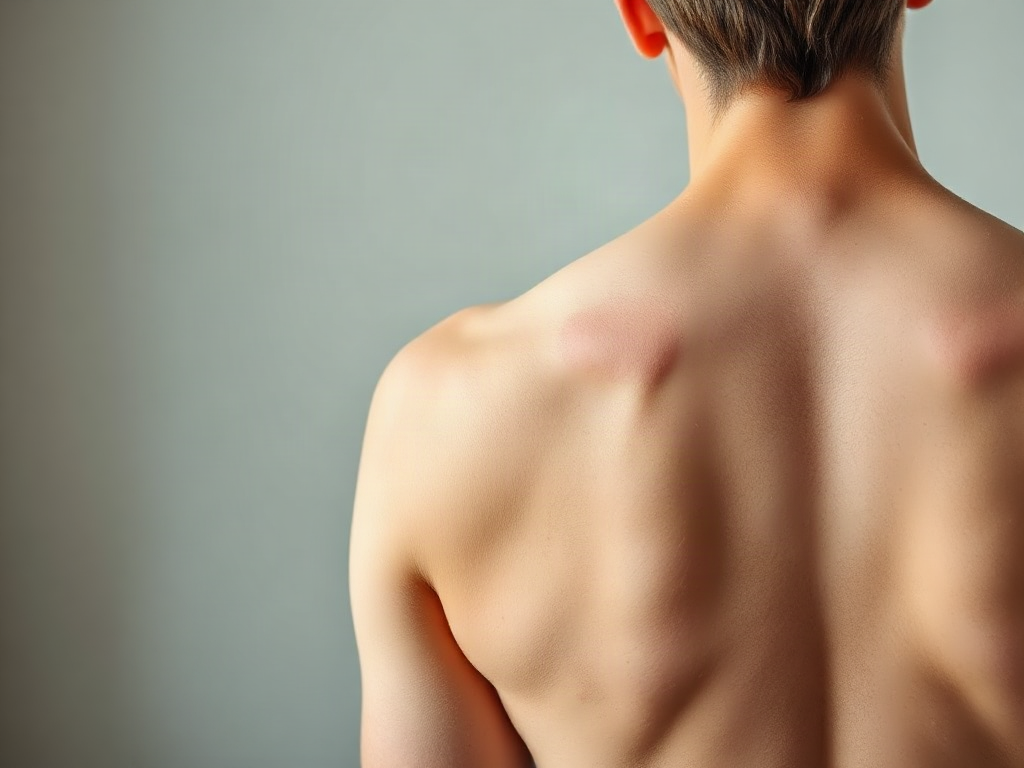
Pain beneath the right shoulder blade often comes from strained upper-back muscles, irritated ribs or joints, or a neck nerve, but gallbladder, lung, and heart problems can sometimes refer discomfort there. Symptoms that change with movement, posture, lifting, or pressing the area favor a musculoskeletal source, while fever, breathing trouble, chest pressure, abdominal pain, weakness, or sudden severe onset require prompt medical assessment. Gentle activity, heat or ice, posture changes, and avoiding the aggravating movement may help mild strain. Persistent, worsening, unexplained, or recurring discomfort should be evaluated rather than treated indefinitely at home.
What the Location and Symptom Pattern May Indicate
The area beneath the right shoulder blade is influenced by the shoulder joint, upper-back muscles, ribs, thoracic spine, neck nerves, and nearby organs. Location alone cannot identify the source. A useful first distinction is whether the discomfort behaves like a mechanical problem: pain that changes when you turn, reach, lift, sit, or press on the area is more suggestive of muscles, joints, or connective tissues than of an internal organ.
Recent activity often supplies the missing clue. Carrying a bag on one side, working overhead, rowing, moving furniture, sleeping with the neck rotated, or spending hours with the shoulders rounded can overload the trapezius, rhomboids, or smaller muscles that stabilize the shoulder blade. The resulting sensation may be an ache, tight band, sharp catch, or burning spot. A deep breath can hurt when the rib joints or muscles between the ribs are irritated, although breathing-related pain should not automatically be assumed to be a strain.
Track the pattern for a day or two rather than repeatedly testing the sore spot. Note when it began, what movements reproduce it, whether the skin is tender, and whether symptoms travel into the arm, chest, abdomen, or neck. For example, discomfort that appears after laptop work and eases with walking points toward sustained posture and muscle loading; discomfort that begins with fever or shortness of breath calls for a different level of caution.
Pain beneath the right shoulder blade: causes and relief should be approached as a symptom pattern, not as a diagnosis. A common mistake is assuming that the right-sided location proves a gallbladder problem, while the opposite mistake is dismissing every right-sided symptom as a pulled muscle. The behavior of the symptom, associated signs, and its progression are more informative than side alone.
Common Musculoskeletal Causes and Relief Options
Muscle overload is a frequent explanation when discomfort follows a new workout, repetitive reaching, prolonged desk work, or an awkward sleeping position. The shoulder blade glides over the rib cage and relies on coordinated muscles to remain stable. When those muscles fatigue, nearby tissues may become sensitive and movement can feel restricted. A stiff upper-back joint or irritated rib connection can create a similarly localized ache.
Relief should match the likely irritant. For a recent strain, relative rest is usually more sensible than complete bed rest: pause heavy lifting and painful overhead work, but continue easy walking and comfortable daily movement. Heat may feel useful for stiffness, while a wrapped cold pack can be more comfortable during the first day after a clear minor injury. Neither method should numb the area so thoroughly that you continue an activity that aggravates it.
Gentle motion can reveal whether the approach is helping. Try slow shoulder rolls, comfortable neck turns, and easy arm movements without forcing the end range. If symptoms loosen during movement and remain no worse afterward, that is generally more encouraging than pain that escalates with each repetition. Stop an exercise that causes spreading pain, new tingling, marked weakness, dizziness, or sharp breathing-related discomfort.
Medication requires individual judgment. Acetaminophen or an anti-inflammatory medicine may be unsuitable with liver disease, kidney disease, ulcers, blood thinners, pregnancy, or certain other conditions. Follow the product label and ask a pharmacist or clinician when the choice is unclear. Topical products may be an alternative for some people, but they are not a substitute for assessment when the source is uncertain.
A practical example is a person who develops a dull spot beneath the shoulder blade after painting a ceiling. Reducing overhead work, using heat, walking, and gradually restoring shoulder motion may be reasonable if there are no warning signs. If the same plan produces no meaningful improvement, repeated flare-ups, or increasing restriction, continuing to self-treat without an examination is the common failure mode.
When Internal Causes or Nerve Irritation Matter
Neck nerve irritation can refer discomfort toward the shoulder blade before it reaches the arm. Burning or electric pain, pins and needles, numbness, or weakness make a nerve-related source more plausible than an isolated muscle knot. Neck position may influence the symptoms, and coughing or straining can sometimes make them more noticeable. A clinician may need to assess strength, reflexes, sensation, and neck movement rather than focusing only on the tender area.
Internal conditions can also produce pain in this region. Gallbladder problems may cause upper-right abdominal discomfort that travels toward the right shoulder or shoulder blade, particularly after a meal, and may occur with nausea or vomiting. Lung or pleural irritation may cause pain that worsens with breathing or coughing and may accompany fever, cough, or breathlessness. Heart-related symptoms can be atypical, especially when discomfort occurs with exertion or alongside sweating, nausea, chest pressure, or unusual shortness of breath.
These possibilities do not mean that every ache is dangerous. They do mean that a movement-independent symptom deserves more careful attention than a clearly reproducible sore muscle. Seek emergency care for severe or sudden chest or upper-back discomfort, trouble breathing, fainting, new one-sided weakness, confusion, blue lips, or symptoms suggesting a heart or major blood-vessel emergency. Prompt medical care is also appropriate for fever with significant pain, yellowing of the skin or eyes, persistent vomiting, or a serious injury.
Skin sensitivity or a burning stripe followed by a blistering rash may suggest shingles, which can begin with pain before the rash appears. New rash near the shoulder blade warrants medical advice, particularly because treatment decisions may be time-sensitive. Another weak assumption is waiting for a rash before taking severe burning pain seriously; the absence of visible skin changes does not rule out every important cause.

Pain beneath the right shoulder blade: causes and relief therefore depends on more than the intensity score. A mild symptom with breathlessness can be more urgent than a stronger ache that clearly follows lifting and improves with rest. Associated symptoms and timing should guide the decision.
A Practical Plan for Deciding What to Do Next
The safest home approach begins with a short symptom screen. Ask whether the discomfort started after a specific movement or injury, changes with position, can be reproduced by pressing or moving the shoulder, and improves with rest. Then check for symptoms outside the upper back: breathing difficulty, chest pressure, fever, abdominal pain, vomiting, rash, numbness, or weakness. This process does not diagnose the problem, but it helps separate a likely mechanical episode from a situation that should not wait.
For a mild, movement-related problem without warning signs, use a limited trial of conservative care. Reduce the provoking task, keep the shoulder moving within a comfortable range, adjust the workstation so the screen is near eye level, and avoid carrying weight on one side. A brief walk every hour may be more useful than remaining in one posture. Sleeping with adequate neck support and avoiding the painful side can reduce overnight irritation, although comfort matters more than a rigid sleep position.
Arrange a routine clinical assessment when symptoms persist, recur without a clear trigger, interfere with sleep or daily activities, or fail to trend better after several days of sensible self-care. An examination may identify a shoulder restriction, cervical nerve pattern, rib problem, or another source and can determine whether physical therapy, medication, imaging, or laboratory testing is appropriate. Imaging is not automatically needed for every short-lived strain; its value depends on examination findings, injury history, and the suspected condition.
Use this compact priority list:
- Emergency: severe sudden pain, chest pressure, major breathing difficulty, fainting, or new neurological deficits.
- Prompt assessment: fever, persistent vomiting, jaundice, unexplained weight loss, significant injury, progressive weakness, or pain unrelated to movement.
- Short home trial: mild soreness linked to posture or activity, with no systemic or neurological symptoms and gradual improvement.
Do not repeatedly stretch through sharp pain or use massage to delay evaluation of unexplained symptoms. A treatment is working when movement becomes easier, the painful area is less reactive, and normal tasks return gradually. It is failing when pain spreads, function declines, sleep becomes difficult, or new symptoms appear. Pain beneath the right shoulder blade: causes and relief deserves reassessment whenever the pattern changes, even if an earlier episode was muscular.
For additional medical context, readers can consult patient information from recognized health systems, government health agencies, or professional medical organizations covering shoulder pain, neck nerve symptoms, chest pain, gallbladder disease, and emergency warning signs. These sources can support general education, but they cannot replace an examination when symptoms are severe, persistent, or difficult to explain.
Frequently Asked Questions
Can poor posture cause pain beneath the right shoulder blade?
Yes. Prolonged rounded-shoulder posture can fatigue the muscles that stabilize the shoulder blade and may create aching or tightness. Improvement with movement and posture changes supports that possibility, but persistent or unrelated symptoms need assessment.
When is shoulder-blade discomfort an emergency?
Seek emergency care for severe sudden pain with chest pressure, breathing trouble, fainting, sweating, marked weakness, or confusion. Urgent evaluation is also warranted for new neurological deficits or severe symptoms after major trauma.
Could gallbladder trouble cause right shoulder-blade pain?
It can refer discomfort toward the right shoulder or shoulder blade, especially with upper-right abdominal pain, nausea, vomiting, or symptoms after eating. Those features warrant medical advice rather than repeated massage or stretching.
Should I use heat or ice?
Either may provide temporary comfort. Cold can feel helpful after a recent minor injury, while heat may ease stiffness. Wrap the pack, limit exposure, and stop if skin irritation or increased pain develops.
How long should I wait before seeing a clinician?
Seek care sooner for warning signs, significant injury, weakness, fever, or breathing-related symptoms. For uncomplicated mild soreness, arrange an assessment if it is not steadily improving over several days or keeps returning.
Conclusion
The most useful clue is not simply that discomfort sits beneath the right shoulder blade, but how it behaves. A clear connection with posture, lifting, or shoulder movement and gradual improvement favors a musculoskeletal source that may respond to activity modification, comfortable motion, and short-term heat or cold. Symptoms that do not change with movement, spread beyond the upper back, or occur with breathing difficulty, fever, abdominal symptoms, chest pressure, weakness, or rash deserve medical attention. Avoid forcing stretches, masking an unexplained pattern with repeated medication, or assuming that a familiar location guarantees a familiar cause. Monitor the trend, restore activity gradually, and arrange an examination when improvement stalls or the symptom pattern changes.