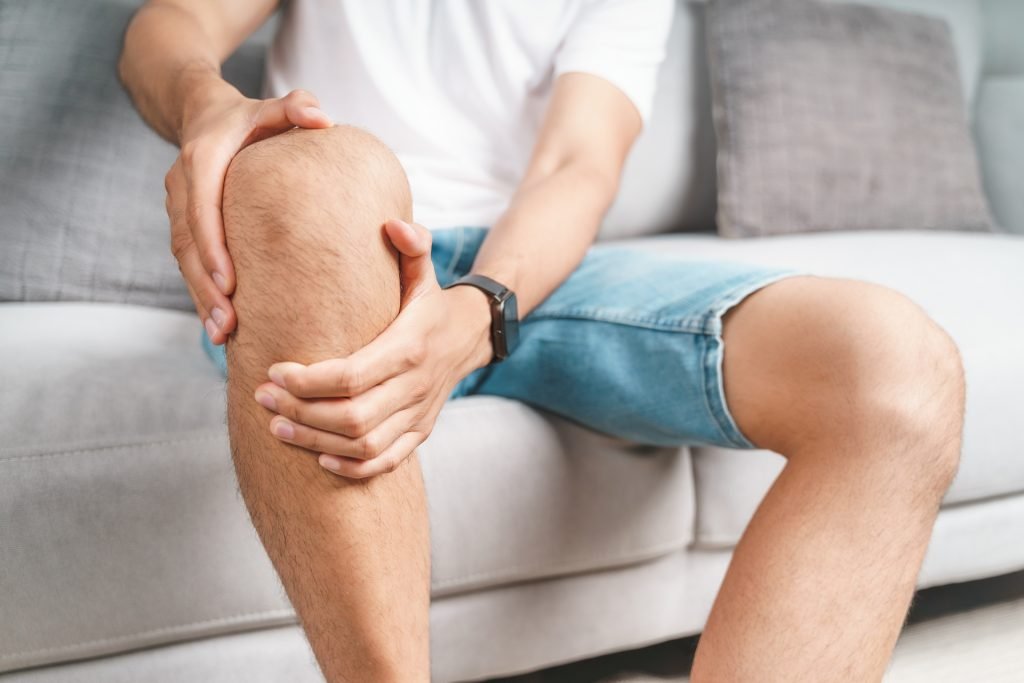
Reduce joint pain without drugs decisions improve when you prioritize constraints, tradeoffs, and common mistakes before acting.
Understanding the root causes of joint pain is essential for effective management. Common factors include inflammation, joint wear and tear, and dietary choices. Many individuals overlook the impact of nutrition, which plays a significant role in joint health. For instance, incorporating foods rich in omega-3 fatty acids, like salmon and walnuts, can help decrease inflammation. It’s also important to stay hydrated and avoid processed foods that can trigger inflammation.
The Role of Diet in Joint Health
A well-balanced diet is fundamental to reducing joint pain. Foods high in antioxidants, such as fruits and vegetables, can combat oxidative stress, which contributes to inflammation. Additionally, incorporating spices like turmeric, known for its anti-inflammatory properties, can be beneficial.
It’s critical to be aware of food sensitivities that may exacerbate joint pain. Common culprits include gluten and dairy for some individuals. Keeping a food diary can help identify these triggers. Focusing on anti-inflammatory foods can shift the balance towards improved joint health.
Exercise Techniques for Joint Pain Relief
Regular exercise is essential for maintaining joint flexibility and strength. Low-impact activities, such as walking, swimming, or cycling, allow for movement without putting undue stress on the joints. Resistance training can also be beneficial, as it strengthens the muscles surrounding the joints.
However, it’s important to recognize the potential pitfalls. Overexertion can lead to increased pain and injury. Therefore, starting slow and gradually increasing intensity is key. Consulting with a physical therapist can provide tailored strategies for safe exercise.
Natural Remedies and Supplements
Several natural remedies may assist in reducing joint pain. Omega-3 fatty acids, found in fish oil supplements, can help reduce joint inflammation. Glucosamine and chondroitin sulfate are also popular supplements that some studies suggest may improve joint health.
While these supplements can be helpful, they may not be effective for everyone. It’s important to discuss with a healthcare provider before starting any new supplement regimen, especially if you are on other medications.
Heat and Cold Therapy
Heat and cold therapy can provide immediate relief for joint pain. Heat can help relax muscles and improve circulation, while cold therapy can numb sharp pain and reduce swelling. Alternating between these therapies can be particularly effective.
It’s essential to apply these treatments correctly to avoid skin damage. Use a heating pad or warm towel for heat therapy and ice packs wrapped in a cloth for cold therapy. Limit application times to 15-20 minutes to prevent adverse effects.
How to reduce inflammation in joints without drugs decisions improve when you prioritize constraints, tradeoffs, and common mistakes before acting.
Understanding the causes of joint inflammation is crucial. Factors like diet, lifestyle, and stress play significant roles. A typical Western diet high in processed foods, sugars, and unhealthy fats can exacerbate inflammation. Therefore, focusing on whole foods, such as fruits, vegetables, nuts, and fatty fish, is vital for managing inflammation effectively.
Dietary Changes for Joint Health
Adopting an anti-inflammatory diet is one of the most effective ways to reduce joint inflammation. Foods rich in omega-3 fatty acids, such as salmon, walnuts, and flaxseeds, can help combat inflammation. Incorporating plenty of fruits and vegetables, especially berries and leafy greens, provides antioxidants that protect against oxidative stress.
However, it’s essential to avoid foods that can increase inflammation, including refined carbohydrates, fried foods, and excessive alcohol. A common mistake is not being aware of hidden sugars in processed foods, which can also contribute to inflammation. Prioritize whole, unprocessed foods for the best results.
Exercise and Physical Activity
Regular physical activity is crucial for maintaining joint health. Low-impact exercises like swimming, cycling, and walking can help improve flexibility and strength without putting excessive stress on the joints. Engaging in strength training can also support the muscles around the joints, providing better stability.
A common pitfall is overexerting oneself, especially when starting a new exercise routine. It’s crucial to listen to your body and gradually increase activity levels. Aim for at least 150 minutes of moderate exercise weekly while incorporating stretching routines to enhance mobility.
Stress Management Techniques
Chronic stress can exacerbate inflammation in the body. Techniques such as yoga, meditation, and deep-breathing exercises can help reduce stress levels, thereby potentially decreasing inflammation. These practices promote relaxation and can lead to a better overall sense of well-being.
Many people overlook the profound impact of mental health on physical health. Setting aside time for mindfulness or relaxation can significantly improve how your body responds to stress and inflammation. Regular practice is key to reaping the benefits of these techniques.
Importance of Weight Management
Maintaining a healthy weight is essential for reducing inflammation in the joints. Excess weight places additional stress on weight-bearing joints, leading to increased inflammation and pain. Even a modest weight loss of 5-10% can result in significant improvements in joint function and pain relief.
Strategies for weight management include adopting a balanced diet and regular exercise. A common mistake is focusing solely on diet while neglecting physical activity. Both components are crucial for achieving and maintaining a healthy weight.
Use this tool to assess your weight status and its impact on joint health
Frequently Asked Questions
What foods help reduce joint inflammation?
Foods rich in omega-3 fatty acids, such as fatty fish, nuts, and seeds, along with fruits and vegetables, especially berries and leafy greens, help reduce joint inflammation.
Can exercise help with joint inflammation?
Yes, regular low-impact exercises improve flexibility, strengthen muscles around the joints, and can significantly reduce inflammation.
How does stress affect joint inflammation?
Chronic stress can worsen inflammation in the body, making stress management techniques like yoga and meditation beneficial for joint health.
What role does weight play in joint health?
Excess weight adds stress to weight-bearing joints, leading to increased inflammation. Maintaining a healthy weight can alleviate this pressure.
Are there any supplements for joint inflammation?
Some supplements, like glucosamine and chondroitin, may help with joint inflammation, but it’s best to consult a healthcare professional before starting any new supplement.
Conclusion
Reducing inflammation in joints without drugs requires a holistic approach that includes dietary changes, regular exercise, stress management, and weight control. By prioritizing anti-inflammatory foods and maintaining an active lifestyle, one can significantly improve joint health. It’s important to stay consistent and make gradual changes that can lead to long-term benefits. Consult with a healthcare provider for personalized advice and support on your journey to better joint health.
Many people overlook how significantly diet impacts joint health. An anti-inflammatory diet can reduce joint pain without drugs by minimizing the intake of foods that trigger inflammation. Foods rich in antioxidants, omega-3 fatty acids, and phytochemicals are particularly beneficial. In 2025, research continues to support the pivotal role diet plays in managing chronic joint discomfort naturally.
In my experience, adding more fruits like berries, leafy greens, and fatty fish such as salmon can make a noticeable difference. These foods contain natural compounds that combat inflammation, helping your joints feel better over time. The key is consistency and choosing whole, unprocessed foods whenever possible.
Studies show that an anti-inflammatory diet can reduce joint pain severity by up to 30% in some populations. Implementing this dietary shift isnât about strict restrictions but about making smarter food choices that support your joint health long-term.
Practical Tips to Get Started
Start by incorporating anti-inflammatory superfoods into your daily meals. Consider preparing salmon or mackerel twice weekly, adding a handful of walnuts or flaxseeds daily, and including colorful vegetables like bell peppers and broccoli. Avoid processed foods high in sugar and trans fats, which can exacerbate inflammation.
Meal planning can help you stay on track. For example, prepare a big batch of vegetable stir-fry with turmeric and garlic that you can reheat throughout the week. Cooking with herbs like ginger and turmeric also offers natural anti-inflammatory benefits.
Remember, small consistent changes can significantly impact joint pain relief without drugs, making dietary adjustments one of the most accessible strategies in 2025.
2. Engage in Low-Impact Exercise
Benefits of Gentle Movement
Maintaining an active lifestyle is essential for joint health. Low-impact exercises, such as swimming, cycling, or walking, provide the benefits of movement without putting undue stress on your joints. These activities help increase blood flow, strengthen muscles, and improve flexibilityâkey factors in joint pain relief without drugs.
Regular activity also helps with weight management, which reduces strain on weight-bearing joints like your knees and hips. In 2025, exercise science confirms that consistent, gentle movement is one of the most effective natural remedies for chronic joint pain.
If you’re new to exercise or managing significant pain, start slow. Incorporate short walks or water aerobics into your routine, gradually increasing intensity as tolerated. The goal is to stay active without overexerting your joints.
Tips for Staying Motivated
Set small, achievable goals, like walking for 10 minutes daily, and gradually increase the duration. Joining a local walking group or a swimming class can provide social support and accountability, making it easier to sustain the habit.
Listen to your body; if a certain movement causes discomfort, modify or pause. Consulting with a physical therapist can provide personalized exercise routines tailored to your needs.
By making low-impact exercise a regular part of your routine, you can effectively support joint health and experience relief without relying on medications.
3. Use Hot and Cold Therapy
How Heat and Cold Reduce Joint Pain
Applying heat or cold to sore joints is a proven natural method that provides immediate relief without drugs. Heat therapy relaxes tense muscles, improves blood circulation, and eases stiffness. Cold therapy, on the other hand, reduces inflammation and numbs painful sensations.
In 2025, many healthcare professionals recommend alternating between hot and cold packs based on your symptoms. For example, use heat before activity to loosen stiff joints and cold afterward to reduce inflammation. This simple approach can significantly diminish discomfort.
Using household items, such as a warm towel or a bag of frozen peas, makes this therapy accessible and cost-effective. Remember to always protect your skin with a cloth barrier to prevent burns or frostbite.
Practical Tips for Effective Therapy
Apply a heating pad or warm compress for 15-20 minutes before activity to improve flexibility. After activity, use a cold pack for 10-15 minutes to reduce swelling and pain. Repeat this process as needed throughout the day.
Monitoring your response to heat and cold therapy helps determine what works best for your specific joints. Consistent use can be a cornerstone of joint pain management without drugs in 2025.
Always consult medical advice if your joint pain persists or worsens despite these therapies.
4. Practice Mindfulness and Stress Reduction
The Mind-Body Connection to Joint Pain
Chronic stress can worsen inflammation and amplify the perception of pain. Practicing mindfulness, meditation, or deep-breathing exercises helps lower stress hormones that may contribute to joint discomfort. A calm mind can also influence how your body perceives pain signals, leading to better joint pain relief without drugs.
Research in 2025 emphasizes that integrated mind-body practices reduce pain levels by modulating the nervous system’s response to inflammation. In my personal experience, just ten minutes of mindfulness meditation daily can significantly improve joint comfort over time.
Stress management techniques also promote better sleep quality, which is essential for joint repair and minimizing pain.
Implementing Mindfulness in Daily Life
Start with guided meditation apps or breathing exercises designed specifically for pain management. Focus on slow, deep breaths and gentle body scans to cultivate awareness and reduce tension.
Combine mindfulness with gentle stretching or yoga, emphasizing breath control and relaxation. These practices can help manage joint pain without drugs and improve overall well-being.
Making stress reduction a daily habit enhances your body’s natural ability to heal and maintain joint health in 2025.
5. Maintain a Healthy Weight
The Impact of Weight on Joint Pain
Excess weight puts additional strain on weight-bearing joints, accelerating degeneration and increasing pain. Studies in 2025 demonstrate that even a modest weight loss of 5-10% can significantly decrease joint pain and improve function, especially in knees and hips. Achieving a healthy weight is one of the most straightforward ways to experience joint pain relief without drugs.
Personal success stories often highlight that combining dietary changes with regular exercise leads to sustainable weight management and reduced joint discomfort.
Remember, the focus should be on gradual, consistent progress to avoid undue stress or injury.
Practical Strategies to Achieve and Maintain a Healthy Weight
Create a balanced diet rich in fiber, lean proteins, and healthy fats. Limit processed foods high in sugar and unhealthy fats that promote inflammation. Setting realistic goals and tracking progress can boost motivation.
Incorporate routine physical activity, such as brisk walking or swimming, to support weight loss efforts. Consulting with a nutritionist or fitness expert can provide personalized plans tailored to your needs and joint health goals.
By staying at a healthy weight, you support joint function and enhance your ability to apply other strategies for joint pain relief without drugs effectively in 2025.
6. Incorporate Herbal Supplements and Natural Remedies
Popular Natural Remedies for Joint Comfort
Herbs like turmeric, ginger, and boswellia have been used for centuries to reduce inflammation and alleviate joint pain. In 2025, scientific studies support their effectiveness as complementary approaches for joint pain relief without drugs.
For example, turmeric contains curcumin, a powerful anti-inflammatory compound that can be incorporated into your diet or taken as a supplement. Many users report improved joint mobility and reduced stiffness when using these natural remedies consistently.
Always consult a healthcare professional before starting new supplements, especially if you’re already taking medication or managing health conditions.
Practical Tips for Using Natural Remedies Safely
Choose high-quality, standardized supplements to ensure efficacy. Start with small doses and monitor your body’s response. Combining herbal remedies with other self-care strategies can enhance overall relief.
In addition to supplements, consider topical remedies like arnica gels or capsaicin creams, which can provide localized pain relief without drugs. Regularly integrating these natural options may support your goal of joint pain relief without drugs in 2025.
Stay informed about new research and emerging natural therapies that could further aid your joint health journey.
7. Utilize Physical Therapy and Manual Techniques
Role of Physical Therapy in Joint Pain Management
Professional physical therapy involves tailored exercises, manual therapy, and education to improve joint function and reduce pain. In 2025, more clinics are adopting holistic approaches that emphasize natural pain management techniques.
Persistent joint pain can often be alleviated through guided movement and manual manipulation, avoiding the need for drugs. A physical therapist can help identify specific issues and design personalized plans to strengthen muscles around affected joints, resulting in better stability and less pain.
Physical therapy also plays a vital role in preventing future joint problems by improving posture, flexibility, and joint alignment.
DIY Manual Therapy Techniques
Learning simple self-massage or gentle joint mobilization techniques can be an empowering way to manage pain at home. Using tools like foam rollers or massage balls can release muscle tension and promote healing.
Always consult a professional before trying new manual techniques to ensure safety and efficacy, especially if you have severe or complex joint issues. Incorporating physical therapy and manual treatments enhances your natural, drug-free approach to joint pain relief in 2025.
8. Prioritize Good Posture and Ergonomics
The Impact of Posture on Joint Health
Poor posture can lead to uneven stress on joints, resulting in increased discomfort and accelerated wear and tear. In 2025, ergonomic awareness is more important than ever for preventing joint pain without drugs. Proper alignment during daily activities reduces unnecessary strain and promotes joint longevity.
For example, maintaining an upright posture while sitting, using supportive chairs, and adjusting your workstation can help minimize joint stress. Good ergonomics can prevent many common joint issues, especially for those who work at desks or perform repetitive tasks.
Personal pain management often starts with lifestyle changesâconscious posture adjustments can have long-lasting positive effects on joint health.
Tips for Improving Posture and Ergonomics
Invest in ergonomic furniture and arrange your workspace to support natural body alignment. Incorporate stretching breaks and mindful practicing of proper posture throughout the day.
Strengthening core and back muscles also help maintain good posture naturally. Regularly performing gentle posture exercises can prevent joint pain from developing or worsening.
In sum, prioritizing ergonomic principles is an essential, drug-free strategy for sustaining healthy joints in 2025 and beyond.
9. Stay Hydrated and Properly Nourished
The Importance of Hydration for Joint Function
Proper hydration is vital for maintaining the lubrication within joints, which helps prevent stiffness and pain. In 2025, many health experts emphasize drinking sufficient waterâgenerally around 8 glasses dailyâas part of a comprehensive plan for joint pain relief without drugs.
Dehydration can lead to thicker synovial fluid, decreasing joint mobility and increasing discomfort. Staying well-hydrated supports nutrient delivery and waste removal in joint tissues, promoting faster repair and recovery.
Additionally, balanced nutrition provides essential vitamins, minerals, and antioxidants that support cartilage health and reduce inflammation.
Practical Tips to Enhance Hydration and Nutrition
Incorporate water-rich foods like cucumbers, oranges, and watermelon into your diet. Limit caffeine and alcohol, which can dehydrate the body. Consider herbal teas or infused water for variety and added health benefits.
Ensure your diet includes adequate levels of vitamin D, calcium, and omega-3s, which are associated with healthier joints and reduced pain. A balanced diet tailored for joint health supports your goal of joint pain relief without drugs in 2025.
10. Adopt Preventive Habits for Long-term Relief
Proactive Measures to Protect Joints
Preventative strategies, such as regular check-ups, staying active, and avoiding joint overuse, are critical for maintaining joint health over time. In 2025, adopting healthy habits early can delay or prevent the onset of joint problems and minimize reliance on medications.
Practicing proper technique during physical activity, using supportive footwear, and avoiding repetitive strain can significantly decrease the risk of joint degeneration and pain.
Your ongoing commitment to joint health through lifestyle choices is a cornerstone of natural pain management and overall well-being.
Building a Joint-Friendly Lifestyle
Set realistic goals, incorporate routines that promote flexibility and strength, and stay informed with the latest health tips. Engaging with a healthcare professional periodically can help adjust your strategies as needed.
Supporting your joints through proactive habits fosters resilience and reduces the likelihood of needing medication â making this one of the most effective strategies for joint pain relief without drugs in 2025.
Frequently Asked Questions
Q1: What are the best natural methods for joint pain relief without drugs?
Some of the most effective natural methods include anti-inflammatory diets, gentle exercise, hot and cold therapy, herbal supplements, and practicing mindfulness. Combining these strategies often yields the best results.
Q2: Can losing weight help with joint pain relief without drugs?
Absolutely. Maintaining a healthy weight reduces stress on joints, especially the knees and hips, leading to significant pain relief and improved function without medication.
Q3: How long does it take to see results from natural joint pain relief strategies?
Results vary depending on the individual and method used. Consistent adherence can lead to noticeable improvements within a few weeks, with more substantial relief over several months.
Q4: Is it safe to try herbal supplements for joint pain?
When used responsibly and under professional guidance, herbal supplements like turmeric and ginger are generally safe. Always consult your healthcare provider before starting new supplements, especially if you are on medication or have health conditions.
Q5: Why is the keyword ‘joint pain relief without drugs’ important in 2025?
In 2025, more people seek safe, natural options for managing joint pain due to concerns about medication side effects and the desire for holistic wellness. Focusing on effective, drug-free strategies aligns with current health trends and personalized care approaches.
Conclusion
In summary, exploring and implementing the joint pain relief without drugs strategies discussed in this 2025 guide can help you manage discomfort more naturally and safely. From adopting anti-inflammatory diets and regular low-impact exercise to utilizing heat/cold therapy and practicing mindfulness, there are numerous effective approaches to enhance your joint health. The key is consistency and awareness, empowering you to take control of your well-being. Remember, natural methods not only alleviate pain but also promote overall health, making a drug-free lifestyle a realistic and sustainable goal in 2025 and beyond.