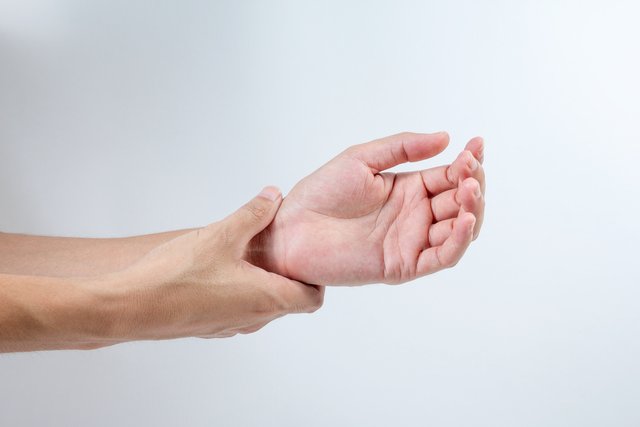
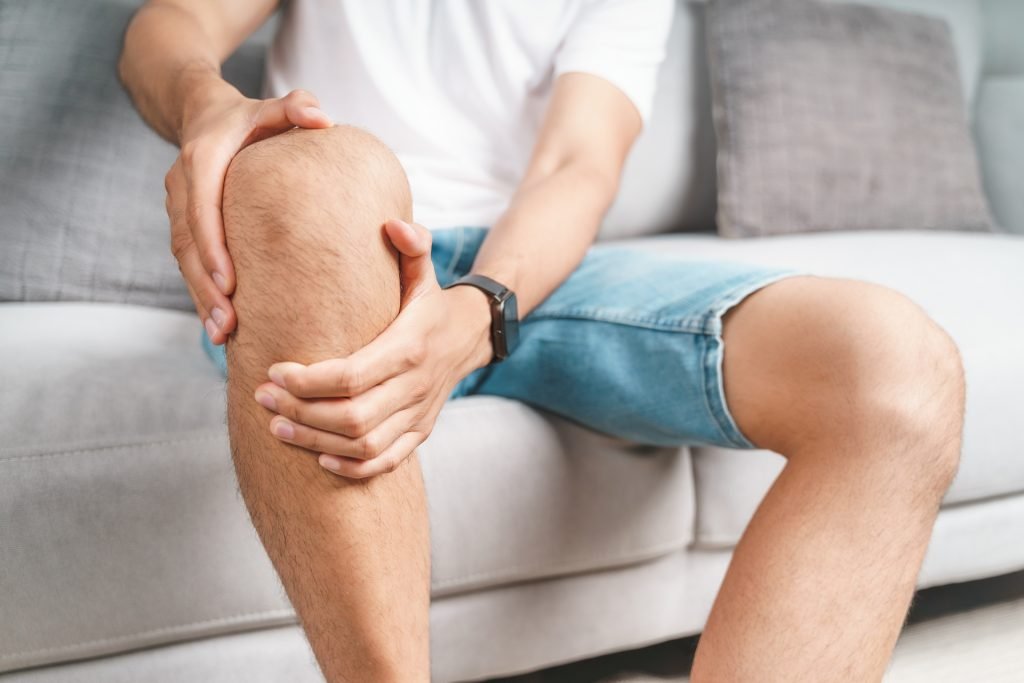
Reduce Joint Pain Without Drugs: Effective Lifestyle Changes and Natural Remedies

Reduce joint pain without drugs decisions improve when you prioritize constraints, tradeoffs, and common mistakes before acting.

Understanding the root causes of joint pain is essential for effective management. Common factors include inflammation, joint wear and tear, and dietary choices. Many individuals overlook the impact of nutrition, which plays a significant role in joint health. For instance, incorporating foods rich in omega-3 fatty acids, like salmon and walnuts, can help decrease inflammation. It’s also important to stay hydrated and avoid processed foods that can trigger inflammation.

The Role of Diet in Joint Health

A well-balanced diet is fundamental to reducing joint pain. Foods high in antioxidants, such as fruits and vegetables, can combat oxidative stress, which contributes to inflammation. Additionally, incorporating spices like turmeric, known for its anti-inflammatory properties, can be beneficial.

It’s critical to be aware of food sensitivities that may exacerbate joint pain. Common culprits include gluten and dairy for some individuals. Keeping a food diary can help identify these triggers. Focusing on anti-inflammatory foods can shift the balance towards improved joint health.

Exercise Techniques for Joint Pain Relief

Regular exercise is essential for maintaining joint flexibility and strength. Low-impact activities, such as walking, swimming, or cycling, allow for movement without putting undue stress on the joints. Resistance training can also be beneficial, as it strengthens the muscles surrounding the joints.

However, it’s important to recognize the potential pitfalls. Overexertion can lead to increased pain and injury. Therefore, starting slow and gradually increasing intensity is key. Consulting with a physical therapist can provide tailored strategies for safe exercise.

Natural Remedies and Supplements

Several natural remedies may assist in reducing joint pain. Omega-3 fatty acids, found in fish oil supplements, can help reduce joint inflammation. Glucosamine and chondroitin sulfate are also popular supplements that some studies suggest may improve joint health.

While these supplements can be helpful, they may not be effective for everyone. It’s important to discuss with a healthcare provider before starting any new supplement regimen, especially if you are on other medications.

Heat and Cold Therapy

Heat and cold therapy can provide immediate relief for joint pain. Heat can help relax muscles and improve circulation, while cold therapy can numb sharp pain and reduce swelling. Alternating between these therapies can be particularly effective.

It’s essential to apply these treatments correctly to avoid skin damage. Use a heating pad or warm towel for heat therapy and ice packs wrapped in a cloth for cold therapy. Limit application times to 15-20 minutes to prevent adverse effects.

Further Reading

Authoritative Sources

  • Nutrition and Joint Health
    ncbi.nlm.nih.gov

    This resource provides scientific insights on the impact of nutrition on joint health and inflammation

  • Nutrition and Arthritis
    arthritis.org

    A comprehensive overview of how dietary choices affect arthritis and joint pain management

Frequently Asked Questions

What are some natural remedies for joint pain?

Natural remedies include omega-3 fatty acids, turmeric, ginger, and heat/cold therapy.

How can diet affect joint pain?

A diet rich in anti-inflammatory foods can reduce joint pain; processed foods may worsen it.

What types of exercise are best for joint pain?

Low-impact exercises like swimming, cycling, and yoga are best for joint pain relief.

Is it safe to use heat and cold therapy together?

Yes, alternating heat and cold can provide effective pain relief, but monitor application times.

Should I consult a doctor before trying supplements?

Yes, it’s advisable to consult a healthcare provider before starting any new supplements.

How to Improve Joint Lubrication Naturally Without Supplements: Foods and Lifestyle Changes

How to improve joint lubrication naturally without supplements decisions improve when you prioritize constraints, tradeoffs, and common mistakes before.

Beyond dietary choices, lifestyle factors significantly impact joint lubrication. Regular physical activity, particularly low-impact exercises like swimming and cycling, helps maintain joint mobility and health. Weight management is also critical; excess weight places additional stress on joints, which can lead to decreased lubrication and increased discomfort. Prioritizing these aspects can help create a comprehensive approach to joint health.

Nutrient-Rich Foods for Joint Lubrication

Incorporating specific nutrient-rich foods into your diet can significantly enhance joint lubrication. Omega-3 fatty acids, commonly found in fatty fish like salmon, walnuts, and chia seeds, are known for their anti-inflammatory properties. Additionally, foods high in antioxidants, such as berries, spinach, and broccoli, combat oxidative stress, which can negatively affect joint health.

Prioritizing a diet that includes these foods can help mitigate joint stiffness and enhance lubrication. For example, consider preparing meals that combine fatty fish with a variety of colorful vegetables to maximize nutrient intake. Exploring plant-based sources of omega-3s, like flaxseed and hemp seeds, can also provide substantial benefits without the need for supplements.

The Role of Hydration in Joint Health

Hydration plays a pivotal role in maintaining optimal joint lubrication. Water is a key component of synovial fluid, which lubricates joints and reduces friction during movement. Dehydration can lead to thickening of this fluid, resulting in increased discomfort and decreased mobility.

To ensure adequate hydration, aim to drink plenty of water throughout the day, especially during physical activity. Incorporating hydrating foods, such as cucumbers, watermelon, and oranges, can also contribute to overall fluid intake. Keeping track of your daily water consumption can help prevent dehydration and support joint health effectively.

Physical Activity and Joint Lubrication

Regular physical activity is essential for improving joint lubrication and overall joint health. Engaging in low-impact exercises, such as swimming, cycling, or walking, promotes circulation and helps maintain flexibility in the joints. These activities stimulate the production of synovial fluid, which is vital for joint lubrication.

It’s important to find a balance in exercise routines to avoid overexertion, which can lead to injury. Incorporating stretching and strengthening exercises can also enhance joint stability and function. Establishing a consistent exercise regimen tailored to your abilities can significantly improve joint health over time.

Weight Management and Joint Health

Maintaining a healthy weight is crucial for optimal joint lubrication. Excess body weight increases the load on weight-bearing joints, leading to increased wear and tear and potentially reducing the effectiveness of natural lubrication. This can result in joint pain and inflammation over time.

Adopting a balanced diet combined with regular physical activity can facilitate weight management. Focus on whole foods, such as fruits, vegetables, lean proteins, and whole grains, while minimizing processed foods and sugars. This approach not only supports weight loss but also enhances overall joint health.

Further Reading

Authoritative Sources

Frequently Asked Questions

What are natural ways to improve joint lubrication?

Natural ways to improve joint lubrication include consuming omega-3 rich foods, staying hydrated, and engaging in regular low-impact exercises.

How does hydration affect joint health?

Hydration is crucial as it maintains the production of synovial fluid, which lubricates the joints and prevents friction.

What types of exercises are best for joint lubrication?

Low-impact exercises like swimming, cycling, and yoga are best for promoting joint lubrication and flexibility.

Can weight loss improve joint lubrication?

Yes, losing excess weight can reduce stress on joints, leading to better lubrication and decreased pain.

Are there specific foods to avoid for joint health?

Processed foods, sugars, and trans fats should be avoided as they can increase inflammation and negatively impact joint health.

Conclusion

Improving joint lubrication naturally without supplements requires a multifaceted approach focusing on nutrition, hydration, physical activity, and weight management. By incorporating omega-3 rich foods, staying hydrated, and engaging in regular exercise, you can effectively support joint health and enhance lubrication. Prioritizing these lifestyle changes will not only benefit your joints but also contribute to your overall well-being. Start making these adjustments today for a healthier tomorrow.

How to Improve Joint Lubrication Naturally Without Supplements: Effective Foods and Daily Practices

How to improve joint lubrication naturally without supplements decisions improve when you prioritize constraints, tradeoffs, and common mistakes before.

In addition to dietary choices, engaging in regular physical activity is vital. Exercise not only helps maintain a healthy weight—which reduces pressure on joints—but also promotes the production of synovial fluid, the natural lubricant in joints. Furthermore, staying hydrated is essential, as dehydration can lead to joint stiffness and discomfort.

Foods That Enhance Joint Lubrication

Certain foods can significantly improve joint lubrication. Omega-3 fatty acids, found in fatty fish like salmon, mackerel, and sardines, are known to help reduce inflammation and promote joint health. Additionally, nuts and seeds, such as walnuts and flaxseeds, are excellent sources of omega-3s. Leafy green vegetables, such as spinach and kale, provide antioxidants that combat oxidative stress on joints.

Incorporating these foods into your diet can lead to better joint lubrication. For instance, consider adding a serving of fatty fish to your weekly meal plan or incorporating a handful of nuts into your snacks. Prioritizing these foods not only supports joint health but also contributes to overall wellness.

Daily Practices for Joint Health

Alongside dietary adjustments, certain daily practices can enhance joint lubrication. Regular exercise is crucial; activities such as swimming, cycling, and walking promote joint mobility and the production of synovial fluid. Stretching before and after workouts can also help maintain flexibility and reduce stiffness.

Moreover, maintaining a healthy weight is essential for reducing stress on joints. If you are overweight, even small weight loss can significantly relieve pressure on your joints, leading to improved lubrication and overall joint function. Consider integrating low-impact exercises into your routine to support weight management.

Understanding the Role of Hydration

Hydration plays a pivotal role in joint lubrication. Water is essential for the production of synovial fluid, which lubricates joints and reduces friction. Dehydration can lead to stiff joints and decreased mobility, making it vital to drink adequate water throughout the day.

Aim for at least eight glasses of water daily, adjusting based on your activity level and climate. Herbal teas and water-rich foods, such as cucumbers and watermelon, can also contribute to your hydration goals. Prioritizing hydration can prevent joint stiffness and enhance overall joint health.

Further Reading

Authoritative Sources

  • Arthritis Foundation
    arthritis.org

    A comprehensive resource for information on joint health, including dietary recommendations and exercise tips

  • National Institutes of Health
    ncbi.nlm.nih.gov

    nih.govProvides research-based insights into the importance of nutrition and hydration for joint health

  • Healthline
    healthline.com

    Offers articles on natural ways to improve joint lubrication and overall joint health

Frequently Asked Questions

What foods should I eat to improve joint lubrication?

Incorporate fatty fish, nuts, seeds, and leafy greens into your diet to enhance joint lubrication.

How does hydration affect joint health?

Hydration is crucial for the production of synovial fluid, which lubricates joints and prevents stiffness.

What exercises are best for joint lubrication?

Low-impact exercises such as swimming, cycling, and walking are ideal for promoting joint lubrication and mobility.

Can weight loss improve joint lubrication?

Yes, maintaining a healthy weight reduces stress on joints, which can lead to improved lubrication and function.

Is it possible to improve joint lubrication without supplements?

Absolutely! A balanced diet rich in specific foods and proper hydration can enhance joint lubrication naturally.

Conclusion

Improving joint lubrication naturally without supplements is achievable through dietary choices, daily practices, and proper hydration. Focus on incorporating omega-3-rich foods, engaging in regular physical activity, and staying hydrated to support your joints. By prioritizing these strategies, you can enhance joint health and mobility effectively.

How to Relieve Joint Pain Without Losing Mobility: Effective Exercises and Daily Practices

How to relieve joint pain without losing mobility decisions improve when you prioritize constraints, tradeoffs, and common mistakes before acting.

Understanding the underlying causes of joint pain is crucial. Factors such as age, previous injuries, and certain medical conditions can contribute to discomfort. Adopting a proactive approach by incorporating specific exercises can help maintain joint function and reduce pain. Common mistakes include avoiding movement entirely, which can lead to stiffness and further mobility issues.

Low-Impact Exercises for Joint Pain Relief

Low-impact exercises are essential for those experiencing joint pain. Activities like swimming, cycling, and walking can promote cardiovascular health while minimizing strain on the joints. These exercises help maintain muscle strength and improve joint stability.

Incorporating strength training can also benefit joint health by supporting the surrounding muscles. Start with light weights or resistance bands and gradually increase intensity. Always consult a professional before beginning a new exercise regimen to ensure safety and effectiveness.

Daily Practices to Enhance Mobility

Incorporating daily stretching routines can significantly improve joint flexibility and range of motion. Focus on gentle stretches that target the major joints, such as shoulders, hips, and knees. Practicing yoga or tai chi can also enhance balance and coordination.

Additionally, maintaining a consistent movement pattern throughout the day is vital. Avoid long periods of inactivity, as this can lead to stiffness. Set reminders to stand, stretch, or take short walks to keep your joints engaged.

Nutrition’s Role in Joint Health

A well-balanced diet plays a significant role in managing joint pain. Foods rich in omega-3 fatty acids, such as fish, walnuts, and flaxseeds, have anti-inflammatory properties that can alleviate discomfort. Additionally, antioxidants found in fruits and vegetables help combat oxidative stress in joints.

Staying hydrated is crucial for joint lubrication. Aim to drink sufficient water throughout the day. Reducing processed foods and sugars can also help minimize inflammation and improve overall joint health.

Common Mistakes to Avoid

One common mistake is to completely avoid physical activity due to fear of pain. While it’s important to listen to your body, completely stopping movement can lead to further issues. Instead, focus on modifying activities to accommodate your comfort level.

Another pitfall is neglecting proper warm-up and cool-down routines. Skipping these steps can increase the risk of injuries. Always take time to prepare your body for exercise and to help it recover afterward.

Further Reading

Authoritative Sources

  • Arthritis Foundation
    arthritis.org

    A comprehensive resource for understanding arthritis and joint pain management techniques

  • National Institutes of Health (NIH)
    ncbi.nlm.nih.gov

    Offers research studies and articles on joint health and pain relief methods

  • Mayo Clinic
    mayoclinic.org

    Provides expert advice on managing joint pain and maintaining mobility

Frequently Asked Questions

What are some effective exercises for joint pain?

Low-impact exercises such as swimming, cycling, and walking are effective for relieving joint pain.

How can diet affect joint health?

A diet rich in omega-3 fatty acids and antioxidants can help reduce inflammation and support joint health.

Is it safe to exercise with joint pain?

Yes, but it’s important to choose low-impact activities and consult with a healthcare professional.

What should I avoid if I have joint pain?

Avoid high-impact activities that can exacerbate pain and lead to further injury.

How often should I exercise to relieve joint pain?

Aim for at least 150 minutes of moderate exercise per week, incorporating strength training and flexibility exercises.

Conclusion

To relieve joint pain without losing mobility, it’s crucial to adopt a multifaceted approach that includes low-impact exercises, proper nutrition, and daily movement practices. Avoid common mistakes such as complete inactivity and neglecting warm-ups. By prioritizing a balanced lifestyle, you can effectively manage pain while maintaining your mobility. Consulting with healthcare professionals can provide personalized strategies that cater to your specific needs.

What Is Causing Joint Pain Without Swelling or Redness: Common Underlying Conditions and Management Strategies

What is causing joint pain without swelling or redness decisions improve when you prioritize constraints, tradeoffs, and common mistakes before acting.

Understanding the root causes of this type of joint pain is important because it often reflects chronic conditions that require different management strategies than inflammatory joint diseases. Many individuals may mistakenly attribute their discomfort to overuse or minor injuries, overlooking potential underlying issues that could benefit from medical intervention. Recognizing the symptoms and seeking appropriate care can lead to more effective management and improved outcomes.

Osteoarthritis: A Common Culprit

Osteoarthritis is one of the most prevalent causes of joint pain without swelling or redness. It occurs when cartilage—the tissue that cushions joints—wears down over time, leading to pain and stiffness. This degenerative condition typically affects weight-bearing joints like the knees and hips, but it can also impact the hands and spine.

Many people with osteoarthritis may not notice swelling or redness because the pain results from mechanical wear rather than inflammatory processes. It is crucial to manage osteoarthritis through lifestyle changes such as weight management, physical therapy, and, when necessary, medications that can help alleviate pain and improve function. A proactive approach can slow disease progression and enhance joint health.

Fibromyalgia: Widespread Pain Explained

Fibromyalgia is a complex condition characterized by widespread musculoskeletal pain, fatigue, and tender points. Patients often report joint pain without any visible inflammation, making it challenging to diagnose. Its exact cause remains unclear, but it is believed to involve abnormal pain signaling in the brain and nervous system.

For those suffering from fibromyalgia, understanding the condition is essential. Treatment often includes a combination of medications, cognitive-behavioral therapy, and lifestyle changes such as regular exercise and stress management techniques. Recognizing fibromyalgia can lead to more effective pain management strategies and improve overall quality of life.

Tendinitis: Overuse and Pain

Tendinitis refers to the inflammation of a tendon, which can lead to localized pain without significant swelling or redness. This condition is often the result of repetitive motion or overuse, commonly seen in athletes or individuals with physically demanding jobs.

While inflammation may not always be present, the pain can be debilitating. Early intervention is key; rest, ice, and physical therapy can significantly aid recovery. Additionally, understanding the activities that contribute to tendinitis can help prevent future occurrences, ensuring that individuals maintain their active lifestyles without long-term pain.

Autoimmune Conditions: Hidden Causes

Several autoimmune conditions, such as rheumatoid arthritis and lupus, can cause joint pain without visible swelling or redness. In these cases, the immune system mistakenly attacks joint tissues, resulting in pain that may not always manifest with typical inflammatory signs.

Diagnosing autoimmune disorders can be complex due to the variability of symptoms. Treatment often involves immunosuppressive medications and lifestyle adjustments to manage symptoms effectively. Early detection and comprehensive care can make a significant difference in managing these conditions and preserving joint function.

Further Reading

Authoritative Sources

  • American College of Rheumatology
    rheumatology.org

    This resource provides comprehensive information on various rheumatic diseases, including joint pain conditions

  • Mayo Clinic
    mayoclinic.org

    An authoritative source for health information, including explanations of various causes of joint pain

  • National Institutes of Health
    ncbi.nlm.nih.gov

    nih.govOffers research articles and studies on joint pain and related conditions

  • NIAMS
    niams.nih.gov

    Focuses on the research and education regarding musculoskeletal diseases and conditions

Frequently Asked Questions

What are the common causes of joint pain without swelling?

Common causes include osteoarthritis, fibromyalgia, tendinitis, and some autoimmune conditions.

Can joint pain without swelling be treated?

Yes, treatment options vary based on the underlying cause and may include medications, physical therapy, and lifestyle changes.

Is joint pain without swelling a sign of a serious condition?

While it may not always indicate a serious issue, persistent joint pain should be evaluated by a healthcare professional.

How can lifestyle changes help with joint pain?

Lifestyle changes such as maintaining a healthy weight, regular exercise, and proper ergonomics can significantly reduce joint pain.

When should I see a doctor for joint pain?

If joint pain is persistent, severe, or accompanied by other symptoms, it is advisable to seek medical attention.

Conclusion

Joint pain without swelling or redness can arise from various underlying conditions, making accurate diagnosis and effective management crucial. Understanding the specific causes—such as osteoarthritis, fibromyalgia, tendinitis, and autoimmune disorders—enables individuals to seek appropriate treatment. Prioritizing lifestyle changes and consulting healthcare professionals can lead to improved outcomes and enhanced quality of life. If you experience persistent joint pain, take proactive steps to explore potential causes and management strategies that fit your needs.

How to Heal Joint Pain Without Taking Painkillers: Natural Remedies and Effective Strategies

How to heal joint pain without taking painkillers decisions improve when you prioritize constraints, tradeoffs, and common mistakes before acting.

Understanding the underlying causes of joint pain is crucial for effective management. Common contributors include inflammation, overuse, and age-related wear and tear. By addressing these factors through holistic approaches, individuals can often find relief while avoiding the side effects associated with pain medication.

Dietary Changes for Joint Health

Incorporating anti-inflammatory foods into your diet can significantly impact joint health. Foods rich in omega-3 fatty acids, such as salmon, walnuts, and flaxseeds, are known to help reduce inflammation. Additionally, fruits and vegetables high in antioxidants, like berries and leafy greens, contribute to overall joint health.

Prioritizing a balanced diet not only helps in managing joint pain but also supports overall well-being. Avoiding processed foods and excessive sugar can minimize inflammation, while staying hydrated aids in joint lubrication. It’s essential to monitor your body’s response to dietary changes, as individual reactions can vary.

Physical Activity and Exercises

Regular physical activity is vital for maintaining joint function and reducing pain. Low-impact exercises such as swimming, cycling, and walking can enhance muscle strength and flexibility without putting undue stress on the joints.

Incorporating strength training and stretching into your routine can also provide significant benefits. However, it’s important to start slowly and gradually increase intensity. Engaging in physical therapy may also offer tailored exercises that focus on your specific needs, ensuring a safe approach to managing joint discomfort.

Alternative Therapies

Alternative therapies, such as acupuncture and massage, can provide relief for joint pain. Acupuncture has been shown to stimulate the body’s natural pain-relieving mechanisms, while massage can improve circulation and reduce muscle tension around the joints.

When considering alternative therapies, it’s essential to consult with a healthcare provider to ensure they complement your existing treatment plan. Individual experiences with these therapies may vary, so keeping track of what works best for you is crucial.

Lifestyle Modifications

Making lifestyle modifications can have a profound effect on joint pain management. Maintaining a healthy weight reduces stress on weight-bearing joints, while ensuring proper ergonomics during daily activities can prevent exacerbation of pain.

Additionally, stress management techniques such as yoga and meditation can play a significant role in reducing pain perception. Prioritizing sleep and recovery is equally important, as restorative practices can enhance your body’s healing processes.

Further Reading

Authoritative Sources

  • MedlinePlus
    medlineplus.gov

    Consumer-friendly medical and health information from the U.S. National Library of Medicine.

  • National Institutes of Health
    nih.gov

    Research-based health information and links to authoritative medical resources.

  • Centers for Disease Control and Prevention
    cdc.gov

    Official public health guidance, prevention resources, and topic-specific recommendations.

  • Mayo Clinic
    mayoclinic.org

    Trusted clinical guidance, symptom explainers, and treatment overviews.

  • World Health Organization
    who.int

    Global health guidance, fact sheets, and evidence-based public health information.

Frequently Asked Questions

What are the best natural remedies for joint pain?

Some effective natural remedies include turmeric, ginger, omega-3 fatty acids, and topical treatments like capsaicin cream.

Can exercise worsen joint pain?

While some exercises can exacerbate pain, low-impact activities are generally recommended to strengthen joints and improve flexibility.

How does diet influence joint pain?

A diet rich in anti-inflammatory foods can help reduce joint pain, while processed foods and sugars may increase inflammation.

Is it safe to use acupuncture for joint pain?

Yes, acupuncture is considered safe and can be effective in managing joint pain by stimulating the body’s natural healing processes.

What lifestyle changes can help with joint pain?

Maintaining a healthy weight, practicing good ergonomics, and managing stress through relaxation techniques can significantly help with joint pain.

Conclusion

In summary, healing joint pain without resorting to painkillers is achievable through a multifaceted approach that includes dietary changes, regular physical activity, alternative therapies, and lifestyle modifications. Prioritizing these methods can lead to sustainable relief and improved quality of life. It’s important to stay informed and proactive in your approach, adapting strategies to what works best for your individual needs.

How to Improve Joint Flexibility Without Stretching Routines: Effective Daily Practices and Activities

How to improve joint flexibility without stretching routines decisions improve when you prioritize constraints, tradeoffs, and common mistakes before acting.

Many individuals mistakenly believe that traditional stretching is the only way to enhance joint flexibility. However, incorporating dynamic movements and strength-building exercises can be equally beneficial. These methods not only improve flexibility but also strengthen the surrounding muscles, which support joint health and stability. Engaging in activities that promote mobility can yield better long-term results than static stretching alone.

The Role of Mobility Exercises

Mobility exercises focus on the active movement of joints through their full range of motion. These exercises are crucial for improving flexibility without conventional stretching. Activities such as hip circles, shoulder rolls, and ankle pumps help to lubricate the joints and enhance their functional capacity.

Including mobility exercises in your daily routine can lead to significant improvements in joint flexibility. Unlike static stretches, mobility work encourages dynamic movement patterns that mimic daily activities. This not only prepares the joints for movement but also reduces the risk of injury by promoting better movement mechanics.

Incorporating Strength Training

Strength training is often overlooked as a means to improve joint flexibility. By building strength in the muscles surrounding the joints, individuals can enhance stability and support, which ultimately contributes to greater flexibility. Exercises like squats, lunges, and resistance band workouts can be particularly effective.

When strength training is performed through a full range of motion, it can lead to improved flexibility. This is because the muscles and connective tissues become more adaptable to various movements, allowing for a greater range of motion. Additionally, stronger muscles can better support joints, reducing the likelihood of injuries that may limit flexibility.

The Benefits of Yoga and Tai Chi

Yoga and tai chi are both excellent practices for enhancing joint flexibility without traditional stretching routines. These disciplines emphasize controlled movements, balance, and breath, which can improve flexibility while also promoting relaxation and mental well-being.

Incorporating yoga or tai chi into your weekly routine can yield substantial benefits. These practices not only improve flexibility but also enhance overall body awareness, allowing individuals to move more efficiently and with less discomfort. Regular participation can lead to long-term improvements in joint health and flexibility.

Daily Habits for Joint Flexibility

Adopting specific daily habits can significantly enhance joint flexibility. Simple actions, such as taking regular breaks to move, using proper ergonomics while sitting, and staying hydrated can all contribute to better joint health.

Additionally, engaging in activities like walking or cycling can encourage joint movement and flexibility. Prioritizing a balanced diet rich in anti-inflammatory foods, such as fatty fish, nuts, and leafy greens, can also support joint health. These daily practices create a foundation for improved flexibility, making it easier to perform everyday tasks without stiffness or discomfort.

Further Reading

Authoritative Sources

Frequently Asked Questions

Can I improve joint flexibility without stretching?

Yes, engaging in mobility exercises, strength training, and practices like yoga and tai chi can improve joint flexibility without traditional stretching.

What are mobility exercises?

Mobility exercises are movements that promote the active use of joints through their full range of motion, enhancing flexibility and joint function.

How does strength training help flexibility?

Strength training improves flexibility by building strength in the muscles surrounding joints, which helps to stabilize them and allows for greater movement range.

What types of yoga are best for joint flexibility?

Gentle forms of yoga, such as Hatha or Yin yoga, are particularly effective for improving joint flexibility due to their focus on slow, controlled movements.

How often should I practice these activities?

It is beneficial to engage in mobility exercises, strength training, or yoga at least 2-3 times a week for optimal joint flexibility.

Conclusion

To enhance joint flexibility without traditional stretching, focus on incorporating mobility exercises, strength training, and practices like yoga and tai chi into your routine. These activities not only improve flexibility but also strengthen the muscles around the joints, promoting better stability and overall joint health. Prioritizing daily habits that encourage movement and proper nutrition will also contribute to long-term flexibility gains. Start integrating these practices today for improved mobility and reduced discomfort.

How to Reduce Inflammation in Joints Without Drugs: Natural Remedies and Lifestyle Changes

How to reduce inflammation in joints without drugs decisions improve when you prioritize constraints, tradeoffs, and common mistakes before acting.

Understanding the causes of joint inflammation is crucial. Factors like diet, lifestyle, and stress play significant roles. A typical Western diet high in processed foods, sugars, and unhealthy fats can exacerbate inflammation. Therefore, focusing on whole foods, such as fruits, vegetables, nuts, and fatty fish, is vital for managing inflammation effectively.

Dietary Changes for Joint Health

Adopting an anti-inflammatory diet is one of the most effective ways to reduce joint inflammation. Foods rich in omega-3 fatty acids, such as salmon, walnuts, and flaxseeds, can help combat inflammation. Incorporating plenty of fruits and vegetables, especially berries and leafy greens, provides antioxidants that protect against oxidative stress.

However, it’s essential to avoid foods that can increase inflammation, including refined carbohydrates, fried foods, and excessive alcohol. A common mistake is not being aware of hidden sugars in processed foods, which can also contribute to inflammation. Prioritize whole, unprocessed foods for the best results.

Exercise and Physical Activity

Regular physical activity is crucial for maintaining joint health. Low-impact exercises like swimming, cycling, and walking can help improve flexibility and strength without putting excessive stress on the joints. Engaging in strength training can also support the muscles around the joints, providing better stability.

A common pitfall is overexerting oneself, especially when starting a new exercise routine. It’s crucial to listen to your body and gradually increase activity levels. Aim for at least 150 minutes of moderate exercise weekly while incorporating stretching routines to enhance mobility.

Stress Management Techniques

Chronic stress can exacerbate inflammation in the body. Techniques such as yoga, meditation, and deep-breathing exercises can help reduce stress levels, thereby potentially decreasing inflammation. These practices promote relaxation and can lead to a better overall sense of well-being.

Many people overlook the profound impact of mental health on physical health. Setting aside time for mindfulness or relaxation can significantly improve how your body responds to stress and inflammation. Regular practice is key to reaping the benefits of these techniques.

Importance of Weight Management

Maintaining a healthy weight is essential for reducing inflammation in the joints. Excess weight places additional stress on weight-bearing joints, leading to increased inflammation and pain. Even a modest weight loss of 5-10% can result in significant improvements in joint function and pain relief.

Strategies for weight management include adopting a balanced diet and regular exercise. A common mistake is focusing solely on diet while neglecting physical activity. Both components are crucial for achieving and maintaining a healthy weight.

Further Reading

Authoritative Sources

Frequently Asked Questions

What foods help reduce joint inflammation?

Foods rich in omega-3 fatty acids, such as fatty fish, nuts, and seeds, along with fruits and vegetables, especially berries and leafy greens, help reduce joint inflammation.

Can exercise help with joint inflammation?

Yes, regular low-impact exercises improve flexibility, strengthen muscles around the joints, and can significantly reduce inflammation.

How does stress affect joint inflammation?

Chronic stress can worsen inflammation in the body, making stress management techniques like yoga and meditation beneficial for joint health.

What role does weight play in joint health?

Excess weight adds stress to weight-bearing joints, leading to increased inflammation. Maintaining a healthy weight can alleviate this pressure.

Are there any supplements for joint inflammation?

Some supplements, like glucosamine and chondroitin, may help with joint inflammation, but it’s best to consult a healthcare professional before starting any new supplement.

Conclusion

Reducing inflammation in joints without drugs requires a holistic approach that includes dietary changes, regular exercise, stress management, and weight control. By prioritizing anti-inflammatory foods and maintaining an active lifestyle, one can significantly improve joint health. It’s important to stay consistent and make gradual changes that can lead to long-term benefits. Consult with a healthcare provider for personalized advice and support on your journey to better joint health.

Best Exercises for Joint Pain Relief Without Equipment: Effective Methods to Alleviate Discomfort

Best exercises for joint pain relief without equipment decisions improve when you prioritize constraints, tradeoffs, and common mistakes before acting.

Joint pain can stem from various causes, including arthritis, injuries, or overuse. It’s important to approach exercise carefully, ensuring that movements do not exacerbate existing conditions. Prioritizing low-impact activities allows individuals to stay active while minimizing stress on the joints. Understanding your body’s limits and recognizing any pain signals is crucial in selecting the right exercises.

Gentle Stretches for Joint Relief

Incorporating gentle stretches into your routine can significantly help alleviate joint pain. Stretches like the neck tilt, shoulder stretch, and wrist flexor stretch target specific joints, enhancing flexibility and reducing tension. These movements can be performed in a seated position, making them accessible for individuals with limited mobility.

It’s important to hold each stretch for at least 15-30 seconds and breathe deeply throughout the process. Avoid bouncing or forcing any movements, as this can lead to injury. Regular stretching can improve your range of motion, making daily activities easier and more comfortable.

Mobility Exercises to Enhance Flexibility

Mobility exercises focus on improving the range of motion in joints, which is essential for maintaining joint health. Movements such as ankle circles, hip openers, and torso twists can be beneficial. These exercises help lubricate the joints and improve circulation, which can reduce pain and stiffness.

Integrating mobility exercises into your routine can enhance overall physical performance. Aim for a session of 10-15 minutes a day, focusing on slow, controlled movements. This approach not only helps in pain management but also improves functional movement patterns.

Low-Impact Movements for Joint Health

Engaging in low-impact exercises like walking, swimming, or cycling can provide significant benefits for those experiencing joint pain. These activities promote cardiovascular health without placing excessive strain on the joints. Aim for at least 30 minutes of moderate activity most days of the week.

Listening to your body is essential; if a particular movement causes pain, it may be necessary to modify or replace it with a gentler option. Additionally, consider incorporating strength training with bodyweight exercises, such as squats and lunges, which can further support joint stability.

Common Mistakes to Avoid

When exercising for joint pain relief, several common mistakes can hinder progress. One significant error is neglecting warm-up and cool-down routines, which are crucial for preventing injuries. Additionally, overexertion can lead to increased pain and inflammation, so it’s vital to pace yourself.

Another pitfall is performing exercises without proper form, which can place undue stress on joints. Consider consulting a physical therapist or fitness professional to ensure correct techniques. Finally, be cautious of jumping into high-impact exercises too quickly; gradual progression is key to long-term success.

Further Reading

Authoritative Sources

  • Arthritis Foundation
    arthritis.org

    This resource provides comprehensive information on exercises and therapies for managing arthritis and joint pain

  • National Institutes of Health
    ncbi.nlm.nih.gov

    nih.govOffers research-based insights into effective exercise regimens for joint health and pain management

Frequently Asked Questions

What are the best exercises for joint pain relief?

Gentle stretches, mobility exercises, and low-impact activities like walking or swimming are effective for joint pain relief.

How often should I exercise for joint pain?

Aim for at least 30 minutes of low-impact exercise most days of the week, adjusting based on your comfort level.

Can I do strength training with joint pain?

Yes, bodyweight exercises can strengthen muscles around joints without added strain. Focus on proper form and low resistance.

Is stretching important for joint health?

Absolutely, stretching enhances flexibility and reduces stiffness, which can help alleviate joint discomfort.

What should I avoid when exercising with joint pain?

Avoid high-impact activities, overexertion, and exercises that cause pain. Always prioritize proper form.

How to Strengthen Weak Joints Without Heavy Exercise: Effective Methods and Everyday Practices

How to strengthen weak joints without heavy exercise decisions improve when you prioritize constraints, tradeoffs, and common mistakes before acting.

Understanding the common pitfalls is crucial. Many assume that only high-intensity workouts can lead to joint strength, but this is not the case. Low-impact exercises can be just as effective, especially when combined with proper nutrition and hydration. Prioritizing consistency over intensity is essential for long-term joint health and functionality.

Low-Impact Exercises for Joint Strength

Low-impact exercises are ideal for strengthening weak joints as they reduce stress while promoting mobility. Activities such as swimming, cycling, and walking allow for joint movement without the risk of injury associated with heavy exercises. These activities can improve circulation around the joints, enhancing nutrient delivery and waste removal.

It’s essential to integrate strength training into your routine. Consider using resistance bands or light weights to perform exercises targeting the muscles around your joints. For instance, leg lifts, arm raises, and gentle squats can effectively build strength without heavy strain. Aim for consistency, gradually increasing the intensity as your joints become stronger.

Nutrition for Joint Health

Nutrition plays a pivotal role in joint health. Consuming a balanced diet rich in omega-3 fatty acids, antioxidants, and anti-inflammatory foods can significantly benefit joint strength. Foods like fatty fish, nuts, seeds, and leafy greens should be staples in your diet.

Stay hydrated as well; proper hydration helps maintain joint lubrication. Additionally, consider limiting processed foods and sugars that can contribute to inflammation. By prioritizing nutrition, you create a supportive environment for your joints to strengthen.

Incorporating Flexibility and Balance

Flexibility and balance exercises are crucial for joint stability. Practices such as yoga and tai chi not only enhance flexibility but also improve overall balance, reducing the risk of falls and injuries. These exercises promote joint mobility and ensure that the surrounding muscles are adequately conditioned.

Including regular stretching routines can also enhance your range of motion. Stretching helps maintain muscle elasticity and joint flexibility, which are vital for joint health. Focus on gentle stretches that target all major muscle groups, holding each stretch for 15-30 seconds.

Common Mistakes to Avoid

One common mistake is neglecting the importance of rest and recovery. Overworking your joints, even with low-impact exercises, can lead to injuries. Listen to your body, and allow adequate rest days in your routine. Another mistake is failing to warm up properly before exercising, which can lead to strains or sprains.

Avoiding exercises that cause pain is also critical. If something doesn’t feel right, it’s essential to modify the activity or seek professional advice. Prioritizing proper form over quantity is key to preventing injuries and ensuring effective joint strengthening.

Further Reading

Authoritative Sources

  • Arthritis Foundation
    arthritis.org

    This resource provides comprehensive information on joint health and exercises suitable for individuals with joint concerns

  • National Center for Biotechnology Information
    ncbi.nlm.nih.gov

    A reliable source for research articles on joint health and related nutrition

  • WebMD
    webmd.com

    Offers health information and advice on maintaining joint health through lifestyle changes

  • Mayo Clinic
    mayoclinic.org

    Provides expert advice on exercises and treatments for joint pain and health

Frequently Asked Questions

What exercises are best for strengthening weak joints?

Low-impact exercises such as swimming, walking, and resistance training with light weights are effective for strengthening weak joints.

How can diet impact joint health?

A diet rich in omega-3 fatty acids, antioxidants, and anti-inflammatory foods supports joint health and reduces inflammation.

Is it safe to exercise with joint pain?

It is essential to listen to your body; if the pain worsens, modify the activity or consult a healthcare professional.

How often should I exercise to strengthen my joints?

Aim for at least 150 minutes of moderate exercise per week, incorporating strength training exercises at least twice a week.

What are common mistakes to avoid while exercising?

Common mistakes include neglecting warm-ups, overtraining, and not allowing adequate rest for recovery.

Conclusion

Strengthening weak joints without heavy exercise is achievable through a combination of low-impact activities, proper nutrition, and flexibility training. Prioritize consistency and listen to your body to avoid injuries. Incorporating these practices into your routine can lead to significant improvements in joint strength and overall health. Start with gentle exercises and gradually build up your strength to ensure lasting benefits.

Exit mobile version