
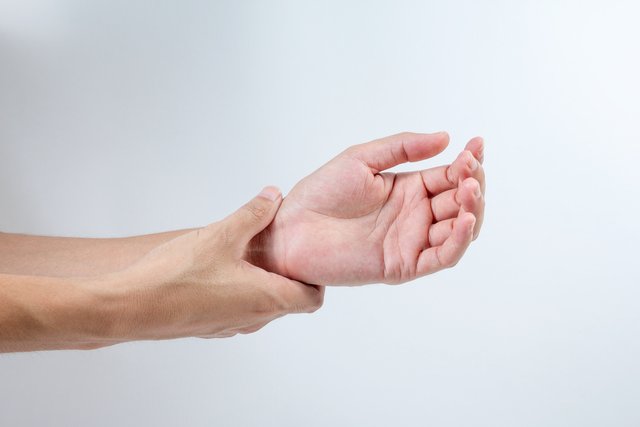
Joint pain often worsens during cold weather due to several factors including decreased blood flow, increased stiffness in the joints, and changes in barometric pressure. Cold temperatures can lead to heightened sensitivity of the nerves in the joints, making discomfort more pronounced for individuals with pre-existing conditions like arthritis.
Understanding the mechanisms behind this phenomenon is crucial for effective management. Cold weather can cause muscles and ligaments to tighten, leading to reduced joint flexibility and increased pain. Additionally, the body’s response to lower temperatures can result in decreased circulation, which can exacerbate inflammation and discomfort in affected areas. Recognizing these factors can help individuals take proactive steps to mitigate joint pain during colder months.
The Impact of Cold Weather on Joint Health
Cold weather can significantly impact joint health, leading to increased stiffness and pain. The drop in temperature causes the muscles, ligaments, and tendons surrounding the joints to contract, which can limit mobility and exacerbate discomfort. Additionally, changes in barometric pressure may lead to fluid shifts in the joints, contributing to inflammation.
Individuals with conditions like osteoarthritis may find that their symptoms worsen in winter months. It is important to be aware of these changes and to adapt one’s lifestyle accordingly. Engaging in gentle warm-up exercises before exposure to cold can help maintain flexibility and reduce pain.
Practical Management Strategies for Cold Weather Joint Pain
To effectively manage joint pain during cold weather, consider implementing specific strategies. Dressing in layers can help maintain body warmth, reducing stiffness in the joints. Regular physical activity, particularly low-impact exercises like swimming or cycling, can also alleviate symptoms by improving circulation and flexibility.
Other helpful measures include using heat therapy, such as heating pads or warm baths, to soothe aching joints. Staying hydrated is equally essential, as proper hydration can support joint lubrication. If you notice persistent pain, consider discussing with a healthcare professional about potential supplements or medications that may assist in managing your symptoms.
Common Mistakes to Avoid
Many individuals unknowingly make mistakes that can worsen joint pain in cold weather. One common mistake is neglecting physical activity due to fear of aggravating pain. Instead, a balanced approach that includes regular movement can help maintain joint health.
Another pitfall is relying solely on over-the-counter pain medications without considering lifestyle adjustments. It’s important to address the underlying causes of discomfort rather than just masking the symptoms. Additionally, avoid sudden exposure to cold environments without adequate protection, as this can trigger or intensify pain.

When to Seek Professional Help
If joint pain becomes severe or debilitating during cold weather, it may be time to seek professional help. A healthcare provider can evaluate your condition and recommend appropriate treatments or therapies tailored to your needs.
Signs that warrant a visit to a doctor include significant swelling, persistent pain despite home management strategies, or difficulty performing daily activities. Early intervention can prevent further complications and improve overall joint health.
Further Reading
Authoritative Sources
- MedlinePlus
medlineplus.govConsumer-friendly medical and health information from the U.S. National Library of Medicine.
- National Institutes of Health
nih.govResearch-based health information and links to authoritative medical resources.
- Centers for Disease Control and Prevention
cdc.govOfficial public health guidance, prevention resources, and topic-specific recommendations.
- Mayo Clinic
mayoclinic.orgTrusted clinical guidance, symptom explainers, and treatment overviews.
- World Health Organization
who.intGlobal health guidance, fact sheets, and evidence-based public health information.
Frequently Asked Questions
Why does cold weather affect my joints?
Cold weather can lead to muscle tightening and decreased blood flow, resulting in increased joint pain and stiffness.
What can I do to relieve joint pain in winter?
Dress warmly, stay active with low-impact exercises, and use heat therapy to alleviate joint discomfort.
Is it normal for joint pain to worsen in the winter?
Yes, many individuals experience increased joint pain during colder months due to physiological changes.
Should I avoid exercise when my joints hurt in the cold?
Not necessarily. Gentle, low-impact exercises can help maintain flexibility and reduce discomfort.
When should I see a doctor about joint pain?
If you experience severe pain, swelling, or difficulty with daily activities, consult a healthcare professional.