
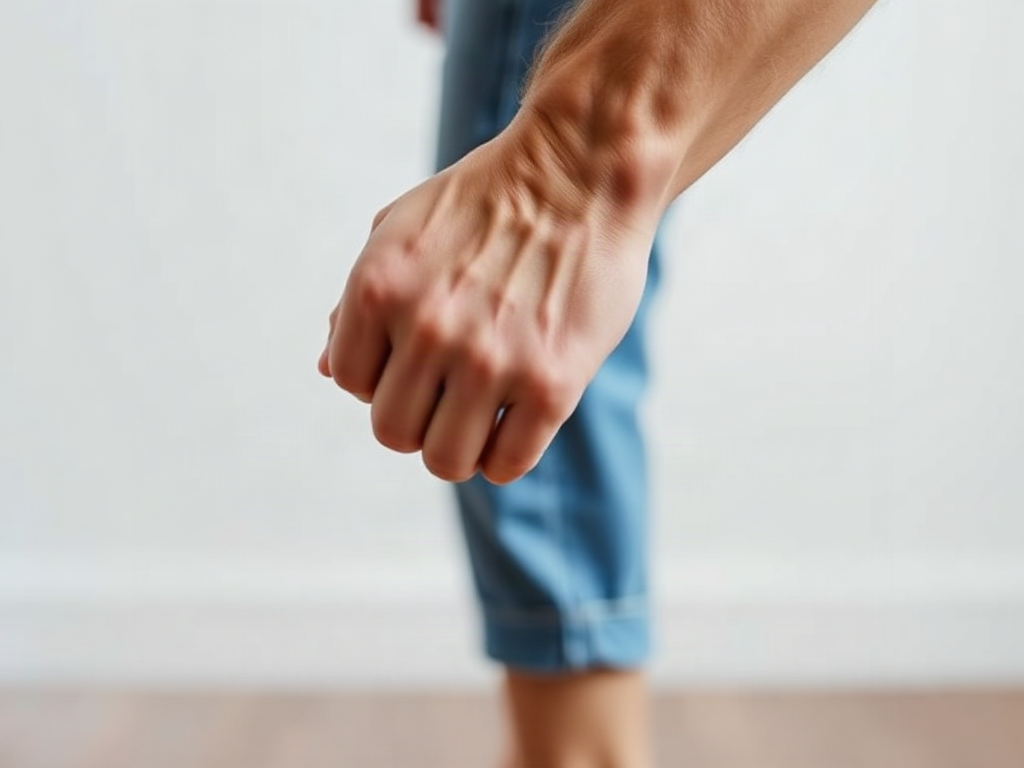
Why one joint hurts while the matching joint does not usually comes down to uneven loading, a one-sided injury, localized inflammation, or differences in anatomy and prior wear. A dominant hand or leg may absorb more repetitive force, while an old sprain, tendon problem, cartilage change, nerve irritation, or altered gait affects only one side. Compare swelling, warmth, redness, range of motion, tenderness, recent activity, and pain timing rather than assuming both sides should behave identically. Reduce aggravating load without complete immobilization, record changes for several days, and seek medical assessment for severe pain, deformity, fever, sudden swelling, inability to bear weight, or symptoms that persist or worsen.
Why Matching Joints Can Behave Differently
Paired joints are similar in design, but they do not experience identical forces, positions, injuries, or medical histories. A right knee may hurt after a long hike because it took more load during a change in stride, while the left knee remained comfortable. Similarly, the wrist used for lifting a child, operating a mouse, or gripping a tool may develop irritation even though the opposite wrist appears normal.
Uneven mechanical stress is a common explanation. People favor one leg, rotate their body in one direction, stand with more weight on one hip, or use one hand for repeated tasks. Small differences may not be noticeable until a tendon, ligament, joint lining, or nearby muscle becomes irritated. An earlier sprain can also change movement long after the original pain has faded. The affected side may then compensate, creating a cycle of extra demand.
Localized inflammation or tissue damage can occur without a matching problem on the other side. A single joint may be affected by bursitis, tendon irritation, a minor cartilage injury, gout, infection, or an inflammatory condition that happens to begin asymmetrically. Osteoarthritis can also be more advanced on one side because of past trauma, alignment, occupation, body mechanics, or ordinary variation in tissue wear. Symmetry is not a requirement for a real joint problem.
A useful comparison is between a new, activity-linked ache and pain that appears at rest or at night. The former may fit a recent loading change, whereas persistent rest pain, visible swelling, or a hot joint deserves more caution. The mistake to avoid is treating the comfortable side as a diagnostic control. It provides context, but it does not prove that the painful side is harmless or that both sides should respond identically.
For readers exploring why one joint hurts while the matching joint does not, the priority is to identify what changed on the painful side: workload, impact, posture, footwear, grip, range of motion, or a recent illness or injury.
Clues That Point Toward the Cause
The location and behavior of the symptom often provide more useful information than the fact that it is one-sided. Pain directly over a tendon may become sharper with a particular action, such as climbing stairs, reaching overhead, or gripping. Pain deep inside a joint with stiffness after inactivity can suggest a different group of possibilities. Tenderness along the outer hip, for example, is not interpreted the same way as pain deep in the groin.
Look for associated features. Swelling may indicate fluid or inflammation; warmth and redness raise concern for a more active inflammatory process; catching or locking can point toward an internal mechanical issue; tingling or burning may suggest nerve involvement rather than a problem confined to the joint. Reduced strength, a limp, or an inability to fully straighten or bend the area adds practical significance even when the pain score is modest.
Timing also matters. Symptoms that begin during a new exercise routine may reflect a sudden increase in load. Pain that develops after a fall, twist, or awkward lift should be assessed in relation to that event. Morning stiffness lasting a long time, repeated episodes of swelling, or pain in several areas may warrant evaluation for inflammatory or systemic causes. A single sore joint after unusual use has a different risk profile from a joint that repeatedly becomes swollen for no clear reason.
Consider a person whose left ankle hurts after work but whose right ankle does not. If the person recently changed shoes, walks on sloped ground, and has tenderness around the outer ankle, footwear and altered mechanics deserve attention. If the ankle is hot, markedly swollen, and painful even when still, self-testing is less appropriate. The common failure mode is assigning every one-sided symptom to “wear and tear” while overlooking infection, crystal arthritis, nerve symptoms, or a meaningful injury.
Write down the joint involved, the exact location, what brings symptoms on, how long stiffness lasts, and whether swelling changes during the day. That brief record can help distinguish a repeatable mechanical trigger from a process that is progressing independently of activity.
What to Check and Try at Home
For mild symptoms without alarming features, begin with a short period of relative rest rather than total inactivity. Relative rest means removing the action that clearly aggravates the area while keeping comfortable, low-load movement. A person with a sore knee might replace deep squats with easy walking on level ground; someone with wrist pain might reduce forceful gripping while continuing gentle motion.
Compare both sides carefully, but do not force a range-of-motion test. Note visible swelling, skin color, warmth, tenderness, and whether the painful side feels unstable. Check recent changes in shoes, exercise volume, work duties, sleep position, lifting technique, or use of a cane or brace. These details can reveal a one-sided stressor that is easy to miss when attention is focused only on the symptom.
Cold or warmth may provide temporary comfort, but the choice should match the response. Cold can feel useful after a fresh flare with swelling, while warmth may ease stiffness before gentle movement. Neither option identifies the cause or repairs damaged tissue. Overusing heat on a visibly hot, inflamed area may feel worse, and applying ice directly to skin can cause injury. Use a cloth barrier and stop if numbness or skin irritation develops.
A simple four-day observation plan can be more informative than repeatedly testing the painful motion:
- Record pain during rest, ordinary activity, and the specific action that provokes it.
- Reduce the provoking load while maintaining comfortable movement.
- Note swelling, warmth, sleep disruption, walking changes, and response the following morning.
- Reintroduce activity gradually only if symptoms are stable or improving.
Improvement with reduced load supports a mechanical contribution, but it does not confirm a diagnosis. Worsening despite reduced activity, new swelling, or pain that begins affecting ordinary tasks changes the decision. Avoid borrowing medication or combining products without checking labels and personal contraindications; stomach, kidney, liver, heart, pregnancy, and blood-thinning concerns can affect what is safe.
Targeted guidance about one-sided joint symptoms should preserve function while preventing repeated aggravation. Complete immobilization may create stiffness and weakness, while pushing through sharp or escalating pain can prolong irritation.
When One-Sided Symptoms Need Medical Care
Prompt medical assessment is appropriate when pain follows a significant fall, collision, twisting injury, or sudden force, especially if the joint looks deformed or cannot bear normal weight. A hot, red, swollen joint with severe pain, fever, chills, or feeling acutely unwell should not be managed as routine overuse. Infection and crystal-related inflammation can require timely treatment, and their appearance may be limited to one joint.
Urgent evaluation is also sensible for sudden calf or limb swelling with shortness of breath or chest pain, new weakness or numbness, or a limb that becomes pale, blue, or unusually cold. These symptoms extend beyond ordinary joint soreness. Local warning signs include rapidly increasing swelling, repeated giving way, inability to move the joint, or pain that is severe at rest.
Less urgent but persistent symptoms deserve a scheduled appointment. Arrange evaluation when discomfort lasts beyond a reasonable recovery period, keeps returning, interferes with work or sleep, or causes a limp. The clinician may examine alignment, strength, nearby tendons, nerves, and the joint itself. Depending on the findings, imaging or laboratory testing may be considered; not every one-sided ache needs a scan, and an image alone does not always explain pain.

Age, previous surgery, inflammatory disease, diabetes, immune suppression, cancer history, and medications can change the threshold for care. A mild symptom in a healthy adult after unfamiliar activity is not assessed in exactly the same way as new swelling in someone taking immune-suppressing medicine. The practical mistake is waiting for the matching joint to hurt before seeking help. Asymmetry can be the useful clue that makes evaluation more focused.
Bring the symptom record, a medication list, and details of recent injuries or workload changes. Mention whether the pain is superficial or deep, whether movement or pressure triggers it, and whether the joint has changed in appearance. Specific observations are more useful than simply reporting that one side hurts.
How to Avoid Making the Problem Worse
The safest strategy is to manage the painful side according to its behavior, not according to the condition of its counterpart. Do not force both sides through the same exercise volume if one side is swollen, unstable, or losing motion. At the same time, avoid protecting the area so completely that ordinary movement disappears for weeks without clinical advice. Gradual loading is usually more sensible once basic movement is comfortable and symptoms are settling.
Common mistakes include increasing activity because the opposite side feels fine, repeatedly pressing the sore spot to “check” it, changing several variables at once, and assuming a supplement or brace will solve a mechanical problem. A brace may reduce stress during a defined activity but can be poorly fitted or used as permission to exceed tolerance. Pain relief can make movement easier, yet masking symptoms while continuing the same aggravating load may obscure deterioration.
Choose the next step by asking three questions: Is there swelling, heat, deformity, or loss of function? Did a clear injury or workload change precede the symptom? Is the trend improving, unchanged, or worsening? Red flags favor medical care; a clear mild trigger with steady improvement favors cautious self-management; an unclear or recurring pattern favors assessment even if the other side remains normal.
For prevention, vary repetitive tasks, build exercise volume gradually, check footwear and work setup, and address a limp or movement compensation rather than simply strengthening the comfortable side. A physical therapist may help when alignment, technique, weakness, or restricted mobility keeps shifting demand onto one limb. That approach is more useful than trying to make both sides perform identically.
The central lesson behind why one joint hurts while the matching joint does not is that a paired structure can have a different load history and a different local problem. Track the pattern, protect function, and escalate care when the symptoms do not follow a reassuring course.
For reliable background, consult patient information from recognized medical organizations, university health systems, or government health agencies covering acute monoarthritis, sprains, arthritis, and urgent warning signs. These sources can explain evaluation options without replacing an examination when symptoms are severe, persistent, or changing quickly.
Frequently Asked Questions
Can one-sided joint pain happen without an injury?
Yes. Uneven workload, tendon irritation, alignment changes, prior injury, arthritis, nerve irritation, and localized inflammation can affect one side without a memorable accident.
Does a normal matching joint rule out a serious problem?
No. Some conditions begin in one joint or remain localized. A hot, red, rapidly swollen, severely painful, or function-limiting joint needs timely medical attention.
Should I rest completely when only one joint hurts?
Usually, mild activity-related symptoms call for relative rest: avoid the provoking load but keep comfortable movement. Complete immobilization is not automatically better and may increase stiffness.
What details should I track before an appointment?
Record onset, exact location, swelling, warmth, triggers, stiffness duration, injury or workload changes, sleep disruption, walking changes, and what makes symptoms better or worse.
When should one painful joint be treated as urgent?
Seek prompt care for deformity, inability to bear weight, sudden major swelling, severe rest pain, fever with a hot red joint, new numbness or weakness, or rapidly worsening symptoms.
Conclusion
A painful joint does not need a painful twin to represent a genuine problem. The useful explanation often lies in unequal loading, a previous injury, localized tissue irritation, alignment, or an inflammatory process that has not spread to the other side. Compare symptoms for clues, but prioritize swelling, warmth, loss of function, injury history, and the direction of change. For mild activity-linked discomfort, reduce the provoking task, maintain easy movement, and record the response rather than repeatedly testing the joint. Arrange medical evaluation when symptoms persist, recur, worsen, or interfere with normal use. Urgent warning signs such as fever, deformity, severe swelling, or inability to bear weight should override home observation.