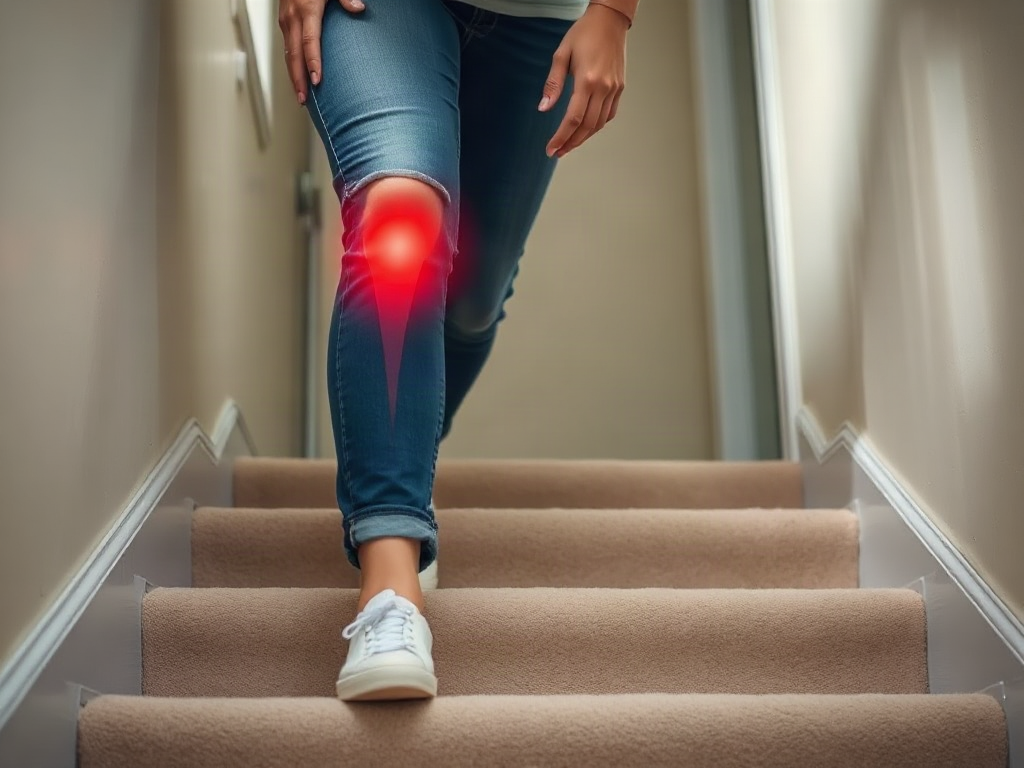
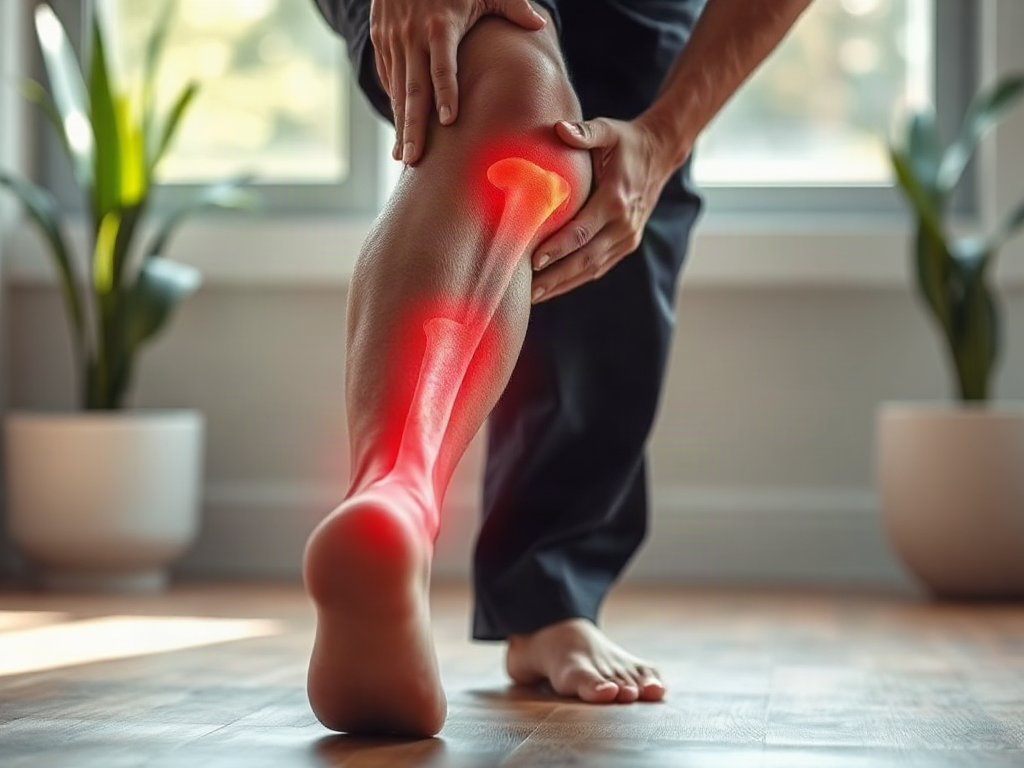
Kneecap Pain When Going Downstairs: Causes, Symptoms, And Relief Methods
Joint Relief

Kneecap Pain When Going Downstairs: Causes, Symptoms, And Relief Methods

Kneecap pain when going downstairs: causes and relief usually involve reducing stress on the patellofemoral joint while addressing irritation, weakness, or movement-control problems. Descending increases knee-bending forces, so pain may arise from patellofemoral pain, a tendon problem, arthritis, cartilage irritation, or an injury rather than from the kneecap alone.

What Causes Pain Behind the Knee and How Is It Relieved? Causes, Warning Signs, and Practical Steps
Joint Relief

What Causes Pain Behind the Knee and How Is It Relieved? Causes, Warning Signs, and Practical Steps

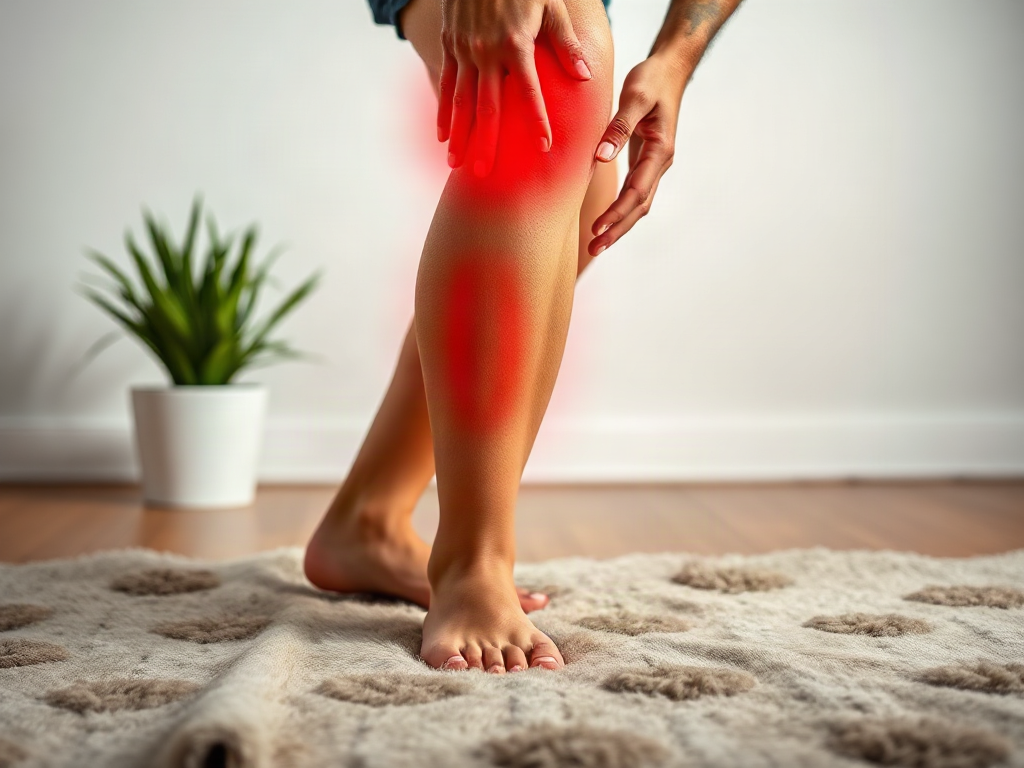
Pain behind the knee may come from a strained hamstring or calf, tendon irritation, arthritis, a meniscus problem, a fluid-filled Baker’s cyst, or—less commonly—a blood clot. Relief depends on the cause: reducing aggravating activity, using brief cold therapy after a recent strain, maintaining gentle movement, and gradually restoring strength may help uncomplicated soft-tissue pain.

why shoulder pain limits dressing before other activities movements causes and practical adjustments 900922fb04
Joint Relief

Why Stretching Can Aggravate an Irritated Joint—What To Do Instead

Stretching can aggravate an irritated joint when the movement compresses swollen tissue, pulls an injured tendon or ligament, or pushes the joint beyond a temporarily reduced tolerance. A forceful stretch may increase pain, guarding, and irritation rather than restore useful mobility, especially after a recent injury or during a flare.

Scroll to Top