
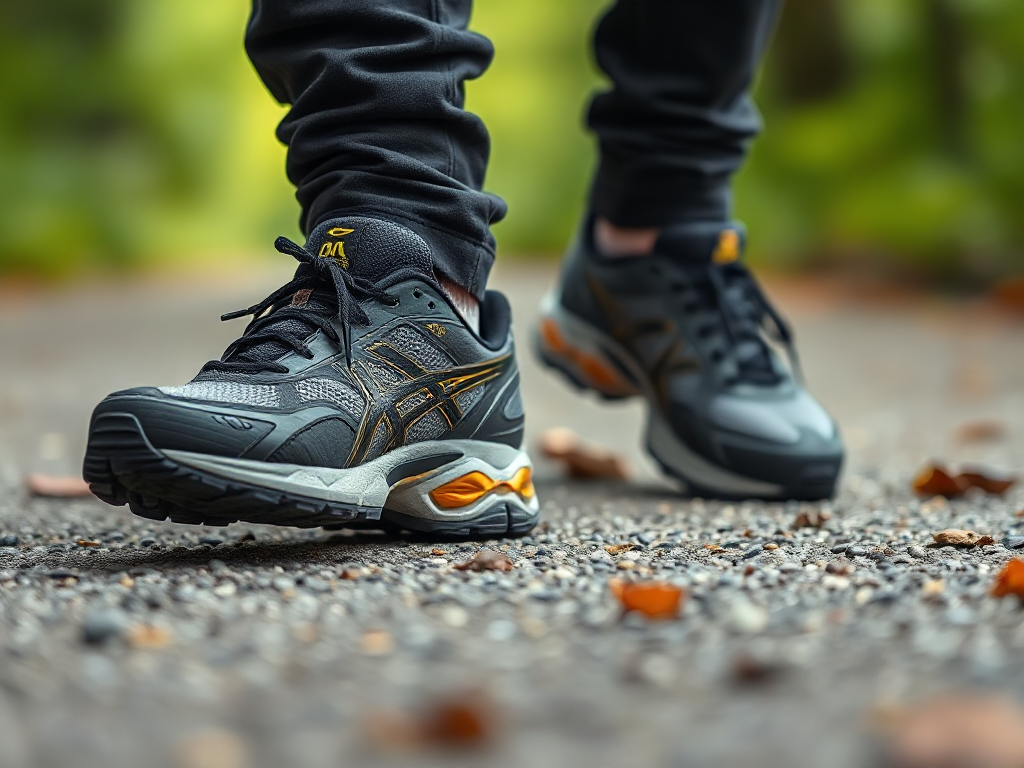
Walking shoes that reduce osteoarthritis impact without restricting motion usually combine moderate cushioning, a stable but flexible sole, a roomy toe box, and a secure fit that avoids pressure points. Cushioning can soften heel and forefoot forces, while controlled flexibility lets the foot roll naturally instead of forcing a rigid stride. A rocker-shaped sole may reduce the effort needed at toe-off, but it can feel unstable for some wearers. Prioritize comfort during a short trial walk, adequate width, secure heel hold, and a sole that bends near the toes rather than through the middle. Shoes cannot treat osteoarthritis, and worsening swelling, instability, or persistent pain warrants clinical advice.
What A Joint-Friendly Walking Shoe Should Do
A suitable walking shoe should distribute contact forces, keep the foot stable enough for confident steps, and allow the ankle and forefoot to move without being trapped. Osteoarthritis discomfort may become more noticeable when a shoe concentrates pressure under the heel, compresses the toes, or makes the wearer alter stride mechanics. The goal is not maximum softness or maximum rigidity. It is a balanced platform that feels predictable on the surfaces the person actually walks on.
A shoe that feels comfortable in a store can behave differently after twenty minutes outdoors. For example, a heavily cushioned model may feel pleasant initially but become tiring if its tall, unstable platform makes the ankle work harder. A very thin, flexible shoe may permit excellent foot motion but offer too little protection on concrete. Someone with knee symptoms may prefer a different balance from someone whose main limitation is a stiff big toe or tender midfoot.
Use walking shoes that reduce osteoarthritis impact without restricting motion as a selection goal rather than a promise that one design works for every joint. The most useful priorities are:
- Even, comfortable contact with the ground.
- A secure heel that does not slide during turns.
- Enough forefoot width for toes to spread naturally.
- Moderate cushioning without a wobbly or excessively tall sole.
- Flexibility at the forefoot, with enough structure through the midsole to prevent collapse.
The common mistake is shopping by label alone. Terms such as “walking,” “comfort,” or “motion control” describe broad categories, not a guaranteed response to arthritis. A technically advanced shoe is unsuitable if it causes rubbing, encourages limping, or makes the wearer shorten every step. Comfort, steadiness, and a natural gait matter more than a feature list.
Cushioning, Flexibility, And Sole Geometry
Cushioning changes how a shoe handles impact, but it does not erase the forces involved in walking. Foam can reduce the sharpness of repeated contact and make hard pavement feel less demanding. The useful amount depends on body size, walking speed, surface, and the location of symptoms. Soft foam may suit someone who walks mainly on sidewalks, whereas a firmer, more stable midsole may feel safer for a person who frequently crosses uneven ground.
Flexibility should occur in the right place. A walking shoe that bends easily across the middle can allow the foot to twist and may feel unsupportive. A shoe that will not bend at all can restrict the roll from heel strike toward toe-off. Try holding the shoe at both ends: it should flex near the ball of the foot rather than folding sharply through the arch. That simple check is not a substitute for wearing it, but it can expose an obviously mismatched construction.
Rocker soles deserve a careful trial. Their curved geometry may help the foot move forward when the toes or ankle are uncomfortable, reducing the need for a pronounced push through the forefoot. The tradeoff is altered balance and less direct contact with the ground. A person with good balance may appreciate the rolling sensation, while someone who already feels unsteady may prefer a flatter, broader base. Compare both styles on a clean indoor surface before deciding.
Do not assume the softest shoe is the kindest option. Excessive compression can make the foot feel unstable, and cushioning can pack down over time. Conversely, a firm shoe is not automatically harsh if its shape distributes pressure and its upper does not squeeze the foot. Walk slowly, turn, stop, and climb a few steps if appropriate. Pay attention to whether the shoe absorbs contact while still allowing the ankle and toes to participate in the stride.
Fit Details That Protect Natural Movement
Fit often matters more than the advertised technology. Measure both feet late in the day, when mild swelling may make the foot larger, and select the size that accommodates the longer or wider foot. Leave useful space in front of the longest toe without allowing the foot to slide forward. Toes should not touch the front during downhill walking, and the upper should not press across a bunion, swollen knuckle, or sensitive area.
Width is more than a comfort preference. A narrow toe box can force the toes together and reduce their ability to help with balance during push-off. A very loose shoe creates a different problem: the foot may grip with the toes to keep the shoe in place, increasing fatigue. Look for a shape that follows the outline of the foot rather than tapering sharply toward the front.
Heel security deserves a separate check. Lace the shoe normally and walk several minutes. If the heel lifts noticeably, try a different size or lacing pattern rather than tightening the entire shoe until the forefoot is compressed. A padded collar can improve comfort, but padding cannot correct a fundamentally poor shape. Removable insoles may also help accommodate an orthotic, although the replacement insert must leave enough room for the toes and preserve heel stability.
Compare a structured upper with a stretchy one according to the problem being solved. Stretch material can be helpful over a tender prominence or mild swelling, while a more supportive upper may suit a foot that feels unstable. Neither should be chosen in isolation. A flexible upper paired with a narrow sole may still restrict movement, and a firm upper paired with a broad, well-shaped base may feel more natural.
Use this shoe-selection reference when comparing models, but treat your own walking response as the final filter. A good fit should remain comfortable after sitting, standing, turning, and walking—not merely during a brief seated try-on.
A Practical Try-On And Walking Test
A short, repeatable test is more useful than relying on appearance or brand reputation. Bring the socks and any inserts normally used for walking. Try shoes on both feet, walk indoors on a firm surface, and notice the first point of pressure. The shoe should feel secure without requiring forceful tightening. If a seam rubs during the first few minutes, assume it is likely to become a larger problem rather than expecting the foot to “break it in.”
Test the movements that expose weaknesses: a straight walk, a turn, a stop, a gentle incline, and a few steps at the pace used outdoors. Notice whether the sole bends under the forefoot, whether the heel remains planted, and whether the foot rolls forward smoothly. A shoe that feels excellent in a straight line but catches during turns may be a poor choice for errands, where direction changes are constant.
For a first outdoor trial, choose a familiar route and keep the distance shorter than usual. Check the skin afterward for redness, hot spots, or blisters, and note whether symptoms appear in the foot, ankle, knee, or hip. A new shoe may feel different without being harmful, but increasing discomfort that persists after removing it is a reason to stop and reassess. Gradual use also makes it easier to identify whether the issue is the shoe or an overly large jump in walking volume.
A compact decision sequence can keep the purchase practical:

- Reject shoes that cause immediate pressure, slipping, or balance concerns.
- Among the remaining options, select the broadest stable base that feels comfortable.
- Compare moderate cushioning with a rocker only if both feel secure during turns.
- Repeat a short walk on the actual surface used most often.
The mistake is testing only softness. Walking shoes are movement tools, so stability, rolling motion, and fit must be evaluated together.
Mistakes, Warning Signs, And Realistic Expectations
Shoes may reduce aggravating pressure or make walking feel more manageable, but they do not reverse cartilage changes or guarantee symptom relief. Persistent pain can reflect many factors, including walking volume, muscle weakness, an unrelated foot problem, or a need for clinical assessment. A shoe should be judged by function: can the wearer walk with a more natural stride, fewer pressure points, and acceptable comfort afterward?
Several buying assumptions commonly lead to disappointment. “Maximum support” may mean a shoe is too rigid for someone who wants normal forefoot motion. “Minimalist” may expose a sensitive foot to more ground sensation than it can comfortably tolerate. A thick sole may soften pavement but reduce balance feedback. Even a well-fitting pair can stop working as the tread wears down or the midsole compresses unevenly.
Watch for signs that the design is failing: new rubbing, repeated heel movement, toe numbness, an obvious limp, increasing instability, or symptoms that are worse after each trial. Swelling that is severe, sudden, or accompanied by marked warmth or redness should not be managed by changing footwear alone. Seek medical guidance for persistent or worsening symptoms, and ask a podiatrist, physical therapist, or other qualified clinician about fit when foot shape, orthotics, or balance problems complicate the choice.
Maintenance also affects impact. Rotate pairs if practical, inspect the outsole for uneven wear, and replace shoes when the sole no longer feels stable or the upper cannot hold the foot securely. An unevenly worn shoe can subtly change loading even when the original fit was good. Pairing appropriate footwear with sensible walking progression, rest after flare-ups, and clinician-directed exercise is more realistic than expecting a shoe to solve every limitation.
For a broader comparison, see the related footwear notes before buying a second pair. The best choice is the one that matches the wearer’s joint symptoms, terrain, foot shape, and balance—not the one with the most dramatic marketing claim.
Readers can look for current footwear and osteoarthritis information from recognized medical organizations, university health systems, and professional foot-care associations. Use those sources to discuss persistent symptoms, orthotic needs, balance concerns, or changes in walking tolerance with a qualified clinician.
Frequently Asked Questions
What shoe feature matters most for osteoarthritis?
Fit usually comes first. A stable heel, adequate toe room, comfortable cushioning, and forefoot flexibility are more useful than any single marketing feature.
Are rocker-bottom shoes suitable for everyone?
No. A rocker may ease toe-off for some walkers, but it can feel unstable or alter balance. Test it during turns and on the surfaces used regularly.
Should walking shoes be firm or soft?
Neither is universally better. Moderate cushioning with a stable base often offers a practical compromise, while very soft or very rigid shoes may create new problems.
How much toe-room should walking shoes have?
Leave enough space for the longest toe to avoid touching the front during walking, while keeping the midfoot and heel secure so the foot does not slide.
When should footwear-related joint symptoms be evaluated?
Seek professional advice when pain persists, walking becomes increasingly difficult, or swelling, warmth, numbness, instability, or limping develops despite changing the shoe.
Conclusion
The most useful walking shoe for osteoarthritis is not necessarily the softest, thickest, or most rigid model. Prioritize a secure heel, a roomy but controlled forefoot, moderate cushioning, and a sole that flexes near the toes while remaining stable through the middle. Test those qualities with the socks and inserts you actually use, then walk on familiar surfaces before committing to longer distances. Treat rubbing, slipping, numbness, instability, or worsening symptoms as evidence that the design or fit is wrong rather than as problems to tolerate. Footwear can make walking more comfortable and preserve a natural stride for some people, but persistent or changing symptoms deserve qualified medical attention alongside any shoe adjustment.